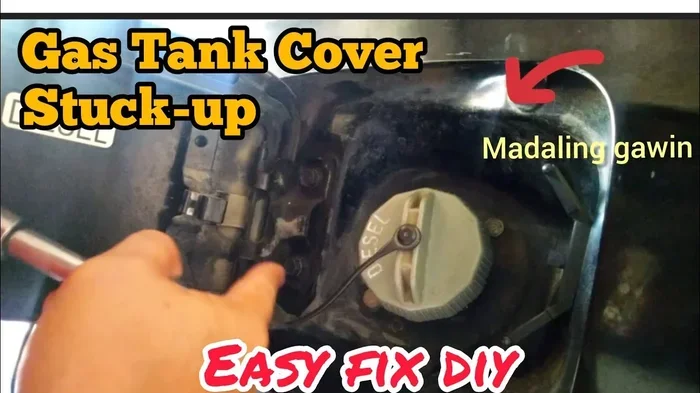
Why Wont My Gas Tank Open in My Car and How to Fix It
A stuck gas tank door is frustrating but usually easy to fix. Whether the issue is a broken release cable, a tripped safety latch, or a fuse problem, most drivers can solve it at home with basic tools. This guide walks you through every common cause and the exact steps to get your gas tank open again.
You pull up to the gas station, ready to fill up, and then it happens. You press the button. You pull the lever. Nothing. Your gas tank open mechanism just refuses to cooperate. It is one of those small annoyances that can turn a quick errand into a real headache.
The good news is that you are not alone. This is a surprisingly common problem across all makes and models. And the fix is often simpler than you think. In this article, we will walk you through every reason your fuel door release might be sticking, and we will show you exactly how to fix it yourself.
We will cover everything from simple manual overrides to more complex electrical issues. By the end, you will know exactly what is going on and how to get back on the road. Let us dive right in.
Key Takeaways
- Tripped safety latch: Many cars have a manual release lever inside the trunk or under the seat that can trip and lock the fuel door.
- Broken release cable: The cable connecting your interior lever to the fuel door can fray or snap over time.
- Faulty fuel door actuator: Electronic fuel doors rely on a small motor that can burn out or short circuit.
- Rust and debris buildup: Weather and road salt can cause the hinge or latch to corrode and seize up.
- Blown fuse or wiring issue: A simple blown fuse can disable your entire fuel door release system.
- Preventive care helps: Regular cleaning and lubrication of the fuel door mechanism can prevent most problems.
📑 Table of Contents
Common Reasons Your Gas Tank Door Won’t Open
Before you start tearing things apart, it helps to understand what could be causing the problem. Every car is different, but the reasons tend to fall into a few clear categories. Here are the most common culprits behind a gas tank door that won’t open.
1. Tripped Manual Release Mechanism
Many vehicles have a secondary release built into the trunk, under the seat, or inside the glove box. This is a safety feature designed so you can open the fuel door if the primary system fails. However, this latch can get tripped accidentally. When it does, the fuel door locks in place even if the normal button works fine.
This is actually one of the most overlooked causes. People search for complex electrical problems when the real issue is a simple latch that shifted out of position. Check your owner’s manual to locate your manual release. It is usually a small lever or pull cord that you can access without any tools.
2. Broken or Frayed Release Cable
The cable connects the interior lever or button to the fuel door latch. Over time, this cable can stretch, fray, or even snap completely. When that happens, pulling the lever inside your car does nothing at the fuel door. You might hear a click or feel a bit of resistance, but the door stays shut.
This is especially common in older vehicles or cars with high mileage. The cable sits in a tight space and gets moved every time you open the fuel door. Wear and tear is inevitable. Replacing a release cable is usually an affordable repair, and many car owners can do it themselves with basic tools.
3. Faulty Fuel Door Actuator
If your car has an electronic fuel door, it relies on a small motor called an actuator to pop the door open. When this motor fails, the door simply will not respond to any button press. The actuator can burn out due to electrical shorts, moisture damage, or just general age.
You might notice warning signs before the actuator completely dies. For example, the fuel door might open slowly or make a grinding noise. If you catch these signs early, it is worth getting the actuator checked before it fails entirely. A replacement actuator is usually a straightforward and inexpensive fix.
4. Rust, Corrosion, and Debris Buildup
Your fuel door is exposed to the elements every single day. Road salt, rain, dirt, and debris can all take a toll on the hinge, latch, and surrounding mechanism. Over time, rust can build up and cause the door to seize in place. Even a small amount of corrosion can create enough friction to prevent the door from moving.
This problem is especially common in colder climates where road salt is heavily used during winter. If you live in an area with harsh winters, your fuel door hinge is at higher risk. Regular cleaning and a bit of protective spray can go a long way in preventing this issue.
5. Blown Fuse or Electrical Problem
Modern cars rely on fuses to protect electrical circuits. If the fuse that controls your fuel door release blows, the entire system goes dead. You will press the button and get zero response. This is one of the easiest problems to diagnose and fix, but it is often overlooked.
Check your fuse box first. Your owner’s manual will tell you which fuse controls the fuel door release. If the fuse is blown, simply replace it with one of the same amperage. If the new fuse blows again right away, there may be a deeper wiring issue that needs professional attention.
6. Central Locking System Malfunction
Some cars tie the fuel door into the central locking system. When you lock or unlock the car with the remote, the fuel door locks or unlocks at the same time. If the central locking module has a glitch, the fuel door might stay locked even when the rest of the car is unlocked.
This can happen after a battery replacement, a power surge, or simply from a software glitch in the locking system. Try locking and unlocking the car multiple times to reset the module. If that does not work, you may need to reset the central locking system or have it inspected.
How the Fuel Door Release System Works
Understanding how your gas tank open system works makes troubleshooting much easier. Most fuel door release systems have three main parts: the release mechanism inside the car, the cable or electronic link, and the latch on the fuel door itself.
When you press the button or pull the lever, a signal travels through the cable or wiring to the latch. The latch then releases, and a spring pushes the door open. Simple, right? But when just one of these parts fails, the whole system breaks down.
Mechanical systems use cables. Electronic systems use motors and wiring. Some cars use a combination of both. Knowing which type your car has helps you narrow down the problem faster. Check your owner’s manual or look under the trim near the fuel door to see how your system is set up.
Step-by-Step Fixes for a Stuck Gas Tank Door
Now that you know the common causes, let’s walk through the fixes. Always start with the simplest solutions and work your way up to the more complex ones.
Step 1: Check for the Manual Override
Open your trunk or look under the driver’s seat. Find the manual release lever or pull cord for the fuel door. Give it a gentle pull. In many cases, this will release the latch and let you open the door by hand. This is the fastest fix and it costs nothing.
If you cannot find the manual release, check your owner’s manual. Every car is different, and the location varies widely. Some manufacturers hide it behind a trim panel or inside the spare tire well.
Step 2: Inspect the Fuse Box
Pop open your fuse box and look for the fuse labeled “fuel door” or “trunk release.” Pull it out and check the metal strip inside. If it is broken or melted, the fuse is blown. Replace it with a new fuse of the same rating. This is a five-minute fix that solves the problem more often than you might think.
Step 3: Lubricate the Hinge and Latch
If the fuel door feels stiff or gritty, it might just need lubrication. Spray a small amount of silicone-based lubricant or white lithium grease onto the hinge and latch mechanism. Work the door back and forth a few times to spread the lubricant evenly. Avoid using WD-40 as a long-term solution since it can attract dirt and dust over time.
Step 4: Check the Release Cable
If the manual override works but the button or lever inside the car does not, the cable might be the problem. You will need to access the cable under the trim panel near the driver’s seat. Look for signs of fraying, stretching, or disconnection. If the cable is damaged, replacing it is usually a job you can handle at home with a screwdriver and a bit of patience.
Step 5: Test the Actuator
For electronic fuel doors, the actuator is the small motor that does the heavy lifting. Listen carefully when you press the button. If you hear a faint click or buzzing but the door does not move, the actuator might be getting weak. If you hear nothing at all, the actuator could be dead or the wiring to it could be damaged. Testing the actuator requires a multimeter and some basic electrical knowledge.
Step 6: Address Rust or Physical Damage
If you can see rust on the hinge or the latch mechanism, you need to address it directly. Use a wire brush to remove surface rust, then apply a rust converter or primer to prevent it from spreading. For severely corroded parts, replacement might be the only option. A damaged hinge or bent latch will not fix itself and will only get worse over time.
Preventive Maintenance Tips
Prevention is always better than repair. A few simple habits can keep your fuel door release working smoothly for years to come.
- Clean the fuel door area regularly: Wash away road salt, dirt, and grime that can cause corrosion. Pay special attention during winter months.
- Lubricate the hinge and latch every six months: A quick spray of silicone lubricant keeps everything moving freely.
- Do not force the door open: If the door feels stuck, do not yank on it. Forcing it can damage the latch, hinge, or cable.
- Check the release cable annually: Look for signs of wear or fraying before they become a bigger problem.
- Keep your owner’s manual handy: Knowing where the manual release is before you need it saves a lot of stress at the gas station.
These small habits take almost no time but can save you from a lot of inconvenience. Think of it as a quick five-minute check every few months that keeps your car running smoothly.
When to See a Professional Mechanic
Most gas tank open problems can be fixed at home with basic tools and a little patience. But some situations call for a professional. If you have tried all the steps above and the door still will not open, it is time to call in the experts.
Also see a mechanic if you notice any of the following:
- The fuel door opens but does not close properly.
- You smell fuel near the door or tank area.
- The release mechanism works intermittently and you cannot predict when it will fail.
- You see visible damage to the fuel tank or fuel lines.
- Electrical issues extend beyond the fuel door, affecting other systems in the car.
Fuel system issues should never be ignored. Even a small leak can become a serious safety hazard. If something does not feel right, trust your instincts and get a professional opinion. A qualified mechanic can diagnose problems quickly and safely, and they have the tools and experience to handle complex electrical or mechanical issues.
Another good reason to see a professional is if your car is still under warranty. DIY repairs can sometimes void your warranty. Check with your dealer before attempting any fixes that go beyond simple troubleshooting.
Quick Tips for Everyday Driving
Here are a few extra tips that can help you avoid fuel door problems in the future:
- Always close the fuel door firmly: A loosely closed door is more likely to get stuck or let moisture in.
- Do not use the fuel door as a grab handle: It is not designed to support your full body weight and the hinge can bend over time.
- Watch for warning signs: If the door starts to feel stiff or makes unusual noises, address it immediately before it becomes a full-blown problem.
- Keep a spare fuse in your glove box: This is a small habit that can save you a lot of trouble on the road.
- Know your car: Spend five minutes reading the section of your owner’s manual about the fuel door. It is time well spent.
These might seem like small things, but they add up. A little awareness goes a long way in keeping your car trouble-free.
Final Thoughts
A gas tank door that will not open is almost always a solvable problem. Whether it is a tripped safety latch, a broken cable, a faulty actuator, or simple rust buildup, you now have the knowledge to tackle it. Start with the simplest fix and work your way up. Most of the time, the solution is quicker and easier than you expected.
Remember to keep up with preventive maintenance. A little care today saves you from a big headache tomorrow. And when in doubt, do not hesitate to reach out to a trusted mechanic. Your safety and your car’s fuel system are worth it.
Now you know exactly what to do when your fuel door gives you trouble. The next time you pull up to the gas station, you will be ready. Keep this guide saved for reference, and you will never be stranded with a stuck gas tank open problem again.
Frequently Asked Questions
How do I manually open my gas tank door?
Most cars have a manual release lever or pull cord inside the trunk, under the driver’s seat, or behind the glove box trim. Check your owner’s manual for the exact location. Simply pull the lever or cord, and the fuel door latch will release so you can open the door by hand.
Why does my gas tank door click but not open?
A clicking sound usually means the release mechanism is engaging, but something is blocking the door from moving. This could be a corroded hinge, a stuck latch, or a damaged spring inside the fuel door assembly. Try lubricating the hinge and latch first. If that does not work, the internal mechanism may need to be replaced.
Can a dead battery cause the gas tank door not to open?
Yes, in some vehicles. Electronic fuel door releases rely on the car’s electrical system, and a dead or weak battery can prevent the door from responding to the button. Try jump-starting your car or replacing the battery to see if that restores the fuel door function.
How much does it cost to fix a stuck gas tank door?
The cost varies depending on the cause. A simple fuse replacement costs just a few dollars. A release cable typically runs between $20 and $60 for parts plus labor if you do not do it yourself. An actuator replacement can range from $50 to $200 depending on your vehicle model. Rust or hinge damage repairs can cost more if the fuel door assembly needs to be replaced entirely.
Is it safe to drive with a broken fuel door?
It is generally safe for short distances, but you should avoid driving long distances with a damaged or stuck fuel door. A broken fuel door can expose the gas cap and fuel system to moisture and debris, which may lead to contamination or corrosion. Get it repaired as soon as possible.
Can road salt really damage my gas tank door?
Absolutely. Road salt is one of the leading causes of fuel door corrosion and seizing. Salt attracts moisture and accelerates rust formation on metal components. If you live in a cold climate, washing the underside of your car regularly and applying a protective coating to the fuel door hinge can significantly reduce salt-related damage.
=== CONCLUSION ===
Having your gas tank open mechanism fail is never fun, but it is rarely a sign of a serious problem. Most of the time, the fix is quick, affordable, and well within your reach. Start by checking the manual release, the fuse box, and the cable before moving on to more complex repairs.
Keep up with regular maintenance, and your fuel door will serve you well for the life of the car. You now have all the tools and knowledge to handle this common car problem with confidence. The next time your fuel door sticks, you will know exactly what to do.