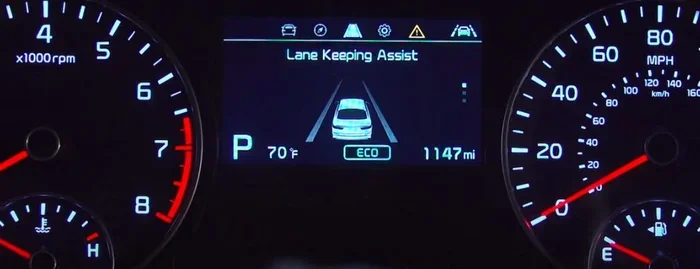
Why Is My Lane Assist Not Working On The Road Today
Your lane assist may stop working due to dirty sensors, calibration issues, or a faulty steering angle sensor. Understanding the root cause helps you get back on the road safely. This guide covers the most common reasons and simple fixes you can try today.
You are cruising down the highway, feeling confident with your lane assist not working alert glowing on the dashboard. It is frustrating when a safety feature you rely on suddenly decides to take a break. Whether you drive a Toyota, Ford, BMW, or any other brand, this problem is more common than you think.
The good news is that most causes are simple and fixable. You do not need to be a mechanic to understand what is going on. In this guide, we will walk you through every reason your lane departure warning system might be acting up. We will also cover easy fixes and prevention tips so you can stay safe on every trip.
Let us dive right in and figure out why your car is not staying in its lane.
Key Takeaways
- Dirty or blocked sensors are the most common reason lane assist stops working
- Camera calibration issues can disable the system after windshield replacement
- Low tire pressure or bad alignment can trick the system into thinking the car is drifting
- Dashboard warning lights give early clues that something is wrong with the assist feature
- Regular maintenance keeps lane departure warning systems functioning properly
- Resetting the system often solves minor glitches without a dealership visit
- Weather conditions like heavy rain or snow can temporarily disable lane centering
📑 Table of Contents
- What Is Lane Assist and How Does It Work?
- Why Is My Lane Assist Not Working On The Road Today
- Common Dashboard Warning Lights Related to Lane Assist
- How to Fix Lane Assist Problems at Home
- Preventing Lane Assist Problems in the Future
- How Different Brands Handle Lane Assist Issues
- Understanding the Technology Behind Lane Centering
- Cost of Repairing Lane Assist Systems
- When Lane Assist Becomes a Legal and Safety Concern
- Conclusion
What Is Lane Assist and How Does It Work?
Before we fix the problem, let us understand how the system works. Lane assist is part of your driver assistance system. It uses cameras and sensors to keep your car centered in the lane. Think of it as a co-pilot that gently nudges the steering wheel when you drift.
The Camera and Sensor Setup
Most vehicles use a windshield camera mounted near the rearview mirror. This camera reads road markings like lane lines and arrows. It sends data to the car’s computer, which then adjusts the steering. Some cars also use radar sensors on the front bumper to detect lane boundaries.
When the lane keeping assist system works correctly, you barely notice it. It is smooth, quiet, and helpful. But when something goes wrong, the system shuts down and you see a warning light.
Why This Matters for Your Safety
Lane assist is not just a luxury feature. It is a safety tool. Studies show that lane departure warning systems reduce accidents significantly. When the system fails, you lose an extra layer of protection. That is why knowing how to troubleshoot it matters so much.
Why Is My Lane Assist Not Working On The Road Today
If you are asking this question right now, you are in the right place. There are several reasons your lane assist not working problem could be happening. Let us go through each one carefully.
Dirty or Blocked Sensors
This is the number one cause. The windshield camera needs a clear view of the road. If it is covered in dirt, mud, or snow, it cannot read lane lines. Even a small piece of debris on the camera lens can cause the system to shut off.
Here are common situations that block your sensors:
- Driving through a muddy road or construction zone
- Bug splatter on the windshield near the camera
- Snow or ice covering the camera area
- A dirty steering wheel sensor cover
- Aftermarket accessories blocking the camera view
The fix is simple. Clean the windshield around the camera area with a soft cloth. Make sure no stickers or accessories block the view. After cleaning, restart the car and check if the system turns back on.
Camera Calibration Problems
After a windshield replacement or any front-end repair, the camera needs recalibration. This process tells the car where the camera sits and how it angles. Without proper camera calibration, the lane centering feature will not work.
You might notice the problem right after a service appointment. Or it could show up weeks later after a minor crack repair. The calibration process requires special tools and software. Most dealerships and certified shops can handle this quickly.
Quick Tip: Always ask the technician to recalibrate your camera after any windshield work. It takes about 30 minutes and saves you from headaches later.
Steering Angle Sensor Malfunction
The steering wheel sensor tells the car how much you are turning the wheel. If this sensor fails, the lane assist system gets confused. It thinks the car is already turning when it is not, or it does not detect a drift at all.
Common signs of a bad steering angle sensor include:
- The steering wheel feels loose or unresponsive
- The dashboard warning light stays on even after restarting
- The car pulls to one side without input
- Error messages about the steering system appearing on the display
Resetting the sensor often helps. Turn the steering wheel all the way left and then all the way right three times. Then drive straight for a few minutes. If the problem persists, you may need a sensor replacement.
Low Tire Pressure or Poor Alignment
This one surprises many drivers. Your car’s tire alignment and tire pressure directly affect how the vehicle tracks on the road. If your tires are underinflated or misaligned, the car drifts naturally. The lane assist system detects this drift and may shut down to avoid false alerts.
Check your tire pressure at least once a month. Use a simple tire pressure gauge and compare readings to the recommended PSI on your door sticker. Uneven tire wear is another red flag that alignment needs attention.
Getting a wheel alignment costs between $75 and $200 at most shops. It is a small price to pay for a system that works properly.
Weather and Road Conditions
Mother Nature can cause temporary lane assist not working issues. Heavy rain, snow, fog, and glare all affect the camera’s ability to read road markings. In these conditions, the system may automatically disable itself.
Here is what to expect in different weather:
- Heavy rain: Water on the windshield blocks the camera view
- Snow: Lane markings become invisible under snow cover
- Fog: Reduced visibility confuses the sensor readings
- Bright sun glare: Overexposure affects camera accuracy
- Unmarked roads: Construction zones or rural roads lack clear lines
This behavior is normal. The system is designed to stay quiet when it cannot read the road safely. Once conditions improve, the system usually reactivates on its own.
Electrical and Software Issues
Modern cars are essentially computers on wheels. Sometimes a software glitch causes the lane assist feature to malfunction. A simple infotainment system reboot often fixes this.
Electrical problems can also play a role. A blown fuse, loose wiring harness, or weak battery can disrupt the driver assistance system. If you recently had a battery replaced or jump-started, the system may need a reset.
Expert Insight: Many automakers release software updates that improve system reliability. Check with your dealer if a firmware update is available for your vehicle model.
Common Dashboard Warning Lights Related to Lane Assist
Your car talks to you through warning lights. Learning to read them helps you catch problems early. Here are the most common lights related to lane departure warning systems.
Lane Departure Warning Light
This light usually looks like a car with lines on the road. When it stays on or flashes, the system has detected a problem. It could be a sensor issue, a camera blockage, or a calibration error.
Steering Assist Warning Light
A steering wheel icon with an exclamation mark means the steering assist is not available. This often ties directly to lane centering problems. Check the steering angle sensor and the power steering fluid level.
Traction Control or Stability Light
Since lane assist works alongside traction control and vehicle stability systems, a problem in one area can affect the others. If you see multiple warning lights at once, get the car checked soon.
| Warning Light | Likely Cause | Quick Fix |
|---|---|---|
| Lane Departure Warning | Camera blocked or dirty | Clean windshield near camera |
| Steering Assist Off | Sensor malfunction | Reset steering angle sensor |
| Traction Control Light | ABS sensor issue | Check tire pressure and sensors |
| Multiple Lights On | Electrical or software problem | Restart vehicle and check fuses |
How to Fix Lane Assist Problems at Home
You do not always need a mechanic. Many lane assist not working issues can be resolved with simple steps you can do at home.
Step-by-Step Reset Process
Follow these steps to reset your lane assist system:
- Turn off the engine and wait 30 seconds
- Restart the car and let it idle for two minutes
- Check that all tires are at the correct pressure
- Clean the windshield camera area thoroughly
- Turn on the lane assist feature from the steering wheel controls
- Drive at speeds above 40 mph on a clear road
- Watch for the system to reactivate within a few minutes
When to Visit a Professional
Some problems need expert attention. If you have tried the reset and the lane centering still does not work, it is time to see a pro. Here are signs you need professional help:
- The warning light stays on after a reset
- You hear clicking or grinding noises from the steering
- The car pulls hard to one side even with lane assist on
- Error codes appear on the diagnostic display
- The problem started after a collision or major repair
A mechanic can run a diagnostic scan to find the exact fault code. This saves time and money compared to guessing what is wrong.
Preventing Lane Assist Problems in the Future
Prevention is always better than repair. A few simple habits keep your driver assistance system running smoothly for years.
Regular Cleaning Routine
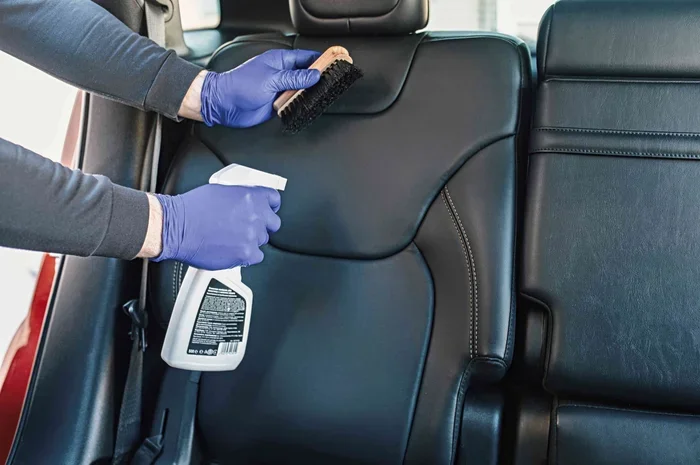
Make it a habit to clean the windshield camera area every time you wash your car. Use a gentle glass cleaner and a microfiber cloth. Avoid harsh chemicals that can damage the camera lens coating.
Scheduled Maintenance Checks
Include sensor and camera checks in your regular maintenance schedule. Many dealerships offer free system checks during oil changes. Taking 10 minutes every few months can prevent bigger problems down the road.
Drive Smart to Protect Sensors
Avoid driving through deep puddles or muddy trails when possible. These can clog sensor openings and damage electrical connections. After off-road driving, give your car a quick rinse to clear any debris from the sensor areas.
Key Takeaway: A little regular care goes a long way in keeping your automatic steering and lane assist features working perfectly.
How Different Brands Handle Lane Assist Issues
Every car manufacturer designs their lane keeping assist system a bit differently. Here is a quick look at how some popular brands handle common problems.
Toyota and Honda
Toyota and Honda vehicles use a combination of lane departure warning and lane centering. Their systems are generally reliable but sensitive to camera obstructions. Owners often report that a simple cleaning resolves most issues.
Ford and Chevrolet
Ford and Chevy trucks and SUVs often have additional sensors in the front grille. This means more components that can fail. Their adaptive cruise control and lane assist systems share wiring, so a problem in one area can affect both.
BMW and Mercedes-Benz
Luxury brands like BMW and Mercedes use advanced driver monitoring systems. These cars have multiple cameras and sensors. The complexity means more potential failure points, but also more sophisticated diagnostics.
Understanding the Technology Behind Lane Centering
Modern lane assist systems use a mix of camera vision and sensor fusion. The car combines data from the windshield camera, steering angle sensor, and wheel speed sensors. It uses this information to calculate the car’s position within the lane.
The system constantly compares the actual position with the expected path. If the car drifts more than a few inches, the lane assist not working alert triggers. The system then tries to correct the path or warns the driver.
Understanding this helps you appreciate why cleanliness and calibration matter so much. Even a tiny misalignment in the camera angle can throw off the entire system. That is why professional calibration after any front-end work is so important.
Cost of Repairing Lane Assist Systems
The cost to fix lane assist problems varies widely depending on the cause. Here is a rough breakdown:
- Cleaning a dirty camera: Free, do it yourself
- Resetting the system: Free, takes 10 minutes
- Camera recalibration: $100 to $300 at a dealership
- Steering angle sensor replacement: $200 to $500
- Windshield camera replacement: $500 to $1,500
- Full wiring repair: $300 to $800 depending on the extent
Regular maintenance keeps costs low. Ignoring a small problem can turn it into an expensive repair. Address issues as soon as you notice them.
When Lane Assist Becomes a Legal and Safety Concern
In many states, lane departure warning systems are part of the vehicle’s safety equipment. Driving with a broken system may not be illegal, but it does put you at risk. Insurance companies may also question claims if they find the safety feature was not working at the time of an accident.
Keep your system in good working order. It protects you, your passengers, and everyone else on the road.
Conclusion
Dealing with a lane assist not working situation is frustrating, but it is almost always fixable. The most common causes are simple: dirty sensors, calibration needs, or a reset away from working again. By understanding how the system works and what can go wrong, you can troubleshoot confidently and stay safe on every drive.
Remember to clean your windshield camera regularly, keep your tires properly inflated, and pay attention to dashboard warning lights. These small habits make a big difference. Your lane departure warning system is designed to protect you. Give it the care it deserves, and it will keep working hard for you mile after mile.
Next time you see that warning light, do not panic. Follow the steps in this guide, and you will likely have your lane centering feature back up and running in no time.
Frequently Asked Questions
Why did my lane assist suddenly stop working?
The most common reason is a dirty or blocked camera sensor. Dirt, mud, or snow on the windshield near the camera can disable the system instantly. Try cleaning the area and restarting your car to see if it turns back on.
Can I drive safely with lane assist turned off?
Yes, you can drive safely, but you lose an important safety layer. The lane departure warning system helps prevent accidental drifting and fatigue-related mistakes. Keep the system on whenever possible, especially on highways.
How much does it cost to recalibrate the lane assist camera?
Recalibration typically costs between $100 and $300 at a dealership or certified shop. The price depends on your vehicle model and whether static or dynamic calibration is needed. It is a worthwhile investment for proper system function.
Does bad weather disable lane assist permanently?
No, weather-related disabling is temporary. Heavy rain, snow, or fog can cause the system to pause until conditions improve. Once the weather clears and the camera can see the road lines, the system usually reactivates automatically.
Can I fix the lane assist sensor myself?
Many issues like dirt buildup or minor glitches can be fixed at home with simple cleaning or a system reset. However, sensor replacement and calibration should be left to professionals to ensure accuracy and safety.
Does tire pressure affect lane assist performance?
Yes, absolutely. Underinflated or overinflated tires change how your car tracks on the road. The lane assist system relies on accurate steering input, and tire pressure directly affects steering behavior. Always maintain proper tire pressure for best system performance.