Can You Disconnect Cruise Control And Why It Matters
Yes, you can disconnect cruise control — and understanding how and when to do it is essential for every driver. This guide covers the methods to cancel cruise control, why disengaging matters for safety, common problems, and expert tips to keep you in command on the road.
You are cruising down the highway. Your foot rests easy. The car holds a steady speed. Then something happens — traffic slows, rain starts, or a curve appears. At that moment, one question hits you: can you disconnect cruise control?
The short answer is yes. Absolutely. But the fuller answer is more important. Knowing how to disengage cruise control and why it matters can make the difference between a smooth drive and a dangerous situation. This guide walks you through everything you need to know.
We will cover the different methods to cancel cruise control, when you should turn it off, common problems, and expert tips. Whether you drive a new car with adaptive cruise control or an older model with a basic system, this article has you covered.
Key Takeaways
- Easy to disengage: Every vehicle offers simple ways to cancel cruise control using the brake pedal, clutch, or steering wheel buttons.
- Safety first: Knowing when to turn off cruise control helps you stay in control during rain, traffic, or curves.
- Types matter: Standard cruise control and adaptive cruise control work differently, and each has specific override methods.
- Common issues exist: Faulty sensors, blown fuses, or a bad cruise control module can prevent proper operation.
- Maintenance helps: Regular checks keep your cruise control system working reliably for years.
- Driver awareness is key: Cruise control is a tool, not a replacement for active driving attention.
📑 Table of Contents
- What Is Cruise Control and How Does It Work?
- Can You Disconnect Cruise Control And How?
- Why Disconnecting Cruise Control Matters for Safety
- Common Cruise Control Problems and How to Fix Them
- Cruise Control vs. Adaptive Cruise Control: What Is the Difference?
- Expert Tips for Using Cruise Control Safely
- Key Takeaways
- Conclusion
What Is Cruise Control and How Does It Work?
Before we talk about disconnecting cruise control, let us understand what it actually does. Cruise control is a system that maintains your vehicle’s speed without you pressing the gas pedal. It uses sensors, a control module, and the throttle to keep things steady.
How the Cruise Control System Works
When you set cruise control, the system takes over throttle management. It reads your vehicle speed through wheel sensors or the transmission. Then it adjusts the engine’s power to hold the set speed. Simple, right?
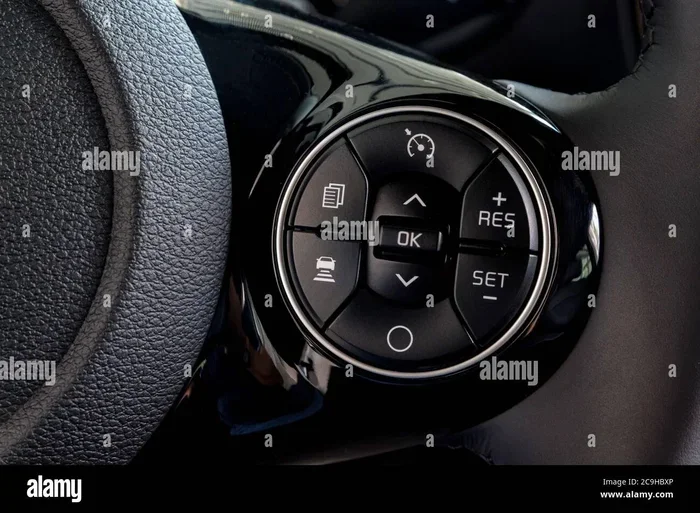
But here is the key point. The system is designed to be overridden. You always have the final say. The cruise control switch on your steering wheel or column lets you adjust or turn off the system instantly. Pressing the brake pedal or clutch also cancels it immediately.
Types of Cruise Control Systems
Not all cruise control systems are the same. Here are the main types you will find on today’s roads:
- Standard Cruise Control: Maintains a fixed speed. You must adjust it manually for hills or changes in traffic.
- Adaptive Cruise Control (ACC): Uses radar or cameras to keep a safe distance from the vehicle ahead. It can slow down and speed up automatically.
- Radar-Based ACC: Relies on a front-mounted radar sensor to detect other cars.
- Camera-Based ACC: Uses a windshield-mounted camera to read road signs and traffic flow.
- Semi-Autonomous Systems: Combines ACC with lane-keeping and steering assist for a more hands-off experience.
Each type has its own way of handling a cruise control override. But the core principle stays the same. The driver can always take back control.
Can You Disconnect Cruise Control And How?
Now for the main question. Can you disconnect cruise control? Yes, and there are several ways to do it. Let us break them down so you know exactly what to do in any situation.
Methods to Disengage Cruise Control
Every vehicle offers multiple ways to cancel cruise control. Here are the most common methods:
- Brake Pedal: Pressing the brake pedal is the universal method. It instantly disengages the system in almost every car. This is by design — safety engineers made it this way on purpose.
- Clutch Pedal: In manual transmission vehicles, pressing the clutch cancels cruise control. This prevents the car from surging forward when you shift gears.
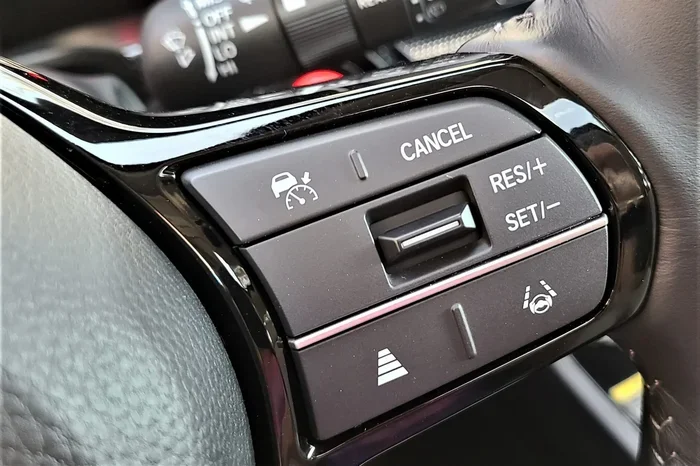
- Cruise Control Button: Most steering wheels have a dedicated “Cancel” or “Off” button. Pressing it turns the system off without affecting your braking or clutch.
- Resume/Cancel Switch: Some vehicles use a toggle switch on the steering column. Flip it to cancel, and you can resume later with a press.
- Automatic Cancellation: Many modern systems turn off automatically when you tap the brake or when the traction control system activates.
What Happens When You Cancel Cruise Control
When you turn off cruise control, the system releases the throttle. Your car begins to slow down naturally based on road conditions and your braking. The set speed memory usually stays stored, so you can resume it later by pressing the “Resume” button — as long as the system is still active.
However, some vehicles fully reset the system after a complete shutdown. You may need to press the “On” button and set a new speed. Check your owner’s manual to know exactly how your specific vehicle behaves.
Quick Tip: If you are driving in heavy traffic or bad weather, cancel cruise control early. Do not wait until the last second. Giving yourself extra reaction time is always a smart move.
Why Disconnecting Cruise Control Matters for Safety
Some drivers leave cruise control on for hours without thinking. That is fine on open highways in good weather. But the moment conditions change, cruise control becomes a risk if you do not know how to disengage cruise control quickly.
When You Should Turn Off Cruise Control
Here are the situations where you should cancel cruise control immediately:
- Rain or Ice: Wet roads reduce traction. If your wheels slip, cruise control can cause a loss of control. Turning it off lets you manage throttle manually.
- Heavy Traffic: Stop-and-go traffic requires constant speed adjustments. Cruise control is not designed for this.
- Curves and Turns: The system maintains speed, which can be dangerous on sharp bends. Manual throttle control gives you better handling.
- Construction Zones: Speed limits change frequently in work zones. You need the freedom to adjust instantly.
- Fatigue or Drowsiness: Cruise control can make you less alert. If you feel tired, turn it off and take a break.
- Emergency Situations: Any sudden hazard requires your full attention and immediate throttle response.
The Role of Driver Assistance Features
Modern vehicles come packed with safety features like lane departure warnings, automatic emergency braking, and traction control. These systems work alongside cruise control to keep you safe. But they do not replace your judgment.
Think of cruise control as a helpful assistant, not an autopilot. The driver assistance features support you, but you remain responsible. Knowing how to cancel cruise control is part of being a responsible driver.
Expert Insight: Many drivers assume adaptive cruise control handles everything. It does not. ACC still requires you to stay alert and ready to take over at any moment. Always keep your hands on the wheel and your eyes on the road.
Common Cruise Control Problems and How to Fix Them
Sometimes cruise control does not work the way it should. Maybe it will not turn on, or it keeps canceling on its own. Let us look at the most common issues and what you can do about them.
Cruise Control Malfunction Signs
Watch for these warning signs that your cruise control system needs attention:
- The system will not engage at all.
- It cancels itself repeatedly while driving.
- The “Check Engine” light comes on alongside cruise control issues.
- The set speed fluctuates unexpectedly.
- The resume function does not work.
- You hear a clicking or grinding noise when using the system.
DIY Troubleshooting Tips
Before you visit a mechanic, try these simple checks:
- Check the Fuse: A blown cruise control fuse is one of the most common causes. Look in your owner’s manual for the fuse box location and the correct fuse number.
- Inspect the Brake Light Switch: A faulty brake light switch can prevent cruise control from engaging. This is an inexpensive and easy fix.
- Clean the Sensors: Dirt or debris on the cruise control sensor can cause erratic behavior. A gentle wipe with a soft cloth can help.
- Check for Error Codes: Use an OBD-II scanner to read error codes from the cruise control module. This tells you exactly what is wrong.
- Review the Wiring: Look for loose or corroded connections under the hood. Wiring issues are common in older vehicles.
If these steps do not solve the problem, it is time to see a professional. A certified mechanic can diagnose deeper issues with the throttle body, speed sensor, or the vehicle’s computer system.
Cruise Control vs. Adaptive Cruise Control: What Is the Difference?
These two systems sound similar, but they work very differently. Understanding the difference helps you know exactly how to cancel cruise control in each case.
Understanding Adaptive Cruise Control
Adaptive cruise control (ACC) adds a layer of intelligence to the basic system. It uses radar, lidar, or cameras to detect vehicles ahead. When traffic slows, ACC automatically reduces your speed. When the road clears, it accelerates back to your set speed.
This is incredibly useful for highway driving. But it also means there are more components that can fail. The radar sensor, the camera, and the control module all need to work together for ACC to function properly.
When Adaptive Systems Need Manual Override
Even with ACC, you must be ready to take control. Here is when a manual override becomes essential:
- The system cannot detect a stationary object in some conditions.
- Heavy rain or snow can block the radar or camera sensors.
- Sharp curves may confuse the system’s path prediction.
- Construction zones with lane shifts can trick the sensors.
- Sudden stops by the vehicle ahead may not trigger a fast enough response.
In all these cases, you need to know exactly how to disconnect cruise control and take over. Practice finding the cancel button or brake pedal before you need them in an emergency.
Expert Tips for Using Cruise Control Safely
Using cruise control the right way makes your drives smoother and safer. Here are some tried-and-true tips from experienced drivers and automotive experts.
Best Practices for Highway Driving
- Set your speed to the limit or slightly below. This gives you a buffer and keeps you legal.
- Stay aware of traffic flow. Cruise control does not read traffic. You must.
- Use cruise control on open highways, not in cities. Stop-and-go driving is not what the system is designed for.
- Cancel before exiting the highway. Get into the habit of turning it off early so you can focus on the exit ramp.
- Do not use cruise control on slippery roads. Rain, ice, and loose gravel all increase the risk of losing control.
Maintaining Your Cruise Control System
Like any other vehicle system, cruise control needs regular care. Here is how to keep it in top shape:
- Have your mechanic check the cruise control system during routine service visits.
- Keep sensors clean and free of debris, especially the front radar or camera.
- Replace worn brake light switches promptly.
- Update your vehicle’s software when recalls or updates are available.
- Read your owner’s manual to understand your specific system’s features and limitations.
Quick Tip: If your vehicle has a “cruise control on” warning light on the dashboard, pay attention to it. A flashing or red light usually means there is a problem that needs immediate attention.
Key Takeaways
- You can always disconnect cruise control: Using the brake, clutch, or cancel button gives you instant override power.
- Safety depends on knowing when to turn it off: Rain, curves, traffic, and fatigue all call for manual control.
- Standard and adaptive systems differ: Understand your vehicle’s specific system to use it safely.
- Malfunctions are common but fixable: Blown fuses, bad switches, and dirty sensors cause most problems.
- Regular maintenance keeps it reliable: Simple checks prevent bigger issues down the road.
- Cruise control is a tool, not a driver: Always stay alert and ready to take over.
Conclusion
Can you disconnect cruise control? The answer is a resounding yes. Every vehicle on the road gives you the power to cancel cruise control quickly and easily. The brake pedal, clutch, or steering wheel button all work to disengage the system in seconds.
But the real takeaway goes deeper than just knowing how. Understanding why it matters to disconnect cruise control at the right time is what keeps you safe. Whether you are driving through a thunderstorm, navigating a sharp curve, or sitting in bumper-to-bumper traffic, your ability to override the system is your greatest safety asset.
Take a few minutes to familiarize yourself with your vehicle’s cruise controls. Know where the cancel button is. Practice disengaging the system so it becomes second nature. And never forget that cruise control is there to assist you, not replace your attention and judgment.
Drive smart. Stay alert. And always keep your hands ready to take the wheel. Your safety — and the safety of everyone around you — depends on it.
Frequently Asked Questions
How do I turn off cruise control while driving?
Press the brake pedal to instantly disengage cruise control in almost every vehicle. You can also press the cancel button on your steering wheel or column. For manual transmission cars, pressing the clutch pedal works the same way. These methods are designed for quick, easy access while driving.
Can you disconnect cruise control if the system malfunctions?
Yes. Even if the cruise control system malfunctions, the brake pedal override always works. This is a built-in safety feature in every vehicle. Pressing the brake will cancel the system regardless of any electronic faults. If the problem persists, have a mechanic inspect the cruise control module and sensors.
Does adaptive cruise control work in the rain?
Adaptive cruise control can struggle in heavy rain or snow. The radar and camera sensors may become blocked or less accurate. In these conditions, it is best to manually turn off cruise control and drive without assistance. Always prioritize manual control when weather reduces visibility or road traction.
What causes cruise control to keep canceling on its own?
The most common causes include a faulty brake light switch, a blown fuse, a dirty speed sensor, or a problem with the cruise control module. Sometimes a loose wiring connection can also trigger random cancellations. Check the fuse box first, then inspect the brake light switch, and use an OBD-II scanner for error codes if needed.
Is it safe to use cruise control at night?
Using cruise control at night is safe as long as road conditions are clear and traffic is steady. However, fatigue can make cruise control more dangerous at night because it may reduce your alertness. If you are driving long distances at night, consider turning cruise control off periodically to stay engaged with the road.
How do I reset my cruise control system after a cancellation?
To reset cruise control, turn the system on using the “On” button, then accelerate to your desired speed and press the “Set” or “Resume” button. If the system does not respond, check the fuse and the cruise control module for faults. A full reset often requires turning the vehicle off and back on.