Why Cant I Loosen My Lug Nuts Simple Solutions Inside
Struggling to loosen lug nuts is a common frustration that can happen to anyone. Whether your lug nuts are rusted, over-torqued, or cross-threaded, the right approach makes all the difference. This guide walks you through the real reasons your lug nuts won’t budge and gives you simple fixes you can try today. You will learn the tools, techniques, and preventive steps that keep your wheels safe and your DIY project stress-free.
Key Takeaways
- Heat, rust, and over-torquing are the top reasons lug nuts seize up.
- A breaker bar and penetrating oil are your best friends for stuck lug nuts.
- Using the wrong socket size can damage the lug nut and make removal harder.
- Anti-seize compound prevents future problems and extends wheel component life.
- Never use an impact wrench on a stuck nut without first trying gentler methods.
- Knowing the correct cross-pattern tightening prevents uneven stress and seizing.
- Regular maintenance and inspection catch seized lug nuts before they become emergencies.
📑 Table of Contents
Why Cant I Loosen My Lug Nuts?
You are standing by your car with a lug wrench in hand. The tire needs to come off. But the lug nut wont budge. It feels like it is welded to the stud. You push harder. You pull tighter. Nothing works. This is one of the most common problems car owners face. And it happens to everyone at least once.
The good news is that you are not alone. Stuck lug nuts have very predictable causes. And almost every one of them has a simple fix. You do not need to be a mechanic to solve this problem. You just need the right information and the right tools. This article will show you exactly why your lug nuts wont loosen and what you can do about it.
We will cover everything from rust and corrosion to over-torquing and cross-threading. You will also learn the best tools to use and the steps to take when a stuck bolt refuses to cooperate. By the end of this guide, you will feel confident tackling this problem on your own.
What Causes Lug Nuts to Seize Up?
Before you can fix the problem, you need to understand why it happens. Lug nuts seize up for several well-known reasons. Let us look at each one closely.
Rust and corrosion are the number one culprits. When moisture sits on metal for a long time, it creates rust. Rust bonds the lug nut to the stud. This is especially common in cold climates where roads are salted in winter. The salt speeds up the rusting process. Even a little surface rust can make a lug nut nearly impossible to turn.
Over-torquing is another major cause. When lug nuts are tightened beyond their recommended torque specs, the threads stretch. This creates extra friction. Over time, the nut becomes locked in place. Many people use an impact wrench at the shop and do not realize how much force is being applied. What feels tight at the shop becomes a nightmare at home.
Cross-threading happens when the lug nut is not aligned properly before tightening. The threads get damaged. A damaged thread creates a rough surface that grips the stud tightly. Once cross-threaded, the nut becomes very difficult to remove.
Heat from braking can also play a role. When you drive hard or tow heavy loads, your brakes get very hot. That heat transfers to the lug nut and the stud. The metal expands. When it cools, it contracts and tightens even more. This is called thermal seizing. It is very common on trucks and SUVs that haul heavy loads.
Missing or dried-out anti-seize compound is a quiet problem. When anti-seize is not applied during installation, metal-on-metal contact happens. Without lubrication, the threads fuse together over time. This is one of the most preventable causes of stuck lug nuts.
Why Heat Makes Lug Nuts Worse
Heat is a sneaky enemy. When your car has been driving for a while, the wheel hub and the lug nuts get hot. You might think it is a good idea to try loosening them right away. It is not. Hot metal expands. When you let the car cool down, the metal contracts. This creates a tighter grip on the stud. Always wait for the brakes and wheels to cool before attempting removal.
If you have been driving for a long time, give your car at least 30 minutes to cool. Trying to remove a seized lug nut while the components are still hot can be dangerous. The nut may suddenly break free with force. This can injure your hand or wrist. Patience is your safest tool here.
Tools You Need to Loosen Stuck Lug Nuts
Having the right tools changes everything. Most people reach for the basic lug wrench that came with the car. That tool is often not enough for a stuck nut. Here is what you really need.
The Breaker Bar
A breaker bar is the single best tool for loosening tight lug nuts. It is a long metal bar that fits over your lug wrench socket. The extra length gives you much more leverage. You can apply steady force without straining your body. Breaker bars are inexpensive and available at any auto parts store.
When using a breaker bar, place it on the lug nut and push down slowly. Do not jerk or yank. Let the tool do the work. A steady, controlled force is much more effective than sudden bursts of strength.
Penetrating Oil
Penetrating oil is a liquid that seeps into the threads between the lug nut and the stud. It breaks down rust and corrosion. The most popular brand is PB Blaster. WD-40 also works but is better for light rust. For heavy rust, go with a dedicated penetrating oil.
Spray the oil generously on the lug nut. Let it sit for at least 15 minutes. For really stuck nuts, apply it several times over an hour. The oil needs time to work its way into the threads. Do not rush this step.
Impact Wrench
An impact wrench delivers quick, powerful bursts of rotational force. It is very effective for stubborn lug nuts. You can get a cordless impact wrench for under 100 dollars. These tools are a game-changer for home mechanics.
However, use the impact wrench carefully. If the nut is severely rusted or cross-threaded, the sudden force can damage the stud. Always try a breaker bar and penetrating oil first. Use the impact wrench as a last resort.
Lug Nut Remover Kit
If the lug nut is stripped or damaged, a lug nut remover kit is your best option. These kits include left-handed drill bits and easy-out extractors. The left-handed bit digs into the nut as you drill. Then you use the extractor to twist the nut off. It sounds complicated, but the kits come with clear instructions.
Step-by-Step Guide to Removing Stuck Lug Nuts
Now that you have the right tools, here is the process to follow. These steps work for most situations.
Step 1: Safety First
Park your car on a flat surface. Turn off the engine. Put the car in park and apply the parking brake. Place wheel wedges behind the tires that are still on the ground. You do not want the car rolling while you work underneath it.
Never get under a car supported only by a jack. Use jack stands for extra safety. The jack can slip. Jack stands hold the weight securely.
Step 2: Apply Penetrating Oil
Spray each lug nut with penetrating oil. Get the oil right at the base where the nut meets the hub. Let it soak for 15 to 30 minutes. For severely stuck nuts, you can let it soak overnight. Reapply the oil every 30 minutes during the first hour.
Step 3: Try the Breaker Bar
Fit the breaker bar onto the lug nut. Push down slowly and steadily. Use your body weight. Do not use sudden jerking motions. If the nut moves even a little bit, stop and apply more penetrating oil. Then continue working it loose.
Step 4: Use Heat if Needed
If the breaker bar alone does not work, try applying heat. Use a propane torch and heat the hub area around the lug nut. The heat causes the metal to expand slightly. This breaks the rust bond. Let it cool for a few minutes, then try the breaker bar again. Be careful not to touch nearby plastic or rubber parts with the torch.
Step 5: Switch to an Impact Wrench
If the breaker bar still will not move the nut, switch to an impact wrench. Set it to the lowest torque setting first. Gradually increase if needed. The impact wrench delivers quick hits of force that can break the rust bond without damaging the threads.
Step 6: Use a Lug Nut Remover as a Last Resort
If the nut is stripped or completely seized, use a lug nut remover. Drill a pilot hole into the center of the nut. Then attach the extractor and turn it counterclockwise. This method works well even on badly damaged nuts.
Common Mistakes That Make the Problem Worse
Many people accidentally make stuck lug nuts worse. Here are the mistakes to avoid.
Using the Wrong Socket Size
A loose-fitting socket slips off the lug nut. It also rounds off the corners of the nut. Once the corners are rounded, the socket cannot grip properly. Always use the correct socket size for your lug nuts. Most passenger cars use 17mm, 19mm, or 21mm sockets. Check your vehicle manual to confirm.
Forcing the Nut with Excessive Force
Yanking on a stuck nut with all your strength can damage the wheel stud. The stud is the bolt that holds the wheel to the hub. If the stud breaks, you will need a mechanic to replace it. Always apply force gradually and steadily.
Ignoring Rust and Corrosion
Some people try to loosen a rusted nut without applying penetrating oil first. This almost never works. The rust creates a bond that force alone cannot break. Always treat rust before attempting removal.
Tightening in the Wrong Pattern
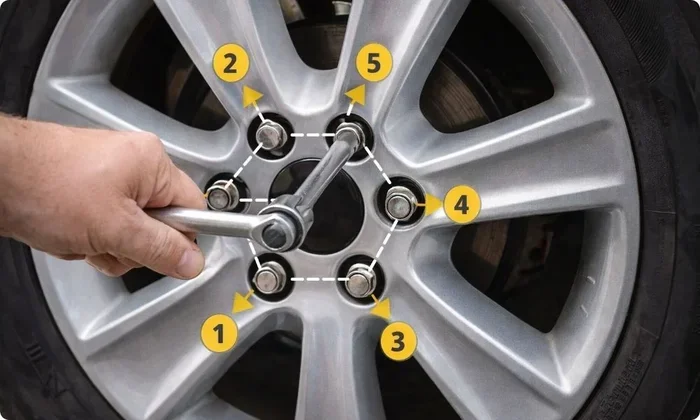
When you re-tighten your lug nuts, always follow the cross pattern. This means tightening opposite nuts in sequence. This ensures even pressure on the wheel. An uneven tightening pattern causes wobbling and can lead to premature wear on the wheel bearing.
Skipping the Anti-Seize Compound
One of the biggest mistakes is never using anti-seize compound. When you install new lug nuts or replace a wheel, apply a thin layer of anti-seize to the threads. This prevents metal-to-metal fusion. It makes future removal much easier. A small tube of anti-seize costs just a few dollars and lasts for many applications.
Using an Impact Wrench First
Many people grab an impact wrench right away. While it is powerful, it can also damage the stud if the nut is severely stuck. Always start with the gentlest method first. Work your way up to more aggressive tools only if needed.
How to Prevent Lug Nuts from Seizing in the Future
Prevention is always easier than cure. Here are simple habits that keep your lug nuts in good shape.
Apply Anti-Seize Compound Every Time
Whenever you remove or install lug nuts, apply anti-seize compound to the threads. A thin, even layer is all you need. Do not use too much. Excess compound can attract dirt and debris. A little goes a long way.
Use a Torque Wrench
A torque wrench ensures you tighten lug nuts to the correct specification. Over-tightening causes the threads to stretch and seize. Under-tightening is dangerous because the wheel can come off while driving. Check your vehicle manual for the exact torque spec. For most cars, it is between 80 and 100 foot-pounds.
Inspect Lug Nuts Regularly
Make it a habit to inspect your lug nuts every few months. Look for signs of rust or corrosion. Check that none of the nuts are loose. Catching a problem early prevents it from becoming a stuck lug nut emergency.
Keep Your Car Dry When Possible
Moisture is the enemy of metal. If you live in a coastal area or a place that uses road salt, wash your car regularly. Pay special attention to the wheel wells and the area around the lug nuts. A clean car resists rust better than a dirty one.
Replace Damaged Studs Immediately
If you notice a damaged or stripped wheel stud, replace it right away. Driving with a damaged stud puts stress on the remaining studs. It also makes it harder to remove the lug nuts later. A new stud is inexpensive and easy to install with basic tools.
When to Call a Professional
There are times when you should not try to remove stuck lug nuts on your own. If the lug nut is badly stripped and none of the removal methods work, it is time to call a mechanic. If you suspect the wheel bearing is damaged, a professional should inspect it. And if you have tried everything and the nut still will not move, forcing it further can cause expensive damage.
A mechanic has specialized tools like hydraulic lifts and professional-grade impact guns. They also have experience with difficult removal jobs. Sometimes paying for professional help saves you money in the long run by preventing costly mistakes.
However, most stuck lug nut situations can be solved at home. With patience and the right approach, you will get that wheel off in no time.
Quick Tips for Success
- Always let your car cool down before trying to remove lug nuts after driving.
- Keep a breaker bar and penetrating oil in your trunk at all times.
- Use the correct socket size to avoid rounding off the lug nut.
- Apply penetrating oil multiple times for the best results on rusted nuts.
- Follow the cross pattern when tightening or loosening lug nuts.
- Store anti-seize compound in your garage for easy access during tire changes.
- Inspect your lug nuts every oil change to catch problems early.
FAQ
Can I use a regular wrench instead of a breaker bar?
A regular wrench works for loose lug nuts but lacks the leverage needed for stuck ones. A breaker bar gives you much more turning force without extra effort. It is a small investment that makes a big difference when dealing with seized lug nuts.
How long should I let penetrating oil sit on a stuck lug nut?
At least 15 minutes for light rust. For heavy rust or seized nuts, let it sit for 30 minutes to an hour. Reapplying the oil several times helps it penetrate deeper into the threads. Some people let it soak overnight for the most stubborn cases.
Is it safe to use heat on a stuck lug nut?
Yes, it is safe as long as you are careful. Use a propane torch and direct heat only at the hub area. Keep the flame away from tires, brake lines, and plastic components. Always let the metal cool before trying to remove the nut with tools.
What size socket do I need for most lug nuts?
Most passenger cars use a 17mm or 19mm socket. Trucks and SUVs often require 21mm or 22mm sockets. Check your vehicle owner manual for the exact size. Using the wrong size can damage the lug nut and make removal much harder.
Can over-tightening cause lug nuts to seize?
Yes, absolutely. Over-torquing stretches the threads and creates excessive friction. This makes the nut very difficult to remove later. Always use a torque wrench and follow the manufacturer recommended torque specs for your vehicle.
How do I know if my wheel stud is damaged?
Signs of a damaged wheel stud include visible cracks, stripped threads, or a lug nut that spins freely without tightening. If you notice any of these symptoms, replace the stud immediately. Driving with a damaged stud is dangerous and can lead to the wheel coming loose.
Conclusion
Dealing with stuck lug nuts is frustrating but very manageable. The most important thing to remember is that you do not need to force the problem. Understanding why your lug nuts wont loosen is the first step toward a solution. Whether it is rust, over-torquing, or cross-threading, each cause has a clear fix.
Keep the right tools on hand. A breaker bar, penetrating oil, and anti-seize compound will solve most problems. Take your time. Apply force steadily. And always follow the proper steps for removal and installation.
Loosening stuck lug nuts becomes easy once you know the right approach. With the tips and techniques in this guide, you will handle this common car problem with confidence. Your wheels will be off in no time, and you will be back on the road before you know it. Stay prepared, stay patient, and keep your car running strong.