Where Can I Charge My Electric Car At Home Or On The Go
Where can I charge my electric car? You have more options than ever — from the comfort of your own garage to busy public stations on the road. This guide covers home charging setups, public EV charging networks, and everything in between. You will learn about Level 1 and Level 2 chargers, DC fast charging, and how to find the best station near you.
If you own or are thinking about buying an electric vehicle, one question comes up fast. Where can I charge my electric car? The good news is that you have plenty of choices. You can plug in at home, at work, or at stations you find while driving. The charging world has grown a lot in just a few years.
Today, there are thousands of public charging points across the country. Home charging stations are more affordable than ever. And new technology makes the whole process quick and simple. This guide will walk you through every option so you feel confident about keeping your car powered up.
We will cover home setups, public stations, charging speeds, costs, and practical tips. Whether you are new to EVs or just looking for better options, you will find useful information here. Let us get into it.
Key Takeaways
- Home charging is the most convenient way to keep your EV ready every morning.
- Level 2 home stations charge your car much faster than a standard outlet.
- Public charging networks are growing fast and cover most major routes.
- DC fast chargers can add 100+ miles of range in under 30 minutes.
- Charging costs are lower than gas in almost every case.
- Using the right cable and adapter matters for compatibility and speed.
- Planning road trips is easier now with apps that show real-time station availability.
📑 Table of Contents
- Charging Your Electric Car At Home
- Charging On The Go – Public Stations
- How To Find Charging Stations Near You
- Home Charging Setup – What You Need
- Charging Costs And Time Comparison
- Common Mistakes To Avoid When Charging
- Charging On Road Trips – A Practical Guide
- The Future Of EV Charging
- Conclusion
Charging Your Electric Car At Home
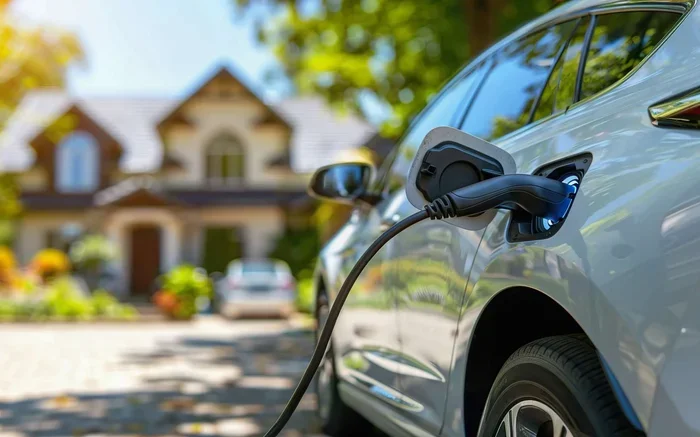
Home charging is the easiest and most affordable way to power your EV. You plug in when you arrive home and wake up with a full battery every morning. Most EV owners charge at home because it is convenient and saves money over time.
Setting up a home charging station is simpler than you might think. You do not need a garage either. An outdoor outlet or a wall-mounted charger works great. The key is choosing the right charging equipment for your needs.
Level 1 Charging – The Basic Option
Every electric car comes with a Level 1 charging cable. This cable plugs into a standard 120-volt household outlet. You do not need any special equipment. Just connect the cable and your car starts charging.
But Level 1 charging is slow. It adds about 3 to 5 miles of range per hour. That means a full charge can take 40 to 50 hours. This option works best for plug-in hybrids or if you drive very short distances each day.
For most full EV owners, Level 1 is not enough. It is a good backup option, but you will likely want something faster.
Level 2 Charging – The Best Home Setup
A Level 2 home charging station is the gold standard for EV owners. It uses a 240-volt outlet, the same type your dryer or oven uses. Level 2 charging adds 25 to 30 miles of range per hour. A full charge takes about 4 to 8 hours.
You can have a Level 2 station installed in your garage, carport, or even outdoors on a wall. Many EV manufacturers sell their own wall connectors. Brands like Tesla, Ford, and GM offer proprietary charging units that work great with their vehicles.
The cost of a Level 2 charger ranges from $400 to $800 for the unit itself. Installation by a licensed electrician typically costs another $500 to $1,500 depending on your electrical panel and wiring needs.
Quick Tip: Check if your state or utility company offers rebates for home EV charger installation. Many do, and it can save you hundreds of dollars.
Smart Chargers And App Connectivity
Modern home chargers come with smart features. You can schedule charging times through a phone app. This lets you charge during off-peak electricity hours when rates are lower. Some chargers also track your energy usage and charging history.
Smart charging is a great way to save even more money. It also helps the power grid by spreading out demand. If you care about efficiency and cost savings, look for a charger with app support.
Charging On The Go – Public Stations
One of the biggest concerns for new EV owners is range anxiety. That is the worry of running out of charge before reaching your destination. Public charging stations ease that worry a lot.
Today, public charging is available in cities, suburbs, highways, and even rural areas. The network keeps expanding every month. You can find stations at shopping centers, grocery stores, parking garages, and rest stops.
DC Fast Charging – Quick Power On The Road
DC fast charging is the fastest way to charge your car while traveling. These stations use high-powered equipment that delivers energy directly to your battery. A DC fast charger can add 100 to 200 miles of range in just 20 to 30 minutes.
The most well-known DC fast charging networks include:
- Tesla Superchargers – Tesla’s own network. Now opening to some non-Tesla EVs with an adapter.
- Electrify America – One of the largest public DC fast charging networks in the US.
- EVgo – Offers fast charging in many urban and suburban areas.
- ChargePoint – Has both Level 2 and DC fast charging options across the country.
- Blink Charging – Growing network with stations in many states.
Not all EVs can use every fast charger. The connector type matters. Most non-Tesla EVs use the CCS (Combined Charging System) connector. Tesla vehicles use their own proprietary plug but can use CCS with an adapter. Always check your car’s charging port compatibility before relying on a station.
Quick Tip: Use apps like PlugShare, A Better Route Planner, or the charging network apps to find real-time station availability and pricing.
Destination Charging – Charge While You Shop Or Dine
Destination chargers are Level 2 stations placed at places where you spend time. Think hotels, restaurants, shopping malls, and movie theaters. You plug in while you eat dinner or sleep at a hotel. By the time you leave, your car has gained several hours of charge.
Destination charging is not meant for fast top-ups. It is ideal for extending your range during longer trips or while running errands. Many hotels now offer EV charging as a guest amenity. You can find these stations on booking sites and charging apps.
This type of charging is perfect for overnight stays too. Imagine arriving at a hotel, plugging in your car, and waking up to a full battery. It makes road trips much less stressful.
How To Find Charging Stations Near You
Finding a charging station is easier today than it has ever been. Multiple tools and apps make the process simple and fast.
Here are the best ways to locate EV charging stations:
- PlugShare App – Shows stations worldwide with user reviews and photos. You can filter by connector type and charging speed.
- Google Maps – Just search “EV charging stations near me.” Results show real-time availability and directions.
- Charging Network Apps – Each network like ChargePoint or Electrify America has its own app with station maps.
- Your Car’s Navigation System – Most modern EVs have built-in charging station maps. They show compatible stations and current availability.
- AAA Mobile App – Offers a trip planning tool that includes charging stops for EV drivers.
Before you hit the road, plan your charging stops. Map out stations along your route and check reviews. This helps you avoid full stations or broken chargers. A little planning goes a long way toward stress-free driving.
Home Charging Setup – What You Need
Setting up a home charging station does not have to be complicated. Here is what you need to know before you get started.
Step 1: Check Your Electrical Panel
Most homes have a 200-amp electrical panel, which is enough for a Level 2 charger. Older homes may have 100-amp panels, which might still work but could need an upgrade. A licensed electrician can assess your panel and recommend the right setup.
Step 2: Choose Your Charger
There are many Level 2 chargers on the market. Popular brands include ChargePoint, JuiceBox, Wallbox, and ClipperCreek. Look for a charger that is compatible with your vehicle and offers the features you want, like Wi-Fi connectivity or scheduling.
Step 3: Get Professional Installation
Hire a licensed electrician for the installation. They will mount the charger, run the wiring, and make sure everything meets local electrical codes. Installation typically takes 2 to 4 hours depending on the complexity.
Key Takeaway: A proper home charging setup makes EV ownership effortless. You wake up every morning with a full car and never need to visit a gas station.
Charging Costs And Time Comparison
Understanding charging costs helps you budget and save money. EV charging is almost always cheaper than gasoline. Here is a closer look at the numbers.
Home Charging Costs
The average cost of electricity in the US is about $0.15 per kilowatt-hour. A typical EV uses around 0.3 kWh per mile. That means charging at home costs roughly $0.045 per mile. For comparison, the average gas car costs about $0.12 per mile in fuel.
Over a year, EV owners save hundreds or even thousands of dollars on fuel. The savings add up fast, especially with home solar panels.
Public Charging Costs
Public charging costs vary widely. Some networks charge a flat fee per session, while others bill by the minute or per kWh. DC fast charging tends to cost more than home charging but is still usually cheaper than gas.
Many charging networks offer membership plans that reduce the per-session cost. Check the pricing details before you start a session to avoid surprises.
Charging Time Comparison Table
- Level 1 (120V): Adds 3-5 miles of range per hour. Full charge in 40-50 hours.
- Level 2 (240V): Adds 25-30 miles of range per hour. Full charge in 4-8 hours.
- DC Fast Charging (480V): Adds 100-200 miles of range in 20-30 minutes. 80% charge in 30-45 minutes.
Use this table to plan your charging strategy. Home Level 2 handles your daily needs. DC fast charging is your best friend for road trips and quick top-ups.
Common Mistakes To Avoid When Charging
Even experienced EV drivers sometimes make charging mistakes. Here are a few to watch out for.
- Relying only on DC fast charging: Frequent fast charging can reduce battery health over time. Use it for travel, not daily charging.
- Ignoring off-peak electricity rates: Charging during peak hours costs more. Schedule your home charging for late night or early morning.
- Not checking connector compatibility: Always confirm that the station has the right connector for your car before driving over.
- Forgetting to update charging apps: Station availability changes often. Keep your apps updated for accurate information.
- Leaving cables plugged in after charging: This blocks other drivers from using the station. Unplug once your car is full.
Expert Insight: EV expert John Voelcker from Green Car Reports says, “The biggest mistake new EV owners make is not establishing a home charging routine. Once you plug in every night, charging becomes second nature and range anxiety disappears.”
Charging On Road Trips – A Practical Guide
Road trips in an electric vehicle are more fun than you might expect. With a little planning, you can enjoy the drive without worrying about charge.
Start by mapping your route using a trip planning tool. Apps like A Better Route Planner calculate charging stops based on your car’s battery size and range. They factor in elevation, weather, and driving speed for accurate estimates.
Plan to stop every 150 to 200 miles for a DC fast charging session. Use that time to stretch your legs, grab a meal, or explore a nearby attraction. Most fast chargers take 20 to 40 minutes to reach 80% battery. That is a perfect break time.
Keep a charging adapter in your trunk. Different stations use different connector types, and having the right adapter saves you from awkward situations.
Also, download multiple charging network apps. Not every station belongs to one network. Having ChargePoint, Electrify America, and PlugShare on your phone gives you the best coverage.
Quick Tip: Charge to 80% instead of 100% at fast chargers. Charging slows down significantly after 80%, so stopping at 80% saves you time on the road.
The Future Of EV Charging
The EV charging experience is getting better every year. New technology promises even faster speeds, wider availability, and simpler payment methods.
Ultra-fast chargers that deliver 350 kW of power are already rolling out. These can add hundreds of miles of range in just 15 minutes. As battery technology improves, cars will accept even more power, making charging times shorter.
Wireless charging is also on the horizon. Some manufacturers are testing pads that charge your car without plugging in. You just park over the pad, and charging begins automatically.
Government investment is driving infrastructure growth too. The Biden administration allocated billions for building new charging stations across the US. This means more stations in rural areas and along highways in the coming years.
The goal is simple: make EV charging as easy as filling up a gas tank. And we are getting closer every year.
Conclusion
So, where can I charge my electric car? The answer is almost everywhere. You can charge at home with a Level 2 station, at public stations during your day, or on fast chargers during road trips. The options are plentiful and growing every year.
Home charging remains the most convenient and cost-effective choice for daily use. Public charging networks make longer trips easy and stress-free. With the right tools and a little planning, EV ownership is simpler than ever.
Start by setting up a home charger if you can. Use public stations when you need a quick top-up. And always keep a charging app on your phone. Once you get into the rhythm of EV charging, you will wonder how you ever lived without it.
Charge smart, drive far, and enjoy the journey. Your electric car gives you freedom, savings, and a cleaner ride. Make the most of it by knowing your options and charging with confidence.
Frequently Asked Questions
Can I charge my electric car using a regular household outlet?
Yes, you can use a standard 120V outlet with the Level 1 cable that comes with your car. However, charging is very slow, adding only 3 to 5 miles of range per hour. It works for overnight top-ups but is not ideal for daily use with a full EV.
How much does it cost to install a home EV charging station?
The charger unit itself costs between $400 and $800. Professional installation typically runs $500 to $1,500 depending on your electrical setup. Many utility companies and states offer rebates that can reduce the total cost significantly.
How long does it take to charge an electric car at a public station?
It depends on the charger type. Level 2 public stations take 4 to 8 hours for a full charge. DC fast chargers can reach 80% battery in 20 to 45 minutes. The exact time varies by your car’s battery size and the charger’s power output.
Is public EV charging more expensive than charging at home?
Usually yes. Public charging costs more per kWh than home electricity rates. DC fast charging is the most expensive option. But even at public prices, charging an EV is generally cheaper than filling up a gas tank.
Do I need a special adapter to use different charging stations?
It depends on your car and the station. Most non-Tesla EVs use the CCS connector. Tesla vehicles use their own plug but can use CCS with an adapter. Keeping a universal adapter in your car helps you use stations with different connector types.
Will frequent fast charging damage my EV battery?
Occasional fast charging is fine and will not cause noticeable damage. However, relying on DC fast charging every day may slightly reduce battery longevity over time. For daily use, Level 2 home charging is gentler on the battery and the better choice.
=== CONCLUSION ===
Where can I charge my electric car? The answer covers your home, your neighborhood, and the open road. With home charging stations, public networks, and fast chargers, EV owners have more flexibility than ever before. Set up a Level 2 home charger for your daily routine. Use public charging stations and DC fast chargers when you travel. Keep a charging app handy and plan your stops ahead of time.
Charging an electric car is simple, affordable, and convenient. Once you make it part of your routine, you will never look back. Start exploring your options today and enjoy the benefits of clean, efficient EV driving.