What to Do When a Car Overheats and How to Fix It Fast
Knowing what to do when a car overheats can save you hundreds in repairs and keep you safe on the road. This guide walks you through immediate steps, common causes, DIY fixes, and prevention tips so you can handle any overheating emergency with confidence. Whether your temperature gauge is climbing or steam is billowing from the hood, you will find the answers you need right here.
There is nothing more stressful than watching your temperature gauge climb into the red zone while you are driving. Your heart races, your palms get sweaty, and suddenly every mile feels like a countdown. But here is the good news — knowing what to do when a car overheats turns panic into a plan. You do not need to be a mechanic to handle this situation. With the right steps, you can protect your engine and get back on the road safely.
Car overheating happens to millions of drivers every year. It can strike on a hot summer day, during rush hour traffic, or even on a quiet country road. The causes range from simple fixes like low coolant to serious problems like a failed water pump. This guide gives you everything you need to handle an overheating car like a pro. You will learn exactly what to do in the first few minutes, how to figure out what went wrong, and how to keep it from happening again.
Key Takeaways
- Pull over safely and turn off the engine immediately to prevent permanent engine damage from overheating.
- Never open the radiator cap while the engine is hot because pressurized coolant can cause severe burns.
- Check coolant levels, radiator hoses, and the thermostat to identify the most common causes of car overheating.
- Know when to call a tow truck instead of trying to drive the car to a mechanic.
- Regular maintenance keeps your cooling system healthy and prevents most overheating problems before they start.
- Watch for warning signs early like a rising temperature gauge, steam from the hood, or a sweet smell from the engine bay.
- Keep emergency supplies in your car including coolant, water, and a basic toolkit for roadside emergencies.
📑 Table of Contents
Why Cars Overheat
Your car’s engine generates a tremendous amount of heat while running. The cooling system is designed to keep temperatures in a safe range. When something goes wrong with that system, the engine temperature rises fast. Understanding the most common causes helps you spot problems early and take action before major damage occurs.
Common Causes of an Overheating Engine
Several issues can cause your car to overheat. Some are easy and cheap to fix. Others need professional attention. Here are the most common reasons your engine might be running hot:
- Low coolant level — Coolant, also called antifreeze, is the lifeblood of your cooling system. When levels drop, the engine cannot stay cool.
- Coolant leaks — Leaks can happen in the radiator, hoses, water pump, or heater core. Even a small leak leads to big problems over time.
- Thermostat failure — The thermostat controls coolant flow. When it sticks closed, coolant cannot circulate and heat builds up fast.
- Radiator problems — A clogged or damaged radiator cannot release heat properly. This is one of the top reasons cars overheat in summer.
- Broken water pump — The water pump moves coolant through the engine. Without it, heat has nowhere to go.
- Faulty cooling fan — The fan pulls air through the radiator at low speeds. If it fails, your car can overheat in traffic.
- Blown head gasket — This is a serious issue where the seal between the engine block and cylinder head fails. It causes coolant to mix with oil.
- Blocked hoses — Old coolant can leave deposits inside radiator hoses, restricting flow and causing overheating.
Each of these problems affects your engine differently. Some cause slow, gradual overheating. Others cause a sudden spike in engine temperature. The key is catching the signs early and responding quickly.
Immediate Steps to Take When Your Car Overheats
When you notice your car overheating, every second counts. Your immediate actions can mean the difference between a minor repair and a completely wrecked engine. Follow these steps in order to protect yourself and your vehicle.
Step 1: Pull Over Safely
Turn on your hazard lights and find a safe spot to stop. Avoid stopping on curves or blind hills if possible. Pull onto the shoulder, a parking lot, or any flat surface away from traffic. Do not try to drive another mile with the temperature gauge in the red.
Step 2: Turn Off the Engine
Once you are safely stopped, shut the engine off. This stops the heat generation and gives the cooling system a chance to work on its own. Wait at least five to ten minutes before opening anything under the hood.
Step 3: Do Not Open the Radiator Cap
This is critical. The cooling system is pressurized, and opening the cap while the engine is hot releases scalding steam and coolant. It can cause severe burns to your face, hands, and arms. Wait until the engine has cooled significantly before touching anything.
Step 4: Check for Visible Problems
After waiting, pop the hood and look for obvious issues. Do you see steam coming from under the hood? Is there a puddle of green, orange, or pink fluid underneath the car? Check the radiator hoses for cracks or disconnections. Use a towel or rag to carefully feel the upper radiator hose — but only if the engine has cooled enough.
Step 5: Call for Help If Needed
If you cannot identify the problem or the engine is extremely hot, call for roadside assistance. Driving an overheated engine even a short distance can cause catastrophic engine damage. A tow truck is always the safer choice when you are unsure.
Quick Tip: Keep a pair of heavy-duty gloves and a small towel in your trunk. These simple items can protect your hands when you need to check anything under the hood.
What NOT to Do When a Car Overheats
There are several things drivers do that make overheating situations much worse. Avoid these common mistakes:
- Do not keep driving — Even a few more minutes can warp engine components and cause irreversible damage.
- Do not pour cold water directly onto a hot engine — The sudden temperature change can crack the engine block and warp metal parts.
- Do not ignore the temperature gauge — Many drivers notice the gauge climbing but keep driving. This is the fastest way to destroy an engine.
- Do not open the radiator cap too soon — Pressurized hot coolant can spray out and cause serious burns.
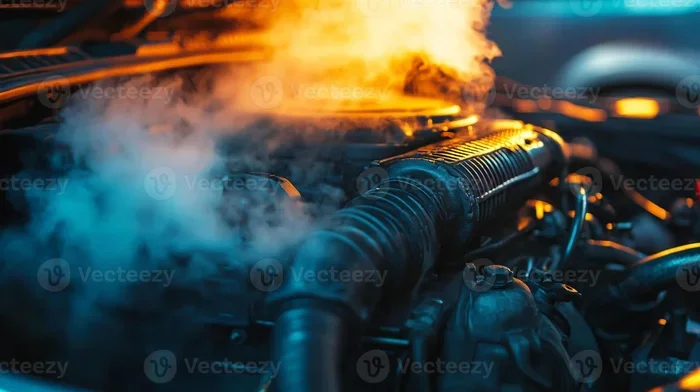
- Do not ignore steam or smoke — These are clear signals that something is wrong. Pull over immediately.
Avoiding these mistakes protects you from injury and saves your engine from further harm. Simple discipline in a stressful moment makes a huge difference.
How to Diagnose the Problem
Once the engine has cooled down, you can start diagnosing what caused the overheating. Most car overheating problems come from a handful of common issues. A systematic check helps you narrow down the cause quickly.
Check the Coolant Level
Open the coolant reservoir tank and look at the fluid level. If it is low or empty, you have found your problem. Top it off with the correct type of coolant for your vehicle. You can also use distilled water as a temporary measure, but get proper coolant added as soon as possible.
Low coolant usually means there is a leak somewhere. Look under the car for puddles. Check the radiator hoses for wet spots or dripping. The water pump area is another common leak point. If you see coolant on the ground after parking, you have found your leak.
Inspect the Radiator and Hoses
Look closely at the radiator and all connected hoses. Cracks, bulges, or soft spots on hoses indicate they are failing. Squeeze the hoses gently when the engine is cold. They should feel firm but flexible. If they feel hard, brittle, or spongy, they need to be replaced.
Check the radiator cap too. A worn cap cannot maintain proper pressure in the cooling system. This leads to coolant boiling at lower temperatures and eventual overheating. Radiator caps are inexpensive and easy to replace.
Check the Temperature Gauge and Sensor
Sometimes the problem is not the cooling system at all — it is the gauge itself. A faulty temperature sensor or a broken gauge can give false readings. If you suspect this, have a mechanic run a diagnostic check on your car’s computer system.
Listen for Unusual Sounds
An overheating engine often makes unusual noises. Listen for knocking, pinging, or gurgling sounds from the engine bay. These sounds can indicate air pockets in the cooling system, a failing water pump, or a more serious internal problem like a head gasket issue.
Expert Insight: A sweet smell coming from the engine area often signals a coolant leak. Coolant has a distinct sweet odor that is easy to recognize once you know it. If you smell something sweet while driving, pull over and check your coolant level immediately.
How to Fix an Overheating Car
Some overheating fixes are simple enough to do at home. Others require a professional mechanic. Understanding which is which saves you time and money. Here is a breakdown of fixes based on the severity of the problem.
Quick Fixes You Can Do Yourself
If the cause is simple, you might be able to fix it on the spot. These DIY solutions work for many common overheating situations:
- Top off the coolant — If the level is low, adding coolant often solves the problem right away. Use a 50/50 mix of coolant and distilled water for best results.
- Replace a broken radiator hose — A burst hose is one of the most common reasons for sudden overheating. Carry a spare hose and clamps in your trunk for emergencies.
- Replace the radiator cap — A faulty cap costs just a few dollars and takes seconds to swap out.
- Clear debris from the radiator — Bugs, leaves, and dirt can block airflow through the radiator. A gentle spray from a garden hose can clear the blockage.
- Reset the thermostat — Sometimes the thermostat gets stuck. Tapping it gently with a wrench can free it up temporarily.
These quick fixes address the most common cooling system problems. They work well as temporary solutions until you can get a proper repair done.
When to Call a Mechanic
Some overheating problems are beyond DIY fixes. You should call a professional mechanic if you experience any of the following:
- The engine temperature keeps rising even after adding coolant.
- You see white smoke from the exhaust — this often indicates a head gasket problem.
- Coolant mixes with engine oil — this creates a milky brown substance under the oil cap.
- The water pump is leaking — water pump repairs require specialized tools and knowledge.
- The engine makes loud knocking sounds — this suggests internal damage that needs immediate attention.
- The temperature gauge fluctuates wildly — this points to a complex issue that needs professional diagnosis.
Trying to repair serious engine problems yourself can make things worse and cost more in the long run. A trusted mechanic can diagnose the real issue and provide a lasting fix. Always err on the side of caution with engine overheating problems.
Common Mistakes: Many drivers try to keep driving to the nearest mechanic when the car overheats. This is the single worst thing you can do. Even a few minutes of driving with an overheated engine can cause the head gasket to fail, pistons to warp, or the engine block to crack. The cost of a tow truck is nothing compared to a new engine.
Preventing Future Overheating
The best way to deal with an overheating car is to prevent it from happening in the first place. Regular maintenance and simple habits keep your cooling system working at its best all year long.
Regular Maintenance Checklist
Follow this simple checklist to keep your engine running cool and prevent most overheating issues:
- Check coolant levels monthly — Make it a habit to glance at the coolant reservoir every time you fill up with gas.
- Flush and replace coolant every 30,000 miles — Old coolant loses its effectiveness over time and can cause buildup in the system.
- Inspect hoses and belts every oil change — Look for cracks, swelling, or soft spots. Replace anything that looks worn.
- Test the radiator cap annually — A simple pressure tester at any auto parts store can check if the cap holds proper pressure.
- Keep the radiator clean — Hose down the front of the radiator during car washes to remove bugs and debris.
- Monitor the temperature gauge — Always keep an eye on your temperature gauge while driving. Catching a slow rise early gives you time to react.
- Replace the thermostat every 50,000 miles — Thermostats are inexpensive and wear out over time. Replacing them proactively prevents failures.
- Check the cooling fan operation — Make sure the fan kicks on when the engine reaches normal operating temperature.
Sticking to a regular maintenance schedule is the single most effective way to prevent car overheating. It takes just a few minutes each month and saves you from expensive repairs down the road.
Seasonal Tips for Summer Driving
Summer heat puts extra stress on your car’s cooling system. Follow these seasonal tips to stay safe during the hottest months:
- Use a 50/50 coolant mix — This provides the best protection against both freezing and boiling.
- Carry extra coolant in your trunk — A half-gallon bottle can save you if you run low on a hot day.
- Avoid heavy braking in traffic — Excessive braking generates extra heat, especially in stop-and-go traffic.
- Use your heater to help cool the engine — If your temperature starts climbing, turning on the heater pulls heat away from the engine. It is not comfortable, but it works in an emergency.
- Park in the shade whenever possible — A cooler engine starts under less stress on hot days.
Quick Tip: If you notice your car overheating in traffic on a hot day, turn off the air conditioning and roll down the windows. The A/C puts extra load on the engine and generates more heat. Switching it off gives the cooling system a break.
Understanding Your Car’s Cooling System
A basic understanding of how the cooling system works helps you troubleshoot problems faster. The system has several key components that all work together to keep your engine at the right temperature.
The water pump circulates coolant through the engine block and cylinder head. It is driven by a belt and runs whenever the engine is on. The thermostat regulates coolant flow by opening and closing based on engine temperature. When the engine is cold, the thermostat stays closed to help the engine warm up quickly. Once the engine reaches operating temperature, the thermostat opens and allows coolant to flow through the radiator.
The radiator is where heat transfer happens. Hot coolant flows through the radiator, and air passing through the fins cools it down. The cooling fan pulls air through the radiator when the car is moving slowly or idling. The radiator cap maintains pressure in the system, which raises the boiling point of the coolant and improves cooling efficiency.
All of these parts must work together for the system to function properly. When one part fails, the entire cooling system suffers. This is why regular inspection of every component matters.
Expert Insight: Many drivers do not realize that the coolant reservoir tank is just a holding tank. The real coolant circulates through the engine and radiator. When you check coolant levels, always check the reservoir when the engine is cold. Checking it while hot gives inaccurate readings and can be dangerous.
How to Handle Overheating on the Highway
Overheating on the highway is especially stressful because you are moving fast and traffic can be heavy. Here is how to handle this specific situation safely.
First, turn on your hazard lights and move to the right lane. Signal and gradually slow down. Do not slam on the brakes. Find an exit, rest area, or shoulder where you can pull over safely. Once stopped, follow the same steps outlined earlier — turn off the engine, wait for it to cool, and check for visible problems.
If you are far from help, call a tow truck or roadside assistance service. Do not attempt to drive to the next exit if the temperature gauge is still in the red. The few extra minutes of driving can turn a simple repair into an engine replacement.
Carrying an emergency kit in your vehicle makes highway overheating situations much easier to handle. Include extra coolant, a gallon of water, a flashlight, basic tools, and a phone charger. These items give you the tools you need to handle unexpected problems on the road.
Cost of Repairing an Overheated Engine
The cost of fixing an overheated engine varies widely depending on the damage. Minor issues like a low coolant level or a broken hose cost very little to repair. A new radiator hose might set you back $50 to $100. A radiator cap costs around $15 to $30.
More serious problems cost significantly more. A water pump replacement typically runs between $300 and $750. A thermostat replacement costs around $150 to $300. A radiator repair or replacement can range from $300 to $900 depending on the vehicle.
But the real cost comes when overheating causes major engine damage. A blown head gasket repair can cost $1,000 to $2,000. A cracked engine block or warped head can require a full engine replacement costing $3,000 to $7,000 or more. This is why responding quickly to overheating warnings is so important. The faster you act, the less it costs.
| Repair Type | Estimated Cost Range | Severity |
|---|---|---|
| Top off coolant | $0 – $20 | Low |
| Replace radiator hose | $50 – $100 | Low |
| Replace radiator cap | $15 – $30 | Low |
| Replace thermostat | $150 – $300 | Medium |
| Water pump replacement | $300 – $750 | Medium |
| Radiator repair/replacement | $300 – $900 | Medium-High |
| Head gasket replacement | $1,000 – $2,000 | High |
| Engine replacement | $3,000 – $7,000+ | Critical |
As you can see, the cost jumps dramatically when overheating damage goes unchecked. Regular maintenance and quick responses to warning signs keep repair costs low and your engine healthy.
Key Takeaways
- Know what to do when a car overheats: pull over, turn off the engine, and wait before opening the hood.
- Never ignore warning signs like a rising temperature gauge, steam, or unusual smells from the engine bay.
- Check your coolant level regularly and top it off with the correct type of coolant.
- Inspect hoses, belts, and the radiator cap as part of your routine car maintenance schedule.
- Know when to call a professional mechanic instead of attempting complex repairs yourself.
- Prevention is always cheaper than repair — a little regular maintenance saves thousands in engine repair costs.
- Keep emergency supplies in your car including coolant, water, and basic tools for roadside emergencies.
Handling a car overheating situation is all about staying calm and acting quickly. When you know exactly what to do, you protect your engine, your wallet, and your safety. The steps are simple — pull over, turn off the engine, let it cool, and then diagnose the problem. Do not let fear or uncertainty keep you from taking action.
Regular maintenance is your best defense against overheating. Check your coolant, inspect your hoses, and listen to your car. If something sounds or feels different, investigate it right away. A few minutes of attention each month can prevent most overheating problems before they start.
Remember, your car’s cooling system works hard every time you drive. Give it the care it deserves, and it will keep your engine running smoothly for years to come. Stay prepared, stay informed, and never ignore the signs of an overheating engine. Your car — and your wallet — will thank you.
What are the first signs that my car is overheating?
The first signs include a rising temperature gauge on your dashboard, steam or smoke coming from under the hood, a sweet smell from the engine bay, and unusual noises like knocking or gurgling. If you notice any of these signs, pull over safely and turn off the engine immediately to prevent damage.
Can I drive my car after it overheats?
You should not drive your car after it overheats until you have identified and fixed the problem. Driving an overheated engine can cause serious damage like a blown head gasket, warped pistons, or a cracked engine block. Have the car towed to a mechanic if needed.
How long should I wait before opening the hood?
Wait at least 10 to 15 minutes after turning off the engine before opening the hood. The engine and coolant system will be extremely hot and pressurized. Opening them too early can cause burns from steam and hot coolant spraying out.
What type of coolant should I use?
Always use the coolant type recommended by your vehicle manufacturer. Check your owner’s manual for the correct specification. Using the wrong type of coolant can cause corrosion and reduce the effectiveness of your cooling system.
How often should I check my coolant level?
Check your coolant level at least once a month and before any long road trips. Make sure to check it when the engine is cold for an accurate reading. Low coolant levels are the most common cause of car overheating.
Is it safe to add water to the radiator in an emergency?
Adding plain water is safe as a temporary emergency measure when you are low on coolant. However, water does not provide the same protection as proper coolant. It can freeze in cold weather and boil at lower temperatures. Replace it with the correct coolant mixture as soon as possible.
Frequently Asked Questions
What is What to Do When a Car Overheats?
What to Do When a Car Overheats is an important topic with many practical applications.