What Is the Biggest Downside to Leasing a Car Explained
The biggest downside to leasing a car is that you never own the vehicle, which means you pay for its fastest depreciation with no equity to show for it. Mileage limits, wear-and-tear fees, and early termination penalties add hidden costs that catch many drivers off guard. Understanding these disadvantages upfront helps you decide whether leasing or buying is truly the better financial move.
This is a comprehensive guide about What Is the Biggest Downside to Leasing a Car.
Key Takeaways
- No Ownership Equity: You pay monthly but never build any asset or equity in the vehicle.
- Mileage Caps Cost Extra: Exceeding annual mileage limits leads to expensive per-mile charges at lease end.
- Wear-and-Tear Fees Are Real: Even normal use can trigger costly deductions when you return the car.
- Early Termination Is Expensive: Breaking a lease early often costs as much as paying the remaining balance.
- Lease Payments Never End: Unlike buying, you will always have a car payment if you keep leasing.
- Customization Is Limited: You cannot modify or personalize a leased vehicle without violating the contract.
- Gap Insurance Matters: Without it, you could owe more than the car is worth if it gets totaled.
[FEATURED_IMAGE_PLACEHOLDER]
What Is the Biggest Downside to Leasing a Car?
When you are shopping for a new ride, leasing a car looks tempting. Lower monthly payments, flashy new models every few years, and minimal upfront costs make it an appealing choice. But here is the truth that many people overlook. The biggest downside to leasing a car is that you never actually own anything at the end of it.
You drive the vehicle, you enjoy it, you make payments every month, and then you hand the keys back. No equity. No asset. Nothing to show for hundreds or even thousands of dollars spent. That is the core problem with leasing, and it affects every other disadvantage that comes with it.
Now, leasing is not all bad. It works great for some people in specific situations. But if you do not fully understand what you are giving up, you could end up spending far more than you planned. This guide breaks down every major drawback so you can make a smart, informed decision.
The Core Problem: You Never Build Equity
When you buy a car, each payment brings you closer to ownership. Even though the vehicle loses value over time, you still own something at the end. With a lease, that simply does not happen. You are essentially renting someone else’s asset and paying for its depreciation.
Think about it this way. A new car loses about 20% of its value in the first year and roughly 15% more each year after that. When you lease, your monthly payment covers that exact depreciation. You are paying the car to lose value, month after month.
How Depreciation Hurts Lease Customers
Let us say you lease a car worth $40,000. Over a three-year lease, it might drop to $25,000 in value. Your payments cover that $15,000 loss, plus fees and interest. At the end of the lease, the car belongs to the dealership. You walk away with nothing tangible.
Compare that to buying. If you financed that same $40,000 car and paid it off over five years, you would own a vehicle still worth $25,000 or more. That is real equity. That is a financial safety net you can sell, trade, or keep driving.
This is why the biggest downside to leasing a car hits so hard for people who think long-term. Every lease payment is gone the moment you make it. There is no return on that investment.
Mileage Limits Can Cost You a Fortune
Most standard car leases come with a mileage cap, usually around 10,000 to 15,000 miles per year. If you go over that limit, you pay a fee for every extra mile. These charges typically range from 15 to 30 cents per mile, and they add up fast.
For someone who commutes long distances or loves road trips, this can become a serious financial burden. What starts as a small extra cost can turn into hundreds or even thousands of dollars by the time the lease ends.
Real-World Mileage Cost Examples
Imagine you drive 18,000 miles a year on a lease with a 12,000-mile cap. That is 6,000 excess miles per year. At 25 cents per mile over a three-year lease, you would owe $4,500 in mileage overage charges. That is a lot of money for something you could have planned for.
Some leases offer higher mileage limits, but they increase your monthly payment. Others let you purchase extra miles upfront at a discount. The point is, mileage restrictions are one of the hidden costs of leasing that many people underestimate.
If you have a long commute, a growing family, or you simply enjoy driving, buying might make more financial sense. You get the freedom to go wherever you want without worrying about per-mile penalties.
Wear and Tear Charges Add Up Quickly
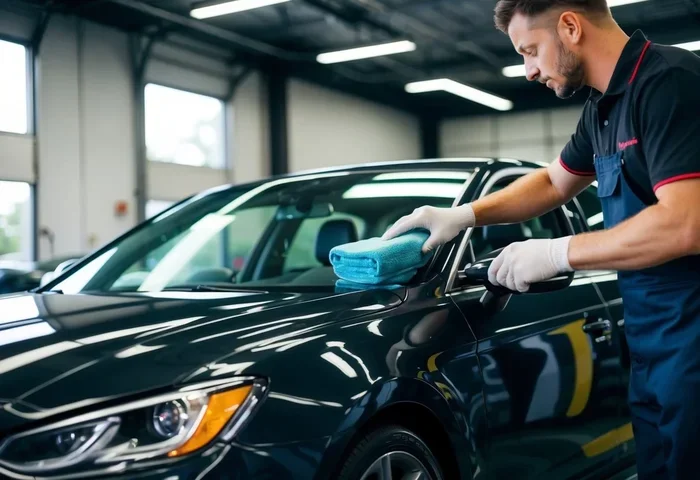
When you own a car, you can drive it however you want. Dents, scratches, worn seats, and dings are all part of life with a vehicle you own. But a leased car has strict condition standards. When you return it, the leasing company inspects it carefully.
Any damage beyond what they consider “normal wear and tear” gets charged to you. These fees can be surprisingly high, and the definition of normal wear is often vague and open to interpretation.
What Counts as Excess Wear and Tear?
Leasing companies typically flag things like:
- Scratches or dents that go beyond minor surface marks
- Torn or stained upholstery that cannot be easily cleaned
- Tire wear that does not match the expected pattern
- Mechanical issues caused by poor maintenance
- Modifications or aftermarket additions that are hard to remove
The problem is that these standards are not always clear before you sign. Leasing companies may charge you for things you consider perfectly normal. This is one of those car lease disadvantages that surprises people who have never leased before.
A good way to protect yourself is to get a pre-return inspection. Know exactly what the leasing company will check for. Document the car’s condition with photos at the start and end of your lease. This simple step can save you from unfair charges.
Early Termination Fees Can Be Brutal
Life is unpredictable. Jobs change, finances shift, and circumstances change. If you need to break your lease early, the costs can be devastating. Early termination is one of the most punishing aspects of leasing.
Most lease agreements charge steep fees for ending the contract before the term is up. These fees often include the remaining balance, early termination penalties, and various administrative charges. In some cases, it costs more to break a lease than to continue making payments.
What Happens If You Need Out?
Some leasing companies offer lease transfer programs. You can find someone to take over your lease, but this process has its own fees and complications. Not all leases are transferable, and finding a qualified buyer takes time and effort.
Another option is to buy out the remaining lease balance and sell the car. But here is the catch. The car’s market value is often less than what you owe. This is where gap insurance becomes important, but even then, you are stuck dealing with a depreciating asset you never wanted to own in the first place.
The inflexibility of a lease is a major reason why the biggest downside to leasing a car matters so much for people with changing life situations.
Lease Payments Never Really Stop
When you buy a car and pay off the loan, your car payment ends. You can keep driving that vehicle for years with no monthly cost beyond insurance, gas, and maintenance. Leasing does not work that way.
If you lease a car every three or four years, you will have a car payment forever. The payments never stop. Over a lifetime, this adds up to a massive amount of money spent on something you never own.
The Long-Term Cost Comparison
Let us look at a simple comparison. Say you lease a car for $350 a month for three years. That is $12,600, and you have nothing to show for it. Then you lease another car. Repeat that cycle for 15 years, and you have spent roughly $63,000 on lease payments alone.
Now imagine you bought a car, paid it off in five years, and drove it for another 10 years with no payment. You would save tens of thousands of dollars and own a vehicle at the end.
This is why financial experts often say that leasing is great for the short term but costly over time. If you value driving new cars and do not mind continuous payments, leasing works. But if you want financial freedom from car payments, buying wins every time.
Limited Customization and Freedom
When you own your car, you can make it yours. New wheels, a sound system upgrade, tinted windows, a custom interior, whatever you want. A leased car is not yours to modify. Any changes must be reversed before you return the vehicle.
This lack of freedom is a real disadvantage for people who take pride in their cars or have specific needs. You cannot add a roof rack, install a dashcam, or even change the wheels without potentially facing charges at lease end.
Why This Matters More Than You Think
Customization is not just about aesthetics. Sometimes it is about functionality. A parent might need a booster seat installed in a specific way. Someone with a disability might need hand controls. A contractor might need a truck bed setup for work tools.
Leasing restricts all of these options. You are essentially driving someone else’s car with your own license plate. The lack of ownership freedom is one of the most overlooked disadvantages of leasing.
Even something as simple as tinting your windows can lead to charges if the leasing company does not approve it beforehand. Always read the lease terms carefully and ask about modification policies before signing.
Gap Insurance and the Risk of Being Underwater
Gap insurance is one of those things most people do not think about until they need it. It covers the difference between what you owe on a lease and what the car is actually worth if it gets stolen or totaled.
Here is why this matters. Cars depreciate fast. In the early months of a lease, you might owe more than the vehicle is worth. If the car is destroyed in an accident, your regular insurance pays the current market value, not what you owe. Without gap insurance, you are responsible for the difference.
Many leases include gap coverage automatically, but not all of them. And some policies have limits or exclusions. This is a hidden risk of leasing that can leave you with a big unexpected bill.
The good news is that gap insurance is relatively affordable. If you do decide to lease, make sure it is part of your agreement or purchase a standalone policy. This one step can save you from a serious financial headache.
Is Leasing Ever Worth It?
Despite all these downsides, leasing is not a terrible choice for everyone. It works well for people who:
- Want a new car every few years without the hassle of selling
- Have predictable, shorter commutes that stay within mileage limits
- Prefer lower monthly payments over long-term ownership
- Like driving under warranty with minimal repair costs
- Can afford to never build equity and accept the costs
The key is understanding what you are giving up. Leasing trades ownership for convenience. That trade-off makes sense for some people and not for others.
If you plan to keep a car for a long time, drive a lot, or want to build equity, buying is almost always the better financial choice. But if your lifestyle fits the lease model, the downsides become manageable.
Common Mistakes People Make When Leasing
Even if leasing makes sense for you, avoiding common mistakes can save you a lot of money and frustration.
1. Not reading the fine print. Lease terms are full of hidden fees, penalties, and conditions. Read every page before you sign.
2. Underestimating mileage needs. Choose a mileage cap that fits your real driving habits, not your ideal ones.
3. Skipping gap insurance. This coverage protects you from a worst-case scenario that can cost thousands.
4. Modifying the car without permission. Even small changes can lead to charges at lease return.
5. Ignoring maintenance requirements. Leasing companies often require regular service at authorized dealers. Skipping these can result in fees.
6. Leasing for too long. Extended leases increase the total cost and the risk of unexpected repairs once the warranty expires.
Avoiding these mistakes does not eliminate the biggest downside to leasing a car, but it does help you avoid adding unnecessary costs on top of it.
Expert Insights on Leasing vs. Buying
Financial advisors often have strong opinions about leasing versus buying. The consensus is clear: buying builds wealth over time while leasing keeps you in a cycle of payments. But context matters.
For young professionals who want a reliable car without a huge upfront cost, leasing can make sense in the short term. For families with growing needs and long commutes, buying is usually the smarter move. For car enthusiasts who love driving new models, leasing offers access without the hassle of selling later.
The bottom line is that neither option is universally better. It depends on your financial goals, driving habits, and lifestyle. The most important thing is that you go in with your eyes wide open.
Final Thoughts
So what is the final verdict? The biggest downside to leasing a car remains the same: you never own anything. Every payment goes toward someone else’s asset, and at the end of the term, you start over with nothing to show for it.
Add in mileage caps, wear-and-tear fees, early termination penalties, and the endless cycle of payments, and leasing starts to look less appealing. But it is not a bad choice for everyone. It just requires you to understand the trade-offs and make an informed decision.
If you are considering a lease, do your homework. Know the terms, understand the costs, and be honest about your driving habits and financial goals. The more prepared you are, the less likely you are to get caught off guard by the hidden costs of leasing.
At the end of the day, the best car choice is the one that fits your life, your budget, and your long-term goals. Whether you lease or buy, the most important thing is that you drive away feeling confident in your decision.
Frequently Asked Questions
What is the biggest downside to leasing a car?
The biggest downside is that you never build any equity or ownership in the vehicle. You make monthly payments for years but walk away with nothing tangible at the end of the lease term.
Can I negotiate lease terms to reduce the downsides?
Yes, you can negotiate the capitalized cost, mileage allowance, and wear-and-tear terms. A lower capitalized cost reduces your monthly payment, and higher mileage limits prevent expensive overage charges. Always negotiate before signing.
Is leasing a car ever worth it financially?
Leasing can be worth it if you prioritize driving new vehicles, want lower monthly payments, and do not mind not building equity. It works best for people with stable, predictable driving habits and shorter-term car needs.
What happens if I exceed my lease mileage limit?
You will be charged a fee for every mile over the limit, typically between 15 and 30 cents per mile. These charges can add up to hundreds or thousands of dollars depending on how far you go over the cap.
Do I need gap insurance when leasing a car?
Yes, gap insurance is highly recommended. It covers the difference between what you owe on the lease and the car’s actual cash value if it gets stolen or totaled. Many leases include it automatically, but not all do.
Can I end a car lease early without penalty?
Most leases charge steep early termination fees if you break the contract before the term ends. Some companies offer lease transfer programs, but they come with their own costs and requirements. Always check the early termination policy before signing.
=== CONCLUSION ===
The biggest downside to leasing a car boils down to one simple truth: you pay, but you never own. Every mile you drive, every payment you make, and every year you lease adds up to zero equity. That is the trade-off for lower monthly payments and the thrill of a new car every few years.
If you understand this reality and still choose to lease, that is perfectly fine. Just go in with your eyes open. Know the mileage limits, read the fine print, get gap insurance, and budget for wear-and-tear charges. These steps will help you avoid the most common leasing pitfalls.
On the other hand, if building equity, driving without mileage worries, and owning your car outright matter to you, buying is almost always the better long-term choice. Your financial future will thank you for it.
The best car decision is the one that aligns with your life, your budget, and your goals. Now that you know the full picture, you are ready to make it with confidence.