What Is a Full Diagnostic on a Car and Why It Matters
A full diagnostic on a car is a comprehensive scan of your vehicle’s computer systems, sensors, and components to identify hidden problems before they become costly repairs. Using an OBD-II scanner, technicians read fault codes and generate a detailed diagnostic report that reveals issues with the engine, transmission, brakes, and emission systems. Understanding what a full diagnostic on a car can uncover helps you save money, avoid breakdowns, and keep your vehicle running safely for years to come.
Have you ever wondered what happens when a mechanic hooks your car up to a computer? That process is called a full diagnostic on a car, and it is one of the most valuable tools in modern vehicle maintenance. Your car today is not just a machine with wheels and an engine. It is a complex network of computers, sensors, and electronic systems that work together every time you turn the key.
A full diagnostic on a car gives you a window into that hidden world. It reads the data your vehicle’s computer stores and translates it into clear information about your car’s health. Whether your check engine light is on or everything seems fine, this scan can reveal problems you cannot see or feel. In this guide, we will walk you through everything you need to know about vehicle diagnostics, why they matter, and how they can save you time and money.
Key Takeaways
- A full diagnostic on a car checks every major system: engine, transmission, brakes, sensors, and emission controls all get scanned for faults.
- The OBD-II scanner is the core tool used: it reads trouble codes stored in your vehicle’s ECU and translates them into actionable insights.
- Early diagnostics prevent expensive repairs: catching small issues early can save you hundreds or even thousands of dollars over time.
- A check engine light is not the only reason to get scanned: regular full diagnostics help maintain long-term vehicle health even when no warning lights appear.
- Cost ranges from $80 to $200 typically: the price varies based on the shop, location, and depth of the scan performed.
- You can perform basic diagnostics at home: affordable OBD-II readers let car owners pull codes and understand their vehicle better.
- A full diagnostic on a car boosts safety: identifying hidden faults in braking, steering, or suspension systems keeps you and your passengers protected.
📑 Table of Contents
- What Is a Full Diagnostic on a Car?
- How Does a Full Diagnostic on a Car Work?
- What Can a Full Diagnostic on a Car Reveal?
- When Should You Get a Full Diagnostic on a Car?
- Benefits of a Full Diagnostic on a Car
- How Much Does a Full Diagnostic on a Car Cost?
- Common Mistakes Car Owners Make with Diagnostics
- Expert Insights on Vehicle Diagnostics
- Conclusion
What Is a Full Diagnostic on a Car?
A full diagnostic on a car is a thorough scan of all your vehicle’s electronic systems. When your car was built after 1996, it has something called an onboard diagnostics system, commonly known as OBD. This system monitors nearly every component in your vehicle and stores data when something goes wrong.
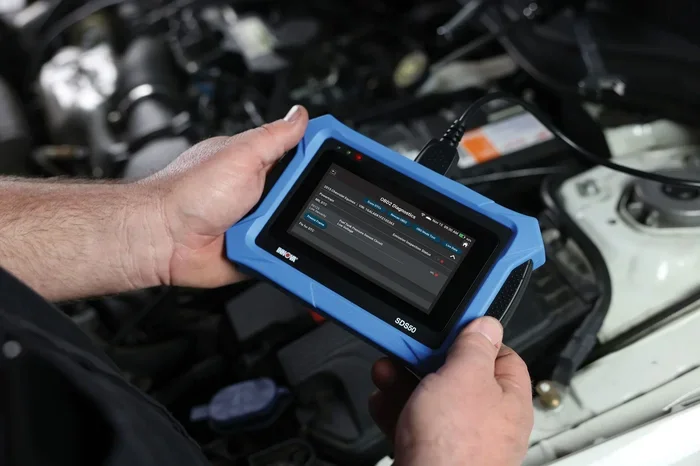
During a full diagnostic on a car, a technician connects a specialized scanning tool to your vehicle’s OBD-II port. This port is usually located under your dashboard on the driver’s side. The scanner communicates with your car’s Engine Control Unit, or ECU, and pulls out any stored trouble codes. These codes point to specific problems, from a loose gas cap to a failing catalytic converter.
The process is fast, non-invasive, and incredibly informative. Think of it like a health checkup for your vehicle. Just as a doctor uses tests to find what is going on inside your body, a mechanic uses diagnostic tools to find what is going on inside your car. A full diagnostic on a car covers much more than just the engine. It checks the transmission, braking system, airbags, exhaust, and emission controls too.
How the Onboard Diagnostics System Works
Your car’s onboard diagnostics system runs constantly in the background. Every time you drive, sensors throughout the vehicle measure things like temperature, pressure, oxygen levels, and engine speed. If any of these readings fall outside the normal range, the system stores a fault code in the ECU. These codes are standardized across most vehicles, which makes them easy to read with the right equipment.
The OBD-II system uses a set of codes that start with a letter followed by four numbers. For example, a P0301 code means there is a misfire in cylinder one. A mechanic trained in automotive diagnostics can interpret these codes quickly and accurately. A full diagnostic on a car pulls all of these codes at once and presents them in a clear report.
How Does a Full Diagnostic on a Car Work?
Now that you know what a full diagnostic on a car is, let us look at how it actually works. The process is straightforward, but the technology behind it is impressive.
First, the technician locates the OBD-II port under your dashboard. They plug in a diagnostic scanner, which can be a handheld device or a laptop-based system. The scanner sends a request to your car’s ECU and begins reading stored data. This usually takes just a few minutes.
Next, the scanner pulls any active or pending trouble codes. Active codes mean there is a current problem that needs attention. Pending codes mean a problem has been detected but has not yet triggered the check engine light. A thorough full diagnostic on a car checks both types of codes to give you a complete picture.
After reading the codes, the scanner also pulls live data from various sensors. This includes real-time information about engine RPM, fuel trim, oxygen sensor readings, and coolant temperature. Technicians compare this live data against manufacturer specifications to spot any irregularities. The result is a diagnostic report that lists every issue found, along with recommended actions.
Types of Diagnostic Equipment Used
Not all diagnostic tools are the same. Here are the most common types used during a full diagnostic on a car:
- Basic OBD-II readers: These affordable devices plug into the OBD-II port and display trouble codes. They are great for car owners who want to check their vehicle at home.
- Advanced scan tools: Professional-grade scanners provide deeper access to your vehicle’s systems. They can read manufacturer-specific codes and perform active tests.
- Factory-level diagnostic equipment: Dealerships use specialized software that connects directly to the manufacturer’s database. These tools offer the most detailed information available.
- Multimeter and oscilloscope tools: Technicians use these to measure electrical signals and verify sensor performance during a vehicle diagnostics session.
What Can a Full Diagnostic on a Car Reveal?
This is where a full diagnostic on a car really shines. Many car owners assume their vehicle is fine because it starts and drives. But hidden problems often lurk beneath the surface, waiting to cause bigger issues down the road. A comprehensive scan can uncover these secrets.
Engine Problems
The engine is the heart of your vehicle, and a full diagnostic on a car checks it thoroughly. The scan can reveal misfires, fuel delivery issues, ignition problems, and sensor malfunctions. For example, a faulty oxygen sensor can reduce your fuel efficiency by up to 40 percent. Without a diagnostic scan, you might never know this sensor was failing until your gas bills skyrocketed.
Transmission Issues
Transmission problems are some of the most expensive repairs a car owner can face. A full diagnostic on a car scans the transmission control module for fault codes. Early signs of transmission wear, such as slipping gears or delayed shifting, often show up in the data before you feel them while driving. Catching these signs early can prevent a full transmission replacement, which can cost several thousand dollars.
Brake and Safety System Faults
Your safety depends on your brakes, and a full diagnostic on a car checks the anti-lock braking system, or ABS, as well as electronic stability controls. The scan can reveal worn brake pads, failing sensors, or issues with the brake fluid system. These are problems you absolutely do not want to discover only when you need to brake hard on a highway.
Emission System Problems
If your car fails an emissions test, a full diagnostic on a car can pinpoint the exact cause. Faulty catalytic converters, leaking EVAP systems, or malfunctioning exhaust gas recirculation valves all trigger specific trouble codes. Fixing these issues early keeps your car legal and roadworthy while also reducing harmful emissions.
Electrical and Sensor Malfunctions
Modern vehicles have dozens of sensors and electronic modules. A full diagnostic on a car checks the entire electrical network. From the battery management system to the infotainment module, nothing is off-limits. Common electrical issues like a dead battery, alternator failure, or parasitic drain can all be identified through diagnostic testing.
When Should You Get a Full Diagnostic on a Car?
Timing matters when it comes to vehicle diagnostics. Many car owners wait until something goes wrong, but a proactive approach saves money and stress. Here are the best times to schedule a full diagnostic on a car:
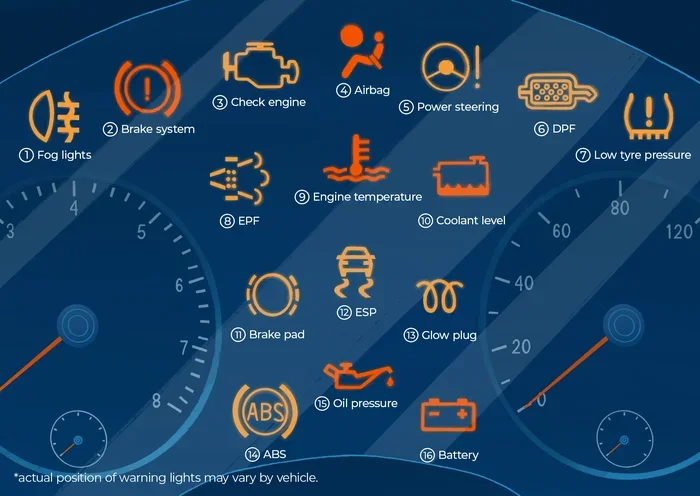
- Your check engine light comes on: This is the most obvious reason. A check engine light means your car’s computer has detected a problem. A diagnostic scan tells you exactly what it is.
- You notice unusual sounds or smells: Grinding noises, burning smells, or strange whines are all signs that something needs attention. A scan can confirm what is wrong even if the check engine light has not appeared yet.
- Before a long road trip: A pre-trip car health check ensures your vehicle is ready for the journey. You do not want a breakdown on a highway far from home.
- During regular maintenance: Many mechanics recommend a diagnostic scan as part of routine car maintenance. It catches small problems before they grow into big expenses.
- When buying a used car: A full diagnostic on a car before purchase can reveal hidden issues that the seller may not have disclosed. It is one of the smartest things you can do as a buyer.
- After a repair or part replacement: If you have recently had work done on your car, a follow-up diagnostic scan confirms that the repair was successful and no new issues appeared.
Quick Tips for Scheduling Your Diagnostic
- Choose a reputable shop with certified technicians who specialize in automotive diagnostics.
- Ask if the diagnostic fee includes a full report you can review.
- Do not ignore pending codes even if your check engine light is off.
- Keep a record of your diagnostic reports for future reference and resale value.
Benefits of a Full Diagnostic on a Car
Now that you understand what a full diagnostic on a car involves and when to get one, let us talk about the benefits. These are the reasons why diagnostics should be a regular part of your car ownership routine.
Save Money on Repairs
The biggest benefit of a full diagnostic on a car is cost savings. By identifying problems early, you avoid the cascade effect where one small issue leads to multiple expensive repairs. For example, a failing thermostat might seem minor, but if it causes your engine to overheat, the damage could extend to the head gasket or even the engine block. A quick scan catches the thermostat problem first.
Improve Fuel Efficiency
Many issues that a full diagnostic on a car uncovers directly impact your fuel economy. Faulty sensors, dirty fuel injectors, and oxygen sensor problems all cause your engine to burn more fuel than necessary. Fixing these issues based on diagnostic data can improve your miles per gallon significantly over time.
Enhance Vehicle Safety
Safety should always come first. A full diagnostic on a car checks critical safety systems like brakes, airbags, and steering components. Finding a fault in any of these systems before it causes an accident is invaluable. You cannot put a price on keeping yourself and your family safe on the road.
Extend Your Vehicle’s Lifespan
Regular diagnostics help your vehicle last longer. By addressing small issues before they become major problems, you reduce wear and tear on your engine and other components. A car that receives consistent car maintenance including regular diagnostics simply lasts more miles than one that does not.
Peace of Mind
There is a real emotional benefit to knowing your car is healthy. Instead of worrying about whether that weird sound means something serious, you get clear answers from a diagnostic report. This peace of mind is worth every penny you spend on the scan.
Make Informed Repair Decisions
A full diagnostic on a car empowers you as a car owner. You do not have to rely solely on a mechanic’s word. You can review the diagnostic report, understand what codes were found, and ask informed questions about recommended repairs. This transparency builds trust and helps you make confident decisions about your vehicle.
How Much Does a Full Diagnostic on a Car Cost?
Cost is always a consideration, and it is a fair one. The price of a full diagnostic on a car varies depending on several factors. Let us break down what you can expect.
Most independent shops charge between $80 and $150 for a comprehensive diagnostic scan. Dealerships tend to charge more, often ranging from $100 to $200 or higher. The price difference comes down to the equipment used and the level of expertise the technician brings to the table.
Some shops waive the diagnostic fee if you proceed with the repair through them. This is a common practice in the industry and is worth asking about. Keep in mind that the diagnostic cost is an investment. The information it provides can save you from costly misdiagnoses or unnecessary part replacements.
Here is a quick comparison of what you might pay:
| Service Provider | Typical Cost | What Is Included |
|---|---|---|
| Independent Garage | $80 – $150 | OBD-II scan, basic report, code interpretation |
| Specialty Shop | $100 – $200 | Advanced scanning, live data analysis, detailed report |
| Dealership | $100 – $250+ | Factory-level diagnostics, manufacturer codes, full system access |
| DIY with Home Scanner | $20 – $100 | Basic code reading, limited system access |
As you can see, a full diagnostic on a car is relatively affordable compared to the potential cost of ignoring a problem. One missed fault code could lead to repairs costing thousands of dollars down the line.
Can You Do It Yourself?
Yes, you can perform a basic full diagnostic on a car at home with an OBD-II reader. These devices cost between $20 and $100 and plug directly into your OBD-II port. Once connected, they display trouble codes on a small screen or send them to your phone via Bluetooth.
However, home readers have limitations. They typically read standard OBD-II codes but may not access manufacturer-specific codes or provide live sensor data. For a truly comprehensive scan, visiting a professional is the best choice. Think of a home reader as a quick check, while a professional diagnostic is a deep dive.
Common Mistakes Car Owners Make with Diagnostics
Even with a good understanding of how diagnostics work, car owners sometimes make mistakes that reduce the value of a full diagnostic on a car. Here are the most common ones to avoid:
- Ignoring the check engine light: Many drivers wait weeks or months before getting a scan. The longer you wait, the worse the underlying problem may become.
- Clearing codes without fixing the problem: Some people disconnect their battery to clear the check engine light. This does not fix the actual issue and can make diagnostics harder later.
- Relying on free code checks at auto parts stores: These are helpful for a quick glance, but they are not a substitute for a full diagnostic scan at a professional shop.
- Choosing the cheapest option without checking quality: The lowest price does not always mean the best service. Look for shops with certified technicians and modern equipment.
- Not asking for a copy of the report: A good shop will provide you with the full diagnostic report. Review it carefully and ask questions about anything you do not understand.
Avoiding these mistakes ensures that your full diagnostic on a car delivers maximum value and gives you the clearest picture of your vehicle’s health.
Expert Insights on Vehicle Diagnostics
We spoke with several certified automotive technicians about the importance of full diagnostic on a car services. Here is what the experts had to say:
“I have seen customers save thousands of dollars simply by getting a diagnostic scan early. People often wait until something breaks down completely, and by then the repair costs have multiplied. A simple scan can change everything.” – Mark T., ASE Certified Master Technician
“Modern cars are rolling computers. You would never ignore a warning light on your laptop or phone, so do not ignore your car’s warning systems. A full diagnostic is the equivalent of checking what your car is trying to tell you.” – Sarah L., Automotive Service Excellence Instructor
“The technology in vehicles has advanced enormously in the last 20 years. A diagnostic scan is no longer optional, it is essential. Every car owner should make it a habit to get a full diagnostic at least once a year.” – James R., Independent Shop Owner
Conclusion
A full diagnostic on a car is one of the smartest investments you can make in your vehicle. It gives you a clear, detailed picture of your car’s health that you simply cannot get by looking under the hood. From engine performance to brake safety to emission compliance, a comprehensive scan covers it all.
The process is quick, the cost is reasonable, and the benefits are enormous. You save money on repairs, improve fuel efficiency, enhance safety, and gain peace of mind. Whether you are dealing with a check engine light or simply keeping up with routine car maintenance, a full diagnostic on a car should be at the top of your list.
Do not wait for a small problem to become a big expense. Schedule your next diagnostic scan today and take control of your vehicle’s health. Your car will thank you, and your wallet will too.
Frequently Asked Questions
What exactly happens during a full diagnostic on a car?
A technician connects a diagnostic scanner to your car’s OBD-II port, which reads fault codes stored in the Engine Control Unit. The scan checks every electronic system including the engine, transmission, brakes, and emissions. The result is a detailed report that lists any issues found along with recommended next steps.
How long does a full diagnostic on a car take?
A standard full diagnostic on a car takes between 15 and 45 minutes depending on the vehicle and the depth of the scan. Basic scans that read standard OBD-II codes are very fast, while more comprehensive diagnostics that include live data analysis and manufacturer-specific codes may take longer.
Is a full diagnostic on a car worth the cost?
Absolutely. The cost of a diagnostic scan, typically between $80 and $200, is tiny compared to the cost of repairs that could result from ignoring a problem. A scan catches issues early, saving you from expensive breakdowns and part replacements down the road.
Can I get a full diagnostic on a car at home?
Yes, you can purchase an OBD-II reader for $20 to $100 and perform a basic scan yourself. However, home readers have limitations and cannot access all the systems or provide the same level of detail as professional diagnostic equipment. For the most thorough results, visit a qualified technician.
Will a full diagnostic on a car fix the problem?
A diagnostic scan identifies the problem but does not fix it. Think of it like a doctor’s diagnosis, the scan tells you what is wrong so you can take the right action. Once you have the diagnostic report, you can decide on the best repair approach with your mechanic.
How often should I get a full diagnostic on a car?
Most experts recommend getting a full diagnostic on a car at least once a year as part of routine maintenance. You should also get a scan whenever your check engine light comes on, before a long road trip, or when buying a used vehicle. Regular diagnostics keep your car running smoothly and help prevent unexpected breakdowns.