What Controls the Interior Lights in Your Car Today
Understanding what controls the interior lights in a car is essential for every driver. Your vehicle uses a combination of switches, sensors, and modules to manage cabin lighting. This guide breaks down every component so you can troubleshoot and upgrade your car’s lighting system with confidence.
Have you ever walked into your car at night and wondered why the lights turn on or off the way they do? The interior lights in a car might seem simple, but they are controlled by a surprisingly smart system. Understanding how this system works can save you time, money, and a lot of frustration.
Whether you are dealing with a dome light that stays on all day or dashboard lights that refuse to glow at night, the answer usually comes down to a few key components. In this guide, we will break down exactly what controls the interior lights in a car. You will learn about every switch, sensor, and module that keeps your car lit up the right way.
We will also cover common problems, easy fixes, and upgrades you can try. By the end, you will know your car’s lighting system inside and out. Let us dive in and shed some light on the subject.
Key Takeaways
- Multiple systems work together: The interior lights in a car are controlled by switches, sensors, and a central light control module working in harmony.
- Door jamb switches are the most common trigger: These simple switches turn on your dome light when you open a door.
- Dashboard lights serve a safety purpose: Instrument panel illumination helps you read gauges at night without distracting your vision.
- Upgrades are easy and affordable: Switching to LED interior lights can improve brightness and reduce power draw significantly.
- Fuse issues cause most lighting failures: A blown fuse is the first thing to check when interior lights stop working.
- Automatic systems are becoming standard: Many modern vehicles use light sensors and smart modules to control cabin lighting automatically.
📑 Table of Contents
- How Interior Car Lighting Works
- Types of Interior Lights in Your Car
- What Controls the Interior Lights in a Car
- Common Problems With Interior Lights
- Upgrading Your Car’s Interior Lighting
- Tips for Maintaining Your Interior Lights
- Comparison: Interior Light Bulb Types
- Expert Insights on Car Interior Lighting
- Key Takeaways
- Conclusion
How Interior Car Lighting Works
Your car’s lighting system is more than just a bulb and a switch. It is a network of components that work together to provide safe and convenient illumination. Understanding the basics helps you appreciate the engineering behind your vehicle’s cabin lighting.
The Basic Lighting Circuit
Every car interior lighting system starts with a simple electrical circuit. Power flows from the battery through a fuse, then to the light bulb, and back to the ground. The circuit is completed or broken by a switch. That switch could be a manual toggle, a door jamb sensor, or even a computer-controlled module.
Most vehicles use a vehicle lighting system that shares a common ground point. This means all the interior lights often share the same return path to the battery. If that ground connection becomes corroded or loose, multiple lights can fail at once.
The fuse box plays a critical role in protecting this circuit. If too much current flows through the wiring, the fuse blows and cuts power to prevent a fire. A blown fuse is the most common reason for total interior light failure.
How the Light Control Module Works
Modern vehicles use a light control module to manage interior lighting. This small computer receives inputs from various sensors and switches. It then sends signals to control the brightness, timing, and behavior of each light.
For example, the module might detect that it is dark outside and automatically turn on the dashboard lights. It can also dim the lights after a set time if a door is left open. This level of control was not available in older vehicles, which relied on simple mechanical switches.
Types of Interior Lights in Your Car
Your car has several different types of lights inside the cabin. Each one serves a specific purpose and is controlled in its own way. Let us look at the main types you will find in most vehicles.
Dome Lights and Overhead Lights
The dome light is the big light on the ceiling of your car. It is also called an overhead light. This light typically turns on when you open a door and turns off when you close it. It is the most noticeable interior light in your vehicle.
Dome lights usually sit in the center of the roof, but some cars have them on both sides. They provide general illumination for the entire cabin. Many drivers also use the dome light as a courtesy light that stays on for a few minutes after the ignition is turned off.
Dashboard and Instrument Panel Lights
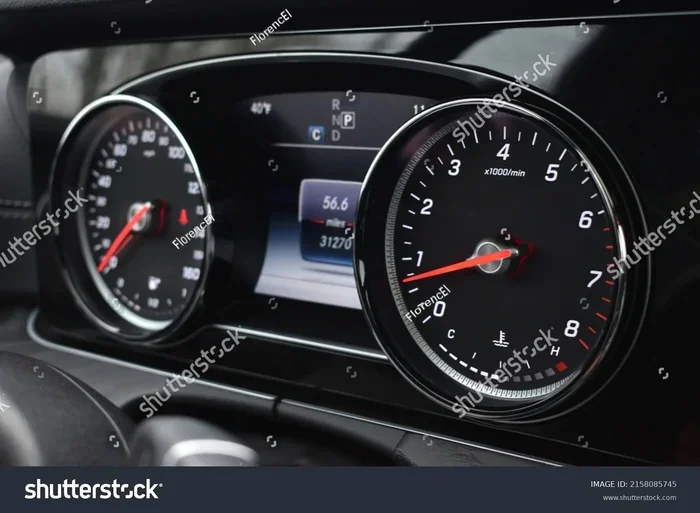
Dashboard lights illuminate the gauges and controls on your instrument panel. They help you read your speed, fuel level, and engine temperature at night. Without proper dashboard illumination, driving in the dark becomes much harder and less safe.
These lights are often controlled by a rotary dimmer knob on the steering column. You can turn it up or down to adjust brightness. Some vehicles also have an automatic mode that adjusts dashboard brightness based on surrounding light conditions.
Ambient and Cabin Lighting
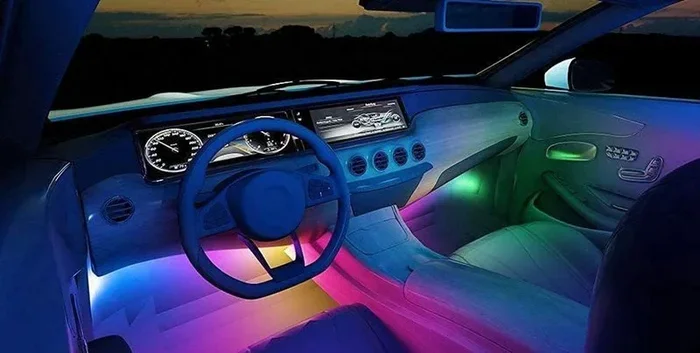
Ambient lighting refers to the soft, decorative lights found in modern cars. These lights often line the doors, dashboard, and center console. They create a pleasant atmosphere inside the cabin and are a popular feature in newer vehicles.
Cabin lighting goes beyond just function. It adds to the overall feel and comfort of your car’s interior. Many drivers appreciate the ability to change the color or intensity of their ambient lights. This type of car interior lighting has become a key selling point for many car manufacturers.
Courtesy and Door Jamb Lights
A courtesy light is designed to help you see when you enter or exit the vehicle. It is often tied to the dome light but can also work independently. The door jamb switch is the small sensor mounted on the door frame. When the door opens, it pushes the switch and completes the circuit.
These switches are simple but effective. They are also a common source of problems when the interior lights stay on. If a door jamb switch sticks or breaks, the light may remain on even when the door is closed.
Glove Box and Trunk Lights
Your glove box light turns on when you open the storage compartment under the dashboard. The trunk light works the same way for your rear cargo area. Both are controlled by simple door-style switches that complete the circuit when the lid or tailgate opens.
These lights are often overlooked until they stop working. A burnt-out bulb or a faulty switch is usually the culprit. Replacing them is usually quick and inexpensive.
What Controls the Interior Lights in a Car
Now that you know the different types of lights, let us look at the specific components that control them. What controls the interior lights in a car comes down to several interconnected systems working together.
The Interior Light Switch
The interior light switch is the main control point for most cabin lights. It is usually located on the overhead console near the dome light. This switch typically has three positions: On, Off, and Door (or Auto).
In the On position, the light stays lit at all times. In the Off position, the light never turns on automatically. In the Door position, the light only comes on when a door is opened. Most drivers leave this switch in the Door position for everyday use.
If your dome light stays on all the time, the first thing to check is this switch. It might be accidentally left in the On position. This simple mistake causes many drivers to think they have a serious electrical problem.
Door Jamb Switches
The door jamb switch is a small plunger-style sensor. It is mounted on the door frame or B-pillar. When the door closes, the switch gets pressed in and breaks the circuit. When the door opens, the switch pops out and completes the circuit, sending power to the light.
These switches are mechanical and can wear out over time. Dirt, debris, and moisture can also cause them to stick. A sticky door jamb switch is one of the most common reasons a dome light stays on when the car is parked.
Light Sensors and Automatic Systems
Many newer vehicles use a light sensor to control interior lighting automatically. This sensor detects the amount of ambient light outside the car. When it gets dark, the system turns on the dashboard lights and may activate other interior lighting.
The automatic headlight sensor is often shared between the exterior and interior systems. When the sensor detects low light, it can trigger both the exterior headlights and the interior dashboard lights. This creates a seamless and convenient experience for the driver.
The Dimmer and Brightness Control
A light dimmer allows you to adjust the brightness of your interior lights. The dimmer is usually a rotary knob or a sliding lever on the steering column. Turning it down dims the lights, and turning it up brightens them.
The dimmer also plays a role in nighttime driving comfort. A bright interior light at night can reflect off the windshield and cause glare. Keeping the dimmer at a lower setting reduces eye strain and improves visibility on the road.
Wiring Harness and Electrical Connections
The wiring harness is the network of wires that connects all the interior lights to the power source. It carries electricity from the battery and fuse box to each bulb and switch. A damaged wiring harness can cause multiple lights to malfunction.
Over time, wires can become brittle, corroded, or loose. Rodents can also chew through wiring insulation. If you have intermittent lighting problems, a wiring issue might be the cause. A visual inspection of the harness can often reveal the problem.
Common Problems With Interior Lights
Interior light problems are frustrating but usually easy to diagnose. Here are the most common issues drivers face with their car interior lighting and how to fix them.
Lights That Stay On
A dome light that stays on all the time is the most common complaint. This problem drains your battery and can leave you stranded. The most likely causes are a stuck door jamb switch, the interior light switch left in the On position, or a faulty light control module.
Start by checking if all your doors are fully closed. Then inspect the door jamb switches for sticking or damage. If the switches look fine, check the interior light switch on the overhead console. A simple adjustment or cleaning often fixes the issue.
Lights That Do Not Work at All
When interior lights refuse to turn on, the first thing to check is the fuse box. Locate the fuse that controls the interior lighting circuit. If the fuse is blown, replacing it is usually all it takes to restore power.
If the fuse is good, the next step is to check the bulb. A burnt-out bulb is the simplest explanation. Most interior bulbs are easy to access and replace. Just make sure you use the correct bulb type for your vehicle. The owner’s manual will list the right part number.
Flickering and Dimming Issues
Flickering lights can be caused by a loose wiring connection or a failing light dimmer. If the flickering happens only when you adjust the dimmer, the dimmer switch itself may be worn out. A loose ground wire can also cause intermittent flickering across multiple lights.
Corroded bulb sockets are another common cause. Over time, moisture can get into the socket and create a poor connection. Cleaning the socket contacts with electrical contact cleaner often solves this problem.
Upgrading Your Car’s Interior Lighting
Upgrading your interior lights in a car is one of the easiest ways to improve both looks and function. Whether you want brighter lights or a more modern feel, there are several options to consider.
LED Interior Lights
LED interior lights are the most popular upgrade for car owners today. LEDs use less power, last much longer, and produce brighter light than traditional bulbs. They also come in a wide range of colors and styles.
Switching to LEDs is usually a simple plug-and-play process. Most LED bulbs are designed to fit directly into existing sockets. Just make sure the LED bulbs are compatible with your vehicle’s wiring. Some older cars may need a resistor to prevent flickering.
Ambient Lighting Kits
If you want to add a premium feel to your car, consider an ambient lighting kit. These kits include LED strips that can be installed under the dashboard, along the doors, or in the center console. They create a soft glow that enhances the look of your cabin.
Many kits come with a remote control that lets you change colors and brightness. Some even sync with your music or driving mode. Ambient lighting is a great way to personalize your car and make it feel more luxurious.
Smart Lighting Upgrades
For tech enthusiasts, smart lighting upgrades are the next level. These systems connect to your phone via Bluetooth or an app. You can control brightness, color, and timing from your smartphone. Some smart systems even integrate with your car’s infotainment center.
Smart lighting is more expensive than standard LED upgrades, but the convenience and customization options are hard to beat. If you spend a lot of time in your car, this upgrade can make a big difference in your daily driving experience.
Tips for Maintaining Your Interior Lights
Keeping your interior lights in a car in good shape is easy with a little regular maintenance. These simple tips will help your lighting system work reliably for years.
Quick Maintenance Tips
- Check all interior bulbs every few months and replace any that are dim or burnt out.
- Clean the light sockets with a dry cloth to remove dust and corrosion.
- Test your door jamb switches regularly by opening and closing each door.
- Keep the fuse box accessible and know which fuse controls the interior lights.
- Inspect the wiring harness for frayed or exposed wires at least once a year.
Common Mistakes to Avoid
One of the biggest mistakes drivers make is ignoring a dimming dome light. A dim light might seem minor, but it is often a sign of a loose ground connection or a failing bulb. Fixing it early prevents a total failure later.
Another mistake is using the wrong bulb type. Not all interior bulbs are the same. Using a bulb with the wrong wattage can overload the circuit and damage the light control module. Always check your owner’s manual before replacing any bulb.
Some drivers also ignore the interior light switch. If it is left in the On position, it will drain your battery over time. Make it a habit to check the switch every time you leave the car.
Comparison: Interior Light Bulb Types
| Feature | Incandescent | LED | Halogen |
|---|---|---|---|
| Brightness | Moderate | High | Good |
| Power Draw | High | Low | Moderate |
| Lifespan | Short (500-1,000 hrs) | Long (25,000+ hrs) | Medium (1,000-2,000 hrs) |
| Cost | Low | Moderate | Low to Moderate |
| Color Options | Limited | Wide | Limited |
| Heat Output | High | Low | Moderate |
| Best For | Basic replacement | Upgrades and efficiency | Brighter stock replacement |
Expert Insights on Car Interior Lighting
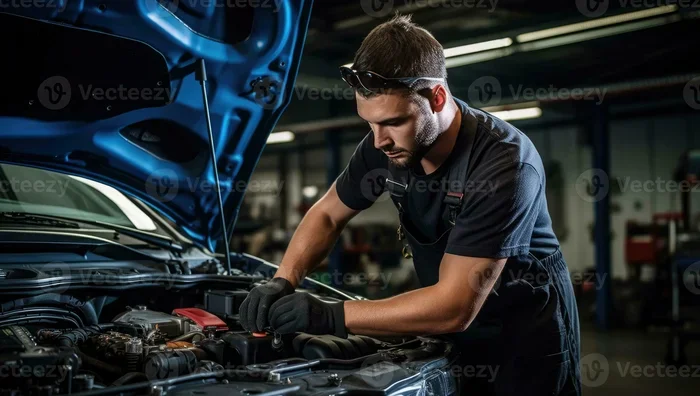
According to automotive electricians, most interior light problems come down to three things: a bad switch, a blown fuse, or a worn-out bulb. Before you spend money on complex repairs, always check these three components first. They account for over 80 percent of interior lighting issues.
Experts also recommend keeping spare bulbs in your glove box. A burnt-out dome light or dashboard light is easy to fix on the spot if you have the right replacement bulb handy. It takes less than five minutes and costs just a few dollars.
For drivers who frequently tow trailers or use aftermarket accessories, the electrical load on your vehicle lighting system can increase. This extra load can cause dimming or flickering in your interior lights. Adding a dedicated relay or upgrading your alternator can help manage the increased power demand.
Key Takeaways
- Multiple systems work together: The interior lights in a car are controlled by switches, sensors, and a central light control module working in harmony.
- Door jamb switches are the most common trigger: These simple switches turn on your dome light when you open a door.
- Dashboard lights serve a safety purpose: Instrument panel illumination helps you read gauges at night without distracting your vision.
- Upgrades are easy and affordable: Switching to LED interior lights can improve brightness and reduce power draw significantly.
- Fuse issues cause most lighting failures: A blown fuse is the first thing to check when interior lights stop working.
- Automatic systems are becoming standard: Many modern vehicles use light sensors and smart modules to control cabin lighting automatically.
- Regular maintenance prevents problems: Simple checks and bulb replacements keep your car interior lighting working reliably.
Conclusion
What controls the interior lights in a car comes down to a well-designed system of switches, sensors, modules, and wiring. From the simple door jamb switch to the sophisticated light control module, each component plays a vital role in keeping your cabin properly lit. Understanding this system empowers you to fix problems quickly and make smart upgrades.
Whether you are dealing with a stuck dome light, dim dashboard illumination, or a dead trunk bulb, the solutions are usually straightforward. Start with the basics: check the switch, test the fuse, and inspect the bulb. These three steps solve the vast majority of interior light problems.
If you want to take your car’s lighting to the next level, consider upgrading to LED interior lights or adding an ambient lighting kit. These changes are affordable, easy to install, and they make a noticeable difference in comfort and style. Your car’s interior lighting is more than just a convenience. It is a key part of your driving experience. Take care of it, and it will take care of you.
Frequently Asked Questions
Why does my interior light stay on even when all doors are closed?
The most common cause is a stuck door jamb switch or the interior light switch left in the On position. Check the overhead console switch first, then inspect each door jamb sensor for dirt or damage. A simple cleaning or adjustment often fixes the problem right away.
Can I replace my interior light bulbs with LED bulbs?
Yes, most vehicles can use LED bulbs for interior lighting. LEDs are brighter, last longer, and use less power than traditional bulbs. Just make sure you buy the correct size and base type for your vehicle, and check if your car needs a resistor to prevent flickering.
What should I do if my dashboard lights are too dim?
Start by adjusting the dimmer knob on your steering column. If the lights are still too dim, check the fuse for the instrument panel circuit. A loose ground wire or a failing dimmer switch can also cause this issue. Replacing the dimmer is usually a quick and affordable fix.
How do I know if my door jamb switch is bad?
If a door light stays on constantly or never turns on, the door jamb switch may be faulty. You can test it with a multimeter by pressing the switch and checking for continuity. If there is no change in the reading, the switch needs to be replaced. New switches are inexpensive and easy to install.
Are ambient lighting kits worth installing in older cars?
Absolutely. Ambient lighting kits work in almost any vehicle and can dramatically improve the look and feel of your interior. They are relatively easy to install and come in a wide range of colors and styles. Many kits are plug-and-play and do not require any wiring knowledge.
What causes interior lights to flicker at night?
Flickering interior lights are usually caused by a loose wiring connection, a corroded bulb socket, or a failing dimmer switch. Check the bulb socket for corrosion first, then inspect the wiring connections. If the flickering happens when you adjust the dimmer, the dimmer switch itself may need replacement.