Is It Better to Get a Hybrid or Plug-In Hybrid Car
Choosing between a hybrid and plug-in hybrid comes down to your driving habits, budget, and charging access. A standard hybrid is great for effortless fuel savings without plugging in, while a plug-in hybrid offers electric-only driving for shorter commutes. This guide walks you through every key difference so you can make a confident, informed decision.
So you are thinking about going greener on the road. Maybe you have seen hybrid cars everywhere and wondered if a plug-in hybrid might be a better fit. The truth is that both options have real advantages. But which one actually makes sense for your life? In this guide, we will walk through everything you need to know about hybrid vs plug-in hybrid cars.
We will compare how each type works, what they cost, and which one fits different driving lifestyles. By the end, you will have a clear picture of what to buy. Let us dive in and break it all down.
Key Takeaways
- A hybrid uses both a gasoline engine and electric motor: it self-charges while you drive and needs no plugging in.
- A plug-in hybrid has a larger battery: you charge it at home or a station and can drive on electricity alone for 20–60 miles.
- Fuel savings differ by driving style: plug-in hybrids save more money if you charge daily and drive short distances.
- Tax credits and incentives: many plug-in hybrids qualify for federal or state rebates that standard hybrids do not.
- Maintenance costs are similar: both types use regenerative braking and share many parts with conventional cars.
- Your daily commute matters most: short commutes favor plug-in hybrids, while long highway drives favor standard hybrids.
- Test drive both types: personal experience helps you feel the difference in power, quietness, and driving feel.
📑 Table of Contents
- What Is a Hybrid Car?
- What Is a Plug-In Hybrid?
- Hybrid vs Plug-In Hybrid: Key Differences
- Which One Saves You More Money?
- Environmental Impact and Driving Experience
- How to Choose the Right One for You
- Common Mistakes People Make When Choosing Between Hybrid and Plug-In Hybrid
- Expert Insights on the Hybrid vs Plug-In Hybrid Debate
- Final Thoughts: Which Should You Pick?
What Is a Hybrid Car?
A hybrid car uses two power sources: a gasoline engine and an electric motor. These work together to move the car. The electric motor helps during acceleration and low-speed driving. The gasoline engine kicks in when you need more power. This setup gives you better fuel economy than a regular car.
How Does a Standard Hybrid Work?
A standard hybrid, sometimes called a self-charging hybrid, does not need to be plugged in. The battery charges itself through regenerative braking and the gasoline engine. When you slow down or brake, the system captures energy and stores it in the battery. This energy is then used to power the electric motor later.
You never have to worry about finding a charging station. You just drive and refuel at any gas station. For many drivers, this simplicity is a huge selling point. The Toyota Prius is one of the most well-known examples of a self-charging hybrid.
Who Benefits Most From a Standard Hybrid?
A standard hybrid works best for people who drive a lot but do not want the hassle of plugging in. If your daily commute involves a mix of city and highway driving, a hybrid can deliver excellent fuel economy. The electric motor assists during stop-and-go traffic, which is where gas cars waste the most fuel.
People who do not have access to a home charger also benefit. You do not need any special equipment. Just drive, fill up, and go. Hybrid cars also tend to hold their value well because demand remains strong.
What Is a Plug-In Hybrid?
A plug-in hybrid, often called a PHEV, is similar to a standard hybrid but with a bigger battery. The key difference is that you can plug it in to charge. This gives you the ability to drive on electric power alone for a certain distance before the gasoline engine turns on.
How Does a Plug-In Hybrid Work?
When you plug in your car overnight, the battery gets a full charge. In the morning, you can drive on electric power alone for about 20 to 60 miles depending on the model. Once the battery runs low, the gasoline engine starts and works just like a regular hybrid. The car seamlessly switches between power sources.
This means you get the best of both worlds. You can do most daily trips on electricity, which costs pennies compared to gasoline. And for longer trips, you still have the range and convenience of a gas engine. Models like the Toyota RAV4 Prime and the Ford Escape Plug-In Hybrid are popular choices in this category.
Who Benefits Most From a Plug-In Hybrid?
A plug-in hybrid is ideal for people with short daily commutes. If you drive less than 40 miles a day and can charge at home, you may rarely use gasoline at all. Families who want an electric feel for daily errands but still need a gas car for road trips also love PHEVs.
People who want to reduce their environmental impact will appreciate the zero-emission electric driving mode. And if you live in an area with charging stations at work or shopping centers, you have even more flexibility.
Hybrid vs Plug-In Hybrid: Key Differences
Understanding the differences between a hybrid and a plug-in hybrid helps you make the right choice. Let us look at the main areas that set them apart.
Battery Size and Range
A standard hybrid has a small battery, usually around 1 to 2 kilowatt-hours. This is just enough to assist the gasoline engine. The driving range is the same as a regular car since you rely on the gas tank. Most hybrids get 40 to 60 miles per gallon in combined driving.
A plug-in hybrid has a much larger battery, typically 8 to 18 kilowatt-hours. This gives you an electric-only range of 20 to 60 miles. After that, the gasoline engine extends your total range to 400 or more miles. The bigger battery is what makes the plug-in hybrid so versatile.
Charging and Refueling
With a standard hybrid, you never plug in. You simply fill up the gas tank and keep driving. The battery charges itself through regenerative braking and engine power. This makes hybrids incredibly convenient for people who travel frequently or do not have a home charger.
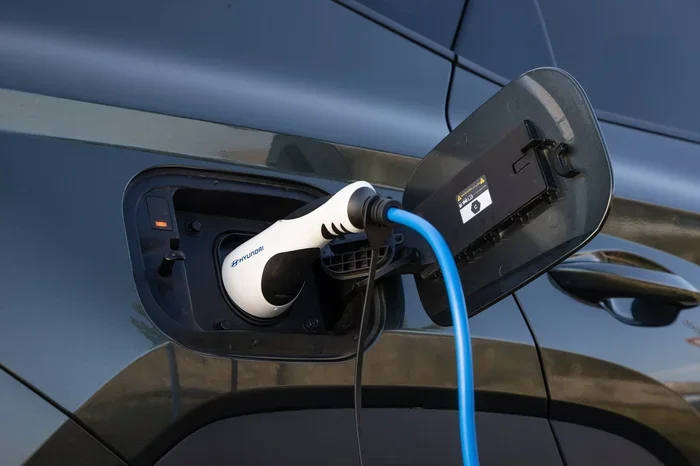
Plug-in hybrids need a charging source. You can use a standard 120-volt outlet, but a 240-volt home charger is much faster. A full charge usually takes 2 to 4 hours on a Level 2 charger. Public charging stations also work, though they are less necessary since the gas engine acts as a backup.
Fuel Economy and Cost Savings
A standard hybrid delivers solid fuel savings right out of the box. You will see fewer trips to the gas station compared to a conventional car. Over several years, the savings add up. But you are still burning gasoline on every trip.
A plug-in hybrid can save you even more money if you charge regularly. If your daily driving stays within the electric range, you use no gasoline at all. The cost per mile on electricity is far lower than on gas. However, if you rarely plug in, a PHEV may not save you much more than a standard hybrid.
Upfront Cost and Incentives
Plug-in hybrids usually cost more than standard hybrids. The bigger battery adds to the price tag. However, many PHEVs qualify for federal tax credits and state incentives. These can reduce the purchase price significantly. Standard hybrids typically do not qualify for these incentives.
Here is a quick comparison to help you visualize the differences.
| Feature | Standard Hybrid | Plug-In Hybrid |
|---|---|---|
| Battery Size | 1–2 kWh | 8–18 kWh |
| Electric-Only Range | 1–3 miles | 20–60 miles |
| Charging Required | No | Yes |
| Fuel Economy (MPG) | 40–60 MPG | 40–60 MPG (electric mode uses 0 gas) |
| Upfront Cost | Lower | Higher |
| Tax Credits | Rarely | Often eligible |
| Home Charger Needed | No | Recommended |
| Total Driving Range | 400–600 miles | 400–600 miles |
Which One Saves You More Money?
Saving money is one of the top reasons people consider hybrid cars. Let us look at the real-world costs of each option.
Fuel Costs Over Time
A standard hybrid saves you money on fuel from day one. With 50 miles per gallon average, you will visit the gas station far less often. Over five years of driving 12,000 miles per year, you could save thousands compared to a gas-only car.
A plug-in hybrid can save even more if you drive within the electric range daily. Charging at home costs roughly the same as running a few appliances. At current electricity rates, it might cost $1 to $2 to fully charge a PHEV. That is far cheaper than filling a gas tank. But if you rarely plug in, those savings shrink quickly.
Maintenance and Repairs
Both hybrid types use regenerative braking, which reduces wear on brake pads. The electric motor also handles some of the engine load, which can extend the life of certain components. Maintenance costs for both hybrids and PHEVs are generally similar to conventional cars.
The bigger battery in a plug-in hybrid may raise concerns about replacement cost. However, most manufacturers warranty the battery for 8 to 10 years. Real-world reports show that PHEV batteries last well beyond that period in most cases.
Insurance and Depreciation
Insurance rates for hybrids and plug-in hybrids are usually comparable. Some insurers offer discounts for hybrid vehicles because they are seen as safer and more efficient. Depreciation can vary, but popular hybrid models tend to hold value better than average.
Environmental Impact and Driving Experience
Going green is a big reason many people choose electrified vehicles. Both hybrid types help reduce emissions, but they do so in different ways.
Emissions Comparison
A standard hybrid produces fewer emissions than a gas-only car. The electric motor reduces fuel consumption in city driving, which cuts tailpipe emissions. But it still burns gasoline on every trip.
A plug-in hybrid can go weeks or even months without using any gasoline if you charge regularly and keep trips short. In electric mode, it produces zero tailpipe emissions. This makes a PHEV a stronger choice for reducing your environmental footprint.
Driving Feel and Performance
Both hybrid types offer a smooth and quiet driving experience. The electric motor provides instant torque, which means quick acceleration from a stop. Many drivers say hybrid cars feel more refined than their gas-only counterparts.
Plug-in hybrids often feel even more electric-like because the bigger battery powers the car more aggressively in EV mode. You may notice a quieter cabin and a more responsive feel during short trips. On longer drives, the gasoline engine takes over and the experience becomes similar to a standard hybrid.
How to Choose the Right One for You
Now that you understand the differences, how do you decide? The answer depends on your daily routine, driving habits, and personal preferences.
Consider Your Daily Driving Distance
Ask yourself how many miles you drive each day. If your commute is under 40 miles round trip and you can charge at home, a plug-in hybrid is a strong choice. You could run almost entirely on electricity and barely use gas. If your daily mileage is higher or unpredictable, a standard hybrid gives you consistent fuel savings without needing to plug in.
Think About Charging Access
Do you have a garage or driveway with an outlet? A home charger makes owning a plug-in hybrid much easier. If you live in an apartment or condo without dedicated parking, charging may be a challenge. In that case, a standard hybrid removes all the charging hassle.
Evaluate Your Budget
Plug-in hybrids cost more upfront. But tax credits and fuel savings can offset that difference over time. If you have a tighter budget, a standard hybrid offers excellent value with no extra charging equipment needed. Consider the total cost of ownership, not just the sticker price.
Assess Your Long-Distance Driving Needs
If you take frequent road trips or drive long distances regularly, both options work well. A standard hybrid gives you great range without any charging stops. A plug-in hybrid also works, but you may want to charge whenever possible to maximize electric driving and minimize gas use.
Quick Tips for Making Your Decision
- Track your daily mileage for a week before deciding.
- Check local incentives for plug-in vehicles in your state.
- Test drive both types to feel the difference in driving mode and quietness.
- Talk to current owners of the models you are considering.
- Factor in home charging costs versus savings at the pump.
- Consider resale value in your area, as demand varies by region.
Common Mistakes People Make When Choosing Between Hybrid and Plug-In Hybrid
Many buyers make avoidable mistakes when picking between these two types. Here are a few to watch out for.
Assuming a plug-in hybrid always saves more money. If you never plug it in, a PHEV behaves like a heavier standard hybrid and may actually get worse fuel economy. The bigger battery adds weight that the gasoline engine must work harder to move.
Overestimating electric-only range. Manufacturers list ideal electric ranges under perfect conditions. Cold weather, highway driving, and heavy loads can reduce that range significantly. Plan your trips accordingly.
Ignoring the total cost of ownership. A lower sticker price on a standard hybrid might save you money upfront. But a PHEV with tax credits and lower fuel costs could be cheaper over five years. Run the numbers based on your driving habits.
Skipping the test drive. Both types drive differently. The transition between electric and gas power feels unique in each model. A test drive reveals whether the experience suits you.
Expert Insights on the Hybrid vs Plug-In Hybrid Debate
Automotive experts generally agree that the best choice depends on lifestyle. According to consumer reports and industry analysts, plug-in hybrids are growing in popularity as charging infrastructure expands. More homeowners are installing Level 2 chargers, making daily charging simple and convenient.
At the same time, standard hybrids remain a top pick for drivers who want simplicity and reliability. The Toyota Prius and Honda Accord Hybrid continue to rank among the most popular hybrid cars for good reason. They deliver strong fuel economy with zero charging hassle.
Industry experts also point out that the line between hybrids and electric vehicles is blurring. Many modern plug-in hybrids offer 50 or more miles of electric range. Some drivers use them as a stepping stone to a fully electric vehicle in the future. This flexibility gives PHEVs a unique advantage in the evolving automotive landscape.
Final Thoughts: Which Should You Pick?
There is no single right answer to the hybrid vs plug-in hybrid question. The best choice depends entirely on your driving habits, lifestyle, and goals.
If you want effortless fuel savings and no charging hassle, a standard hybrid is a smart pick. It works beautifully for daily driving and long road trips alike. The Toyota Camry Hybrid and Honda CR-V Hybrid are excellent examples of reliable, efficient hybrid cars.
If you want to drive mostly on electricity, reduce your carbon footprint, and take advantage of tax incentives, a plug-in hybrid is worth the extra upfront cost. Just make sure you have a way to charge it regularly.
Whichever you choose, you are making a positive step toward better fuel economy and lower emissions. Both types of hybrid vehicles represent a smart move toward a cleaner driving future. Take your time, do the math, and pick the option that fits your life best.
The road ahead is greener than ever. And whether you choose a hybrid or a plug-in hybrid, you will enjoy a driving experience that is smoother, quieter, and more efficient than a conventional car ever could be.
Frequently Asked Questions
Is a plug-in hybrid the same as an electric vehicle?
No, a plug-in hybrid still has a gasoline engine. It can drive on electricity alone for a limited range, but it also runs on gas for longer trips. A fully electric vehicle has no gas engine at all and relies entirely on a large battery and electric motor.
Can I charge a plug-in hybrid at a public charging station?
Yes, you can charge a plug-in hybrid at most public charging stations. Level 2 chargers work well for PHEVs. However, because the battery is smaller than an electric vehicle’s, charging times are shorter, usually 2 to 4 hours on a Level 2 station.
Do hybrid cars need special maintenance?
Hybrid cars do not need special maintenance. They use the same basic systems as conventional cars, including brakes, tires, and fluid changes. The regenerative braking system reduces brake wear, which can save you money over time.
How long does the hybrid battery last?
Most hybrid and plug-in hybrid batteries are designed to last 10 to 15 years or more. Many manufacturers warranty the battery for 8 to 10 years. Real-world data shows that hybrid batteries often outlast the vehicle itself with proper care.
Are plug-in hybrids worth the extra cost?
Plug-in hybrids can be worth the extra cost if you drive short daily distances and charge regularly. The fuel savings and tax incentives can offset the higher purchase price over several years. However, if you rarely plug in, a standard hybrid may offer better overall value.
Which hybrid is best for highway driving?
Standard hybrids tend to perform well on highways because the gasoline engine handles sustained speeds efficiently. Plug-in hybrids also work on highways but use less electric power at high speeds. For pure highway driving, a standard hybrid or a fuel-efficient gas car may be the most practical choice.
=== CONCLUSION ===
Choosing between a hybrid and a plug-in hybrid comes down to your personal driving needs and lifestyle. A standard hybrid offers simplicity and solid fuel savings without any charging required. A plug-in hybrid gives you the chance to drive on electricity for short trips while keeping a gas engine for longer journeys.
Both options reduce your fuel costs and environmental impact compared to a conventional car. The key is to match the vehicle to your daily routine, charging access, and budget. Take the time to test drive both types and do the math. You will find the right hybrid or plug-in hybrid car that fits your life perfectly.