Is AWD or 4WD Better in Snow for Safe Winter Driving
AWD and 4WD both offer real advantages in snow, but they work in different ways. All-wheel drive sends power to all four wheels automatically, making it the smarter daily choice for most drivers. Four-wheel drive locks the front and rear axles together, giving you serious torque for deep snow and off-road trails. The right choice depends on where you drive, how often you face winter weather, and what kind of vehicle you own. This guide breaks down everything you need to know so you can pick with confidence.
Winter driving can be stressful. Roads get slippery. Visibility drops. And every driver wonders whether their vehicle is up to the task. The debate between AWD vs 4WD in snow comes up every winter, and for good reason. Your drivetrain plays a big role in how safely you move through snow and ice. But many drivers do not fully understand what each system actually does or when to use it. This guide breaks it all down in plain, simple terms. You will learn exactly how AWD and 4WD work, where each one shines, and how to choose the right system for your winter driving needs.
We will also cover common mistakes drivers make, quick tips that can save your life, and expert insights that go beyond what most articles tell you. By the end, you will have a clear answer to the question: is AWD or 4WD better in snow for your specific situation? Let us dive in.
Key Takeaways
- AWD is best for everyday snow driving: It works automatically and requires no driver input, making it ideal for city and highway use.
- 4WD excels in deep snow and off-road conditions: It provides maximum torque and traction when you need it most on rugged terrain.
- Neither system replaces winter tires: Tires matter more than your drivetrain for stopping and turning safely on ice.
- AWD is more fuel-efficient than 4WD: Full-time 4WD systems add weight and drag, which hurts your gas mileage over time.
- Cost and maintenance differ: AWD systems are generally cheaper to maintain, while 4WD requires more upkeep and driver engagement.
- Your driving habits matter most: Safe speeds, smooth steering, and proper following distance keep you safer than any drivetrain alone.
📑 Table of Contents
- What Is AWD and How Does It Work?
- What Is 4WD and How Does It Work?
- AWD vs 4WD in Snow: Head-to-Head Comparison
- Which System Is Right for Your Winter Driving Needs?
- Quick Tips for Safer Snow Driving with Any Drivetrain
- Common Mistakes to Avoid When Driving AWD or 4WD in Snow
- Expert Insights on AWD and 4WD Snow Performance
- Conclusion
What Is AWD and How Does It Work?
How All-Wheel Drive Sends Power to All Four Wheels
All-wheel drive is a drivetrain system that sends engine power to all four wheels at the same time. Unlike front-wheel drive or rear-wheel drive, which send power to just two wheels, AWD spreads the torque across all four tires. This happens automatically in most modern systems. You do not need to press a button or shift a lever. The system senses when one wheel starts to slip and redirects power to the wheels that still have grip. This process happens in milliseconds, which is why AWD feels so seamless on the road.
Most AWD systems use a center differential to split power between the front and rear axles. Some advanced systems can even send different amounts of power to the left and right wheels. This is called torque vectoring, and it helps you corner more confidently on icy roads. The result is better traction control without any effort from the driver.
When AWD Shines in Snowy Conditions
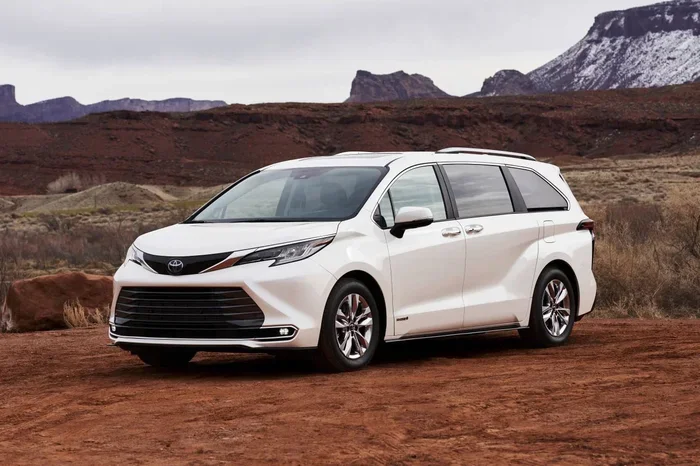
AWD is excellent for snow driving in most everyday situations. If you commute on paved roads that get plowed but still have slush and light snow, AWD gives you a real advantage. It helps you accelerate smoothly without wheel slip. It also gives you more confidence when merging onto highways or climbing hills in winter weather. AWD works well in road conditions that range from light snow to moderate ice. It is the go-to choice for drivers who face winter weather regularly but mostly stay on paved surfaces.
However, AWD does not make you invincible. It helps you accelerate, but it does not help you brake or turn any better. That is where winter tires come in, and we will talk more about that later. AWD also adds weight to your vehicle, which can slightly reduce your fuel economy compared to two-wheel drive setups.
What Is 4WD and How Does It Work?
The Difference Between Part-Time and Full-Time 4WD
Four-wheel drive is a drivetrain system that connects the front and rear axles together. This means all four wheels receive equal power at the same time. 4WD is different from AWD in a few important ways. Most 4WD systems are part-time, which means you can switch between two-wheel drive and four-wheel drive. When you are driving on dry pavement, you stay in 2WD to save fuel and prevent drivetrain wear. When you hit snow, ice, or dirt, you shift into 4WD for maximum grip.
Full-time 4WD systems exist too, but they are less common in passenger vehicles. These systems work more like AWD, sending power to all four wheels all the time. But traditional 4WD systems are built for heavy-duty use. They include a transfer case and low-range gearing, which gives you serious torque for tough terrain. This is why 4WD is the go-to choice for trucks, SUVs, and off-road vehicles.
When 4WD Excels in Deep Snow
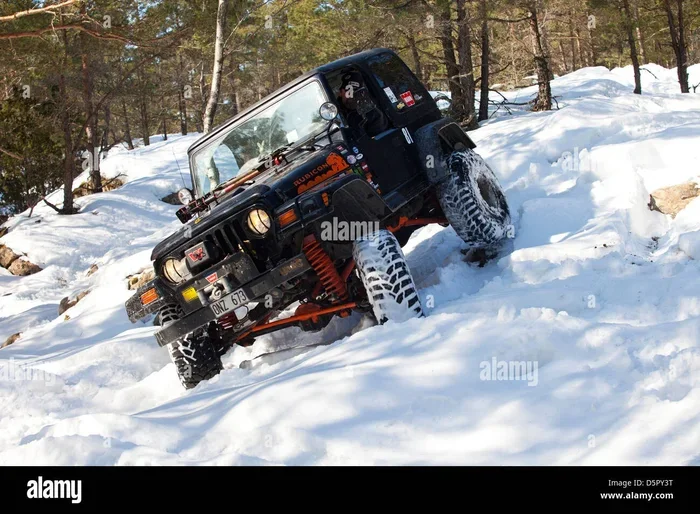
4WD truly shines when the snow gets deep. If you live in a rural area with unplowed roads, or you like to head into the mountains for backcountry skiing, 4WD gives you the capability you need. The low-range gearing in a 4WD system lets you crawl through deep snow without getting stuck. It also provides excellent off-road capability, which is something AWD systems are not designed for.
4WD locks the front and rear axles together, which means all four wheels spin at the same speed. This is great for traction in deep snow and mud, but it can be tricky on dry pavement. That is why part-time 4WD systems have a 2WD mode for normal driving. Using 4WD on dry pavement can cause drivetrain binding and premature wear. So knowing when to engage and disengage 4WD is an important part of owning a 4WD vehicle.
AWD vs 4WD in Snow: Head-to-Head Comparison
Traction and Grip on Icy Roads
When it comes to traction on icy roads, both systems have strengths. AWD is better at getting you moving from a standstill on slippery pavement. Because it works automatically, you get instant traction without any input. 4WD provides more raw torque, which helps you power through deep snow drifts and unplowed roads. But on regular icy streets, AWD is more than enough for most drivers.
Here is a quick comparison of how each system performs in common snow scenarios:
| Scenario | AWD Performance | 4WD Performance |
|---|---|---|
| Light snow on paved roads | Excellent | Good (if engaged) |
| Heavy snow with slush | Very Good | Excellent |
| Deep snow or unplowed roads | Fair | Excellent |
| Icy intersections | Good | Good |
| Off-road snow trails | Poor | Excellent |
| Highway driving in snow | Very Good | Good |
Fuel Economy and Daily Driving
Fuel economy is a major consideration for many drivers. AWD systems are generally more efficient than 4WD systems. Because AWD works automatically and only sends extra power when needed, it does not drain your fuel as much. A full-time 4WD system adds significant weight to your vehicle and creates more drag, which hurts your gas mileage. If you drive a lot and want to save at the pump, AWD is the better choice for daily winter driving.
On the other hand, part-time 4WD vehicles can switch to 2WD mode on dry roads, which helps with fuel economy. But when 4WD is engaged, it uses more fuel than AWD. Over a full winter season, the difference can add up.
Cost and Maintenance Considerations
The cost of AWD vs 4WD goes beyond the sticker price. AWD systems are simpler and have fewer moving parts, which means lower maintenance costs over time. 4WD systems include a transfer case, locking differentials, and more complex mechanical parts. These require more regular service, including fluid changes and inspections. If you are buying a used vehicle, a 4WD system may cost more to repair than an AWD system.
Here are some quick cost factors to keep in mind:
- AWD vehicles typically cost $1,000 to $2,000 more than their two-wheel drive counterparts.
- 4WD vehicles can cost $2,000 to $4,000 more than two-wheel drive versions.
- 4WD maintenance includes transfer case fluid changes and front axle servicing.
- AWD maintenance is generally limited to standard drivetrain services.
- Tire costs apply to both systems, but proper winter tires are essential for either setup.
Which System Is Right for Your Winter Driving Needs?
Choose AWD If…
Most drivers will be happier with AWD for winter driving. Here are the situations where AWD is the clear winner:
- You drive mostly on paved roads, even if they are snow-covered or icy.
- You want a system that works automatically without any driver input.
- You commute daily and need reliable snow driving performance without extra effort.
- Fuel economy matters to you, and you do not want the extra weight of a 4WD system.
- You live in an area with moderate winters and regular plowing services.
- You want a simpler, lower-maintenance drivetrain for your daily driver.
Choose 4WD If…
4WD is the better choice for specific situations. Consider 4WD if:
- You live in a rural area with unplowed or poorly maintained roads.
- You frequently drive in deep snow, such as farm roads or mountain passes.
- You enjoy off-road adventures and need serious ground clearance and torque.
- You own a truck or SUV that is designed for heavy-duty winter use.
- You want the option to disconnect 4WD on dry roads for better fuel economy.
- You face extreme winter conditions regularly and need maximum traction control.
Quick Tips for Safer Snow Driving with Any Drivetrain
Tire Choices Matter More Than You Think
Here is a truth that many drivers overlook: your tire choice matters more than whether you have AWD or 4WD. Winter tires are designed with special rubber compounds and tread patterns that grip snow and ice far better than all-season tires. Even the best AWD system cannot compensate for poor tires. If you live in a cold climate, invest in a set of snow tires and swap them on before the first snowfall.
Quick tip: Install all four winter tires, not just two. Putting winter tires only on the front or rear can cause unpredictable handling, especially on icy roads. Matching all four tires gives you balanced skid control and predictable steering.
Driving Habits That Keep You Safe
No drivetrain can replace safe driving habits. Here are a few habits that make a huge difference in snow driving:
- Slow down. Speed is the number one cause of winter accidents. Give yourself extra time to stop.
- Increase your following distance. It takes longer to brake on snow and ice, so leave more room between you and the car ahead.
- Accelerate and brake gently. Smooth inputs help your tires maintain grip and prevent wheel slip.
- Avoid sudden steering movements. Jerky turns can cause your vehicle to slide, especially on icy roads.
- Use lower gears on hills. This applies especially to 4WD vehicles, where low-range gearing helps you control your speed on steep inclines.
- Keep your lights on. Visibility drops in snow, and other drivers need to see you.
Common Mistakes to Avoid When Driving AWD or 4WD in Snow
Even experienced drivers make mistakes in winter. Here are the most common ones:
- Thinking AWD or 4WD lets you drive faster. These systems help you accelerate, but they do not improve your braking or cornering ability. You still need to slow down.
- Leaving 4WD engaged on dry pavement. This can damage your drivetrain over time. Always switch back to 2WD when roads are clear.
- Neglecting tire maintenance. Bald or worn tires defeat the purpose of any drivetrain system. Check your tread depth before winter hits.
- Ignoring road conditions. Even 4WD vehicles can hydroplane on wet snow or black ice. Stay alert and adjust your speed to match conditions.
- Overconfidence in your vehicle. AWD and 4WD give you more traction, but they do not make your vehicle bulletproof. Respect the weather and drive accordingly.
Expert Insights on AWD and 4WD Snow Performance
Automotive engineers and winter driving instructors agree on a few key points about AWD and 4WD. First, no drivetrain system can overcome the laws of physics. Ice is ice, and no amount of torque can create grip where there is none. This is why winter tires are so important. They actually change the rubber compound to stay flexible in cold temperatures, which creates more friction on ice and snow.
Second, electronic stability control and traction control work hand in hand with both AWD and 4WD systems. These technologies help prevent wheel slip and keep your vehicle pointing in the right direction. Make sure these features are turned on and functioning properly before you head out in winter weather.
Finally, experts emphasize that the best drivetrain is the one that matches your actual driving needs. If you never leave paved roads, AWD is more than enough. If you regularly tackle backcountry trails or rural roads, 4WD gives you the capability you need. The key is to understand your local road conditions and choose accordingly.
Conclusion
The question of is AWD or 4WD better in snow does not have a single answer. It depends entirely on your driving habits, your local climate, and the type of roads you travel. For most drivers who commute on paved roads and face moderate winter weather, AWD is the better choice. It is automatic, efficient, and easy to use. For drivers who face deep snow, unplowed roads, or off-road terrain, 4WD provides the raw capability and torque that AWD simply cannot match.
But here is the most important takeaway: your drivetrain is only one piece of the winter safety puzzle. Winter tires, safe driving habits, and respect for road conditions all matter just as much. No system can replace careful, attentive driving in winter weather. Equip your vehicle properly, drive within your limits, and you will stay safe all season long.
Take the time to understand your vehicle’s drivetrain system before the first snowflake falls. Know when to engage 4WD, trust your AWD system on the highway, and always prioritize safety over speed. Winter driving does not have to be scary when you have the right knowledge and the right setup for the job.
Frequently Asked Questions
Is AWD or 4WD better for icy roads?
AWD is generally better for icy roads that are paved and regularly driven on. The automatic power delivery helps you accelerate smoothly without needing to think about it. However, both systems perform similarly when it comes to braking and cornering on ice, which is why winter tires are so critical regardless of your drivetrain.
Can I use AWD in 4WD mode?
No, AWD and 4WD are different systems and cannot be used interchangeably. AWD works automatically all the time. 4WD requires you to manually engage or disengage it. Some modern vehicles offer automatic 4WD systems that behave more like AWD, but they are still fundamentally different from traditional all-wheel drive setups.
Does AWD or 4WD help with braking in snow?
Neither AWD nor 4WD directly improves your braking performance. These systems help with acceleration and traction, but stopping distance depends mainly on your tires, road surface, and driving speed. Always leave extra stopping distance and brake gently in winter conditions.
Is 4WD or AWD better for off-road snow driving?
4WD is clearly better for off-road snow driving. It provides low-range gearing, locking differentials, and greater torque delivery, which are essential for navigating deep snow, drifts, and uneven terrain. AWD systems are designed primarily for on-road use and lack the rugged capability needed for serious off-road winter conditions.
Do I need winter tires if I have AWD or 4WD?
Yes, absolutely. Winter tires are just as important with AWD or 4WD as they are with two-wheel drive. Your drivetrain helps you accelerate, but your tires are what actually grip the road for stopping and turning. Investing in a full set of snow tires is the single best thing you can do for winter safety.
Is AWD or 4WD more expensive to maintain?
4WD systems tend to cost more to maintain than AWD systems. 4WD vehicles have additional components like transfer cases, front axles, and locking differentials that require regular servicing. AWD systems are more integrated and simpler, which translates to lower long-term maintenance costs for most drivers.