How to Shift From D to 2 on Your Guitar for Beginners
Shifting from D to 2 on your guitar is one of the most essential skills every beginner needs to learn. This guide breaks down the process into simple, easy-to-follow steps that anyone can understand. You will learn proper finger placement, common mistakes to avoid, and proven practice techniques that build speed and confidence. By the end, you will feel ready to play smooth chord transitions like a pro.
Have you ever picked up your guitar and felt stuck trying to move between chords? You are not alone. Almost every beginner struggles with guitar chord change at some point. The good news is that learning how to shift from D to 2 on your guitar is simpler than it looks.
This guide is built for you if you are just starting out. We will walk through every step in plain language. No confusing music theory. No overwhelming jargon. Just clear, practical advice that helps you play smoother and sound better faster.
By the time you finish reading, you will know exactly how to position your fingers, avoid the most common pitfalls, and build a practice routine that actually works. Let us get started.
Key Takeaways
- Understand the D chord shape: Learn exactly where your fingers go on the fretboard.
- Master the transition to the second chord: Build muscle memory with simple drills.
- Avoid common beginner mistakes: Save time by steering clear of finger placement errors.
- Use effective practice routines: Short, focused sessions deliver better results than long, unfocused ones.
- Build speed gradually: Start slow and increase tempo only when your transitions feel clean.
- Apply what you learn to real songs: Practice with actual music to stay motivated and improve faster.
📑 Table of Contents
Understanding the D Chord on Your Guitar
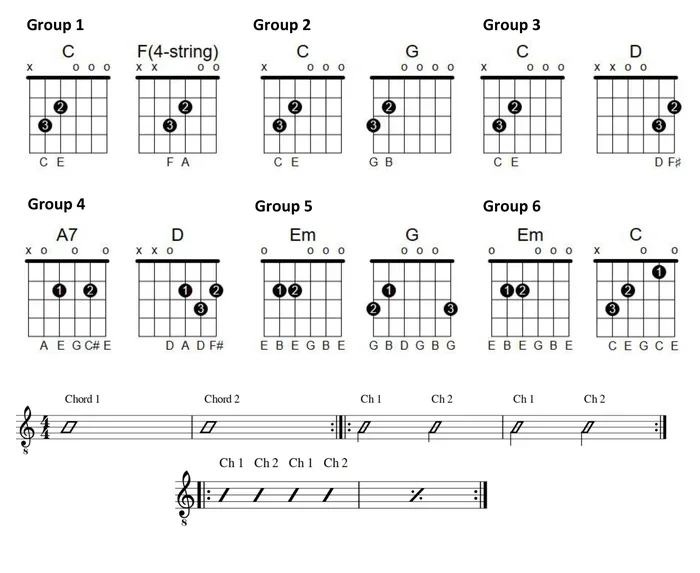
Before you can shift from D to 2, you need to feel comfortable with the D chord itself. The D major chord is one of the first chords most beginners learn. It sounds bright and cheerful, and it shows up in countless songs across every genre.
Where Do You Place Your Fingers for the D Chord?
Here is the basic finger placement for a standard open D chord:
- Index finger: Place it on the 2nd fret of the G string (the 3rd string from the bottom).
- Middle finger: Put it on the 2nd fret of the high E string (the 1st string).
- Ring finger: Place it on the 3rd fret of the B string (the 2nd string).
Your thumb should rest gently on the back of the guitar neck. Keep your fingers curved and press down just behind the frets. You want firm pressure without squeezing too hard. If any string sounds muted or buzzy, adjust your finger position slightly.
Why the D Chord Matters for Beginners
The D chord is a gateway chord. It opens up a world of guitar chords for beginners and helps you play real songs quickly. Many common chord progressions start or pass through D. Once you nail this shape, your guitar playing confidence grows immediately.
Take a moment right now to strum the D chord slowly. Listen to each string. Make sure all six strings ring out clearly. If the low E and A strings sound dead, that is normal at first. Your fingers are still learning where to go.
What Does “Shift From D to 2” Mean?
The phrase shift from D to 2 refers to moving from the D chord to the second chord in a progression or to a chord rooted on the 2nd fret area of the guitar neck. In many beginner lessons, this means transitioning to an A chord, an A minor chord, or a chord shape near the 2nd fret position.
The Most Common Target Chord
In most cases, when instructors say “shift from D to 2,” they mean moving to the A major chord. The A chord sits comfortably near the D chord on the fretboard. This makes the chord transition feel natural and manageable for new players.
Here is a quick look at the A chord finger placement:
- Index finger: 2nd fret of the D string (4th string).
- Middle finger: 2nd fret of the G string (3rd string).
- Ring finger: 2nd fret of the B string (2nd string).
Notice how both chords use the 2nd fret. This shared space makes the guitar chord change much easier. Your fingers barely need to move far.
Why This Transition Is So Important
Smooth chord transitions are the backbone of playing guitar with other people or along with backing tracks. If you can shift from D to 2 cleanly, you unlock dozens of beginner songs. Songs like “Horse With No Name” by America or simple folk progressions rely heavily on this move.
The more you practice this specific chord change, the more automatic it becomes. Your fretting hand starts to remember where to go without you thinking about it.
Step-by-Step Guide to Shifting From D to 2
Now let us get into the actual mechanics of making this guitar chord change smoothly. Follow these steps slowly at first. Speed comes later.
Step 1: Form the D Chord Cleanly
Start by placing your fingers on the D chord. Strum all six strings gently. Listen for a clean, full sound. If something buzzes or goes silent, adjust your fingers before moving on.
Quick Tip: Lift your fingers off the strings completely, then place them back down. This “lift and place” method helps build accuracy in your guitar finger placement.
Step 2: Look at Where Your Fingers Need to Go
Before you shift, take a quick glance at where the A chord fingers go. Notice that two of your fingers stay close to the same frets. Only your ring finger moves slightly. This observation alone makes the chord transition feel less intimidating.
Step 3: Lift and Move Together
Lift all three fingers off the strings at the same time. Move them as one unit toward the A chord shape. Place all fingers down together. This “block movement” approach is the secret to fast chord change speed.
Do not move one finger at a time. That is a habit that slows you down later. Train your hand to think as a team.
Step 4: Strum and Check
Strum the A chord. Listen carefully. Are all the strings ringing? If the low E string buzzes, your fingers might be too close to the frets. If the high E sounds dead, check that your fingers are pressing firmly enough.
Step 5: Repeat the Cycle
Go back to D, then shift to 2 (A). Keep repeating this cycle. Start with four beats on each chord. As you get comfortable, reduce the time between switches.
Quick Tip: Use a metronome set to 60 BPM. Strum once per beat. This gives you a steady pace to build on. As your guitar practice routine improves, bump the tempo up by 5 BPM at a time.
Common Mistakes Beginners Make When Shifting Chords
Everyone makes mistakes when learning guitar for beginners chord changes. The key is knowing what to watch out for so you can fix problems early.
Lifting Fingers Too High
One of the biggest errors is pulling your fingers too far off the strings when you lift them. This wastes time and energy. Keep your fingers close to the strings at all times. Think of hovering just a centimeter above the fretboard during the chord transition.
Squeezing the Neck Too Hard
Tension is the enemy of smooth guitar playing. When beginners get nervous, they grip the neck tightly. This makes your hand tired faster and slows down your transitions. Stay relaxed. Take deep breaths while you practice.
Ignoring the Muted Strings
If a string goes quiet during the shift, do not ignore it. That muted string tells you something is wrong with your guitar hand positioning. Stop, find the problem, and fix it before you keep practicing. Bad habits are hard to undo later.
Rushing the Process
Patience is essential. Many beginners want to play fast before their fingers are ready. This leads to sloppy transitions and frustration. Remember: slow and clean beats fast and messy every single time.
Building a Practice Routine for Smooth Transitions
A solid guitar practice routine makes all the difference. You do not need hours of practice. Short, focused sessions work much better than long, unfocused ones.
The 10-Minute Daily Drill
Try this simple routine every day for two weeks:
- Minutes 1-3: Play the D chord. Strum four times. Listen for clarity.
- Minutes 3-5: Play the A chord (2). Strum four times. Check each string.
- Minutes 5-8: Alternate between D and A. Go slowly. Focus on smooth shifts.
- Minutes 8-10: Strum a simple pattern: D, D, A, A. Repeat. Keep the rhythm steady.
After two weeks, increase the tempo slightly. You will notice your chord transitions getting smoother without extra effort.
Using Songs to Practice the D to 2 Shift
Playing real songs is one of the best ways to improve your guitar chord change skills. Here are a few beginner-friendly songs that use the D to A transition:
- “Knockin’ on Heaven’s Door” by Bob Dylan: Uses a simple D to A progression that repeats throughout the song.
- “Horse With No Name” by America: Relies on two chords, making it perfect for practicing smooth shifts.
- “House of the Rising Sun” (simplified version): Features a D to A move that sounds great even at slow tempos.
When you play along with songs, you train your ear and your hands at the same time. This dual training accelerates your guitar lessons for beginners progress significantly.
Tracking Your Progress
Keep a simple practice log. Write down the date, how many minutes you practiced, and how smooth the D to 2 shift felt on a scale of 1 to 10. Over time, you will see your numbers climb. This visual progress keeps you motivated and accountable.
Expert Insights on Mastering Chord Changes
Music theory basics can help you understand why certain chord shapes work well together. The D and A chords share two notes on the 2nd fret. This shared note space is what makes the transition feel natural on the guitar fretboard.
Professional guitar teachers often emphasize one key idea: your fretting hand should move as efficiently as possible. Think of your fingers as a single unit that glides across the strings. The less distance each finger travels, the faster and cleaner your guitar chord change will be.
Another expert tip is to practice the shift without strumming first. Just move your fingers from D to A silently. Focus on the shape and the feel. Once your fingers know the movement, adding strumming becomes much easier.
Also, remember that strumming patterns play a big role in how smooth your transitions sound. A simple down-strum on each chord change gives you time to reposition your fingers. As you get more confident, you can add up-strums and more complex patterns.
Finally, do not compare your progress to others. Every guitarist learns at their own pace. The fact that you are practicing the D to 2 shift already puts you ahead of many beginners who never even start.
Key Takeaways
- Master the D chord shape first: Clean finger placement on the 2nd and 3rd frets is the foundation for every smooth transition.
- Shift to the A chord (the “2” chord): This is the most common target when learning how to shift from D to 2 on your guitar.
- Use the block movement technique: Lift and place all fingers together for faster, cleaner chord changes.
- Avoid common mistakes like lifting too high or tensing up: Stay relaxed and keep your fingers close to the strings.
- Practice with a metronome and real songs: Short daily drills and playing along with tracks build both skill and motivation.
- Track your progress consistently: Small, measurable improvements keep you on the right path and build long-term confidence.
Conclusion
Learning how to shift from D to 2 on your guitar is one of the most rewarding milestones in your early guitar journey. It might feel awkward at first, but with the right approach, it becomes second nature faster than you think.
Remember to keep your guitar finger placement precise, your hand relaxed, and your practice sessions short and consistent. The 10-minute daily drill we covered works because it focuses on quality over quantity. You are training your muscle memory, and muscle memory loves repetition.
Apply what you have learned today. Pick up your guitar, form the D chord, and shift to the A chord. Do it ten times slowly. Then twenty. Then fifty. Each repetition builds the neural pathways that make smooth chord transitions automatic.
The best part is that this skill unlocks so many songs and musical possibilities. Once you can shift from D to 2 confidently, you are ready to tackle more open chords and more complex guitar chord change patterns. The guitar world opens up, and your guitar playing journey truly begins.
Start today. Be patient with yourself. And enjoy every small win along the way. You have got this.
Frequently Asked Questions
How long does it take to learn how to shift from D to 2 on guitar?
Most beginners feel comfortable with this transition within two to four weeks of daily practice. The exact timeline depends on how often you practice and how focused your sessions are. Short, consistent practice beats long, irregular sessions every time.
What is the easiest way to practice chord transitions for beginners?
The easiest method is the “lift and place” technique where you lift all fingers off the strings and place them down together for the new chord. Using a metronome at a slow tempo helps you build a steady rhythm. Start at 60 BPM and increase gradually as your chord change speed improves.
Why does my D chord sound buzzy when I shift to the A chord?
A buzzy sound usually means your fingers are not pressing down firmly enough or they are not positioned right behind the frets. Check each finger individually. Make sure no fingers are accidentally touching nearby strings. Clean guitar hand positioning eliminates most buzzing issues.
Can I use a capo when practicing the D to 2 chord shift?
Yes, a capo can change the key of your chords but does not change the shape of the chord transitions. If you place a capo on the 2nd fret, the shapes move up but the finger movement patterns stay the same. This can be a helpful tool for guitar practice tips at different pitches.
Should I practice shifting from D to 2 with or without a pick?
You should practice with both. Using a pick gives you a brighter, more consistent strum. Using your fingers (fingerstyle) helps you control volume and tone more precisely. Both approaches strengthen your guitar playing skills in different ways.
What songs can I play to practice the D to A chord transition?
Songs like “Knockin’ on Heaven’s Door” by Bob Dylan, “Horse With No Name” by America, and “House of the Rising Sun” all feature the D to A chord shift prominently. These guitar chords for beginners songs make practice fun and musical at the same time.
=== CONCLUSION ===
Shifting from D to 2 on your guitar is a foundational skill that every beginner needs to develop. It opens doors to playing real songs, jamming with others, and building the confidence to tackle more advanced guitar chord change techniques. The steps in this guide give you a clear roadmap to follow.
Focus on clean finger placement, relaxed hands, and consistent daily practice. Avoid the common mistakes that slow beginners down. And most importantly, enjoy the process. Every minute you spend practicing this chord transition brings you closer to playing the music you love.
Pick up your guitar today. Start with the D chord. Shift to 2. Repeat. That is all it takes to begin your transformation from a nervous beginner to a confident player.