How Many Miles on a Car Is a Red Flag for Used Cars
How Many Miles on a Car Is a Red Flag is a question every used car buyer must ask before making a purchase. The odometer reading reveals critical clues about engine wear, wear and tear, and the remaining total mileage lifespan of the vehicle. A high mileage car with solid maintenance records can still be a smart buy, while a low mileage car that sat unused may carry its own hidden risks. Understanding the mileage threshold and car age vs mileage relationship helps you avoid costly surprises and protects your resale value during used car buying.
How Many Miles on a Car Is a Red Flag is a question every used car buyer should ask before signing any paperwork. Whether you are looking at a high mileage car or a low mileage car, the number on the odometer tells a big story. Too many miles can mean serious engine wear and expensive repairs ahead. But surprisingly, too few miles can also signal hidden problems of their own. This guide breaks down the mileage threshold that matters and helps you make a smart used car buying decision with confidence.
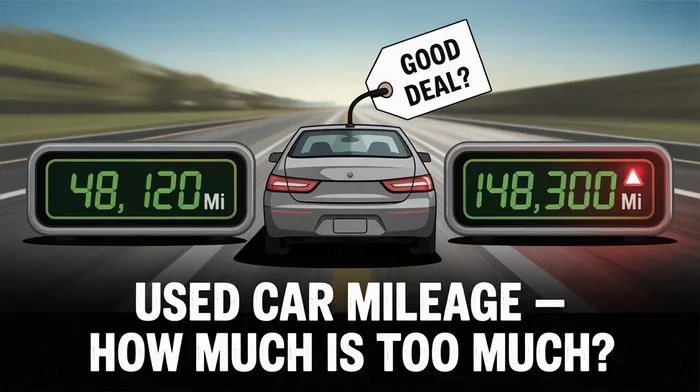
The mileage warning signs on a used vehicle are not always obvious at first glance. A car with 150,000 miles might still run great if it was well maintained. Meanwhile, a car with only 40,000 miles could have unseen issues from sitting unused for years. Understanding car age vs mileage is the key to confident buying used car choices. Read on to learn what really matters when you are shopping for a pre-owned vehicle and how to spot trouble before it finds your wallet.
Buying a used car can feel overwhelming. There are so many factors to consider, from car condition to price to the seller’s reputation. But one number stands out above all others: the odometer reading. How Many Miles on a Car Is a Red Flag is a question that separates smart buyers from those who end up with expensive problems. The right mileage range can mean years of reliable driving, while the wrong number can lead to constant repairs and headaches.
Mileage is not just a number. It reflects how much life a vehicle has left in its engine, transmission, and other critical components. Before you commit to any purchase, you need to understand what the mileage really means. This article breaks down the warning signs, the myths, and the practical steps you can take to make a confident buying used car decision.
Key Takeaways
- No single magic number: There is no universal mileage that makes a car a bad buy. Context matters more than the raw number.
- Average annual mileage is the benchmark: 12,000 to 15,000 miles per year is the standard used to evaluate whether a car was driven normally.
- Maintenance records trump odometer readings: A well-documented service history is more valuable than any mileage number.
- Low mileage cars can have problems too: Vehicles that sat unused for long periods can suffer from dry rot, cracked seals, and outdated technology.
- Always get a professional vehicle inspection: A qualified mechanic can spot hidden issues that no amount of research can reveal.
- Odometer fraud is real and common: Verify mileage independently through vehicle history reports and physical wear checks.
- Age and mileage must be evaluated together: A seven-year-old car with 70,000 miles tells a very different story than a three-year-old car with the same reading.
📑 Table of Contents
- What Mileage Is Considered High for a Used Car
- Warning Signs That High Mileage Is a Red Flag
- Low Mileage vs High Mileage: Which Is Better?
- How Car Age and Mileage Work Together
- What to Check Before Buying a High Mileage Car
- How to Avoid Odometer Fraud
- Final Thoughts on How Many Miles on a Car Is a Red Flag
What Mileage Is Considered High for a Used Car
Every vehicle has a different total mileage lifespan. However, most experts agree that the average car covers about 12,000 to 15,000 miles per year. This number is known as the average annual mileage. When a car is five years old, you would expect it to have around 60,000 to 75,000 miles on the odometer. So what counts as high? A high mileage car typically has more than 200,000 miles. But that number alone does not tell the full story.
A well-maintained vehicle can easily push past 200,000 miles and still run smoothly. On the other hand, a car with only 80,000 miles that was driven hard and skipped oil changes may be in worse shape. The mileage threshold that raises concerns depends on the make, model, and how the car was treated. Some vehicles are built to last 300,000 miles with proper care. Others may start showing major issues after 100,000 miles.
Average Annual Mileage Benchmarks
Here is a simple way to think about it. If a car is 10 years old and has 100,000 miles, that is below average. It might seem like a bargain, but low numbers can sometimes hide problems. A 10-year-old car with 150,000 miles is right around the average. And a 10-year-old car with 200,000 miles is above average but not necessarily a bad choice. The key is to compare the mileage against the vehicle’s age and expected average annual mileage.
When Mileage Crosses the Line
Generally, any car over 200,000 miles deserves a closer look. At that point, major components like the engine, transmission, and suspension have endured significant stress. However, this is not a hard and fast rule. Some brands, like Toyota and Honda, are famous for their longevity and can comfortably exceed 250,000 miles. The real question is not just about the number. It is about the car condition behind that number. A car with 180,000 miles and a full service history is often a better buy than one with 90,000 miles and no records at all.
Warning Signs That High Mileage Is a Red Flag
Not all high mileage is bad. But certain warning signs should make you pause. These mileage warning signs can help you spot trouble before you spend your money on a vehicle that needs constant repairs.
Engine and Transmission Wear
The engine and transmission are the most expensive parts to replace. When a car has high mileage, these components have simply been used more. Signs of engine wear include rough idling, reduced power, and oil leaks. If the transmission slips or hesitates when shifting, that is a serious concern. A car that has been driven hard in stop-and-go traffic will wear out faster than one driven on highways. Highway driving is gentler on the engine and transmission. So a car with 150,000 miles from highway commuting might be in better shape than one with 100,000 miles from city driving.
Suspension and Exhaust Problems
High mileage also affects the suspension system. Shock absorbers, struts, and bushings wear out over time. You might notice clunking noises over bumps or the car pulling to one side. These are signs that the suspension has endured a lot of use. The exhaust system is another area of concern. Rusted exhaust pipes, failing catalytic converters, and exhaust leaks are common in vehicles with high wear and tear. These repairs can be costly, so factor them into your used car buying budget before you commit.
Interior and Electrical Issues
Do not overlook the interior. A car with high mileage often shows visible signs of wear and tear inside. Worn seats, cracked dashboards, and fading trim are common. But beyond cosmetic issues, high mileage can cause electrical problems. Faulty power windows, flickering lights, and malfunctioning sensors are more common in older, high-mileage vehicles. These issues may seem small at first, but they can add up quickly and become expensive to fix.
Quick Tips
- Listen carefully during a test drive. Unusual sounds from the engine, transmission, or suspension are red flags.
- Check the fluid colors. Dark, burnt-looking oil or transmission fluid suggests neglect over time.
- Inspect the tires. Uneven wear patterns can indicate alignment or suspension problems.
Low Mileage vs High Mileage: Which Is Better?
This is one of the most debated questions in used car buying. Many buyers assume that a low mileage car is always the safer choice. But that is not always true. Let us break down the real differences so you can make an informed decision.
| Factor | Low Mileage Car | High Mileage Car |
|---|---|---|
| Purchase Price | Usually higher | Usually lower |
| Engine Life Remaining | More remaining | Less remaining |
| Maintenance Costs | Lower short-term | Higher short-term |
| Risk of Dry Rot | Higher if parked long | Lower |
| Resale Value | Can be unpredictable | More predictable |
| Best For | Long-term ownership | Budget-conscious buyers |
The Myth of Low Mileage
A low mileage car sounds perfect on paper. But cars are meant to be driven. When a vehicle sits unused for long periods, parts can dry out and deteriorate. Rubber seals, gaskets, and hoses can crack when they are not regularly warmed up and flexed. Additionally, a low-mileage car that is several years old might have outdated technology. Safety features, infotainment systems, and fuel efficiency standards improve every year. Sometimes paying a bit more for a higher-mileage, newer model is the smarter move.
When High Mileage Is Actually Fine
A high mileage car can be an excellent purchase if it has been well cared for. Regular oil changes, timely brake replacements, and scheduled maintenance go a long way. A car that has been driven consistently and maintained properly often has fewer hidden surprises than one that sat in a garage. Certified pre-owned vehicles are a great option here. These cars undergo thorough inspections and often come with warranties. They give you the peace of mind that comes with a professional vehicle inspection and documented maintenance records.
Common Mistakes
- Ignoring the service history. Mileage means nothing without records to back it up.
- Assuming lower mileage is always better. A car that sat too long can have worse problems than one that was driven regularly.
- Skipping the test drive. Always test drive the car to feel for vibrations, unusual noises, and handling issues.
How Car Age and Mileage Work Together
Understanding car age vs mileage is essential for smart buying. A three-year-old car with 90,000 miles was driven about 30,000 miles per year. That is well above average and suggests heavy use. A seven-year-old car with 70,000 miles was driven only about 10,000 miles per year. That is below average and could mean the car sat for long periods. Both scenarios carry different risks that you need to evaluate.
The Golden Rule of Car Age vs Mileage
The golden rule is simple. Divide the total mileage by the age of the car in years. If the result is close to 12,000 to 15,000, the car was driven at a normal pace. If it is significantly higher, the car was a workhorse. If it is significantly lower, the car may have sat idle. This calculation helps you understand the car depreciation curve. Cars lose value most rapidly in the first few years. After that, the rate of depreciation slows. A well-driven car that is five or six years old often offers the best value because the first owner absorbed the steepest depreciation hit.
Why Both Numbers Matter
Age affects more than just mileage. Older cars may have outdated safety features or less fuel-efficient engines. But they also tend to be cheaper, which offsets some of those drawbacks. Mileage affects the mechanical health of the vehicle. Together, these two numbers give you a much clearer picture than either one alone. When evaluating a used car, always consider both factors together. A five-year-old car with 60,000 miles and a seven-year-old car with 90,000 miles might be very similar in terms of remaining lifespan. The key is to look at the full picture and not fixate on just one number.
What to Check Before Buying a High Mileage Car
If you have found a car you like but the mileage is high, do not panic. There are specific steps you can take to evaluate whether the car is worth the investment. These checks can save you thousands of dollars in unexpected repairs.
Request Maintenance Records
Maintenance records are your best friend when buying used car. Ask the seller or dealer for a full service history. Look for regular oil changes, brake inspections, tire rotations, and other scheduled services. If the records show consistent care, that is a very positive sign. On the other hand, if there are gaps in the records or no records at all, proceed with caution. A lack of documentation can mean the car was neglected or that odometer fraud is hiding something from you.
Get a Professional Vehicle Inspection
Never skip a professional vehicle inspection. A qualified mechanic can spot problems that are invisible to the untrained eye. They will check the engine, transmission, brakes, suspension, and electrical systems. The cost of an inspection is small compared to the cost of unexpected repairs. Ask the inspector to specifically evaluate the engine wear and transmission life. These are the two most expensive components to repair or replace. A thorough inspection gives you leverage in negotiations and helps you avoid a bad purchase.
Run a Vehicle History Report
A vehicle history report can reveal a lot about a car’s past. Services like Carfax and AutoCheck provide information about accidents, title status, ownership history, and service records. Look for red flags like salvage titles, flood damage, or multiple owners in a short period. The report will also show you the recorded mileage at different points in time. This helps you verify that odometer fraud has not occurred. If the mileage jumps backward between records, that is a serious warning sign you should not ignore.
Expert Insights
According to automotive experts, the best high mileage car purchases are those with a documented history of regular maintenance. A car that has been serviced on schedule can often surpass 200,000 miles without major issues. Focus on the quality of care, not just the number on the odometer. A certified pre-owned vehicle with a clean history report and recent vehicle inspection is often the safest bet for used car buying success.
How to Avoid Odometer Fraud
Odometer fraud is one of the most common and costly problems in the used car market. Criminals roll back the odometer to make a high-mileage car appear to have fewer miles. This deception can cost buyers thousands of dollars in unexpected repairs. Being aware of the tactics used by fraudsters is your first line of defense.
Common Odometer Fraud Tactics
Fraudsters use several methods to manipulate odometer readings. Digital odometers can be rolled back with simple tools. Mechanical odometers can be disconnected and reconnected at a lower reading. Some sellers remove the odometer entirely and replace it with one from a junkyard vehicle. These tactics are illegal but still common in some markets. That is why it is so important to verify the mileage independently. Never trust the odometer reading alone when evaluating a high mileage car.
How to Protect Yourself
Start by comparing the mileage on the odometer with the vehicle history report. If the numbers do not match, that is a red flag. Next, have a mechanic inspect the car and look for signs of wear and tear that do not match the stated mileage. Worn pedal pads, a cracked steering wheel, and aged seat upholstery should all correspond to the odometer reading. If the car shows 50,000 miles but the interior looks like it has 150,000 miles, something is wrong. Trust your observations and do not let a seller rush you into a decision. Also, ask for the original window sticker or the certified pre-owned documentation if available. These documents often include the original mileage and can help verify the car’s true history.
Final Thoughts on How Many Miles on a Car Is a Red Flag
So, what is the final answer to how many miles on a car is a red flag? There is no single magic number. The truth is that mileage is just one piece of the puzzle. A car’s history, maintenance, and overall car condition matter just as much as the odometer reading. Use the guidelines in this article to evaluate any used car with confidence.
Check the maintenance records, get a professional vehicle inspection, and run a vehicle history report. These steps will protect you from buying a problematic vehicle and help you find a reliable ride that fits your budget. Remember, the goal of used car buying is not to find the lowest mileage. The goal is to find the best car for your money. A well-maintained vehicle with 180,000 miles can serve you faithfully for years. A neglected car with 60,000 miles can leave you stranded on the side of the road. Choose wisely, do your homework, and trust the process.
When you approach the used car market with knowledge and patience, you turn how many miles on a car is a red flag from a source of anxiety into a tool for making smart decisions. The right car is out there. Now you have the knowledge to find it and drive away with confidence.
Frequently Asked Questions
Is 100,000 miles a lot for a used car?
Not necessarily. 100,000 miles is often considered the midpoint of a vehicle’s total mileage lifespan. Many modern cars are built to last well beyond 200,000 miles with proper care. A car with 100,000 miles that has regular maintenance records can be a great purchase. Focus on the service history and overall car condition rather than the number alone.
Can a high mileage car still be reliable?
Absolutely. A high mileage car that was driven regularly and maintained on schedule is often more reliable than a low-mileage car that sat unused. Consistent driving keeps fluids circulating, seals lubricated, and components in working order. Brands like Toyota and Honda are well known for their reliability even at high mileage. The key is to verify the maintenance history before you buy.
What is considered too many miles on a car?
There is no universal cutoff, but most experts consider 200,000 miles and above as a zone that warrants extra scrutiny. Beyond that point, major components like the engine and transmission have endured significant stress. However, a car with 250,000 miles and a full service record may still be a solid buy. The mileage threshold depends on the vehicle’s brand, model, and how it was cared for.
How can I tell if a car’s odometer is accurate?
Start by pulling a vehicle history report that shows recorded mileage at different points in time. Compare those numbers to the current reading. Next, inspect the interior for wear and tear that does not match the stated mileage. Worn pedals, a cracked steering wheel, and aged seats should correspond to the odometer. If something feels off, have a mechanic perform a thorough vehicle inspection.
Is it better to buy a low mileage older car or a higher mileage newer car?
A higher mileage newer car is often the better choice. Newer models have updated safety features, better fuel efficiency, and improved technology. A car that is five years old with 75,000 miles will generally be more reliable and safer than a ten-year-old car with 40,000 miles that has been sitting in a garage. Consider car age vs mileage together to find the best value.
What should I look for in a vehicle history report?
Look for consistency in recorded mileage over time. Check for salvage titles, flood damage, accident history, and multiple owners in a short period. A clean vehicle history report with steady mileage increases is a strong positive sign. If the mileage jumps around or drops between records, that could indicate odometer fraud and is a serious red flag.