How Hot Can a Car Get in the Sun and Why You Should Care
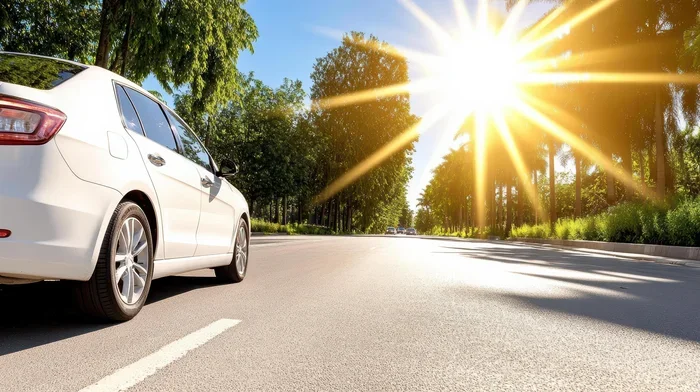
A car left in the sun can reach temperatures above 170°F on the dashboard and over 140°F inside the cabin within just 30 minutes. The greenhouse effect traps heat rapidly, turning your vehicle into a dangerous oven. Understanding how hot a car can get in the sun helps you protect your health, your car, and your loved ones.
Key Takeaways
- Extreme Temperatures: A parked car can reach over 170°F on surfaces and 140°F+ inside within 30 minutes on a mild day.
- Health Dangers: Heatstroke and dehydration can occur in minutes, especially for children and pets left inside a hot car.
- Vehicle Damage: Prolonged sun exposure cracks dashboards, fades paint, and damages the battery and interior materials.
- Simple Prevention: Using sunshades, parking in shade, and tinting windows can significantly reduce interior heat.
- Color Matters: Dark-colored cars absorb more heat than light-colored vehicles, reaching higher temperatures faster.
- Act Fast: If you see a child or pet locked in a hot car, call 911 immediately and take action to cool them down.
📑 Table of Contents
- How Hot Can a Car Get in the Sun?
- The Science Behind a Hot Car
- What Happens Inside a Hot Car?
- How Hot Can a Car Get: Temperature Breakdown
- How to Keep Your Car Cool in the Sun
- Hot Car Safety: Protecting Lives
- Long-Term Effects of Sun Exposure on Your Car
- Quick Tips to Beat the Heat
- Common Mistakes People Make With Hot Cars
- Expert Insights on Vehicle Heat Management
- Conclusion
How Hot Can a Car Get in the Sun?
You have probably walked back to your car on a summer day and felt a wave of heat hit you like a wall. The steering wheel burns your hands. The seatbelt buckle sticks to your skin. And the air that greets you smells like hot plastic and leather.
But have you ever wondered exactly how hot a car can get in the sun? The numbers are staggering. On a day when the outside temperature is just 75°F, the interior of a parked car can soar past 100°F in less than 10 minutes. Within 30 minutes, it can reach 140°F or higher.
On hotter days, the numbers get even worse. When it is 90°F outside, a car’s interior can exceed 160°F in under an hour. The dashboard surface can hit 170°F or more. These temperatures are not just uncomfortable. They are dangerous.
Understanding how hot a car gets in the sun is not just about comfort. It is about safety, vehicle maintenance, and making smart choices every time you park. Let us dive into the details.
The Science Behind a Hot Car
The Greenhouse Effect in Your Vehicle
Your car works a lot like a greenhouse. Sunlight passes through the windows easily. It hits the seats, dashboard, and floor. Those surfaces absorb the light and convert it into heat. But here is the problem: that heat cannot easily escape back through the glass.
The windows let in shortwave radiation from the sun. But the heat that radiates off the interior surfaces is longwave radiation. The glass blocks much of that longwave energy from leaving. This creates a trapped heat cycle. The temperature keeps climbing and climbing.
This is why how hot a car gets in the sun depends so heavily on the windows being closed. Crack a window open slightly, and the temperature drop is minimal. The trapped heat stays trapped.
Why Dark Colors Get Hotter
Not all cars heat up at the same rate. The color of your vehicle plays a big role. Dark-colored cars absorb more solar radiation than light-colored ones. A black car can reach interior temperatures 10 to 15 degrees hotter than a white car parked in the same spot.
This matters if you are choosing a new car or thinking about wrapping yours. Lighter colors reflect more sunlight. They stay cooler. If you drive a dark car, you will feel the difference on hot days.
How Windows and Glass Affect Heat
The type of glass in your car also matters. Standard factory glass blocks some UV rays but lets in a lot of infrared heat. UV protection and infrared-blocking films can make a big difference.
Cars with tinted windows or ceramic window film can reduce interior temperatures by 15 to 30 degrees. That is a huge difference when you are climbing back into a hot car after a long day at work.
What Happens Inside a Hot Car?
The Dashboard and Interior Materials
Your car’s dashboard takes the hardest hit. Direct sunlight hits it for hours, and the surface temperature can exceed 170°F. Over time, this causes cracked dashboards, faded trim, and warped plastic surfaces.
Leather seats can reach temperatures that cause burns on bare skin. Even fabric seats become uncomfortably hot. The steering wheel, gear shift knob, and seat belt buckles all conduct heat directly to your body.
Beyond comfort, repeated heat exposure breaks down adhesives and materials. Your car’s interior ages faster when it sits in the sun every day without protection.
Effects on Your Car’s Battery and Electronics
Extreme heat is tough on your car’s battery. High temperatures speed up chemical reactions inside the battery. This leads to faster fluid evaporation and increased corrosion on the terminals.
A battery that might last five years in a mild climate could last only three years in a hot one. If you live in a sunny climate, checking your battery regularly is smart maintenance.
Electronics and screens can also suffer. Prolonged heat exposure can cause display issues, slow performance, and shorten the lifespan of sensitive components.
Impact on Tires and Fluids
Your tires absorb a lot of heat from the pavement and direct sun. Hot pavement combined with hot air raises tire pressure. Overinflated tires wear unevenly and are more prone to blowouts.
Engine coolant, brake fluid, and power steering fluid can also be affected by extreme heat. Checking fluid levels before summer is a simple step that prevents bigger problems later.
How Hot Can a Car Get: Temperature Breakdown
Let us look at some real numbers. Here is a general breakdown of what happens inside a car as time passes in the sun.
Temperature Timeline on a 75°F Day
- 0 minutes (just parked): Interior matches outside, around 75°F.
- 10 minutes: Interior reaches about 90°F.
- 20 minutes: Interior climbs to around 105°F.
- 30 minutes: Interior hits 115°F to 120°F.
- 60 minutes: Dashboard surfaces reach 150°F to 170°F.
- 90 minutes: Interior air temperature can exceed 140°F.
These numbers assume a car parked in direct sunlight with all windows closed. Even on a cloudy day, interior temperatures can rise dramatically. Many people underestimate how quickly a car heats up.
Temperature Comparison by Car Color
The color of your car changes the heat equation more than you might think. Here is a simple comparison.
- Black car: Absorbs the most heat. Interior temperatures run highest.
- Dark blue or dark gray: Absorbs significant heat. Second warmest option.
- Silver or white: Reflects the most sunlight. Interior stays coolest.
- Red or yellow: Moderate heat absorption. Better than dark colors.
If you live in a hot climate, choosing a lighter-colored car is one easy way to keep interior car temperature lower over time.
How to Keep Your Car Cool in the Sun
Use a Sunshade Every Time
A windshield sunshade is one of the simplest and most effective tools. It reflects sunlight away from your dashboard and windshield. You can pick one up for under $20 at any auto store.
There are also rear window sunshades. These help keep the back seat cooler too, which matters if you have kids or pets riding in the back.
For the best results, use both a front and rear sunshade. It might feel like a small effort, but the temperature difference is remarkable.
Park in the Shade Whenever Possible
This sounds obvious, but it is easy to forget. When you arrive at the mall or grocery store, look for shaded parking spots first.
Trees, covered parking structures, and north-facing sides of buildings all offer natural shade. A few extra minutes of walking is a small price to pay for a cooler car.
Consider Window Tinting
Window tinting is one of the best long-term investments for your car. Quality tint blocks a significant portion of solar heat and harmful UV rays.
Ceramic tint is especially effective. It rejects heat without darkening the glass too much. Check your local laws about legal tint levels before getting it done.
Use Seat Covers and Steering Wheel Covers
Neoprene seat covers and steering wheel covers protect your skin from burns and keep surfaces cooler. They also help preserve your seats from sun damage.
You can also get dashboard covers that reflect heat away from the dash. These small accessories add up to a big difference in comfort.
Leave Windows Slightly Cracked
While cracking the windows does not do much to reduce peak temperatures, it does allow some hot air to escape. This can make the car slightly more bearable when you return.
Just do not leave them cracked enough for someone to reach in. Security still matters.
Use a Remote Starter or Pre-Cool
If your car has a remote start feature, use it a few minutes before you get in. This lets the air conditioning start cooling the cabin before you climb in.
Some newer cars also have app-controlled climate systems. You can turn on the AC from your phone while you are still in the store. It is a game changer on hot days.
Hot Car Safety: Protecting Lives
The Danger to Children
Heatstroke in children is the leading non-crash vehicle-related killer of kids in the United States. A child’s body heats up three to five times faster than an adult’s. Their small bodies cannot regulate temperature as well.
Even on a 70°F day, a car can reach deadly temperatures in minutes. A child’s core body temperature can reach dangerous levels in as little as 10 to 15 minutes inside a hot car.
Never leave a child unattended in a vehicle. Not for a minute. Not with the windows cracked. Not with the engine running. The risk is simply too great.
The Danger to Pets
Dogs and other pets are also extremely vulnerable to hot car temperatures. Dogs cannot sweat effectively. They cool themselves primarily through panting, which is not enough in a hot enclosed space.
Even on a 75°F day, the inside of a car can reach 100°F in just 10 minutes. Heatstroke in pets can happen quickly and is often fatal.
If you see a pet locked in a hot car, note the vehicle description and license plate. Call local authorities or animal control immediately. Do not wait.
What to Do If You See Someone in Danger
If you spot a child or pet in distress inside a hot car, act fast. Here is what you should do:
- Call 911 immediately. This is the most important step.
- If the person or animal shows signs of distress, try to get into the car safely.
- Break a window if needed, preferably a side window away from the person.
- Move the person or animal to shade or air conditioning.
- Cool them down with water. Do not use ice-cold water.
Many states have Good Samaritan laws that protect people who break car windows to rescue children or pets in danger. Know your local laws, but do not hesitate to act.
Prevention Tips for Parents and Caregivers
Hot car accidents happen to loving, attentive parents. They are not a sign of bad parenting. They happen because of routine changes, stress, and forgetfulness.
Here are some simple habits that can save lives:
- Always look in the back seat before locking the car.
- Place your phone, purse, or shoe in the back seat as a reminder.
- Teach children that cars are not play areas.
- Keep car doors locked when parked at home.
- Use apps or devices that remind you a child is in the back seat.
These small habits create a safety net that protects the most vulnerable passengers.
Long-Term Effects of Sun Exposure on Your Car
Paint Damage and Fading
Prolonged sun exposure fades your car’s paint over time. UV rays break down the clear coat and cause oxidation. The result is a dull, faded finish that looks years older than it should.
Regular washing, waxing, and using a UV-protective car cover can slow this process significantly. A good coat of wax acts as a shield against the sun’s harmful rays.
Interior Aging and Cracking
The dashboard, center console, and door panels all suffer from sun damage. Plastic and vinyl materials dry out, crack, and discolor. Leather seats can crack and peel if not properly conditioned.
Using UV-protectant interior products helps preserve the look and feel of your cabin. Apply them every few months for the best results.
Resale Value Impact
A car that has been parked in the sun for years shows its age. Faded paint, cracked dashboard, and worn interiors all reduce resale value. Buyers notice sun damage right away.
If you want to protect your investment, sun protection is one of the simplest and most cost-effective strategies you can use.
Quick Tips to Beat the Heat
- Keep a thermal windshield sunshade in your trunk year-round.
- Place a damp towel over the steering wheel for a few minutes to cool it down.
- Use light-colored seat covers that reflect heat instead of absorbing it.
- Keep a bottle of water in the console, not in the trunk where it can get too hot.
- Roll down the windows for 30 seconds before turning on the AC to release trapped hot air.
- Use reflective windshield covers that fold compactly and fit in the glove box.
- Apply UV-protectant spray to plastic and vinyl surfaces regularly.
- Park facing away from the sun so the dashboard gets less direct exposure.
Common Mistakes People Make With Hot Cars
Thinking Cracking a Window Is Enough
Many people believe that cracking a window open will keep a car cool enough. This is a dangerous misconception. Studies show that cracking a window open only reduces interior temperatures by a few degrees. It does not make a meaningful difference in safety.
Leaving Electronics in the Car
Laptops, phones, and tablets can be damaged by extreme heat. Batteries swell, screens can warp, and internal components fail. Always take electronics with you when you park.
Ignoring the Heat Warning Signs
If your temperature gauge starts climbing on a hot day, do not ignore it. Pull over safely and let the engine cool. Continuing to drive an overheating car can cause serious engine damage.
Expert Insights on Vehicle Heat Management
Automotive experts agree that the best approach to managing heat in a parked car is a combination of prevention and protection. “The simplest thing any car owner can do is use a windshield sunshade every single time they park,” says one experienced auto technician. “It costs almost nothing and can reduce dashboard temperatures by 30 to 40 degrees.”
Experts also recommend having your cooling system checked before summer arrives. A well-maintained AC system makes driving in hot weather safer and more comfortable. It also helps prevent breakdowns on the road.
“People underestimate how fast a car heats up,” adds another specialist. “On a 70-degree day, the interior can become dangerous in under 15 minutes. That is faster than most people realize.”
Conclusion
How hot can a car get in the sun? The answer is hotter than most people expect. We are talking about temperatures that can cause burns, trigger heatstroke, and damage your vehicle in serious ways.
Understanding the science behind a hot car empowers you to take action. You can use sunshades, park in shade, tint your windows, and make smarter choices every time you leave your car in the sun.
More importantly, knowing the risks helps you protect the people and pets who depend on you. A few simple habits can prevent tragedies and keep your car in better shape for years to come.
So the next time you step into a scorching hot car, remember that it does not have to be that way. Take a few minutes to protect your vehicle and the lives inside it. Your future self will thank you.
Frequently Asked Questions
How fast does a car heat up in the sun?
A car can reach 100°F or more inside within just 10 minutes on a 75°F day. The temperature continues to climb rapidly, often exceeding 140°F within 30 minutes. The heating process is much faster than most people realize.
Can a hot car cause heatstroke?
Yes, absolutely. Heatstroke can occur in minutes, especially for children and pets. A child’s body temperature can rise to dangerous levels in as little as 10 to 15 minutes inside a hot vehicle. Heatstroke is a life-threatening emergency that requires immediate action.
Does cracking a window help cool a parked car?
Cracking a window open has a minimal effect on reducing interior temperatures. Studies show it only lowers the temperature by a few degrees. It is not an effective strategy for keeping a car cool or safe for living beings.
What is the safest way to cool down a hot car?
The fastest way is to blast the AC on full and roll down the windows for the first minute or two. This releases the trapped hot air quickly. Using a windshield sunshade before you leave also prevents the car from heating up as much in the first place.
How can I protect my car’s interior from sun damage?
Use a windshield sunshade, apply UV-protectant products to plastic and vinyl surfaces, and park in the shade whenever possible. Seat covers and steering wheel covers also help reduce direct sun exposure to the most vulnerable surfaces.
Is it safe to leave electronics in a hot car?
No, it is not safe. Extreme heat can damage batteries, warp screens, and cause internal components to fail. Always take laptops, phones, tablets, and other electronics with you when you park your car in the sun.