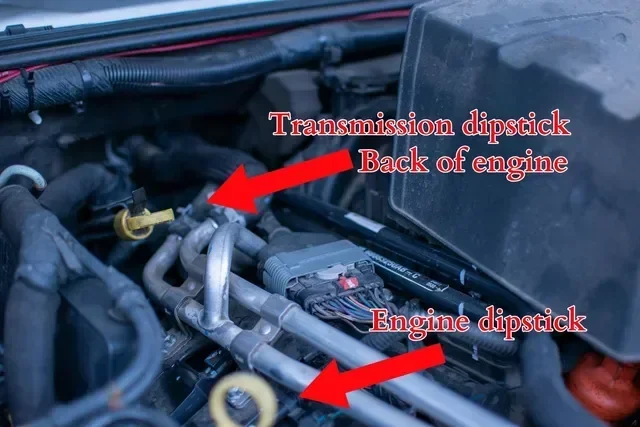
Does Every Transmission Have a Dipstick for Checking
Not every transmission has a dipstick. Many modern vehicles use sealed transmissions that require a different approach to check fluid levels. Whether you drive an automatic or manual, knowing if your car has a dipstick helps you stay on top of transmission fluid maintenance and avoid costly repairs.
You pop the hood, look for the transmission dipstick, and… nothing. No red handle. No tube sticking out. What now? If you have ever wondered whether every transmission has a dipstick, you are not alone. This question confuses a lot of car owners, especially those driving newer vehicles.
The short answer is no. Not every transmission comes with a dipstick. Some vehicles use sealed transmissions that do not have a traditional transmission fluid dipstick. Others may have one hidden under other engine components. Understanding whether your car has one matters a lot for vehicle maintenance.
In this guide, we will walk through everything you need to know. We will cover what a dipstick does, which types of transmissions have them, how to check your fluid, and what to do when there is no dipstick. By the end, you will feel confident about your transmission fluid check routine.
Key Takeaways
- Not all vehicles have a transmission dipstick: Many newer cars use sealed or fill-for-life transmissions.
- Automatic transmissions are more likely to have dipsticks: Manual transmissions often do not, especially in modern models.
- Checking your fluid regularly helps prevent major repairs: Low or dirty fluid causes serious transmission damage over time.
- Sealed transmissions need professional service: You may need a mechanic to check or change the fluid.
- Fluid color and smell tell you a lot: Healthy fluid is pink and sweet-smelling; burnt fluid signals trouble.
- Always use the right fluid type: Using the wrong fluid can damage your transmission internally.
📑 Table of Contents
- What Is a Transmission Dipstick and What Does It Do?
- Does Every Transmission Have a Dipstick?
- How to Find and Use Your Transmission Dipstick
- Transmission Fluid: Types and When to Change It
- When Your Transmission Does Not Have a Dipstick
- Signs Your Transmission Fluid Needs Attention
- Transmission Maintenance: Keeping Your Transmission Healthy
- Common Mistakes That Damage Your Transmission
- Should You Add a Dipstick to a Sealed Transmission?
- Conclusion
What Is a Transmission Dipstick and What Does It Do?
A transmission dipstick works just like the oil dipstick on your engine. It is a long, thin metal rod with a handle at the top. You pull it out, wipe it clean, push it back in, and pull it out again. The fluid marks on the stick tell you whether your transmission fluid level is too low, too high, or just right.
Transmission fluid does a big job. It lubricates all the moving parts inside your automatic transmission. It also helps with cooling and smooth gear shifting. Without enough fluid, your transmission can overheat. Over time, this leads to expensive transmission repair bills.
How the Dipstick Works
The dipstick sits inside a dipstick tube that connects to the transmission pan. When you pull it out, the fluid clings to the rod. The marks on the stick show the minimum and maximum levels. Most modern dipsticks have two holes or raised lines for “full” and “add.”
Here is a simple way to think about it. The dipstick gives you a window into the health of your transmission. It is one of the easiest vehicle maintenance tasks you can do at home. All you need is a clean rag and a few minutes.
What Healthy Transmission Fluid Looks Like
Healthy transmission fluid is usually pink or red. It should feel smooth and not have a strong smell. If the fluid looks dark brown or black, it is old and needs changing. A burnt smell is a red flag. It means the fluid has overheated, and your transmission may be suffering.
- Color: Pink or red is good. Dark brown or black means it is time for a change.
- Smell: Sweet or slightly tart is normal. A burnt odor is bad.
- Texture: It should feel smooth. Gritty or thick fluid is a warning sign.
Does Every Transmission Have a Dipstick?
This is the big question, and the answer is more complicated than you might think. The presence of a dipstick depends on several factors. These include the type of transmission, the vehicle model, and the year it was made.
Automatic Transmissions
Most older automatic transmissions come with a dipstick. If your car was made before 2010, there is a good chance it has one. You can usually find it near the back of the engine bay. The handle is often red or yellow, which makes it easy to spot.
However, even some newer automatic transmissions do not have dipsticks. Car manufacturers have been moving toward sealed units. They say these require less maintenance and last longer without fluid changes. But many mechanics disagree. They argue that regular fluid checks prevent major problems down the road.
Manual Transmissions
Manual transmissions are even less likely to have a dipstick. Most modern manual transmissions do not include one at all. Instead, they have a fill plug on the side of the transmission housing. To check the fluid level, you remove the plug and look inside. This is not something you can do easily at home.
Some older manual transmissions did have a dipstick, but this is rare in modern vehicles. If you drive a manual car, you will likely need a mechanic to check your transmission fluid level.
Sealed and Fill-for-Life Transmissions
Many modern vehicles use what manufacturers call “sealed” or “fill-for-life” transmissions. These units are designed so the fluid never needs to be checked or replaced under normal driving conditions. The idea is convenience. You never have to think about transmission fluid change intervals.
But here is the catch. Sealed does not mean maintenance-free. Over time, the fluid breaks down. It gets dirty and loses its lubricating properties. High mileage, towing, and stop-and-go driving all accelerate this process. So even if your car has a sealed transmission, it still benefits from regular transmission service.
How to Find and Use Your Transmission Dipstick
If your vehicle has a dipstick, finding it is the first step. The location varies by car model. In most front-wheel-drive vehicles, the dipstick is on the left side of the engine bay. In rear-wheel-drive cars, it is usually at the back of the engine, near the firewall.
Always check your owner’s manual for the exact location. The manual will also tell you what type of transmission fluid type your car needs. Using the wrong fluid can cause serious damage.
Step-by-Step: Checking Your Transmission Fluid
Checking your fluid is simple once you know the steps. Follow this process for an accurate reading.
- Park on a level surface. Your car needs to be flat for an accurate reading. A slope can give you a false level.
- Warm up the engine. Let the car run for a few minutes. Transmission fluid expands when it is warm, so this gives a more accurate measurement.
- Leave the engine running. Unlike engine oil, transmission fluid is usually checked with the engine on. Put the car in park (or neutral for manual transmissions).
- Find the dipstick. Pull it out, wipe it clean with a rag, and push it back all the way in.
- Pull it out again. Look at the fluid level against the marks on the stick. It should fall between the “full” and “add” lines.
- Check the color and smell. Pink and sweet-smelling is good. Dark or burnt fluid needs attention.
Quick Tips for Dipstick Use
- Always reinsert the dipstick fully before pulling it out again.
- Do not overfill. Too much fluid can cause foaming and pressure problems.
- Use a clean rag every time to avoid contaminating the fluid.
- Check your fluid at least once a month for peace of mind.
Common Mistakes When Checking Transmission Fluid
Even simple tasks can go wrong if you are not careful. Here are some mistakes to avoid.
- Checking the fluid with the engine off. This gives a false low reading and may lead to unnecessary fluid top-ups.
- Checking on a slope. The fluid settles unevenly, which throws off the level.
- Using the wrong fluid type. Every transmission needs a specific fluid. Mixing types can cause clutch slip and internal damage.
- Ignoring the smell. If the fluid smells burnt, do not just top it off. Have a mechanic inspect the transmission.
- Not checking for leaks. If you keep losing fluid, there is likely a leak somewhere. Look under the car for puddles.
Transmission Fluid: Types and When to Change It
Not all transmission fluid is the same. Different transmissions require different formulations. Using the wrong one can lead to poor shifting, overheating, and internal wear.
Common Transmission Fluid Types
There are several types of fluid on the market. Each is designed for specific transmission systems.
| Fluid Type | Used In | Key Features |
|---|---|---|
| DEXRON VI | Most GM automatics | Versatile, good for a wide range of temperatures |
| Mercon LV | Ford automatics | Improved friction control, smoother shifting |
| ATF+4 | Chrysler automatics | Designed for specific Chrysler transmission systems |
| Honda ATF-DW1 | Honda and Acura automatics | Unique formulation for Honda transmissions |
| Synthetic ATF | Many modern vehicles | Better thermal protection, longer life |
Always check your owner’s manual before buying fluid. Using the wrong type can void your warranty and cause premature wear.
How Often Should You Change Transmission Fluid?
This depends on your driving habits and vehicle type. Older vehicles with dipsticks typically need a fluid change every 30,000 to 60,000 miles. Some manufacturers say their sealed transmissions never need a change. But most experienced mechanics recommend changing the fluid every 50,000 to 80,000 miles for optimal transmission maintenance.
If you tow heavy loads or drive in stop-and-go traffic, you should change the fluid more often. These conditions put extra stress on the transmission and break down the fluid faster.
When Your Transmission Does Not Have a Dipstick
If your car does not have a dipstick, do not panic. You still have options for checking and maintaining your transmission fluid.
Option 1: Visit a Mechanic
A mechanic has the tools to check sealed transmissions. They use a fluid level plug or a specialized gauge. This is the easiest and most reliable option for most car owners. A professional can also inspect the fluid condition and tell you if a change is needed.
Option 2: Check the Fill Plug
Some sealed transmissions have a fill plug on the side of the housing. If the fluid reaches the bottom of the plug hole, the level is good. This method requires lifting the car and removing the plug, which is not always practical for DIY checks.
Option 3: Use the OBD-II Scanner
Many modern vehicles have transmission sensors that communicate with an OBD-II scanner. Some advanced scanners can read transmission fluid temperature and level data. This is not as common as a physical dipstick, but it works for certain makes and models.
Expert Insight: Why Manufacturers Are Removing Dipsticks
“Manufacturers removed dipsticks to reduce the chance of overfilling or using the wrong fluid,” says automotive expert Mike Richardson. “But this also means drivers are less aware of their fluid condition. Regular professional checks are essential.”
This shift has sparked debate in the car community. Some drivers appreciate the simplicity. Others worry about hidden maintenance needs. The truth is somewhere in the middle. Sealed transmissions can work well, but they still need attention.
Signs Your Transmission Fluid Needs Attention
Whether you have a dipstick or not, your car will give you warning signs when the transmission fluid is low or degraded. Watch for these symptoms.
- Delayed shifting: A pause when you shift from park to drive or reverse.
- Slipping gears: The transmission feels like it is changing gears on its own.
- Rough or jerky shifts: Smooth shifting should feel effortless. Jerky movements signal a problem.
- Burning smell: This is one of the most obvious signs of overheating fluid.
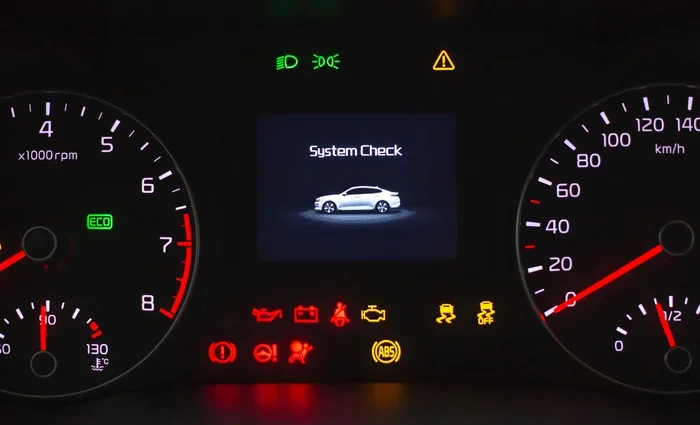
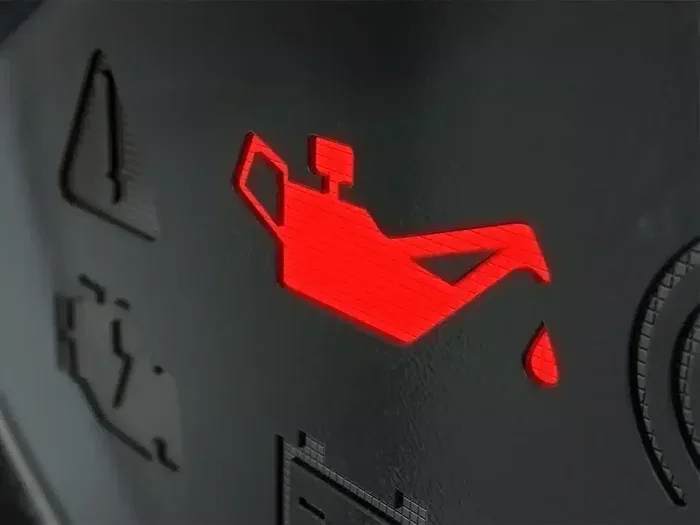
- Warning light on the dashboard: Many modern cars have a transmission warning light. Do not ignore it.
- Unusual noises: Grinding or whining sounds when in gear can mean low fluid.
If you notice any of these signs, take action quickly. Ignoring them can lead to complete transmission failure, which is one of the most expensive repairs a car can need.
Transmission Maintenance: Keeping Your Transmission Healthy
Good transmission maintenance goes beyond just checking fluid. Here are some habits that keep your transmission running smoothly for years.
- Check fluid regularly. Even if your car has a sealed transmission, periodic checks are smart. Once a month is a good habit.
- Change the fluid on schedule. Follow the intervals in your owner’s manual or ask your mechanic for advice.
- Avoid heavy towing beyond your vehicle’s capacity. Overloading puts extra strain on the transmission.
- Warm up your car in cold weather. Letting the engine idle for a minute or two helps the fluid circulate before you drive.
- Address small problems early. A small leak or slight delay in shifting can become a major issue if ignored.
- Keep your transmission filter clean. Some vehicles have a replaceable filter inside the transmission pan. Ask your mechanic to check it during fluid changes.
These simple steps can add years to your transmission’s life. They also save you money by preventing costly repairs. Think of transmission fluid as the lifeblood of your car’s drivetrain. Just like engine oil, it needs regular attention.
Common Mistakes That Damage Your Transmission
Many car owners unknowingly harm their transmissions. Here are the most common mistakes to avoid.
- Ignoring warning signs. Slipping gears or delayed shifting are not things to brush off.
- Never changing the fluid. Even “fill-for-life” fluids degrade over time. They are not truly lifetime fluids in most real-world conditions.
- Using the wrong fluid type. This is one of the fastest ways to cause internal damage.
- Shifting while the car is still moving. Always come to a complete stop before switching between drive and reverse.
- Racing the engine before the car warms up. Cold fluid is thick and does not lubricate properly. Give it time to warm up.
Avoiding these mistakes keeps your transmission healthy and your wallet happy. Prevention is always cheaper than repair.
Should You Add a Dipstick to a Sealed Transmission?
Some car enthusiasts wonder if they can add a dipstick to a sealed transmission. The answer is technically yes, but it is not simple. It requires drilling a hole, installing a tube, and ensuring a proper seal. This is not a DIY project for most people.
If you really want easy access to check your fluid, talk to a trusted mechanic. They can advise whether adding a dipstick is a good idea for your specific vehicle. In most cases, regular professional service is a better approach than modifying the transmission.
Conclusion
So, does every transmission have a dipstick? No, not every one does. Many modern vehicles use sealed or fill-for-life transmissions that do not include a traditional dipstick. But this does not mean you should ignore your transmission fluid. Regular checks and timely fluid changes are essential for keeping your transmission healthy.
Whether your car has a dipstick or not, the principles are the same. Keep the fluid at the right level. Use the correct transmission fluid type. Watch for warning signs. And when in doubt, see a professional. A little attention goes a long way toward avoiding expensive transmission repair bills.
Take a few minutes today to learn about your vehicle’s transmission maintenance needs. Check your owner’s manual, talk to your mechanic, and build a routine that works for you. Your transmission will thank you for it.
Frequently Asked Questions
Can I check my transmission fluid with the car parked on an incline?
No, you should always park on a level surface. Checking fluid on a slope gives an inaccurate reading because the fluid settles unevenly. This can lead to incorrect fluid level measurements and potentially overfilling or underfilling the transmission.
How often should I check my transmission fluid?
It is a good habit to check your transmission fluid at least once a month. You should also check it before long road trips. Regular checks help you catch low fluid levels early before they cause damage to your transmission.
Is it normal for transmission fluid to get low over time?
A small amount of fluid loss is normal over time, especially in older vehicles. However, if you notice a significant drop, there may be a leak. Transmission fluid does not burn off like engine oil, so a low level usually indicates a problem that needs attention.
Can I use any transmission fluid in my car?
No, you must always use the fluid type recommended by your vehicle manufacturer. Different transmissions require different formulations. Using the wrong fluid can cause poor shifting, overheating, and serious internal damage. Check your owner’s manual for the correct specification.
What happens if I never change my transmission fluid?
Over time, transmission fluid breaks down and loses its lubricating properties. Dirty fluid causes increased friction, overheating, and wear on internal components. Eventually, this can lead to transmission failure, which is one of the most expensive car repairs you can face.
Do electric vehicles have transmission dipsticks?
Most electric vehicles use a single-speed transmission that does not require a dipstick. These units are typically sealed and do not need regular fluid changes. However, some electric vehicles with more complex drivetrains may have transmission fluid that should be checked periodically by a professional.