Can a Car Overheat With Low Oil Heres Why It Matters
Can a car overheat with low oil? Absolutely. Low oil means less lubrication, which creates extra friction and heat inside the engine. This heat can quickly push the engine past its safe temperature, leading to serious damage. In this article, you’ll learn exactly how low oil causes overheating, the warning signs to watch for, and simple steps to keep your engine cool and running strong.
Have you ever wondered, can a car overheat with low oil? The answer is a clear yes. Your car’s engine relies on oil to stay cool and run smoothly. When the oil level drops too low, the engine starts to suffer. Friction increases, heat builds up, and soon you might be facing a serious overheating problem. This is not just a minor inconvenience. It can lead to expensive repairs or even a totaled engine.
Many drivers ignore the oil warning signs until it’s too late. They think a little low oil won’t matter much. But even a small drop can cause big trouble. Understanding how oil works and what happens when it’s low can save you a lot of money and stress. In this guide, I’ll walk you through the real connection between oil and engine temperature. You’ll learn the warning signs, common causes, and simple steps to prevent overheating.
Whether you’re a new car owner or a seasoned driver, this information matters. Can a car overheat with low oil is a question that comes up often in auto shops and online forums. The truth is, low oil is one of the most common reasons engines overheat. So let’s dive in and explore why this happens and how you can protect your vehicle.
Key Takeaways
- Yes, low oil can cause overheating: Without enough oil, friction builds up fast, raising engine temperature dangerously.
- Watch for warning signs: A rising temperature gauge, strange noises, and a hot hood are red flags.
- Check your oil regularly: A simple dipstick check can prevent major engine damage.
- Fix leaks promptly: Even small oil leaks can lead to low levels and overheating.
- Don’t ignore the check engine light: It often signals oil or cooling system problems.
- Regular oil changes matter: Fresh oil keeps your engine lubricated and cool.
📑 Table of Contents
- How Engine Oil Keeps Your Car from Overheating
- Can a Car Overheat With Low Oil? The Real Answer
- Warning Signs That Low Oil Is Causing Overheating
- What Causes Low Oil Levels in the First Place
- Quick Tips to Stop Overheating Before It Starts
- Expert Insight: The Hidden Damage Low Oil Can Cause
- Key Takeaways
- Conclusion
How Engine Oil Keeps Your Car from Overheating
Oil does more than just lubricate moving parts. It also plays a big role in keeping your engine cool. Think of oil as the lifeblood of your engine. It flows through tiny passages, carrying heat away from hot components like the pistons and crankshaft. Without enough oil, those parts rub together, creating friction. Friction creates heat. And too much heat leads to engine overheating.
The Lubrication and Cooling Connection
When your engine is running, hundreds of metal parts move against each other every second. Oil forms a thin layer between these parts. This layer reduces direct contact. Less contact means less friction. Less friction means less heat. A healthy oil level ensures this system works perfectly. But when the oil drops below the minimum mark, the protection disappears.
The oil pump pushes oil through the engine block. It picks up heat from the combustion chamber and carries it to the oil sump or oil cooler. If the oil level is low, the pump might suck air instead of oil. This is called cavitation. Air bubbles don’t cool the engine. They actually make the problem worse. The engine temperature starts to climb.
What Happens When Oil Drops Too Low
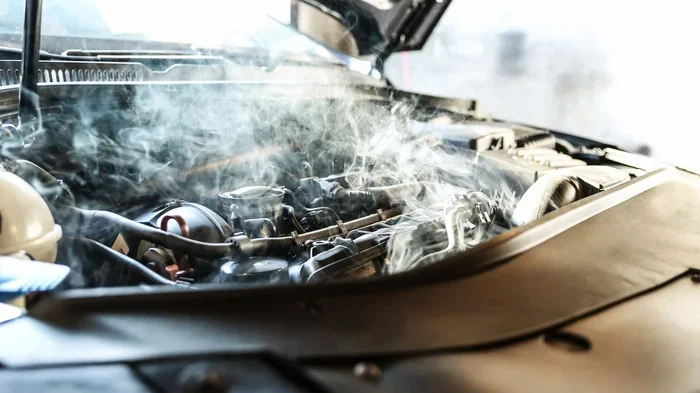
A low oil level means the engine is running dry in some areas. Metal-on-metal contact happens fast. The result is extreme heat. In just a few minutes, the engine can overheat. The oil itself can break down and lose its ability to flow. This is a dangerous cycle. Overheating can warp metal parts, blow head gaskets, or seize the engine completely.
Here’s a quick look at the difference between proper oil level and low oil level:
| Condition | Oil Protection | Heat Buildup | Risk of Overheating |
|---|---|---|---|
| Proper Oil Level | Full lubrication, cool flow | Normal, managed | Low |
| Low Oil Level | Insufficient, air mixed in | High, uncontrolled | Very High |
| No Oil | None | Extreme, instant | Engine failure in minutes |
As you can see, even a low oil level puts your engine at serious risk. The table makes it clear why checking your oil regularly is so important.
Quick Tips for Oil Health
- Check your oil level at least once a month.
- Do it when the engine is cool and the car is on level ground.
- Use the dipstick to get an accurate reading.
- Top up with the oil type recommended in your owner’s manual.
Common Mistake: Many drivers only check oil when the car is hot. This gives a false reading because oil hasn’t settled back into the sump. Always check when the engine is off and cool.
Can a Car Overheat With Low Oil? The Real Answer
Let’s get straight to the point. Can a car overheat with low oil? Yes, it absolutely can. In fact, low oil is one of the top causes of engine overheating. The oil system and the cooling system are separate, but they work together. Oil helps remove heat from internal engine parts. Coolant (or antifreeze) removes heat from the engine block and radiator. When oil is low, the heat removal job falls short. The cooling system can’t handle the extra heat alone.
Some people think that as long as the coolant is full, the car won’t overheat. That’s a dangerous myth. Oil and coolant have different jobs. Coolant keeps the engine block at a steady temperature. Oil keeps the internal moving parts cool and friction-free. If the oil is low, those parts heat up fast. This heat transfers to the coolant, overwhelming the whole system.
Here’s a real-world example. A driver notices the oil light is on but ignores it. They keep driving. Within 15 minutes, the temperature gauge starts climbing. The engine is overheating. A tow truck is called. The mechanic finds the oil level was critically low. The engine bearings were damaged from metal-on-metal contact. The repair bill was thousands of dollars. This story happens more often than you think.
So the answer to can a car overheat with low oil is a definitive yes. It’s not a maybe. It’s a direct cause-and-effect relationship. The lower the oil, the higher the risk.
Warning Signs That Low Oil Is Causing Overheating
Knowing the signs of low oil and overheating can save your engine. Many drivers miss the early clues. They only react when the temperature gauge hits the red zone. By then, damage may already be done. Let’s break down the warning signs you should never ignore.
Temperature Gauge Clues
The temperature gauge on your dashboard tells you a lot. If it starts climbing into the hot zone, something is wrong. A low oil level often causes a slow, steady rise. The gauge might creep up gradually while you’re driving. This is different from a sudden spike caused by a coolant leak. If you see the needle moving up, pull over safely and check your oil.
Strange Noises and Smells
A healthy engine runs quietly. When oil is low, you might hear knocking or ticking sounds. These noises come from parts that aren’t getting enough lubrication. The metal is tapping against metal. You might also smell burning oil. A hot, acrid smell from the engine bay is a red flag. Don’t ignore it. Shut off the engine and let it cool before checking the oil level.
The Oil Warning Light
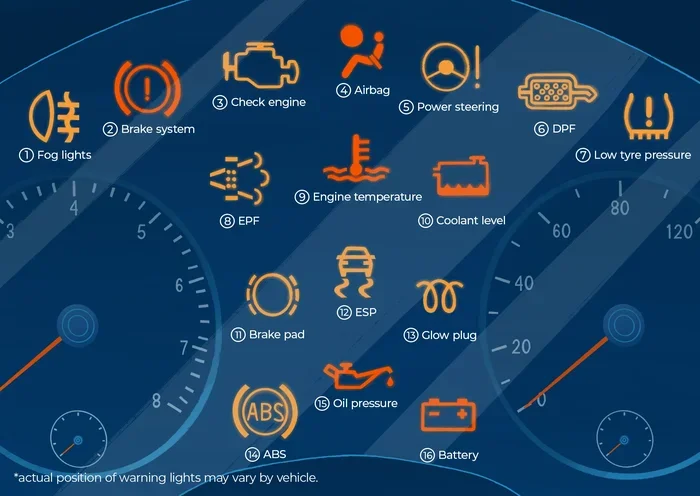
Your car has an oil pressure warning light. It looks like an old oil can symbol. If this light comes on, it means oil pressure is too low. This is a serious warning. Low oil pressure means the engine isn’t getting the oil it needs. Overheating is very likely to follow. Stop the car as soon as it’s safe to do so.
Expert Insight: Experienced mechanics say the oil pressure light is the last warning you want to see. By the time it’s on, the engine may already be starved of oil. Regular checks can prevent this situation entirely.
What Causes Low Oil Levels in the First Place
Understanding why oil levels drop helps you prevent overheating. Low oil doesn’t just happen out of nowhere. There are usually clear reasons. Let’s look at the most common causes.
Oil Leaks
Oil leaks are the number one cause of low oil. Leaks can happen from the oil pan gasket, valve cover gasket, or oil drain plug. A small leak might not be visible right away. You might just notice a puddle under your car after it’s been parked. Over time, even a slow leak can drain the oil to a dangerous level. This leads to overheating.
Burning Oil
Some engines burn oil internally. Worn piston rings or valve seals can let oil slip into the combustion chamber. You might see blue smoke coming from the exhaust. This means the oil is being burned away. The level drops slowly over weeks or months. If you don’t top up, the oil becomes too low to protect the engine.
Missed Oil Changes
Oil breaks down over time. It loses its viscosity and lubricating ability. Old oil can’t flow properly. It also can’t carry heat away effectively. Skipping oil changes means the oil degrades faster. Some drivers think they can just add oil without changing it. That’s not enough. Old oil needs to be drained and replaced with fresh oil and a new filter.
Incorrect Oil Capacity
Sometimes, low oil is a simple mistake. After an oil change, the mechanic might not add the correct amount. Or you might have added oil yourself and misjudged the amount. Always refer to your owner’s manual for the exact oil capacity. A quick check with the dipstick after any oil service can catch this error.
Quick Tip: Keep a log of your oil changes and checks. Note the date and mileage. This habit makes it easy to spot when oil levels start dropping too fast.
Quick Tips to Stop Overheating Before It Starts
Prevention is always better than repair. These simple steps can help you avoid the dangerous situation of low oil and overheating. Follow these tips and your engine will thank you.
- Check oil weekly. Get into the habit of checking your oil level every week. It takes just a minute. Pull out the dipstick, wipe it clean, reinsert, then check the level. Make sure it’s between the minimum and maximum marks.
- Top up promptly. If the oil is low, add the correct type of oil right away. Don’t wait for the next scheduled oil change. Driving with low oil is risky.
- Watch for leaks. Park your car on a clean surface. Look for dark spots or puddles underneath. Even a small drip means you have a leak. Get it fixed early.
- Monitor the temperature gauge. Keep an eye on your dashboard while driving. If the gauge starts climbing, pull over and shut off the engine. Let it cool for at least 15 minutes.
- Follow the maintenance schedule. Stick to the oil change intervals in your owner’s manual. Use the recommended oil weight and type.
- Don’t ignore warning lights. The oil pressure light and check engine light are there to protect you. Respond to them immediately.
Common Mistake: Many drivers top up the coolant when the car overheats, but forget to check the oil. If low oil is the cause, adding coolant won’t fix the problem. Always check both systems when the engine runs hot.
Expert Insight: The Hidden Damage Low Oil Can Cause
When can a car overheat with low oil becomes a reality, the damage can be severe and hidden. You might not see the full extent of the problem right away. Let’s look at what can happen inside your engine when oil is low for too long.
Warped Cylinder Head and Blown Head Gasket
An engine that overheats due to low oil can warp the cylinder head. The metal expands unevenly. This creates a gap between the head and the engine block. The head gasket, which seals the joint, can blow out. A blown head gasket is a serious and expensive repair. Coolant can leak into the cylinders, and oil can mix with coolant. The engine loses its ability to cool itself properly.
Scored Cylinder Walls and Worn Bearings
Without a proper oil film, metal parts grind against each other. The cylinder walls can get scored. The bearings that support the crankshaft and camshaft can wear out quickly. This leads to a loss of oil pressure and further overheating. In extreme cases, the engine seizes completely. A seized engine means the car won’t start. Rebuilding or replacing the engine is the only option.
The Cost of Ignoring Low Oil
The cost of fixing an overheated engine can be staggering. A simple oil top-up costs very little. An oil change is a few hundred dollars. But a new engine can cost several thousand dollars. The table below shows the average repair costs for different levels of engine damage caused by low oil and overheating.
| Problem | Average Repair Cost | Prevention Difficulty |
|---|---|---|
| Oil top-up and reset | $20 – $50 | Very Easy |
| Oil change with new filter | $50 – $150 | Easy |
| Oil leak repair (gasket) | $150 – $400 | Moderate |
| Head gasket replacement | $1,000 – $2,500 | Difficult |
| Engine rebuild or replacement | $3,000 – $7,000+ | Very Difficult |
As you can see, the cost skyrockets when you ignore low oil. The best way to avoid these expenses is simple: keep your oil at the right level. Can a car overheat with low oil? Yes, but you have the power to prevent it.
Expert Insight: Many mechanics say that a 10-minute oil check can save you thousands of dollars. Make it a part of your routine. It’s one of the easiest and most effective ways to protect your car.
Key Takeaways
- Low oil directly causes overheating: Without enough oil, friction and heat spike, overwhelming the engine’s cooling system.
- Check your oil regularly: A weekly dipstick check takes seconds and can prevent major damage.
- Watch for warning signs: Temperature gauge rise, oil pressure light, strange noises, and burning smells all signal trouble.
- Fix leaks and top up promptly: Even small leaks can drain oil to dangerous levels over time.
- Don’t ignore the oil change schedule: Fresh oil maintains proper lubrication and heat transfer.
- Act immediately if the engine overheats: Pull over, shut off the engine, and let it cool before investigating.
Conclusion
The answer to can a car overheat with low oil is a resounding yes. Low oil removes the protective layer that keeps your engine cool and friction-free. It leads to a dangerous cycle of heat buildup, metal damage, and potential engine failure. The good news is that this problem is entirely preventable. A little attention to your oil level can save you from a world of trouble and expense.
Make it a habit to check your oil every week. Look for leaks. Change your oil on schedule. Listen to your car’s warning signs. If the temperature gauge rises or the oil light comes on, don’t ignore it. Pull over and address the issue. Your engine is the heart of your vehicle. Treat it well, and it will serve you for years to come.
Remember, can a car overheat with low oil is not just a question. It’s a warning. Take it seriously, and your car will stay cool and reliable on every drive.
Frequently Asked Questions
How long can you drive a car with low oil before it overheats?
It depends on how low the oil is. If the oil level is just slightly below the minimum, you might drive for 15 to 30 minutes before the engine starts to overheat. If the oil is completely empty, the engine can overheat in just a few minutes. The key is to never drive with the oil light on or when the dipstick shows no oil.
Can low oil cause overheating even if the coolant is full?
Yes, absolutely. Oil and coolant are separate systems. Coolant cools the engine block, but oil cools the internal moving parts. Low oil means those parts generate excess heat. This heat transfers to the coolant, which can’t handle the extra load. So even with a full coolant tank, low oil can cause overheating.
What should I do if my car overheats due to low oil?
First, pull over safely and turn off the engine. Do not open the radiator cap while the engine is hot. Let the car cool for at least 15 minutes. Once cooled, check the oil level with the dipstick. If it’s low, add oil if you have it. Then call for a tow if the engine is still hot. Driving an overheating car can cause catastrophic damage.
Does synthetic oil help prevent overheating better than conventional oil?
Synthetic oil generally has better heat tolerance and flows more smoothly at high temperatures. It can help keep the engine cooler under heavy loads. However, no oil can prevent overheating if the level is too low. The most important factor is maintaining the correct oil level, regardless of the type of oil you use.
Can a clogged oil filter cause overheating?
Yes, a clogged oil filter restricts oil flow. This means less oil reaches the engine’s internal parts. The result is increased friction and heat buildup. If the filter is severely clogged, the oil pressure drops, and the engine can overheat. Regular oil changes with a new filter help prevent this problem.
Is it normal for the oil level to drop between changes?
A small drop is normal. Engines can consume a little oil over time, especially older cars or those with high mileage. However, if you’re losing more than a quart between changes, you likely have a leak or an internal oil burn issue. Have a mechanic inspect the car to find the cause.