Can You Run Diagnostics Without a Check Engine Light
Can You Run Diagnostics Without a Check Engine Light? Yes, you can still diagnose vehicle issues even when the warning lamp is off. Using an OBD-II scanner or code reader, you can access diagnostic trouble codes and perform a vehicle health check. This guide explains how to use diagnostic equipment and what to do when the engine light is off but problems persist.
Many car owners wonder if they can still diagnose problems when the check engine light stays dark. The short answer is yes. You can run diagnostics without a check engine light and uncover hidden issues. Modern vehicles store fault codes even before the warning lamp turns on. This means your car might be trying to tell you something, and you just need the right tool to listen.
Running a vehicle diagnostic is easier than most people think. With a basic OBD-II scanner, you can pull diagnostic trouble codes in minutes. Whether you are dealing with a rough idle, poor fuel economy, or strange noises, this guide will show you how to find the root cause. You will learn about different scan tools, what to do when the light is off, and how to avoid common mistakes.
Key Takeaways
- You can run diagnostics without a check engine light: An OBD-II scanner reads codes even when the lamp is off.
- Pending codes reveal hidden issues: These codes store before the light turns on.
- A burnt-out bulb is a common culprit: The light may be off even if the system detects a fault.
- Visual inspections and manual tests help: You don’t always need electronic tools.
- Use a quality scan tool: Not all code readers support every vehicle protocol.
- Symptoms matter more than the light: Rough idle, poor fuel economy, or stalling signal trouble.
- Regular checks save money: Catching small problems early prevents costly repairs.
📑 Table of Contents
- Can You Run Diagnostics Without a Check Engine Light?
- How to Run Diagnostics Without a Check Engine Light
- Common Reasons the Check Engine Light Stays Off
- When You Should Still Run a Diagnostic
- Common Mistakes to Avoid When Diagnosing Without the Light
- Key Takeaways for Running Diagnostics Without a Check Engine Light
Can You Run Diagnostics Without a Check Engine Light?
The check engine light is just one way your car communicates trouble. It does not mean everything is fine when the light is off. Inside the engine control module, the vehicle stores codes for any detected faults. Some of these codes are pending, meaning they have not yet triggered the lamp. You can access these codes with the right diagnostic equipment.
So, can you run diagnostics without a check engine light? Absolutely. The OBD-II port in your car connects to a scan tool that reads data from the powertrain control module. This works whether the light is on or off. The tool retrieves stored codes, live sensor data, and freeze-frame information. You get a full picture of your car’s health, even when the dashboard stays quiet.
Understanding Diagnostic Trouble Codes
Every fault code follows a standard format. The first letter tells you the system involved. P stands for powertrain, B for body, C for chassis, and U for network communications. The next digit indicates whether the code is generic or manufacturer-specific. The last four digits describe the exact problem. For example, P0301 means a misfire in cylinder one. These codes help you pinpoint the issue without guessing.
When you plug in a code reader, it displays these alphanumeric codes. You can then look up what each code means. Some scanners even offer plain-English definitions. This makes engine diagnostics simple for DIYers. You do not need to be a mechanic to understand what your car is trying to say.
When the Light Is Off, Can You Still Diagnose?
Yes, you can diagnose many problems without the light being on. In fact, some issues only store a code temporarily. The light might not illuminate if the problem is intermittent. A scan tool will still show you the stored or pending codes. This is especially useful for vehicles with a history of rough running or stalling.
Even if the engine light is off, you can perform a vehicle health check. You can view live data from sensors like the oxygen sensor, mass airflow sensor, and coolant temperature. Comparing this data to factory specs helps you spot anomalies. A small deviation can reveal a failing sensor before it triggers the light.
How to Run Diagnostics Without a Check Engine Light
Running diagnostics without the light on requires a few simple steps. You will need a reliable scan tool and some basic knowledge. Here is how to do it effectively.
Using an OBD-II Scanner
First, locate the OBD-II port under your dashboard. It is usually on the driver’s side near the steering column. Plug in your OBD-II scanner and turn the ignition to the on position. Do not start the engine. The scanner will power up and connect to the car’s computer.
Next, select “Read Codes” from the menu. The scanner will display any stored or pending diagnostic trouble codes. Write them down or take a photo. You can then search for the meaning of each code. Many scanner apps provide detailed explanations and suggested fixes. This gives you a clear starting point for repairs.
Some advanced scanners also read freeze-frame data. This shows the exact conditions when the code was recorded, such as engine speed, load, and temperature. Freeze-frame data helps you reproduce the problem and verify the repair. It is a powerful feature for diagnostic testing.
Checking for Pending Codes
Pending codes are like early warnings. They appear when a problem is detected but not yet severe enough to turn on the check engine light. A good scan tool will show both pending and confirmed codes. Checking for pending codes is a smart way to catch issues early.
To view pending codes, look for an option like “Pending Codes” or “Status” in your scanner menu. Not all scanners display them, so choose one that does. Pending codes can reveal problems with the emissions system, fuel mixture, or ignition timing. Addressing them quickly can prevent the light from coming on and avoid more damage.
Visual Inspections and Manual Tests
Electronic diagnostics are powerful, but they are not the only way. You can perform a visual inspection to spot obvious issues. Check the engine oil level, coolant, and brake fluid. Look for loose or corroded battery terminals. Inspect vacuum hoses for cracks or leaks. A simple visual check can often explain rough running or stalling.
You can also do manual tests with basic tools. For example, use a multimeter to check sensor resistance. A fuel pressure gauge can reveal a weak pump. These tests complement your diagnostic equipment and give you a fuller picture. They are especially helpful when the scan tool shows no codes but the car still has symptoms.
Quick Tips for Running Diagnostics
- Always turn the ignition to the on position, not the start position, before connecting the scanner.
- Clear codes only after you have recorded them for reference.
- Use a scanner that supports your vehicle’s year, make, and model.
- Check for software updates on your scan tool to ensure compatibility.
- Take notes on freeze-frame data and live sensor readings for future comparison.
- Never ignore pending codes, even if the check engine light is off.
Common Reasons the Check Engine Light Stays Off
If your car has a problem but the light is not on, several things could be at play. Understanding these reasons helps you interpret your diagnostic results correctly.
Burnt-Out Bulb or Faulty Indicator
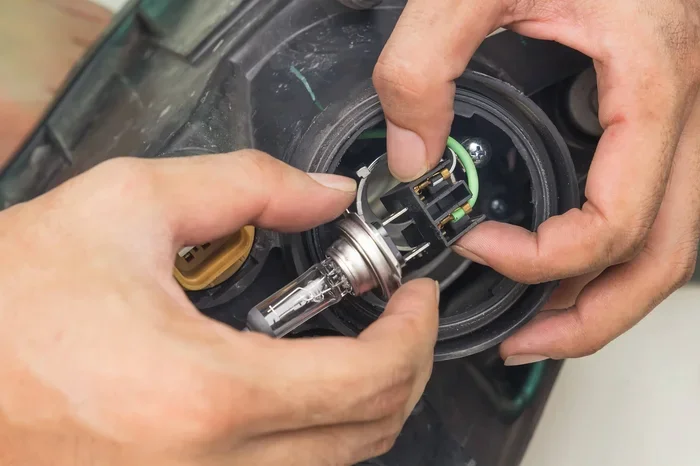
The most common reason the check engine light stays off is a burnt-out bulb. The bulb itself may be dead, while the engine control module still detects faults and stores codes. This is more common in older vehicles. A simple bulb replacement often solves the issue, but you should still check the codes first.
Some modern cars have a separate warning lamp for different systems. If the bulb for the check engine light is out, you might not see any dashboard warning. This can be dangerous because you might ignore a serious problem. Always verify the bulb’s condition if you notice no light despite known issues.
Intermittent Issues
Intermittent problems can cause codes to store and clear without ever turning on the light. A loose gas cap, for example, might trigger a code, tighten itself, and then clear the code. The check engine light never comes on because the condition was temporary. However, the code may still be stored as pending or history.
These intermittent issues are tricky to diagnose. They require patience and repeated scans. A good OBD-II diagnostic tool with a “pending codes” feature is essential here. You may need to drive the car under specific conditions to reproduce the fault. Recording live data over time can help you catch these fleeting problems.
Aftermarket Devices or Tuning
Some aftermarket devices, like performance tuners or chip modifications, can alter how the check engine light behaves. They might suppress the light even when the system detects a fault. This is common in modified vehicles. If you have an aftermarket tune, it can hide problems that would normally trigger the lamp.
This does not mean the problem is gone. The fault codes are still stored in the powertrain control module. A professional scan tool can usually bypass the suppression and read the true codes. If you have a modified vehicle, always use a scan tool that can read hidden or suppressed codes.
When You Should Still Run a Diagnostic
Even without the check engine light, there are clear signs that a diagnostic is needed. Paying attention to these signs can save you from major breakdowns. Here is when you should definitely run a vehicle health check.
Even Without the Light, Symptoms Matter
Your car gives you many clues when something is wrong. A rough idle, stalling at stops, or hesitation during acceleration are all red flags. Poor fuel economy, unusual smells, or strange sounds also indicate trouble. These symptoms can exist even when the engine light is off. Ignoring them can lead to more expensive repairs later.
For example, a slight misfire might not trigger the light immediately, but it can damage the catalytic converter over time. Running a diagnostic test early can catch the misfire code and save you hundreds of dollars. Always trust your senses—if something feels off, investigate it.
Preventive Maintenance and Routine Checks
Smart car owners run diagnostics as part of routine maintenance. A yearly vehicle health check can spot small issues before they become big problems. Even if the check engine light is off, a scan can reveal pending codes or sensor drift. This proactive approach keeps your car running smoothly and extends its lifespan.
Many quick-lube shops and auto parts stores offer free diagnostic testing with a basic scan tool. You can also buy a personal OBD-II scanner for under $50. Having your own tool means you can check your car anytime, without waiting for a shop appointment. It is a small investment that pays for itself quickly.
Comparison: Diagnostic Methods Without the Check Engine Light
Not all diagnostic methods are the same. Here is a quick comparison of the most common ways to diagnose issues when the light is off.
| Method | What It Does | Best For | Cost |
|---|---|---|---|
| OBD-II Scanner | Reads stored and pending codes from the ECM | Finding specific fault codes and freeze-frame data | $30–$150 for a basic scanner; free at some shops |
| Code Reader | Displays basic trouble codes and clears them | Quick code checks and resetting the light | $20–$50 |
| Visual Inspection | Checks for obvious wear, leaks, or damage | Spotting loose hoses, low fluids, or corroded terminals | Free |
| Manual Sensor Testing | Uses a multimeter or gauge to test sensor output | Verifying sensor accuracy and wiring issues | Free if you own a multimeter |
| Professional Diagnostic | Full system scan with manufacturer-level software | Complex or intermittent issues that basic tools miss | $100–$200 at a shop |
Each method has its place. A basic code reader is great for a quick check. An OBD-II scanner gives you more data. For stubborn problems, a professional diagnostic test with advanced software is the best choice. Combining these methods gives you the most accurate picture.
Common Mistakes to Avoid When Diagnosing Without the Light
Running diagnostics without a check engine light can be tricky. Avoid these common mistakes to get accurate results and prevent further damage.
Ignoring Other Warning Signs
Some drivers focus only on the check engine light and ignore other symptoms. If the light is off, they assume everything is fine. But your car has many warning systems. A flashing oil light, a temperature gauge in the red, or a battery warning symbol all demand attention. These signs can point to serious problems that a simple code scan might not reveal.
Always pay attention to how the car feels and sounds. A diagnostic scan is only one tool. Combine it with your observations for the best results. If you notice a new vibration, a loss of power, or a strange noise, do not wait for the light to come on. Address it immediately.
Relying Only on the Check Engine Light
Many people believe that no light means no problem. This is a dangerous assumption. The check engine light is designed to illuminate for specific emissions-related faults, not all mechanical issues. A transmission problem, a failing wheel bearing, or a low brake fluid level might not trigger the light at all. These issues can be just as serious.
To truly understand your car’s health, you need to go beyond the light. Use diagnostic equipment to check all available systems. Even if the light is off, a full scan can reveal hidden faults. Think of the light as a last resort warning, not the only indicator.
Using the Wrong Scanner or Tool
Not all scan tools are created equal. A cheap code reader might only show generic codes and not support your vehicle’s specific protocol. Some older cars use different communication standards. If your scanner cannot communicate with the car, you will get no data, even if there are codes stored.
Invest in a quality OBD-II scanner that supports your vehicle’s make and model. Look for tools that read pending codes, live data, and freeze-frame data. Many modern scanners also offer enhanced diagnostics for specific systems like ABS, airbags, and transmission. The right tool makes all the difference in engine diagnostics.
Key Takeaways for Running Diagnostics Without a Check Engine Light
Running diagnostics without a check engine light is not only possible, it is often necessary. Your vehicle stores fault codes and data even when the dashboard stays quiet. With a simple OBD-II scanner, you can uncover hidden problems and prevent costly repairs. Here is a quick recap of what you have learned.
- The check engine light is not the only way your car signals trouble. Pending and stored codes exist even when the light is off.
- An OBD-II scanner or code reader is your best friend for accessing these codes and live sensor data.
- A burnt-out bulb, intermittent faults, or aftermarket tuning can keep the light off despite real problems.
- Visual inspections and manual tests complement electronic diagnostics and help you spot issues early.
- Always address symptoms like rough idle, stalling, or poor fuel economy, even if the light is not on.
- Regular diagnostic checks are a smart part of preventive maintenance and can save you money in the long run.
By taking a proactive approach, you stay ahead of potential breakdowns. You do not need to wait for the engine light to come on to take action. With the right knowledge and tools, you can keep your car healthy and running smoothly for years to come.
Frequently Asked Questions
Can I run diagnostics without a check engine light using a free OBD-II app?
Yes, many free or low-cost OBD-II apps work with a Bluetooth adapter. These apps can read stored and pending codes even when the check engine light is off. You will need a compatible adapter and a smartphone. The app will display the trouble codes and their meanings. However, a dedicated scan tool often provides more detailed data and better reliability.
What does it mean if I have codes but no check engine light?
Having codes without the light usually means the issue is pending or intermittent. The car’s computer has detected a fault but the condition has not yet been severe enough to trigger the lamp. It could also mean the bulb is burnt out. Either way, you should address the codes promptly to prevent the problem from worsening.
Do I need a mechanic to run diagnostics if the check engine light is off?
No, you do not need a mechanic. With an OBD-II scanner or code reader, you can run diagnostics yourself at home. Basic tools are easy to use and come with clear instructions. If you find codes you do not understand, a mechanic can help interpret them. But the initial scan is something any car owner can do.
Can a loose gas cap cause codes without turning on the check engine light?
Yes, a loose or faulty gas cap can trigger a pending code related to the evaporative emissions system. The code may store without turning on the check engine light immediately. Tightening the cap often clears the code. If the cap is damaged, replacing it is a cheap and easy fix that can resolve the issue.
How often should I run a diagnostic scan even if the check engine light is off?
It is a good idea to run a scan at least once a year as part of routine maintenance. You should also scan whenever you notice any unusual symptoms like rough idle, stalling, or poor fuel economy. Regular scans help you catch small problems before they turn into expensive repairs. Think of it as a health checkup for your car.
Will clearing codes without fixing the problem turn off the check engine light permanently?
Clearing codes without fixing the underlying issue will not turn the light off permanently. The car’s computer will detect the same fault again and set the code once more. The light may come back on after a few drive cycles. Always diagnose and repair the root cause before clearing codes. This ensures the problem is truly resolved and the light stays off.
=== CONCLUSION ===
Can You Run Diagnostics Without a Check Engine Light? Yes, you absolutely can. Your vehicle stores fault codes and data even when the warning lamp is dark. With an OBD-II scanner or code reader, you can access those codes and gain valuable insights into your car’s condition. Whether you are dealing with a rough idle, poor fuel economy, or just want to stay ahead of problems, running diagnostics without a check engine light is a smart move.
Do not wait for the light to come on to take action. Use the tips and tools in this guide to perform your own vehicle health check. Combine electronic scans with visual inspections and manual tests for the most thorough results. By staying proactive, you save money, prevent breakdowns, and keep your car running at its best. Start your diagnostic journey today and take control of your car’s maintenance with confidence.