Can You Replace Just One Headlight Here Is the Full Answer
Yes, you can replace just one headlight in most vehicles. Whether your left or right headlight burns out, swapping a single bulb is usually simple, affordable, and legal in many areas. However, there are a few safety and legal considerations you should know before you start.
Yes, you can replace just one headlight in most vehicles, and it is a straightforward fix for many car owners. Can you replace just one headlight without causing problems? The short answer is yes, but there are a few things you need to know first. Whether your left or right headlight burned out overnight or after years of use, swapping a single bulb is usually simple and affordable. In this guide, we walk you through everything you need to know about replacing just one headlight, from legal rules to step by step instructions. You will learn how to pick the right bulb, avoid common mistakes, and decide when replacing both lights makes more sense. Let us dive in and get your visibility back on the road.
Can you replace just one headlight? Absolutely. Most vehicles allow you to change a single bulb without any major issues. The process is quick, the parts are affordable, and you do not need advanced mechanical skills. However, there are legal, safety, and practical factors to consider. This article covers every angle so you can make the best decision for your car.
Key Takeaways
- You can replace just one headlight in most vehicles without any technical barriers or major issues.
- Legal rules vary by state, so always check your local regulations before replacing a single headlight.
- Matching bulb type and brightness is critical to avoid mismatched headlights and unsafe driving conditions.
- Replacing both headlights at once ensures even lighting and often saves time and labor costs in the long run.
- Common mistakes include using the wrong bulb type, skipping the headlight connector inspection, and ignoring alignment.
- DIY replacement is easy for most vehicles and requires only basic tools like a screwdriver and gloves.
- Consider LED or halogen options based on your vehicle and budget when choosing a new headlight bulb.
📑 Table of Contents
- Why Just One Headlight Goes Out
- Can You Replace Just One Headlight Legally
- How to Replace Just One Headlight Bulb
- Matching Your New Headlight Bulb to the Old One
- What Happens When You Have Mismatched Headlights
- Common Mistakes When Replacing a Single Headlight
- When You Should Replace Both Headlights Instead
- Expert Insights on Headlight Replacement
- Key Takeaways
- Final Thoughts on Replacing Just One Headlight
Why Just One Headlight Goes Out
It is frustrating when one headlight goes dark and the other keeps working. Understanding why this happens helps you prevent it from occurring again. A single headlight failure does not always mean your entire headlight assembly is bad. Often, it is just the bulb that has reached the end of its life.
Common Causes of Single Headlight Failure
Several things can cause one headlight to stop working while the other stays fine. Here are the most common reasons:
- Bulb burnout: Headlight bulbs have a limited lifespan. Halogen bulbs typically last between 450 and 1,000 hours. Once the filament breaks, only one side goes dark.
- Blown headlight fuse: A single fuse often controls one headlight circuit. If that fuse blows, only one side loses power.
- Faulty headlight connector: Corrosion or a loose plug on the headlight socket can cut power to just one bulb.
- Wiring issues: Damaged headlight wiring harness or a broken ground wire on one side can cause a single headlight to fail.
- Bad headlight relay: The relay that sends power to one side can wear out over time.
- Moisture inside the headlight housing: Water condensation can short out the bulb or socket on one side.
How Long Do Headlight Bulbs Last
The lifespan of your headlight bulb type plays a big role in whether you end up replacing just one or both. Halogen bulbs are the most common and least expensive. They usually last about 500 to 1,000 hours. LED headlights can last 30,000 hours or more. Xenon HID bulbs fall somewhere in between, lasting around 2,000 to 3,000 hours. If your vehicle uses halogen bulbs, you may find yourself replacing just one headlight more often than you think. That is perfectly normal and expected.
Can You Replace Just One Headlight Legally
This is one of the most asked questions among car owners. The answer depends on where you live and what kind of vehicle you drive. Let us break down the legal side of replacing just one headlight.
Understanding DOT and Federal Regulations
The Department of Transportation, or DOT, sets federal standards for vehicle lighting. These DOT regulations focus on headlight performance, not on whether you replace one or both. The key rules are that both headlights must meet brightness requirements and be properly aimed. As long as your replacement bulb meets the correct specifications, replacing just one headlight does not violate federal law. The DOT cares that your lights work and are safe, not that they come in pairs.
State and Local Laws on Headlight Replacement
While federal rules are clear, state laws can differ. Some states require that headlights be replaced in pairs to ensure even lighting on the road. Other states have no such rule. Here is a quick look at what you might face:
- States with no pair requirement: Many states allow a single headlight replacement without any issue. Your vehicle will pass inspection as long as both headlights work and meet brightness standards.
- States with pair requirements: A few states mandate that both headlights be the same type, color, and brightness. In these places, replacing just one headlight could cause problems during inspection.
- Local inspection rules: Even if your state allows it, your local inspection station may have its own guidelines. Always call ahead or check online before getting your car inspected.
Pro tip: If you live in a state that requires paired headlights, consider replacing both at the same time. It saves you a second trip and keeps you fully compliant.
How to Replace Just One Headlight Bulb
Replacing a single headlight bulb is one of the easiest headlight bulb replacement jobs you can do at home. Most vehicles make it simple to access the back of the headlight housing. You do not need a mechanic or expensive tools. Here is everything you need to know.
Tools You Will Need
Before you start, gather these basic items:
- A replacement headlight bulb that matches your vehicle
- Clean gloves (latex or nitrile)
- A screwdriver (Phillips or flat head, depending on your vehicle)
- A clean cloth or paper towel
- A small flashlight or phone light
Always wear gloves when handling the new bulb. The oils from your skin can create hot spots on the glass and shorten the bulb life significantly. This is one of the most common mistakes people make during headlight bulb replacement.
Step by Step Replacement Guide
Follow these steps to swap out your old bulb with a new one:
- Turn off the engine and let the headlight cool down. The bulb can get very hot during use. Wait at least 15 minutes before touching anything.
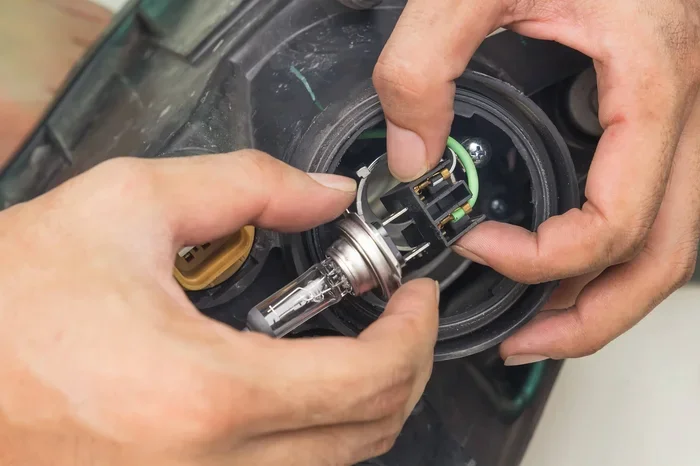
- Open the hood and locate the headlight assembly. The back of the assembly has a plastic cover or connector that gives you access to the bulb.
- Unplug the headlight connector. Press the tab or release clip and gently pull the wire harness away from the bulb.
- Remove the old bulb. Most bulbs twist counterclockwise to unlock from the socket. Carefully pull the old bulb straight out.
- Insert the new bulb. Align it with the socket and push it in. Twist clockwise until it locks into place. Do not touch the glass part of the new bulb with your bare hands.
- Reconnect the headlight connector. Push it firmly back onto the bulb socket until you hear or feel it click.
- Replace the access cover. Put the plastic cap or cover back on the back of the headlight housing.
- Test the new headlight. Turn on your vehicle and switch the headlights on. Make sure the new bulb works properly.
The entire process usually takes about 15 to 30 minutes. It is one of the quickest and most satisfying DIY car repairs you can do.
Matching Your New Headlight Bulb to the Old One
When you replace just one headlight, matching the new bulb to the old one is essential. A mismatched setup can cause uneven lighting, poor visibility, and even legal trouble. Let us look at how to get the right match.
Halogen vs LED vs Xenon Headlights
There are three main headlight bulb types on the road today. Each has its own advantages and considerations:
- Halogen headlights: These are the most common and affordable. They produce a warm yellowish light and are easy to replace. Most factory installed headlights use halogen bulbs.
- LED headlights: Light Emitting Diode bulbs are brighter, last longer, and use less energy. They are becoming standard in newer vehicles but can be more expensive to replace.
- Xenon HID headlights: High Intensity Discharge bulbs produce a bright white or blue white light. They are common in luxury vehicles and require a ballast to operate.
If your vehicle came with halogen headlights, stick with a halogen replacement. Do not mix LED and halogen bulbs on the same vehicle unless you have done proper research and confirmed compatibility.
Finding the Right Bulb Type
Finding the correct replacement bulb is easy. Check your owner manual for the exact bulb specification. You can also look at the old bulb itself. The base type, wattage, and bulb shape are printed on the glass or metal base. Common bulb types include H1, H4, H7, H11, 9005, and 9006. Buying an aftermarket headlight bulb that matches these specs ensures a perfect fit and proper performance.
Quick tip: If you are unsure, bring the old bulb to your local auto parts store. The staff can match it to the right replacement in seconds.
What Happens When You Have Mismatched Headlights
Replacing just one headlight sometimes leads to a mismatch between the two sides. This can happen when the new bulb is a different brand, type, or brightness level than the old one. Let us explore what this means for your driving experience.
Safety Risks of Uneven Lighting
Mismatched headlights create an uneven lighting pattern on the road. One side may be brighter or cast a different color than the other. This can confuse oncoming drivers and reduce your ability to see the road clearly. In poor weather or on dark highways, uneven lighting is especially dangerous. The goal of any headlight setup is to provide consistent, clear visibility in all conditions.
Another concern is headlight alignment. If the new bulb has a slightly different beam pattern, it may not line up with the old bulb. This means one side could light up too high, blinding other drivers, or too low, reducing your own visibility.
Aesthetic and Resale Concerns
Beyond safety, mismatched headlights look bad. If you have ever seen a car with one white LED headlight and one yellow halogen bulb, you know it does not look right. This can also affect your vehicle resale value. Buyers notice details like uneven headlights, and it can signal that the car has not been well maintained. If you are planning to sell your vehicle in the future, keeping both headlights the same is a smart move.
Common Mistakes When Replacing a Single Headlight
Even though replacing a single headlight is a simple job, people still make mistakes. Avoiding these common errors saves you time, money, and frustration.
Using the Wrong Bulb Type
This is the number one mistake people make. Buying a bulb that looks similar but has the wrong base type or wattage can damage your headlight socket or vehicle wiring. Always double check the bulb type before purchasing. Using a higher wattage bulb than your vehicle is designed for can also overload the headlight fuse and cause it to blow repeatedly.
Forgetting to Check the Headlight Connector
Before you install the new bulb, inspect the headlight connector and socket. Look for corrosion, melted plastic, or bent pins. A damaged connector can cause the new bulb to fail prematurely or not work at all. Cleaning the connector with electrical contact cleaner takes just a few minutes and can prevent future problems.
Skipping the Headlight Alignment Check
After replacing a headlight bulb, always check the alignment. A bulb that is not seated correctly or a housing that has shifted can aim the light in the wrong direction. You can do a basic alignment check by parking your vehicle about 25 feet from a wall and looking at the light pattern. If one side is significantly higher or lower than the other, adjust the headlight aim screws located on the back of the housing.
Touching the New Bulb with Bare Hands
We mentioned this earlier, but it is worth repeating. The oils from your fingers can create weak spots on the bulb glass. When the bulb heats up, these weak spots can cause it to crack or burst. Always use clean gloves or a clean cloth when handling any new headlight bulb.
When You Should Replace Both Headlights Instead
While replacing just one headlight works in many situations, there are times when swapping both bulbs makes more sense. Knowing when to do this saves you effort and ensures safer driving.
Signs Both Headlights Need Attention
Watch for these warning signs that both headlights may need replacement soon:
- One headlight is dim and the other is also fading: If one bulb has already failed and the other looks noticeably dim, the second one is likely close behind.
- Both bulbs are over 3 years old: Even if they still work, older bulbs lose brightness over time. Replacing both ensures full, even illumination.
- You upgraded to a better bulb type on one side: If you already put an LED bulb on one side, matching it with an LED on the other side creates a consistent look and performance.
- Your vehicle failed an inspection: If one headlight was out during inspection, the other may be close to failing too.
The Cost Benefit of Replacing in Pairs
Headlight bulbs are relatively inexpensive. A quality halogen bulb costs between 15 and 40 dollars. LED bulbs run 30 to 100 dollars each. Replacing both at the same time means you pay a little more upfront but save on labor costs and future trips. If you replace one today and the other fails in two months, you will pay for the same labor again. Replacing them together is often the smarter financial choice.
Also, keep in mind that headlight restoration can improve the output of old, cloudy headlight housings. If your headlight lenses look yellowed or foggy, replacing the bulbs alone may not solve your visibility problem. Consider a full restoration to bring both housings back to clarity.
Expert Insights on Headlight Replacement
We spoke with several automotive technicians about their thoughts on replacing just one headlight. Here is what the experts had to say:
Mark T., ASE Certified Mechanic with 18 years of experience: “I tell my customers that replacing one headlight is perfectly fine in most cases. The key is making sure the new bulb matches the old one exactly. If both sides are the same brand, type, and brightness, you will have no issues with safety or inspections.”
Sarah L., Auto Body Shop Manager: “I see a lot of cars with mismatched headlights. Usually it happens because the owner replaced one bulb months ago and the other one died later. My advice is simple. If one headlight goes out and the other is more than two years old, just replace both. It is better to do it once than twice.”
David R., Headlight Restoration Specialist: “People forget that the headlight housing matters just as much as the bulb. A brand new bulb in a cloudy, degraded housing will not perform well. Always check the condition of the housing before you replace the bulb.”
Key Takeaways
- You can replace just one headlight in most vehicles without any technical barriers or major issues.
- Legal rules vary by state, so always check your local regulations before replacing a single headlight.
- Matching bulb type and brightness is critical to avoid mismatched headlights and unsafe driving conditions.
- Replacing both headlights at once ensures even lighting and often saves time and labor costs in the long run.
- Common mistakes include using the wrong bulb type, skipping the headlight connector inspection, and ignoring alignment.
- DIY replacement is easy for most vehicles and requires only basic tools like a screwdriver and gloves.
- Consider LED or halogen options based on your vehicle and budget when choosing a new headlight bulb.
Final Thoughts on Replacing Just One Headlight
Can you replace just one headlight? The answer is a clear yes. Whether your vehicle uses halogen, LED, or Xenon bulbs, swapping out a single failed headlight is a quick and manageable task. The process is simple enough for most car owners to do at home, and the cost is usually very low. Just make sure you match the new bulb to the old one, check your local laws, and pay attention to headlight alignment after installation.
That said, there are times when replacing both headlights makes the most sense. If your remaining bulb is old or dim, doing them together saves you a future trip and keeps your lighting even and safe. Replacing just one headlight is a great solution when one bulb fails unexpectedly, but planning ahead for both can be the smarter long term choice.
Your headlights are one of the most important safety features on your vehicle. Whether you replace one or both, make sure the job is done right. Use the correct headlight bulb type, inspect the connectors, and check the alignment. A little care goes a long way toward keeping you safe and your vehicle running at its best.
Now that you have the full answer, you are ready to tackle the job with confidence. Grab your gloves, find the right bulb, and get back on the road with clear, bright headlights. Your nighttime driving will feel safer and more comfortable the moment you flip the switch.
Frequently Asked Questions
Is it illegal to replace just one headlight?
In most states, it is not illegal to replace just one headlight. However, a few states and local jurisdictions require that headlights be replaced in pairs. Always check your specific state laws and local inspection requirements before replacing a single bulb to avoid any issues during vehicle inspection.
Can I put an LED bulb in a halogen headlight housing?
It depends on your vehicle. Some halogen housings are compatible with LED bulbs, while others are not. LED bulbs have a different beam pattern and heat dissipation than halogen bulbs. If the housing is not designed for LED, the light pattern may be uneven or blind oncoming drivers. Check your vehicle manual or consult a professional before making the switch.
How long does it take to replace one headlight bulb?
Most people can replace a single headlight bulb in 15 to 30 minutes. The exact time depends on your vehicle model and how easy it is to access the back of the headlight assembly. Some vehicles have plenty of space under the hood, while others require removing covers or reaching around obstacles.
Why is my new headlight dimmer than the old one?
A new headlight should be just as bright or brighter than the old one. If it seems dim, check that you installed the correct bulb type. Also inspect the headlight connector and socket for corrosion or damage. A dirty or corroded connection can reduce power flow and make the bulb appear dimmer than it should be.
Should I replace both headlights at the same time?
If both headlights are more than two years old, it is a good idea to replace them together. This ensures even lighting, prevents the second bulb from failing soon after the first, and saves you on labor costs. If only one has failed and the other is relatively new, replacing just one is perfectly fine.
Do I need to realign my headlights after replacing a bulb?
Yes, it is a good practice to check headlight alignment after any bulb replacement. The new bulb may sit slightly differently in the socket, which can change the beam pattern. A simple alignment check against a wall at 25 feet will tell you if any adjustment is needed. Most vehicles have adjustment screws on the back of the headlight housing for this purpose.