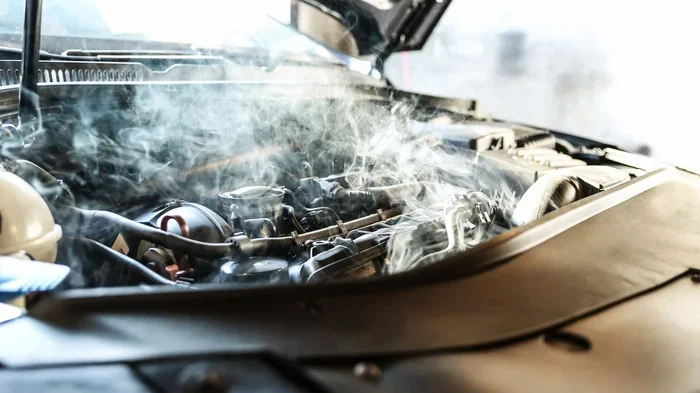
Can Skipping Oil Changes Cause Your Engine to Overheat
Can Skipping Oil Changes Cause Overheating? The short answer is yes. When you skip an oil change, your engine loses its protective lubricant, leading to increased friction and heat buildup. Over time, this can cause your engine to overheat, resulting in costly repairs or even a complete engine replacement.
Can Skipping Oil Changes Cause Overheating? The short answer is yes. When you skip an oil change, your engine loses its protective lubricant, leading to increased friction and heat buildup. Over time, this can cause your engine to overheat, resulting in costly repairs or even a complete engine replacement. In this guide, we’ll explore the direct link between skipping oil changes and engine temperature, and how to prevent overheating.
You might think skipping an oil change here and there is no big deal. After all, your engine seems fine. But did you know that fresh oil is the lifeblood of your engine? It keeps everything cool and running smoothly. When you skip an oil change, that oil breaks down and loses its ability to protect your engine. This can lead to overheating, which is one of the most expensive problems you can face. Understanding this connection can save you from a major repair bill.
Many drivers ignore the oil change reminder until something goes wrong. But the truth is, regular oil changes are one of the cheapest ways to protect your vehicle. They keep the engine cooling system working properly. Let’s dive into how oil affects engine temperature and what happens when you neglect it.
Key Takeaways
- Oil is your engine’s coolant and lubricant: Fresh oil reduces friction and helps dissipate heat.
- Skipping oil changes leads to sludge and breakdown: Old oil loses its viscosity and can no longer protect engine parts.
- Overheating can cause engine seizure: Prolonged high temperatures warp metal parts and ruin your engine.
- Watch for warning signs: Temperature gauge spikes, strange noises, and steam from the hood are red flags.
- Follow the manufacturer’s oil change interval: Don’t rely on vague timelines; check your owner’s manual.
- Synthetic oil offers better protection: It resists thermal breakdown longer than conventional oil.
📑 Table of Contents
- Can Skipping Oil Changes Cause Overheating? The Direct Link Explained
- What Happens When You Skip Oil Changes
- Warning Signs and Symptoms of Engine Overheating
- The Cost of Ignoring Oil Changes vs. Prevention
- How Often Should You Change Your Oil?
- Tips to Prevent Engine Overheating Through Proper Oil Maintenance
- Conclusion
Can Skipping Oil Changes Cause Overheating? The Direct Link Explained
The answer is a clear yes. Oil does more than just reduce wear. It actively carries heat away from critical engine components. When oil degrades, it can no longer perform this job. Heat builds up, and the engine temperature rises. This is the most direct path from skipped oil changes to engine overheating.
Think of oil as a heat transfer fluid. As it flows past hot pistons and cylinder walls, it absorbs thermal energy. The oil then moves through the oil cooler or oil pan, where the heat escapes into the air. Without clean oil, this heat transfer process fails. The engine runs hotter and hotter. Eventually, the cooling system can’t keep up.
Several factors accelerate this process. Stop-and-go driving, towing heavy loads, and extreme ambient temperatures all strain the oil. If you skip an oil change under these conditions, the oil breaks down much faster. The risk of overheating spikes. This is why mechanics often recommend shorter oil change intervals for severe driving.
How Oil Breakdown Leads to Thermal Runaway
Oil undergoes thermal breakdown when exposed to high temperatures for too long. The base oil oxidizes, and the additives deplete. The result is a thicker, darker substance that can’t flow properly. This degraded oil creates more friction, which generates even more heat. The engine enters a dangerous cycle called thermal runaway.
In thermal runaway, every degree of temperature rise makes the problem worse. The oil thins out further, losing its film strength. Metal parts start to contact each other. Friction increases, and the temperature climbs again. If this continues, the engine can seize. This is the worst-case scenario of skipping oil changes.
The Role of Oil Viscosity in Heat Control
Viscosity refers to how thick or thin your oil is. Fresh oil has the right viscosity to flow easily and coat engine parts. Over time, oil breaks down and loses its viscosity. Thicker, degraded oil doesn’t flow as well. It can’t reach all the hot spots. This leads to localized overheating and accelerated wear.
Using the wrong viscosity oil can also cause problems. For example, using a thick oil in a cold climate can strain the oil pump. The engine might not get proper lubrication during startup. Always check your owner’s manual for the recommended oil weight. The right viscosity ensures smooth flow and effective heat removal.
Oil Filter and Heat Management
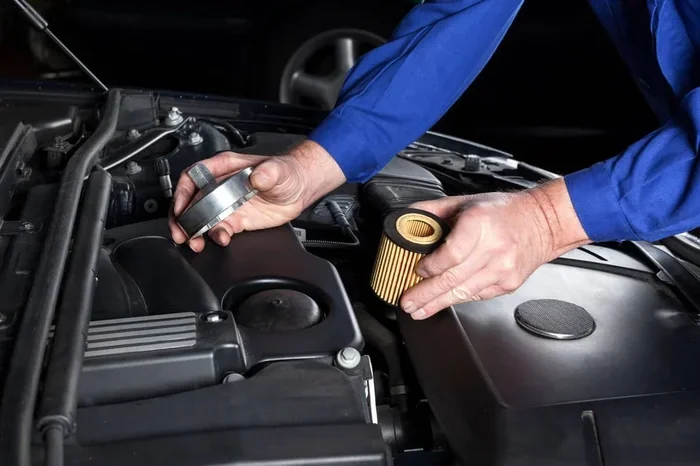
The oil filter removes contaminants from the oil. A clogged filter restricts oil flow. When oil can’t circulate freely, it can’t carry heat away from the engine. This is why replacing the oil filter at every oil change is crucial. A clean filter ensures smooth flow and effective cooling. Neglecting the filter can undo the benefits of fresh oil.
What Happens When You Skip Oil Changes
When you skip oil changes, the oil undergoes thermal breakdown. The additives that protect against wear and heat deplete. The oil becomes contaminated with dirt, metal particles, and combustion byproducts. This sludge coats the inside of your engine and blocks oil passages.
Here’s a breakdown of what happens over time:
- First 5,000 miles past the interval: Oil starts to darken and lose its detergent properties. Sludge begins to form.
- 10,000 miles past the interval: Oil pressure drops because the oil is thicker and dirty. The engine runs hotter.
- 15,000+ miles past the interval: Critical engine components like bearings and camshafts suffer from metal-on-metal contact. Overheating becomes likely.
The longer you go without an oil change, the more damage occurs. Even if you don’t notice symptoms right away, the harm is accumulating. This is why many mechanics call oil the “lifeblood” of your engine.
Sludge Buildup and Oil Passages
Sludge is a thick, tar-like substance that forms when oil oxidizes. It clogs narrow oil passages in the engine block. These passages are designed to deliver oil to critical areas like the valve train and pistons. When sludge blocks them, those parts starve for lubrication. The result is friction, heat, and eventually, engine seizure.
Sludge buildup is especially common in vehicles that sit for long periods or are driven in stop-and-go traffic. If you frequently drive in heavy traffic, you might need oil changes more often. Short trips are particularly harmful because the engine never fully warms up to burn off moisture and contaminants.
Oil Pressure Drop and Overheating
Old oil loses its ability to maintain proper oil pressure. Low oil pressure means less oil reaches the top of the engine. The valve train and rocker arms run dry. This creates extreme friction and heat. The engine temperature gauge will start to climb. If you ignore it, you risk a blown head gasket or warped cylinder head.
Oil pressure warnings on the dashboard should never be ignored. If the oil pressure light comes on, pull over immediately. Continuing to drive with low oil pressure can destroy your engine in minutes. This is one of the most common ways skipping oil changes leads to catastrophic failure.
Common Mistakes That Lead to Overheating
- Ignoring the oil change reminder: Many cars have an oil life monitor. It’s based on driving conditions, not just mileage. Reset it after each oil change.
- Using the wrong oil: Always use the oil type specified in your owner’s manual. Using the wrong oil can affect heat dissipation.
- Neglecting the oil filter: A dirty oil filter restricts flow and reduces cooling efficiency.
- Driving with low oil: Even a small amount of oil loss can cause overheating. Check your oil level monthly.
Avoiding these mistakes can keep your engine running cool and smooth for years.
Warning Signs and Symptoms of Engine Overheating
Knowing the signs of an overheating engine can help you act fast. The earlier you catch it, the less damage occurs. Here are the most common overheating symptoms:
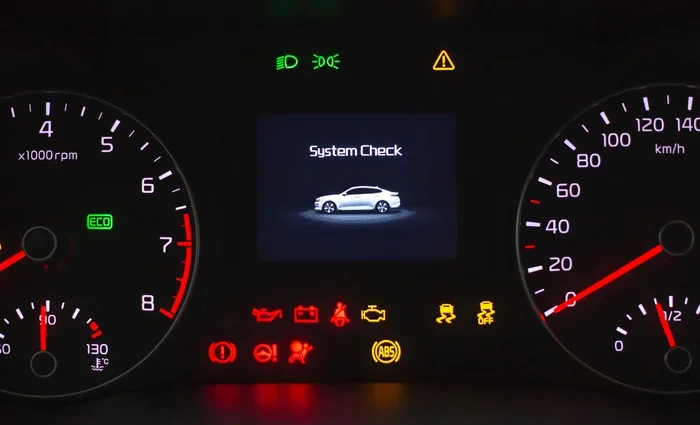
- Temperature gauge in the red zone: Your dashboard temperature gauge should sit in the normal range. If it climbs into the red, pull over safely.
- Steam or smoke from the hood: This is a clear sign that coolant or oil is leaking onto hot engine parts. Do not open the hood immediately; wait a few minutes.
- Strange noises like knocking or ticking: These sounds often indicate metal parts rubbing together due to lack of lubrication.
- Burning smell: You might smell burnt oil or coolant. This is a sign of a leak or overheating fluid.
- Check engine light: While this light can mean many things, it often illuminates when the engine is running too hot.
If you notice any of these signs, stop driving and let the engine cool. Continuing to drive can cause catastrophic engine damage.
Quick Tips: What to Do When Your Engine Overheats
- Turn off the air conditioning and turn the heater to full blast. This helps draw heat away from the engine.
- Pull over safely and turn off the engine.
- Do not open the radiator cap until the engine has cooled completely. Hot coolant can spray and cause burns.
- Check the oil level and coolant reservoir once the engine is cool.
- Call a tow truck if you see steam or suspect severe overheating.
These quick tips can prevent further damage while you wait for help. Keeping a basic emergency kit in your trunk is also a smart move.
The Cost of Ignoring Oil Changes vs. Prevention
Skipping oil changes might seem like you’re saving money. But the cost of an engine repair or replacement dwarfs the price of a routine oil change. A new engine can cost anywhere from $4,000 to $8,000. A simple oil change costs between $35 and $75. The math is clear.
Here’s a quick comparison of costs:
| Scenario | Average Cost | Risk Level |
|---|---|---|
| Regular oil changes every 5,000 miles | $35–$75 per change | Low |
| Skipping one oil change | No immediate cost | Moderate |
| Engine repair due to overheating | $1,500–$4,000 | High |
| Full engine replacement | $4,000–$8,000 | Very High |
As you can see, prevention is far cheaper. Regular oil changes also help maintain your vehicle’s resale value. A well-maintained engine is a selling point for any car buyer.
Expert Insight: The Long-Term Savings of Regular Maintenance
Many car owners think of oil changes as an expense, not an investment. But the long-term savings are significant. A vehicle with a properly maintained engine will last longer and run more efficiently. You’ll also avoid the downtime and inconvenience of a breakdown. Think of each oil change as a small payment toward a longer engine life.
Mechanics often share stories of engines that lasted 300,000 miles or more because of simple, consistent oil changes. On the flip side, they’ve seen engines fail at 80,000 miles because the owner skipped oil changes. The difference is entirely in the maintenance routine.
How Often Should You Change Your Oil?
The old rule of “every 3,000 miles” is outdated for many modern vehicles. Today, many cars can go 7,500 to 10,000 miles between oil changes. However, driving conditions matter. If you frequently drive in extreme heat, tow heavy loads, or sit in traffic, you may need to change oil more often.
Check your owner’s manual for the recommended oil change interval. Also, consider the type of oil you use. Synthetic oil lasts longer and resists thermal breakdown better than conventional oil. It can extend oil change intervals safely.
Oil Change Intervals for Different Oils
| Oil Type | Typical Interval | Best For |
|---|---|---|
| Conventional Oil | 3,000–5,000 miles | Older vehicles or severe driving |
| Synthetic Blend | 5,000–7,500 miles | Moderate driving conditions |
| Full Synthetic Oil | 7,500–10,000 miles | Modern engines and extreme temperatures |
These intervals are general guidelines. Always refer to your vehicle’s manual and consider your driving habits.
Expert Insight: When to Change Oil Based on Driving Habits
If you do a lot of short trips under 5 miles, your engine might not reach full operating temperature. This can cause moisture and fuel to contaminate the oil faster. In this case, you should change oil more frequently, perhaps every 3,000–5,000 miles. Similarly, if you drive in dusty or extremely hot climates, your oil will degrade faster.
Many modern cars have an oil life monitoring system that uses algorithms to determine when an oil change is needed. These systems consider engine revolutions, temperature, and driving style. Trust the system, but also visually inspect your oil periodically. A simple dipstick check can reveal a lot about your engine’s health.
Tips to Prevent Engine Overheating Through Proper Oil Maintenance
Preventing engine overheating starts with simple, consistent habits. Here are some practical steps you can take today:
- Check your oil level monthly: Use the dipstick to check the oil level when the engine is cool. Top up if needed with the correct oil type.
- Change oil and filter on schedule: Stick to the manufacturer’s recommended interval. Don’t wait for the oil to look dirty; it may already be degraded internally.
- Watch for oil leaks: Puddles under your car could indicate an oil leak. Even a small leak can lead to low oil levels and overheating.
- Use quality oil and filters: Cheap oil and filters may not provide adequate protection. Invest in reputable brands.
- Monitor your engine temperature: Keep an eye on the temperature gauge while driving. If it rises, take action immediately.
- Flush the cooling system regularly: While oil changes are key, the cooling system also needs attention. Flush the coolant as recommended by your manual.
These tips can help you avoid the nightmare of an overheated engine. They’re simple, but they make a huge difference over the life of your vehicle.
Quick Tips for Long Road Trips
- Before a long trip, have your oil and coolant levels checked.
- Pack extra oil and coolant in your trunk, especially for summer driving.
- Take breaks every 2 hours to let the engine cool down.
- Watch for any warning lights or unusual sounds.
Long road trips put extra stress on your engine. A little preparation can prevent overheating and keep you on the road.
Conclusion
Can skipping oil changes cause overheating? Yes, absolutely. Neglecting regular oil changes leads to sludge buildup, reduced oil pressure, and increased friction. All of these factors cause your engine to overheat. The result can be expensive repairs or a complete engine failure.
The good news is that preventing overheating is simple. Stick to your oil change schedule, use the right oil, and watch for warning signs. Your engine will stay cool, efficient, and reliable for years to come. Don’t wait until the temperature gauge spikes. Take action today and protect your investment.
Remember, a little maintenance now can save you thousands later. Keep your oil fresh, your engine happy, and your drives worry-free.
Frequently Asked Questions
Can skipping oil changes cause your engine to overheat?
Yes, skipping oil changes removes the protective lubricant that keeps engine parts cool and reduces friction. Without fresh oil, heat builds up quickly, leading to overheating and potential engine damage.
How often should you change oil to prevent overheating?
Follow your vehicle’s owner manual for the recommended oil change interval. Most modern cars can go 7,500 to 10,000 miles, but severe driving conditions may require more frequent changes.
What are the first signs of engine overheating due to bad oil?
Look for a rising temperature gauge, strange knocking or ticking noises, steam from the hood, and a burning smell. If you notice any of these, pull over safely and let the engine cool.
Does synthetic oil help prevent overheating better than conventional oil?
Yes, synthetic oil resists thermal breakdown longer and maintains its viscosity better under high temperatures. It provides superior cooling and protection, especially in extreme driving conditions.
Can low oil cause overheating even if you change it regularly?
Yes, low oil levels starve the engine of lubrication, causing friction and heat buildup. Check your oil level monthly and top up as needed to prevent overheating.
What happens if you drive with overheated engine oil?
Driving with overheated oil can cause the oil to burn off, leading to complete loss of lubrication. This can result in seized pistons, warped engine parts, and a costly engine replacement.