Can I Still Drive My Car If It Says Engine Malfunction
Yes, you can sometimes drive a short distance when your car says engine malfunction, but it depends on what triggered the warning. A check engine light can signal anything from a loose gas cap to a serious engine problem. Understanding what the light means helps you make safe decisions and avoid costly repairs.
Key Takeaways
- Minor issues like a loose gas cap: You can usually drive safely and fix the problem at your convenience.
- Engine misfires or catalytic converter problems: These require immediate attention and may mean you should stop driving.
- An OBD-II scanner: Helps you read the specific diagnostic trouble codes and understand the severity.
- Ignoring the warning: Can lead to more expensive repairs and potential safety hazards on the road.
- Regular vehicle maintenance: Catches small problems before they turn into the engine malfunction light.
- Professional diagnosis: Always recommended when the light stays on for more than a few days.
📑 Table of Contents
- What Does the Engine Malfunction Warning Mean?
- Common Reasons Your Car Shows an Engine Malfunction Warning
- Can You Safely Drive With the Engine Malfunction Light On?
- What to Do When the Engine Malfunction Light Comes On
- How Mechanics Diagnose Engine Malfunction Warnings
- Preventing Future Engine Malfunction Warnings
- When to Call a Tow Truck Instead of Driving
- Conclusion
What Does the Engine Malfunction Warning Mean?
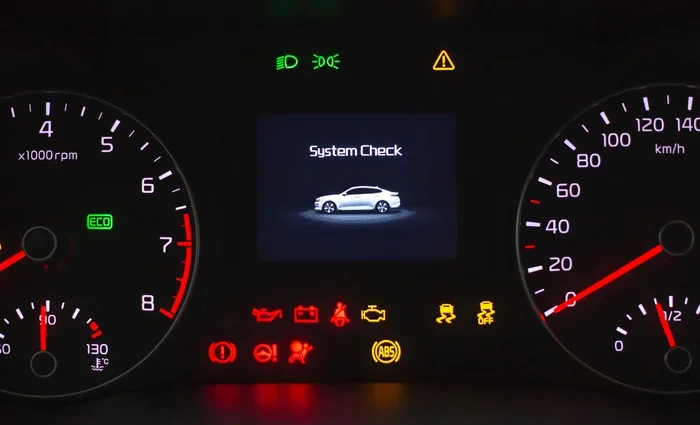
You are driving down the road. Suddenly, a yellow or orange light pops up on your dashboard. It looks like an engine. Maybe it even says “check engine” or “engine malfunction.” Your heart drops a little. What does this mean? Can I still drive my car if it says engine malfunction?
The short answer is: it depends. The engine malfunction light is part of your car’s onboard diagnostics system. This system is called OBD-II, which stands for On-Board Diagnostics II. It monitors many parts of your vehicle. When something is off, it triggers a warning. The light is your car’s way of saying, “Hey, something needs attention.”
The light can mean very different things. Sometimes it is a tiny issue. Other times, it signals a big problem. Let us break down what could be going on under the hood.
How the Engine Warning System Works
Your car has a powertrain control module, or PCM for short. Think of it as the brain of your vehicle. It constantly checks sensors throughout the engine. These sensors monitor things like oxygen levels, fuel mixture, and temperature. If any reading falls outside the normal range, the PCM turns on the warning light.
The system stores a diagnostic trouble code, or DTC. A mechanic or a device can read this code. It tells you exactly what triggered the light. Without the code, you are just guessing. And guessing is never a good idea with engine problems.
Common Reasons Your Car Shows an Engine Malfunction Warning
There are dozens of reasons the engine malfunction light might come on. Some are very simple fixes. Others need professional attention. Here are the most common causes.
Loose or Damaged Gas Cap
This is the number one simplest cause. If your gas cap is loose, cracked, or missing, fuel vapors escape. The emission system detects this and throws a warning. A loose gas cap is not dangerous. But it wastes fuel and increases emissions.
Quick Tip: Next time you fill up, make sure you hear the cap click at least three times. That small habit can save you from a frustrating warning light.
Faulty Oxygen Sensor
The oxygen sensor measures how much oxygen is in your exhaust. It helps the engine burn fuel efficiently. When this sensor fails, your fuel economy drops. Over time, it can also damage your catalytic converter. Replacing a catalytic converter is expensive. So fixing a bad oxygen sensor early saves you money.
Worn Spark Plugs or Ignition Coils
Spark plugs ignite the fuel in your engine cylinders. When they wear out, the engine misfires. You might feel a rough idle or hesitation when accelerating. A misfire is not something to ignore. It can damage your catalytic converter over time.
Mass Airflow Sensor Issues
The mass airflow sensor tells the computer how much air is entering the engine. If it gets dirty or fails, the fuel mixture goes wrong. This causes poor performance and lower gas mileage. A dirty sensor can often be cleaned. A failed sensor needs replacement.
Catalytic Converter Failure
The catalytic converter reduces harmful emissions. When it fails, the engine malfunction light comes on. This is one of the more serious causes. A bad catalytic converter can cause your car to fail emissions tests. It can also lead to reduced engine power.
Engine Oil or Coolant Problems
Low oil pressure or overheating can trigger the warning. These are serious issues. They can cause permanent engine damage if you keep driving. Always check your fluid levels when you see the light.
Can You Safely Drive With the Engine Malfunction Light On?
This is the question most drivers want answered. The honest answer is: it depends on what is causing the light.
When It Is Probably Safe to Drive
If the light comes on and stays steady (not flashing), and your car drives normally, you likely have a minor issue. Here are signs that it might be safe to drive a short distance:
- The light is solid, not flashing.
- Your car runs smoothly with no strange sounds.
- You have good engine power and acceleration.
- No smoke or unusual smells come from the exhaust.
- The temperature gauge stays in the normal range.
In these cases, you can drive to a nearby repair shop or home. Just get it checked soon. Do not ignore it for weeks.
When You Should Stop Driving Immediately
There are situations where you should not keep driving. Stop safely and call for help if you notice any of these:
- The light is flashing. A flashing engine light usually means a severe misfire. Unburned fuel can damage the catalytic converter fast.
- Your engine starts making loud knocking or tapping sounds.
- You see steam or smoke coming from under the hood.
- The temperature gauge shows your engine is overheating.
- Your car loses power or struggles to stay running.
- You smell strong gasoline or burning odors.
Driving with a flashing engine light can cause serious engine damage. The cost of repair can jump from a few hundred dollars to several thousand. When in doubt, pull over and get a tow.
Comparison: Steady Light vs. Flashing Light
| Feature | Steady Light | Flashing Light |
|---|---|---|
| Severity | Usually minor to moderate | Usually serious |
| Safe to Drive? | Short distances, cautiously | No, stop immediately |
| Common Causes | Loose gas cap, sensor issues | Engine misfire, catalyst damage |
| Urgency Level | Schedule a repair soon | Get help right away |
| Potential Damage | Low if addressed quickly | High if ignored |
What to Do When the Engine Malfunction Light Comes On
So the light is on. What now? Here is a step-by-step approach to handle the situation calmly and effectively.
Step 1: Stay Calm and Assess the Situation
Panic does not help. Take a deep breath. Check how your car is driving. Is it running rough? Is there a loss of power? Are there any other warning lights on? Your car’s behavior tells you a lot about how urgent the situation is.
Step 2: Check the Gas Cap
Before you do anything else, pull over safely and check your gas cap. Tighten it if it is loose. If it is damaged, replace it. Then drive for a few miles and see if the light goes off. This simple step fixes the problem more often than you would think.
Step 3: Use an OBD-II Scanner
If you have an OBD-II scanner, plug it into the diagnostic port. This port is usually under your steering column. The scanner will read the diagnostic trouble codes. These codes point you toward the problem. You can buy a basic scanner for under $30 at most auto parts stores.
Even without a scanner, many auto parts stores will read the codes for free. They are happy to help. This gives you a starting point for understanding what is wrong.
Step 4: Reduce Your Driving
Until you know what caused the light, keep your driving light. Avoid highways and heavy acceleration. Gentle driving puts less stress on the engine. If the light is flashing, do not drive at all.
Step 5: Visit a Qualified Mechanic
Even if the light seems minor, get a professional diagnosis. A good mechanic will hook up their advanced scanner and read the codes. They will also inspect the engine visually. Many problems start small and grow worse fast. Early diagnosis saves money.
Expert Insight: “I see drivers all the time who ignore the check engine light for months,” says longtime auto technician Mike Rivera. “By the time they finally bring it in, a $50 sensor repair has turned into a $1,500 catalytic converter replacement. A quick scan and early fix would have saved them a lot of pain.”
How Mechanics Diagnose Engine Malfunction Warnings
When you take your car to a shop, the mechanic follows a systematic process. Understanding this process helps you know what to expect.
Reading the Diagnostic Codes
The first step is always connecting a scanner. The scanner pulls up the stored diagnostic trouble codes. Each code starts with a letter followed by four numbers. The letter tells you the system affected. For example, P codes relate to the powertrain. B codes relate to the body. C codes relate to the chassis.
Visual Inspection
After reading the codes, the mechanic does a visual check. They look at hoses, wires, belts, and connections. Sometimes the problem is obvious. A cracked hose or a disconnected wire tells the story right away.
Live Data Testing
Modern scanners can show live sensor data. The mechanic watches how sensors behave in real time. This helps them spot patterns that static codes alone cannot reveal. For example, an oxygen sensor might show normal readings in the scanner but behave erratically under load.
Test Drives and Road Testing
Sometimes the problem only shows up while driving. The mechanic will take the car on a test drive. They watch for symptoms like hesitation, stalling, or unusual sounds. This hands-on step is essential for intermittent problems.
Preventing Future Engine Malfunction Warnings
The best way to deal with the engine malfunction light is to prevent it from coming on in the first place. Regular vehicle maintenance is your best defense.
Follow Your Maintenance Schedule
Your car’s owner manual has a recommended maintenance schedule. It tells you when to change oil, spark plugs, air filters, and more. Following this schedule keeps everything running smoothly. It also catches small problems before they trigger the warning light.
Pay Attention to Dashboard Warnings
Your dashboard has many warning lights. Each one communicates something specific. Learn what they all mean. Do not just ignore the ones you do not understand. The earlier you catch a problem, the easier and cheaper the fix.
Use Quality Fuel and Parts
Cheap fuel can cause engine problems over time. It may contain contaminants that damage sensors and fuel injectors. Similarly, using low-quality replacement parts can lead to premature failures. Stick with reputable brands for fuel and parts.
Keep Your Gas Cap Sealed
A proper seal on your gas cap prevents fuel vapor leaks. Check your gas cap regularly for cracks or wear. Replace it if it looks damaged. This one small part plays a big role in your emission system.
Address Small Issues Promptly
If you notice anything off, get it checked. A slight rough idle or a tiny drop in fuel economy might seem insignificant. But these are early warning signs. Catching them early prevents the engine malfunction light from ever coming on.
Common Mistakes Drivers Make With the Engine Light
- Ignoring the light completely: This is the worst thing you can do. Small problems become big problems fast.
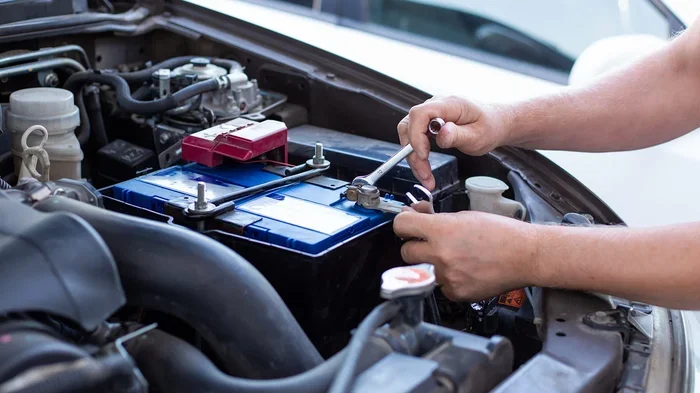
- Disconnecting the battery to reset the light: This might turn off the light temporarily. But it does not fix the underlying problem. The light will come back, and you will lose stored diagnostic data.
- Assuming the light means the engine is about to fail: Most causes are not catastrophic. A loose gas cap or bad sensor is far more common than engine failure.
- Driving aggressively with the light on: Heavy acceleration and high speeds put extra stress on the engine. Drive gently until the problem is diagnosed.
- Delaying repairs because you are busy: A few days of delay is fine for minor issues. But weeks or months of delay can turn a $100 fix into a $1,000 repair.
When to Call a Tow Truck Instead of Driving
Knowing when to call for a tow is an important part of car ownership. Here are clear signs you should not drive your car:
- The engine light is flashing and your car shakes or stutters.
- You see smoke or steam from the engine compartment.
- The temperature gauge reads in the red zone.
- Your car stalls or will not stay running.
- You hear loud metallic knocking or grinding sounds.
- There is a strong smell of burning or fuel inside the car.
In these situations, staying safe matters more than getting home. Call a tow truck and have your car transported to a repair shop. It is always better to be safe than sorry.
Conclusion
So, can I still drive my car if it says engine malfunction? The answer is nuanced. A steady light with no other symptoms usually means you can drive carefully to a repair shop. A flashing light or any signs of serious engine trouble mean you should stop and get help.
The engine malfunction light is your car’s built-in warning system. It exists to protect you and your vehicle. Respecting that warning and acting quickly is always the smart move. Regular vehicle maintenance and prompt attention to small issues keep your car running well and your wallet happy.
Do not let fear or uncertainty keep you from addressing the problem. Whether it is a loose gas cap or a sensor that needs replacing, every problem has a solution. The key is to act before small issues become big expenses. Your car will thank you for it.
Frequently Asked Questions
Is it safe to drive with the engine malfunction light on?
If the light is solid and your car drives normally, it is usually safe to drive a short distance to a repair shop. However, if the light is flashing, your car is shaking, or you notice a loss of power, stop driving immediately and call for a tow. A flashing light often indicates a serious misfire that can damage your catalytic converter quickly.
How much does it cost to fix an engine malfunction warning?
The cost varies widely depending on the cause. A loose gas cap might cost nothing to fix. A faulty oxygen sensor could run between $100 and $300. A catalytic converter replacement can cost anywhere from $500 to $2,500 or more. Getting an accurate diagnosis from a mechanic is the first step to knowing the real cost.
Can I reset the engine malfunction light myself?
You can disconnect your battery or use an OBD-II scanner to reset the light. However, this does not fix the underlying problem. The light will almost always come back if the issue is not resolved. It is always better to diagnose and fix the root cause rather than just clearing the warning.
What is the difference between a check engine light and an engine malfunction light?
In most vehicles, these terms refer to the same warning. Both indicate that the onboard diagnostics system has detected a problem. The light may look different depending on your car’s make and model, but the meaning is the same. Your car’s computer has stored a diagnostic trouble code that needs to be read.
How long can I drive with the engine malfunction light on?
This depends entirely on what triggered the light. For minor issues like a loose gas cap, you can drive as needed. For more serious causes like an engine misfire or low oil pressure, you should limit driving to the shortest possible distance and get to a mechanic right away. When in doubt, get your car towed to avoid further damage.
Will the engine malfunction light turn off by itself?
Sometimes the light will turn off if the issue was temporary, like a loose gas cap that you tightened. However, if the problem persists, the light will stay on. Modern vehicles may also keep the light on until the issue has been resolved and the codes have been cleared with a scanner. Do not assume the light turning off means the problem is gone.