Everything You Need to Know About 18 Inch Tyre Cars
18 inch tyre cars offer a great blend of style, performance, and road grip. This guide covers everything from tyre selection and maintenance to costs and common mistakes. Whether you are upgrading or just curious, you will find practical tips to keep your tyres in top shape.
18 inch tyre cars have become incredibly popular in recent years. More drivers are choosing larger wheels for their vehicles. But what makes these tyres so special? And how do you take care of them properly? This guide answers all those questions and more.
If you own a car with 18 inch wheels or are thinking about upgrading, you are in the right place. We will walk you through everything you need to know. From tyre selection to daily maintenance, we cover it all. Let us dive in and make sure your tyres are always in great shape.
Key Takeaways
- Better Handling: 18 inch tyres provide improved grip and cornering stability on the road.
- Stylish Look: Larger wheels give cars a more aggressive and premium appearance.
- Tyre Maintenance Matters: Regular rotation, alignment, and pressure checks extend tyre life significantly.
- Cost Considerations: 18 inch tyres can be pricier than smaller sizes, but the benefits often justify the investment.
- Right Fit Is Key: Always match tyre size, load index, and speed rating to your vehicle specifications.
- Seasonal Tyres Help: Choosing between all-season and performance tyres depends on your driving conditions.
📑 Table of Contents
- Why 18 Inch Tyres Are a Popular Choice
- Understanding Tyre Sizes for 18 Inch Wheels
- Choosing the Right Tyres for Your 18 Inch Wheels
- Maintaining Your 18 Inch Tyres
- The Cost of 18 Inch Tyres
- Common Mistakes to Avoid with 18 Inch Tyres
- Expert Tips for Getting the Most from Your 18 Inch Tyres
- Final Thoughts on 18 Inch Tyre Cars
Why 18 Inch Tyres Are a Popular Choice
There is a reason so many car lovers prefer 18 inch tyres. These larger wheels offer a mix of looks and function that smaller sizes simply cannot match. Let us explore the main reasons drivers make this choice every day.
A Better Look for Your Car
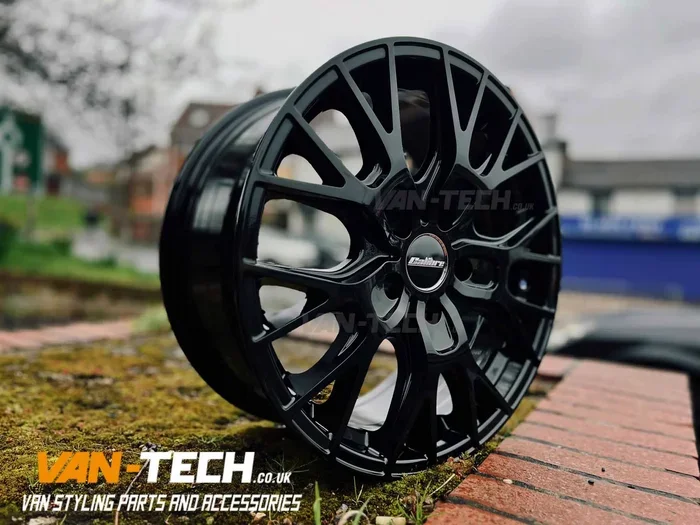
First, let us talk about appearance. 18 inch wheels simply look great on most cars. They fill out the wheel arches nicely. The car looks more planted and confident on the road. Many people choose larger wheels just for the visual upgrade alone.
Smaller 16 or 17 inch wheels can sometimes look small and disconnected. But 18 inch tyres give a car a sporty, premium feel. This is especially true for sedans, SUVs, and crossovers. The right set of 18 inch wheels can completely transform how a car looks from the outside.
Improved Road Grip and Handling
Beyond looks, 18 inch tyres offer real performance benefits. The larger wheel diameter means a wider tyre contact patch on the road. This translates directly into better grip. When you turn a corner or brake hard, 18 inch tyres give you more confidence.
Better grip also means safer driving in wet conditions. The tyre tread on larger wheels can channel water away more effectively. This reduces the risk of hydroplaning. For drivers who enjoy spirited driving or track days, the handling improvement is very noticeable.
Better Braking Performance
Larger wheels also allow for bigger brake calipers and rotors. This is a huge advantage for stopping power. When you need to brake hard, 18 inch tyre setups can stop your car faster. This is one of the most practical benefits that many drivers overlook.
Better braking is not just about speed. It is also about safety. Shorter stopping distances can make a real difference in emergency situations. This is why many car manufacturers now offer 18 inch wheels as standard on higher trim levels.
Understanding Tyre Sizes for 18 Inch Wheels
Not all 18 inch tyres are the same. There is a specific tyre size that fits your car. Understanding this helps you make the right choice. Let us break down the numbers you need to know.
What Do Tyre Numbers Mean?
Every tyre has a code on the sidewall. For example, you might see something like 225/45R18. Let us break this down simply.
- 225 – This is the tyre width in millimetres from sidewall to sidewall.
- 45 – This is the aspect ratio. It is the height of the sidewall as a percentage of the width.
- R – This stands for radial construction, which is standard for almost all modern tyres.
- 18 – This is the wheel diameter in inches. For 18 inch tyre cars, this number is always 18.
Understanding these numbers helps you pick the right replacement tyres. It also ensures your speedometer and odometer readings stay accurate. Always check your owner manual or the tyre placard inside your driver door for the correct size.
Aspect Ratio and Sidewall Height
The aspect ratio is very important for 18 inch tyres. A lower aspect ratio means a shorter sidewall. This gives you a sportier look and sharper handling. But it can also mean a harsher ride over bumps and potholes.
Higher aspect ratio tyres on 18 inch wheels have taller sidewalls. These offer a more comfortable ride. They also provide more protection against pothole damage. The trade-off is slightly less precise handling compared to low-profile tyres.
Most 18 inch tyre cars use aspect ratios between 35 and 50. The sweet spot depends on your driving style. If you prioritize comfort, go with a taller sidewall. If you want sportier performance, choose a lower number.
Choosing the Right Tyres for Your 18 Inch Wheels
Picking the right 18 inch tyres can feel overwhelming. There are so many brands and types available. But it does not have to be complicated. Let us simplify the process for you.
All-Season vs Performance Tyres
The first big decision is between all-season tyres and performance tyres. All-season tyres are the most popular choice for daily driving. They work well in rain, light snow, and dry conditions. They also tend to last longer than specialised options.
Performance tyres, on the other hand, are designed for drivers who want maximum grip. They use a softer tyre compound that sticks to the road better. The downside is they wear out faster. They also tend to be noisier and less comfortable on long trips.
For most 18 inch tyre car owners, all-season tyres are the smart choice. They offer a great balance of grip, comfort, and longevity. But if you live in a very hot climate or drive aggressively, performance tyres might be worth the trade-off.
Top Tyre Brands to Consider
Not all tyre brands are created equal. Some excel in specific areas like wet grip or tread life. Here are a few reliable brands that make excellent 18 inch tyres:
- Michelin – Known for outstanding tread life and road comfort.
- Continental – Excellent wet and dry grip performance.
- Bridgestone – A solid all-around choice with great durability.
- Pirelli – Top choice for performance driving and sporty handling.
- Goodyear – Offers a wide range of options at various price points.
Each brand has its strengths. Read reviews specific to the 18 inch size you need. This helps you find the best tyre for your driving habits and budget.
Tyre Speed Rating and Load Index
Two more numbers matter when choosing tyres. The speed rating tells you the maximum speed the tyre can safely handle. The load index tells you how much weight each tyre can carry. Both are critical for safety.
For most 18 inch tyre cars, a speed rating of V or H is common. The V rating supports speeds up to 240 km/h. The H rating supports up to 210 km/h. The load index is usually between 85 and 100 for passenger cars. Always match or exceed your vehicle manufacturer’s recommendations.
Maintaining Your 18 Inch Tyres
Owning 18 inch tyres comes with some extra maintenance responsibilities. Larger wheels are more vulnerable to damage from potholes and curbs. But with the right care routine, your tyres can last a long time and perform beautifully.
Tyre Pressure: The Foundation of Good Maintenance
Tyre pressure is the single most important factor in tyre care. Underinflated tyres wear out faster on the outer edges of the tread. Overinflated tyres wear out faster in the centre. Both reduce your grip and waste fuel.
Check your tyre pressure at least once a month. Use a reliable tyre pressure gauge. The correct pressure for your 18 inch tyres is listed on the driver door jamb sticker. Do not rely on the number printed on the tyre itself. That number is the maximum pressure, not the recommended pressure.
Temperature changes affect tyre pressure too. In cold weather, pressure drops by about 1 PSI for every 10 degrees Fahrenheit. This means you may need to add air during winter months. Make it a habit to check regularly, especially when seasons change.
Tyre Rotation and Alignment
Rotating your tyres helps them wear evenly. For 18 inch tyre cars, we recommend rotating every 5,000 to 8,000 miles. This simple step can add thousands of miles to your tyre life.
Alignment is equally important. Poor alignment causes your car to pull to one side. It also causes uneven tyre wear on one edge of the tread. Get your alignment checked at least once a year. Also check it after hitting a large pothole or curb.
Many tyre shops offer free alignment checks with a tyre purchase. Take advantage of this service. A small investment now can save you from expensive tyre replacement later.
Visual Inspections and Tread Depth
Make it a habit to inspect your tyres regularly. Look for cuts, bulges, or objects embedded in the tread. These can lead to slow leaks or sudden blowouts if ignored.
Check your tread depth using the penny test. Insert a penny into the tread groove with Lincoln’s head upside down. If you can see the top of his head, your tread is too worn. For 18 inch tyres, this usually means it is time for replacement. New tread depth should be at least 2/32 of an inch or 2mm in most countries.
Cleaning and Protecting Your Tyres
18 inch wheels are more exposed to road grime and brake dust. Clean them regularly with a mild soap and water solution. Avoid harsh chemicals that can damage the tyre sidewall and rubber compound.
Apply a tyre dressing or protectant after cleaning. This helps prevent cracking and UV damage from sunlight. It also gives your 18 inch tyres a clean, matte or glossy look. Use water-based dressings rather than solvent-based ones. They are safer for the rubber and last longer.
The Cost of 18 Inch Tyres
One of the biggest considerations for 18 inch tyre car owners is cost. Larger tyres are more expensive than smaller ones. Understanding the price range helps you budget properly and avoid surprises.
Average Prices by Tyre Type
18 inch tyres generally cost more than 16 or 17 inch equivalents. Here is a rough idea of what to expect:
- Budget tyres: Around 100 to 150 USD per tyre. These are decent all-season options from lesser-known brands.
- Mid-range tyres: Around 150 to 250 USD per tyre. Brands like Goodyear and Bridgestone fall in this range.
- Premium tyres: Around 250 to 400 USD per tyre. Michelin and Continental dominate this category.
- Performance tyres: Around 200 to 500 USD per tyre. These are designed for sports cars and driving enthusiasts.
Remember that you need four tyres for a full set. So multiply the per-tyre cost by four. Also factor in the cost of mounting, balancing, and alignment. These services typically add 100 to 200 USD to the total.
Are 18 Inch Tyres Worth the Extra Cost?
For most drivers, the answer is yes. The improved handling, braking, and appearance justify the higher price. Plus, many premium 18 inch tyres offer excellent tread life. You get what you pay for in the tyre world.
If budget is a concern, look for mid-range all-season options. They offer a great balance of performance and value. Avoid the cheapest tyres on the market. Poor quality tyres compromise safety and wear out much faster.
Common Mistakes to Avoid with 18 Inch Tyres
Even experienced car owners make mistakes with their tyres. Avoiding these common errors saves money and keeps you safe on the road.
Ignoring Tyre Age
Tyres degrade over time, even if the tread looks fine. Rubber hardens and cracks as it ages. Most tyre experts recommend replacing tyres that are 6 years old or older. Check the DOT code on the sidewall. The last four digits tell you the week and year of manufacture. A tyre made in 2019 is already 5 years old today.
Mixing Tyre Brands and Models
Some drivers mix different tyre brands on the same car. This is a bad idea. Different tyres have different compounds and tread patterns. This leads to uneven handling and unpredictable performance. Always use the same brand, model, and size on all four wheels.
Overlooking Tyre Balance
Unbalanced 18 inch tyres cause vibrations at highway speeds. These vibrations wear out suspension components faster. They also create an uncomfortable ride. Always have your tyres balanced after installation or rotation. A small cost that prevents bigger problems down the road.
Driving on Underinflated Tyres
This is the most common mistake of all. Underinflated 18 inch tyres reduce fuel economy and handling. They also cause excessive shoulder wear on the tread. Check your pressure regularly and keep it at the manufacturer recommended level. This one simple habit saves money and keeps you safe.
Expert Tips for Getting the Most from Your 18 Inch Tyres
Want your 18 inch tyres to last longer and perform better? Follow these expert-backed tips that make a real difference.
- Keep a tyre pressure log. Write down your pressure readings monthly. This helps you spot slow leaks early.
- Invest in a quality tyre gauge. Gas station gauges are often inaccurate. A digital gauge gives you precise readings.
- Store spare tyres properly. Keep them in a cool, dry place away from direct sunlight and ozone sources.
- Avoid hard cornering and braking. Aggressive driving wears tyres much faster. Smooth inputs extend tyre life significantly.
- Check your spare tyre too. Many people forget about the spare until they need it. Make sure it is properly inflated and in good condition.
- Rotate tyres at every oil change. This is the easiest way to ensure even wear across all four tyres.
These small habits add up over time. They help you get the most miles out of every set of 18 inch tyres. More importantly, they keep you and your passengers safe on every drive.
Final Thoughts on 18 Inch Tyre Cars
18 inch tyre cars offer a fantastic driving experience. The combination of style, grip, and braking performance is hard to beat. But all of that depends on one thing: proper tyre care and maintenance.
Take the time to understand your tyre size and specifications. Choose the right type of tyre for your driving needs. And commit to a regular maintenance routine. Your 18 inch tyres will reward you with safer driving, better fuel economy, and a more enjoyable ride.
Whether you are a daily commuter or a weekend warrior, 18 inch tyres make a real difference. They transform how your car looks, feels, and handles. Invest in quality tyres, maintain them properly, and enjoy every mile on the road.
Frequently Asked Questions
How long do 18 inch tyres last?
Most 18 inch tyres last between 40,000 and 60,000 miles depending on the brand and driving habits. Regular rotation, proper inflation, and gentle driving can help extend tyre life significantly. Premium tyres often last longer than budget options.
Can I put 18 inch tyres on a car that originally had 17 inch wheels?
Yes, but you need to ensure the overall tyre diameter stays close to the original size. Changing the wheel size affects your speedometer accuracy and can impact suspension geometry. Always consult your owner manual or a tyre professional before making the switch.
Are 18 inch tyres more expensive to replace than smaller sizes?
Yes, 18 inch tyres generally cost more than 16 or 17 inch tyres. The larger size requires more rubber and material. However, many drivers find the performance and aesthetic benefits well worth the extra cost.
What is the best tyre brand for 18 inch wheels?
Michelin, Continental, and Bridgestone are consistently top-rated for 18 inch tyres. They offer excellent tread life, grip, and all-around performance. The best brand for you depends on your driving conditions, budget, and priorities.
Do 18 inch tyres affect fuel economy?
Larger tyres can slightly reduce fuel economy because they are heavier and create more rolling resistance. However, the difference is usually small, around 1 to 2 miles per gallon. Proper inflation and low rolling resistance tyres can help minimise this impact.
How often should I rotate my 18 inch tyres?
Tyre rotation every 5,000 to 8,000 miles is recommended for most 18 inch tyre cars. This ensures even wear across all four tyres. Some manufacturers recommend more frequent rotation for certain tyre types or driving conditions.