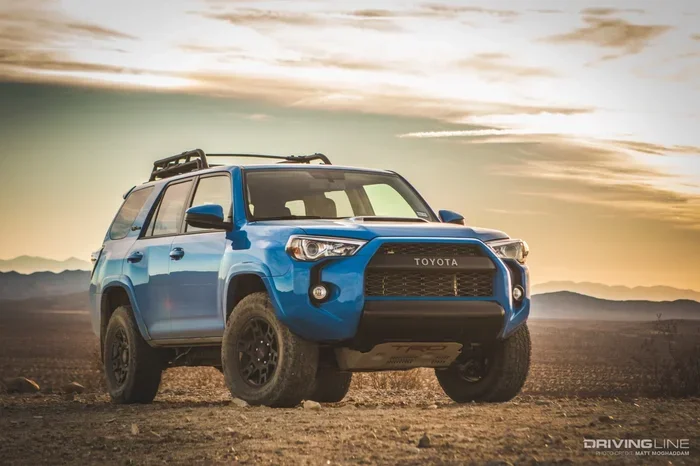
How Long Is the Toyota 4Runner Everything You Need to Know
The Toyota 4Runner measures between 189 and 203 inches long depending on the trim and generation. Whether you are looking at the SR5, TRD Off-Road, or TRD Pro, the 4Runner length affects everything from parking to cargo capacity. This guide breaks down all the dimensions, compares trims, and helps you choose the right setup for your lifestyle.
So you want to know how long is the Toyota 4Runner? Whether you are shopping for a new SUV, planning a road trip, or just curious about the dimensions, this guide has you covered. The Toyota 4Runner is one of the most popular midsize SUVs on the road. It has been around for decades, and each generation has brought updates to size, style, and functionality.
The 4Runner length matters more than most people think. It affects how you park, how much gear you can carry, and even how the truck handles on the highway. In this article, we break down the exact measurements for every trim level, compare them across model years, and give you practical advice on what all those numbers mean for your daily drive.
We will also look at cargo space, seating capacity, and how the 4Runner stacks up against other Toyota SUVs. By the end, you will have a clear picture of whether the 4Runner is the right fit for your lifestyle. Let us dive in.
Key Takeaways
- 4Runner Length Range: The Toyota 4Runner ranges from about 189 to 203 inches long depending on the trim and model year.
- TRD Pro Is the Longest: The TRD Pro trim typically measures the longest due to its added features and larger bumper design.
- Cargo Space Varies: Behind the first row, you get roughly 47.2 cubic feet of cargo space, expanding to over 89 cubic feet with the rear seats folded.
- Wheelbase Matters Too: The wheelbase stays consistent across most trims at around 109.8 inches, which affects ride stability.
- Parking Considerations: At over 17 feet long, the 4Runner requires careful parking in tight urban spaces.
- Towing and Length Go Hand in Hand: The 4Runner’s length contributes to its strong towing capacity of up to 5,000 pounds.
📑 Table of Contents
How Long Is the Toyota 4Runner Across All Trims
The Toyota 4Runner comes in several trim levels, and each one has slightly different dimensions. The overall length changes based on the bumper design, suspension setup, and added features. Here is a breakdown of what you can expect.
SR5 Trim Dimensions
The base SR5 trim is the most common 4Runner you will see on the road. The SR5 measures approximately 189 inches in overall length. That is about 15 feet and 9 inches from bumper to bumper. The SR5 is a great starting point if you want a reliable SUV without extra frills.
With a length of 189 inches, the SR5 fits comfortably in most standard parking spaces. It is long enough to offer solid interior room but short enough to remain manageable in city traffic. If you are trying to decide between trims, the SR5 is a solid choice for daily driving and light off-roading.
TRD Off-Road and TRD Pro Trim Dimensions
The TRD Off-Road and TRD Pro trims are where things get interesting. These versions add a few extra inches to the overall 4Runner length. The TRD Pro, in particular, measures around 203 inches long. That is nearly 17 feet of truck.
Why is the TRD Pro longer? The answer lies in the bigger bumper, rock rails, and upgraded suspension components. The TRD Pro also features a more aggressive front grille and larger fog lights, which add to the front overhang. If you are curious about what the TRD Pro package includes, it is packed with off-road upgrades that justify the extra length.
The TRD Off-Road sits somewhere in between. It measures roughly 193 inches long. It offers a nice balance of off-road capability without the extra bulk of the TRD Pro. Both trims give you more ground clearance and better approach angles, which are essential for serious trail running.
Comparing Length Across Generations
The 4Runner has gone through several generations since its debut in 1984. Older models were shorter and more compact. The first-generation 4Runner was around 170 inches long. That is nearly a foot shorter than the current model.
Over the years, Toyota has gradually increased the size of the 4Runner. The third generation (1996 to 2002) brought the length up to about 184 inches. The fifth generation (2009 to 2023) stretched it to the current range. Each generation grew a few inches, giving passengers more room and adding cargo capacity.
If you are shopping for a used 4Runner, always check the model year. The 4Runner length can vary by as much as 15 inches between the oldest and newest models. This is a big difference when you are trying to fit the truck into a garage or a tight parking spot.
Width, Height, and Wheelbase: The Full Picture
Length is only one part of the equation. To truly understand the size of the 4Runner, you need to look at width, height, and wheelbase too. These dimensions all work together to determine how the truck drives, parks, and carries cargo.
Width and Ground Clearance
The 4Runner is about 75 inches wide without mirrors. That is roughly 6 feet and 3 inches across. With the mirrors folded in, it is a bit narrower, but the overall width is still substantial. You will notice this when driving through narrow parking aisles or tight trails.
Ground clearance is one of the 4Runner’s strong suits. It offers about 9.6 inches of ground clearance, which is excellent for a midsize SUV. This height, combined with the truck’s length, gives the 4Runner a commanding presence on the road. It also helps when tackling rocky terrain or deep snow.
Wheelbase and Its Impact
The wheelbase of the 4Runner is approximately 109.8 inches. The wheelbase is the distance between the front and rear wheels. A longer wheelbase generally means a smoother ride and more interior space.
For the 4Runner, the 109.8-inch wheelbase provides a great balance. It is long enough to give passengers plenty of legroom in the second row, but not so long that the truck feels unwieldy. This is one reason the 4Runner has remained so popular for so many years. It is big enough to be practical but compact enough to be fun to drive.
Height and Aerodynamics
The 4Runner stands about 74 inches tall. That is just over 6 feet. The height gives the truck a boxy, upright shape that is both functional and iconic. The boxy design is not just for looks. It maximizes interior volume without increasing the overall length too much.
However, the tall profile does affect aerodynamics. The 4Runner is not the most aerodynamic SUV on the market. At highway speeds, you may notice some wind noise. This is a trade-off for the generous headroom and cargo space that the boxy design provides.
4Runner Cargo Space and Seating Capacity
The 4Runner length directly impacts how much cargo space you get. A longer truck means more room behind the seats for gear, luggage, and equipment. Let us look at what the 4Runner offers in terms of storage and seating.
Seating Configuration
The 4Runner seats five passengers across two rows. The front seats are comfortable and offer plenty of adjustment. The second row is roomy enough for adults, though taller passengers may find the headroom slightly tight depending on the trim.
If you need more seating, the 4Runner is not a seven-seater. For families who need extra seats, you might want to consider the Toyota Highlander or the Sienna minivan. But for most buyers, the five-seat setup is more than enough. It keeps the interior feeling spacious without making the truck too long to maneuver.
Cargo Capacity Behind the First Row
Behind the front seats, the 4Runner offers about 47.2 cubic feet of cargo space. That is enough room for several large suitcases, camping gear, or a week’s worth of groceries. The cargo floor is flat, which makes it easy to load and unload heavy items.
The 4Runner length plays a big role here. Because the truck is over 17 feet long, the rear cargo area extends far back behind the second row. This gives you a deep cargo well that can swallow surprisingly large items. Just keep in mind that the opening is somewhat narrow due to the boxy design.
Cargo With Rear Seats Folded
When you fold down the second row seats, the cargo area expands to roughly 89.7 cubic feet. That is a massive amount of space. You can fit furniture, large coolers, bikes, and even small pieces of luggage for a road trip.
Folding the seats is simple and can be done from the cargo area. The rear seatbacks fold flat, creating a level surface from the front seats all the way to the tailgate. This is one of the best features of the 4Runner for anyone who regularly hauls gear or equipment.
How the 4Runner Compares to Other Toyota SUVs
If you are trying to decide between different Toyota SUVs, the 4Runner length is an important factor. Let us compare the 4Runner to some other popular Toyota models.
4Runner vs. Toyota RAV4
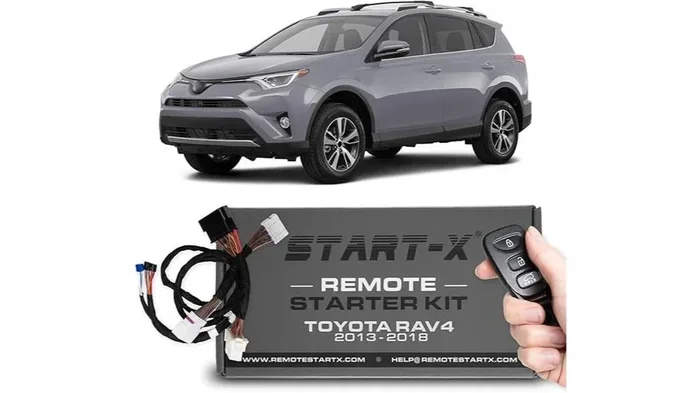
The RAV4 is shorter than the 4Runner by about 15 inches. The RAV4 measures around 181 inches long. That makes it much easier to park in tight spaces. However, the RAV4 has less cargo space and a smaller overall presence.
If you need a compact SUV for city driving, the RAV4 is a great choice. But if you want more room and off-road capability, the 4Runner wins. The extra length gives the 4Runner a significant advantage in cargo capacity and towing.
4Runner vs. Toyota Highlander
The Highlander is longer than the 4Runner in some generations. The Highlander can measure up to 198 inches long. However, the Highlander is designed more for on-road comfort than off-road performance.
The 4Runner is shorter but taller, giving it better ground clearance. The Highlander has a more car-like feel and better fuel economy. If you want a family SUV for highway trips, the Highlander might be the better option. If you want adventure capability, stick with the 4Runner.
4Runner vs. Toyota Land Cruiser
The Land Cruiser is significantly longer than the 4Runner. It measures over 225 inches long. That is about 3 feet longer than the 4Runner. The Land Cruiser is a full-size luxury SUV with three rows of seating.
The extra length gives the Land Cruiser more passenger and cargo space. It also makes the truck harder to park. The 4Runner strikes a better balance between size and usability for most buyers. If you want the ultimate Toyota SUV, the Land Cruiser is hard to beat, but the 4Runner is more practical for everyday use.
What Affects the 4Runner’s Overall Length
Several factors contribute to the 4Runner length. Understanding these can help you make a more informed decision when choosing a trim or model year.
Bumper Design
The front and rear bumpers play a big role in the overall length. The TRD Pro has larger, more aggressive bumpers that add several inches. The SR5 has simpler bumpers that keep the length more compact.
If you are trying to minimize the 4Runner’s footprint, the base SR5 is your best bet. The TRD Off-Road adds a moderate amount of length, while the TRD Pro adds the most. Every inch counts when you are trying to fit the truck into a garage or a tight parking space.
Aftermarket Modifications
Aftermarket lifts, bumpers, and roof racks can increase the effective length of the 4Runner. A lifted suspension adds height but can also change the overall proportions. A front winch bumper can add several inches to the front overhang.
Before you buy any aftermarket parts, measure your truck carefully. You want to make sure the modifications do not make the 4Runner too long for your garage or parking situation. Some accessories, like a cargo net, do not add length but can help secure gear inside the cargo area.
Model Year Differences
As mentioned earlier, different generations of the 4Runner have different lengths. The newest models are the longest. If you are buying used, always check the exact dimensions for the model year you are considering.
Toyota also makes small changes between model years. A 2024 4Runner might be slightly different in length than a 2023 model. These differences are usually small, but they can matter if you are working with tight spaces.
Practical Tips for Living With a Long SUV
Owning a truck that is over 17 feet long comes with some practical challenges. Here are some tips to make life easier with your 4Runner.
Parking Strategies
Parking a long truck can be tricky, especially in urban areas. Look for spaces that are clearly marked as large SUV or truck spots. These are often found at the edges of parking lots.
When parallel parking, take your time. The 4Runner is longer than most cars on the road, so you need extra space. Use your mirrors and go slowly. If you are shopping at a mall or grocery store, try to find a spot near the entrance where you will not have to walk far.
Garaging Your 4Runner
If you have a garage, make sure it is long enough to fit the 4Runner comfortably. A minimum of 22 feet of garage depth is ideal. This gives you room to open the doors fully and access the cargo area easily.
For those without a garage, consider a car cover to protect the truck from the elements. The 4Runner is built tough, but prolonged exposure to sun and rain can wear down the paint over time. A simple cover can add years to the life of your truck.
Fuel Range Considerations
The 4Runner is not the most fuel-efficient SUV, but it has a decent tank. With a full tank, you can drive a solid distance before needing to refuel. If you are planning a long road trip, check how long you can drive with a full tank for the 4Runner specifically. This will help you plan rest stops and avoid running low in remote areas.
Conclusion
So how long is the Toyota 4Runner? The answer depends on the trim, the model year, and any aftermarket modifications. In general, the 4Runner ranges from about 189 inches for the base SR5 to 203 inches for the TRD Pro. That is between 15 feet and 17 feet of truck.
The 4Runner length is just one piece of the puzzle. When combined with the width, height, wheelbase, and cargo capacity, it gives you a complete picture of what to expect from this iconic SUV. Whether you are using it for daily commuting, weekend adventures, or serious off-roading, the 4Runner delivers in every area.
Take your time when choosing a trim and model year. Consider your parking situation, your garage size, and your lifestyle needs. The 4Runner is a fantastic truck that has earned its reputation as one of the most reliable SUVs on the market. With the right information, you can find the perfect 4Runner for your needs and enjoy it for years to come.
Frequently Asked Questions
What is the exact length of a 2024 Toyota 4Runner?
The 2024 Toyota 4Runner measures approximately 189 inches long for the SR5 trim and up to 203 inches for the TRD Pro trim. The exact length depends on the trim level and any factory or aftermarket additions.
Is the Toyota 4Runner longer than a Toyota RAV4?
Yes, the 4Runner is longer than the RAV4 by about 15 inches. The RAV4 measures around 181 inches long, while the 4Runner starts at 189 inches. This extra length gives the 4Runner more cargo space and a larger overall presence.
Can I fit a 4Runner in a standard two-car garage?
Yes, most standard two-car garages can fit a 4Runner. You need at least 22 feet of garage depth for comfortable parking. Make sure you can open the doors fully and access the cargo area without hitting the garage walls.
Does the TRD Pro add length to the 4Runner?
Yes, the TRD Pro trim adds a few inches to the overall 4Runner length compared to the base SR5. The TRD Pro measures about 203 inches long, while the SR5 is around 189 inches. The extra length comes from larger bumpers, rock rails, and upgraded suspension components.
How does the 4Runner length affect towing capacity?
The 4Runner’s length contributes to its stability when towing. The truck can tow up to 5,000 pounds when properly equipped. The longer frame provides a solid platform for hauling trailers, boats, and other equipment.
Are older 4Runner models shorter than newer ones?
Yes, older 4Runner models are generally shorter than newer ones. The first-generation 4Runner was around 170 inches long, while the latest models measure close to 203 inches. Toyota has gradually increased the size of the 4Runner over the decades to meet modern demands for space and comfort.