How Do Toyota Hybrids Work And Why They Are So Efficient
Toyota hybrids use a smart combination of an electric motor and a gasoline engine to deliver outstanding fuel efficiency. The system recaptures energy through regenerative braking and switches seamlessly between power sources. Understanding how Toyota hybrid technology works helps owners get the most from their vehicles.
Toyota hybrids have been turning heads on roads for decades. But how do they actually work under the hood? The answer is simpler than most people think. These vehicles use two power sources — an electric motor and a gasoline engine — working together in perfect harmony.
The result is a driving experience that delivers incredible fuel efficiency without sacrificing performance. Whether you drive a Toyota Prius or a newer Toyota Hybrid Synergy Drive model, the core principles remain the same. In this guide, we will break down every major component and explain why Toyota hybrids are so efficient.
You do not need to be a mechanic to understand this technology. By the end of this article, you will have a clear picture of how your hybrid vehicle operates and why it saves you money at the pump.
Key Takeaways
- Dual Power Sources: Toyota hybrids combine an electric motor and gasoline engine for optimal performance and fuel savings.
- Regenerative Braking: The system recaptures energy during braking to recharge the hybrid battery.
- Seamless Transitions: The powertrain switches between electric and gas power automatically without driver input.
- Impressive Fuel Economy: Toyota hybrids regularly achieve 40 to 60 miles per gallon depending on the model.
- Low Maintenance Costs: Fewer brake and engine parts mean reduced long-term ownership costs.
- Environmentally Friendly: Lower emissions make Toyota hybrids a greener choice for daily driving.
📑 Table of Contents
What Makes Toyota Hybrids Different From Regular Cars
A conventional car relies entirely on a gasoline engine. That engine burns fuel to create motion. It also needs a traditional transmission to transfer power to the wheels. Toyota hybrids take a completely different approach.
Instead of depending on just one power source, a hybrid uses two. The electric motor and the gasoline engine share the workload. This means the gasoline engine does not always have to run. Sometimes the electric motor handles all the work by itself.
The Hybrid Powertrain Explained
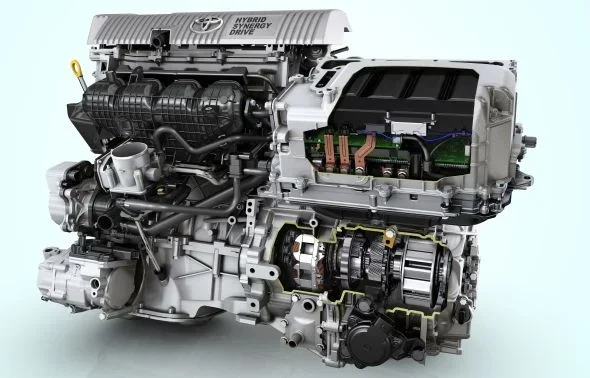
The hybrid powertrain is the heart of every Toyota hybrid vehicle. It connects the electric motor, gasoline engine, and transmission into one unified system. Toyota calls this the Hybrid Synergy Drive, and it has been refined over more than 25 years of development.
Here is what makes the powertrain special:
- Power Split Device: A planetary gear set that divides power between the electric motor and gasoline engine.
- Generator: Converts mechanical energy into electrical energy to recharge the battery.
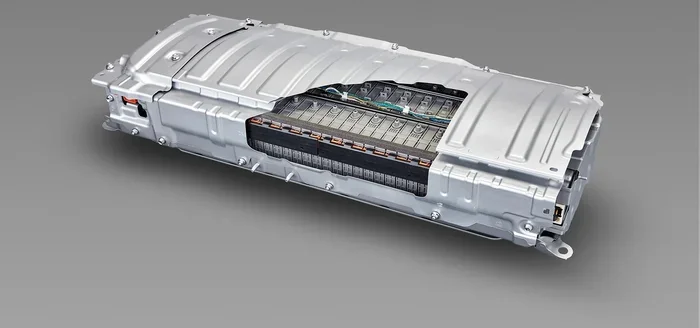
- Battery Pack: Stores electrical energy for the electric motor to use.
- Power Control Unit: Manages the flow of electricity between the motor, generator, and battery.
All of these components work together automatically. You never need to plug in a Toyota hybrid (for most models). The system handles everything on its own. This is what makes Toyota hybrid technology so convenient and user-friendly.
How The Hybrid Powertrain Delivers Efficiency
The secret behind Toyota hybrid efficiency lies in how the system uses each power source at the right time. The gasoline engine and electric motor take turns based on driving conditions. This smart coordination is what sets hybrids apart from standard vehicles.
Electric-Only Driving
At low speeds, such as when pulling out of a driveway or crawling in traffic, the electric motor does all the work. The gasoline engine stays off completely. This means zero fuel consumption during city driving scenarios. It also means near-silent operation, which many drivers love.
Most Toyota hybrids can travel about one to two miles on electric power alone at low speeds. While that may not sound like much, it adds up significantly over a daily commute.
Combined Power Mode
When you need extra acceleration — merging onto a highway, for example — both the electric motor and gasoline engine work together. The combined output delivers smooth, responsive power without the lag you might feel in a conventional vehicle.
This dual-power mode is especially useful in the Toyota Hybrid Synergy Drive system. The power control unit decides exactly how much power comes from each source in real time. The result is a seamless experience that feels natural and effortless.
Engine Off During Coasting
Here is another clever trick. When you lift off the accelerator and coast, the gasoline engine shuts off entirely. The electric motor takes over or simply does nothing, depending on the situation. This eliminates wasted fuel during moments when you do not actually need power.
Think about how often you coast in everyday driving. Whether approaching a red light or gliding down a gentle hill, the engine-off feature saves a surprising amount of fuel over time.
Understanding Regenerative Braking
One of the most brilliant features of any Toyota hybrid is regenerative braking. This system turns wasted energy into useful electricity. It is a key reason why hybrids achieve such impressive fuel economy numbers.
How Regenerative Braking Works
In a regular car, braking simply converts kinetic energy into heat. That energy is lost forever. Toyota hybrids take a different approach. When you lift off the accelerator or press the brake pedal lightly, the electric motor reverses its role and becomes a generator.
As the wheels spin the generator, electrical energy is created and sent back to the hybrid battery. This process is called regeneration. It captures energy that would otherwise be wasted and stores it for later use.
The more you brake or coast, the more energy you recapture. Over the course of a typical drive, regenerative braking can recover a significant portion of the energy used during acceleration.
Benefits Of Regenerative Braking
- Improved Fuel Economy: Recaptured energy reduces the need for the gasoline engine to generate electricity.
- Longer Brake Pad Life: Because the electric motor handles much of the braking, traditional brake pads wear out more slowly.
- Smoother Driving: Regenerative braking provides a natural deceleration feel that many drivers find very pleasant.
If you own a Toyota hybrid, maintaining your battery health is essential to keep regenerative braking working at its best. You can learn more about how to keep your hybrid battery healthy in our detailed guide.
Drive Modes And How They Impact Performance
Toyota hybrids come with different drive modes that let you customize how the vehicle uses power. Each mode changes the behavior of the powertrain to suit specific driving situations.
ECO Mode
ECO mode prioritizes fuel savings above all else. The system limits acceleration response and adjusts the air conditioning to reduce energy consumption. This mode is perfect for highway cruising and long commutes where efficiency matters most.
Power Mode
Power mode does the opposite. It taps into both the electric motor and gasoline engine for maximum acceleration. The system holds the engine in the optimal power band and delivers a more responsive feel. Use this mode when you need quick passes or hill-climbing performance.
Some Toyota models also allow you to switch to sport mode while driving a Toyota, which adjusts transmission behavior and throttle response for a more engaging drive.
EV Mode
EV mode forces the vehicle to run on electric power only. The gasoline engine stays completely off. This is ideal for short distances in residential areas or parking lots where you want a quiet, zero-emission drive.
Keep in mind that EV mode has limited range. Once the battery charge drops too low, the system automatically switches back to hybrid mode. This prevents the battery from draining completely.
The Role Of The Hybrid Battery
The hybrid battery is the energy reservoir of your Toyota hybrid. It stores electricity generated by regenerative braking and the gasoline engine. When the electric motor needs power, it draws from this battery.
Toyota hybrid batteries are designed to last the lifetime of the vehicle. They use nickel-metal hydride (NiMH) or lithium-ion chemistry depending on the model. Both types are proven to be durable and reliable.
Unlike the battery in a conventional car, the hybrid battery is not responsible for starting the engine. It is purely for powering the electric motor and storing recaptured energy. This dedicated purpose means the battery experiences less stress and lasts longer.
Toyota also offers a factory reset for Hybrid Connect if you experience any infotainment or connectivity issues with your hybrid model. This simple reset can resolve many common electronic glitches.
Tips For Maximizing Hybrid Battery Life
- Avoid fully draining the battery whenever possible.
- Drive smoothly and avoid aggressive acceleration.
- Use regenerative braking by coasting early before stops.
- Keep the vehicle in ECO mode during daily commutes.
- Follow the recommended maintenance schedule for battery inspection.
Why Toyota Hybrids Are So Fuel Efficient
Now that you understand the individual components, let us talk about the big picture. Why do Toyota hybrids achieve such remarkable fuel economy? The answer comes down to three main factors.
1. Smaller, More Efficient Gasoline Engines
Because the electric motor assists the gasoline engine, Toyota can use a smaller, more efficient engine. These engines are optimized for the specific power range where they work best. They do not need to be large enough to handle every driving situation alone.
Smaller engines consume less fuel and produce fewer emissions. Combined with electric assist, they deliver power when you need it while sipping fuel when you do not.
2. Elimination Of Idle Time Waste
When you stop at a red light or sit in traffic, a conventional engine idles and burns fuel. A Toyota hybrid shuts the engine off completely during these moments. The electric motor takes over to power accessories like the air conditioning and radio.
This feature alone can improve city fuel economy by 10 to 15 percent. For drivers stuck in daily stop-and-go traffic, the savings add up quickly.
3. Intelligent Energy Management
The power control unit constantly monitors driving conditions and adjusts the energy flow accordingly. It knows exactly when to use the electric motor, when to engage the gasoline engine, and when to recharge the battery. This real-time optimization is what makes Toyota hybrid technology so effective.
Most Toyota hybrids deliver between 40 and 60 miles per gallon in combined driving. Some models even exceed 60 mpg in favorable conditions. These numbers are hard to match with a conventional gasoline engine.
Common Myths About Toyota Hybrids
There are many misconceptions about hybrid vehicles that keep some drivers from considering one. Let us clear up a few of the most common ones.
Myth: Hybrid Batteries Are Expensive To Replace
While hybrid battery replacement can be costly, most Toyota hybrid batteries last well beyond 200,000 miles. Toyota also offers extended warranties on hybrid components. In reality, most owners never need a battery replacement during their ownership period.
Myth: Hybrids Are Weak And Slow
The instant torque from the electric motor gives Toyota hybrids quick, responsive acceleration from a stop. Many hybrid models feel just as lively as their gasoline-only counterparts, especially in city driving where electric power shines.
Myth: You Need To Plug In Your Hybrid
Most Toyota hybrids are self-charging. The regenerative braking system and gasoline engine keep the battery topped off automatically. You never need to find a charging station or plug in at home. Only plug-in hybrid models like the RAV4 Prime require external charging.
Myth: Hybrids Are Too Complicated
Toyota has designed hybrid systems to be simple and reliable. The onboard computer handles all the complex decisions. As a driver, you just press the start button and go. There is nothing complicated about daily operation.
Conclusion
Toyota hybrids represent some of the most refined and efficient automotive technology available today. The combination of an electric motor, gasoline engine, regenerative braking, and intelligent energy management creates a driving experience that is both economical and enjoyable.
Understanding how Toyota hybrids work helps you appreciate the engineering that goes into every mile. From the power-split device to the hybrid battery, each component plays a vital role in delivering exceptional fuel efficiency.
Whether you are a current Toyota hybrid owner or considering your first hybrid purchase, the technology is designed to work seamlessly in the background. It requires minimal effort from you while delivering maximum results. The efficiency gains are real, the savings at the pump are significant, and the environmental benefits are clear.
Embrace the future of driving with confidence. Toyota hybrid technology has been proven over decades, and it continues to evolve with each new model generation. Your next drive might just change the way you think about fuel efficiency forever.
Frequently Asked Questions
How does a Toyota hybrid recharge its battery?
Toyota hybrids recharge their batteries through regenerative braking and the gasoline engine. When you brake or coast, the electric motor acts as a generator and sends electricity back to the battery. The gasoline engine also powers a generator to keep the battery charged during normal driving. You never need to plug in most Toyota hybrid models.
Is it safe to drive a Toyota hybrid in the rain?
Yes, Toyota hybrids are fully safe to drive in wet conditions. All electrical components are sealed and protected. The high-voltage battery and motor are enclosed in waterproof housings. Toyota engineers design hybrids to meet the same safety standards as conventional vehicles, including rain and flooding scenarios.
How long does a Toyota hybrid battery last?
Most Toyota hybrid batteries are designed to last the lifetime of the vehicle. Many owners report battery life beyond 200,000 miles. Toyota also provides warranty coverage for hybrid batteries, typically lasting 8 to 10 years. Proper maintenance and driving habits can further extend battery life.
Can you tow with a Toyota hybrid?
Some Toyota hybrid models are capable of towing, but limits vary by model and trim. Always check your owner’s manual for the specific towing capacity of your vehicle. Exceeding the recommended towing limit can strain the hybrid powertrain and void your warranty.
Do Toyota hybrids require special maintenance?
Toyota hybrids follow the same basic maintenance schedule as conventional vehicles. Oil changes, tire rotations, and brake inspections are all still required. However, regenerative braking reduces wear on brake components, which can lower long-term maintenance costs. The hybrid battery also requires minimal scheduled maintenance.
What is the difference between a Toyota hybrid and a plug-in hybrid?
A standard Toyota hybrid charges its battery through regenerative braking and the gasoline engine. A plug-in hybrid, like the RAV4 Prime, has a larger battery that you can charge by plugging into an external power source. Plug-in hybrids can travel longer distances on electric power alone before the gasoline engine kicks in.