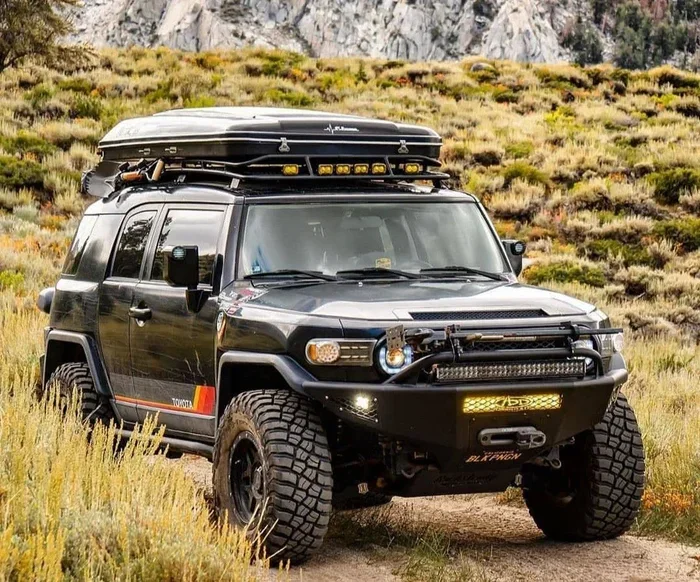
Are Toyota FJ Cruisers Reliable Here Is The Full Story
The Toyota FJ Cruiser has built a strong reputation as a dependable off-road SUV with solid reliability over the years. Most owners report few major issues, especially with proper maintenance and careful driving habits. While the FJ Cruiser is no longer in production, its reliability record remains impressive and makes it a popular choice in the used market today.
Are Toyota FJ Cruisers Reliable? Here Is The Full Story
The Toyota FJ Cruiser has earned a special place in the hearts of off-road enthusiasts and daily drivers alike. Since its launch in 2006, this rugged SUV has turned heads on and off the trail. But one question keeps coming up from buyers and current owners: are Toyota FJ Cruisers reliable?
The short answer is yes. The FJ Cruiser has a strong track record for dependability, durability, and long-term performance. However, like any vehicle, it comes with its own set of strengths and quirks. In this full story, we dive deep into what makes the FJ Cruiser tick, what owners experience over time, and whether it is the right choice for you.
Whether you are shopping for a used model or already own one, understanding its reliability profile helps you make smart decisions. Toyota built the FJ Cruiser with a focus on simplicity and toughness, and that philosophy shows in how the vehicle holds up over the years. Let us break it all down.
Key Takeaways
- Strong reliability reputation: The FJ Cruiser consistently scores well in owner satisfaction and dependability surveys.
- Proven Toyota V6 engine: The 4.0L V6 is known for durability and longevity when properly maintained.
- Body-on-frame construction: This rugged design contributes to the FJ Cruiser’s off-road toughness and overall durability.
- Common issues are manageable: Most reported problems are minor and affordable to fix.
- Long-term ownership is rewarding: With basic care, FJ Cruisers can easily surpass 200,000 miles.
- Resale value holds well: Discontinued status has only increased demand for used models.
- Regular maintenance matters: Staying on top of scheduled services prevents most reliability problems.
📑 Table of Contents
What Makes the Toyota FJ Cruiser Reliable
When people ask about Toyota FJ Cruiser reliability, they want to know what gives this vehicle its strong reputation. The answer lies in several key design and engineering choices that Toyota got right from the start.
The 4.0L V6 Engine
At the heart of the FJ Cruiser sits the Toyota 1GR-FE 4.0L V6 engine. This engine has been used across many Toyota models for years, which means it is well-tested and proven. It produces around 239 horsepower and 278 lb-ft of torque, giving the FJ Cruiser plenty of power both on and off the road.
Owners consistently praise this engine for its longevity. With regular oil changes and proper care, the 4.0L V6 can easily reach 250,000 miles or more without major issues. The engine is also relatively simple in design, which means fewer things can go wrong compared to more complex modern powertrains.
Body-on-Frame Construction
The FJ Cruiser uses a body-on-frame design, which is the same construction method found in traditional trucks and serious off-road vehicles. This design offers several reliability advantages:
- Greater structural strength: The separate frame absorbs off-road impacts better than unibody designs.
- Easier and cheaper repairs: Damage is often easier to fix because the frame and body are separate.
- Better durability over time: The frame resists twisting and warping, even under heavy use.
This construction method is a big reason why the FJ Cruiser holds up so well over the years. It was built to handle tough conditions, and it does exactly that.
Simple and Proven Drivetrain
The FJ Cruiser comes with a 5-speed automatic transmission paired to a part-time 4WD system with a center differential. This drivetrain setup is straightforward and proven in Toyota’s lineup. There are no overly complex electronic systems that tend to fail over time.
The part-time 4WD system lets drivers lock the front and rear axles when needed for off-road traction. When unlocked, it operates in 2WD for better fuel economy on pavement. This dual capability adds to the vehicle’s overall versatility and long-term dependability.
Common FJ Cruiser Problems and Issues
No vehicle is perfect, and the FJ Cruiser is no exception. While it is widely regarded as reliable, there are some common FJ Cruiser problems that owners should know about. Understanding these issues helps you stay ahead of potential headaches.
Rear Differential Issues
One of the more commonly reported issues involves the rear differential. Some owners have experienced wear in the differential gears, especially if the vehicle was used for heavy off-roading or towing. Symptoms include whining noises or vibration during turns.
However, this issue is not widespread. It tends to affect vehicles that were pushed hard off-road without proper maintenance. For typical daily driving and light trail use, the rear differential should last the life of the vehicle without problems.
Rust and Corrosion
Rust can be a concern for FJ Cruisers, particularly in regions that use road salt during winter months. The body-on-frame design and exposed undercarriage make the vehicle more susceptible to corrosion in harsh climates.
Regular washing, especially of the undercarriage, goes a long way in preventing rust. Applying a quality undercoating or rust inhibitor can also help protect the vehicle. Buyers looking at used models should carefully inspect the wheel wells, rocker panels, and frame for any signs of rust.
Minor Electrical Gremlins
Some owners have reported minor electrical issues over the years. These can include things like intermittent power window problems, dashboard warning lights, or issues with the infotainment system. Most of these are cosmetic or minor and do not affect the core reliability of the vehicle.
Toyota’s electrical systems in the FJ Cruiser are generally simple and reliable. When issues do arise, they tend to be easy and inexpensive to repair compared to the complex electronics found in newer vehicles.
FJ Cruiser Maintenance and Upkeep
Proper FJ Cruiser maintenance plays a huge role in how reliable the vehicle remains over time. The good news is that maintaining an FJ Cruiser is straightforward and affordable compared to many other SUVs.
Routine Maintenance Schedule
Following Toyota’s recommended maintenance schedule keeps the FJ Cruiser running strong. Key maintenance tasks include:
- Oil changes every 5,000 to 7,500 miles using quality synthetic or conventional oil.
- Tire rotations every 5,000 to 7,500 miles to ensure even wear.
- Brake inspections at each oil change, with pad and rotor replacement as needed.
- Transmission fluid changes every 60,000 miles to keep the gearbox shifting smoothly.
- Differential fluid changes every 30,000 to 50,000 miles to protect the axles.
- Coolant flushes every 100,000 miles or as recommended.
Staying on top of these simple tasks goes a long way in preventing bigger, more expensive problems down the road. The FJ Cruiser was designed to be easy to maintain, which adds to its overall appeal as a reliable vehicle.
Maintenance Costs Compared to Other Toyotas
When it comes to upkeep costs, the FJ Cruiser compares favorably to other Toyota SUVs. Toyota Tacomas are known for being low maintenance, and the FJ Cruiser shares a similar philosophy of simplicity and durability. Routine services like oil changes, brake jobs, and tire replacements are reasonably priced and widely available at any Toyota dealership or independent shop.
Parts availability is another advantage. Because the FJ Cruiser shares components with other Toyota models, finding replacement parts is generally easy and affordable. This is especially true for common wear items like brake pads, filters, and suspension components.
One thing to keep in mind is that the FJ Cruiser is no longer in production. While this has not affected parts availability yet, it is something to consider for the long term. However, given Toyota’s strong parts support for older models, this should not be a major concern for the foreseeable future.
FJ Cruiser Reliability Over Time
Understanding how the FJ Cruiser holds up over the years gives buyers confidence in their purchase. Long-term reliability is one of the main reasons people choose this vehicle.
Performance at 100,000 Miles
At the 100,000-mile mark, most FJ Cruisers are still running strong. The 4.0L V6 engine typically shows no signs of major wear at this point. Owners generally report that the transmission shifts smoothly, the 4WD system works as intended, and the overall driving experience remains solid.
At this mileage, owners should start keeping a closer eye on certain components. Suspension bushings, exhaust mounts, and brake components may need attention. But these are normal wear items and not signs of a reliability problem.
Performance at 200,000 Miles
When properly maintained, the Toyota FJ Cruiser can reach 200,000 miles and beyond. This aligns with Toyota’s broader reputation for building vehicles that last. Many FJ Cruiser owners report that their vehicles remain dependable even at very high mileage.
It is worth noting that Toyotas are reliable after 200K miles, and the FJ Cruiser is no different. The key is consistent maintenance and addressing small issues before they become big problems. Owners who keep up with regular services and drive responsibly tend to see the best long-term results.
What Owners Say in Real-World Reviews
Real-world owner feedback reinforces the FJ Cruiser’s reliability reputation. Surveys and owner reviews consistently show high satisfaction rates. Owners appreciate the vehicle’s simplicity, ease of repair, and the fact that it does not require expensive or frequent repairs.
Many FJ Cruiser owners also compare it to the Toyota 4Runner, another legendary Toyota SUV known for reliability. The 4Runner has been in production for decades, and 4Runners are still reliable even after many years and high mileage. The FJ Cruiser shares much of the same DNA, which speaks to its dependability.
FJ Cruiser vs Similar Toyota SUVs
To truly understand the FJ Cruiser’s reliability, it helps to compare it to similar vehicles in the Toyota lineup and the broader SUV market.
FJ Cruiser vs Toyota 4Runner
The 4Runner and FJ Cruiser are closely related vehicles. Both are body-on-frame SUVs with strong off-road credentials and proven Toyota reliability. The 4Runner has been around longer and has a larger aftermarket support base, but the FJ Cruiser offers a more retro-inspired design and slightly better off-road geometry.
In terms of reliability, both vehicles perform similarly. The 4Runner has more long-term data simply because it has been in production longer. But the FJ Cruiser’s shared platform and components mean that reliability expectations are very comparable. Owners considering either vehicle can feel confident in both choices.
FJ Cruiser vs Toyota Highlander
The Toyota Highlander is a unibody SUV designed more for on-road comfort and family hauling. It is a different vehicle entirely from the FJ Cruiser. The Highlander offers more interior space and modern features, but it does not match the FJ Cruiser’s off-road capability or rugged durability.
For those interested in the Highlander, you can read more about are Toyota Highlanders good to understand how it compares in the Toyota SUV lineup.
FJ Cruiser vs Toyota Tacoma
The Toyota Tacoma is a pickup truck that shares many mechanical components with the FJ Cruiser. Both are known for being Toyota Tacomas low maintenance and reliable. The Tacoma is a workhorse, while the FJ Cruiser is an adventure SUV, but they share Toyota’s commitment to durability and simplicity.
Buyers who value low maintenance costs and long-term dependability will find both vehicles rewarding. The choice between them comes down to whether you need a truck bed or an SUV body style.
Is the Toyota FJ Cruiser Worth Buying Used?
Given that the FJ Cruiser is no longer in production, buying a used model is the only option for most buyers. And the good news is that it is absolutely worth it. The FJ Cruiser has a strong reliability record that holds up well over time.
When shopping for a used FJ Cruiser, look for models with well-documented maintenance history. Vehicles that have been regularly serviced and driven responsibly will offer the best long-term ownership experience. Avoid models with known accident damage or heavy off-road abuse unless you are prepared for potential repairs.
The FJ Cruiser’s resale value holds up remarkably well for a discontinued vehicle. Demand remains strong, which means used prices have stayed relatively high. This is a testament to the vehicle’s popularity and the trust owners have in its reliability and capability.
Buyers should also factor in the cost of ownership. Insurance, fuel, and maintenance costs are all reasonable for this class of vehicle. The FJ Cruiser does not guzzle gas, and its maintenance needs are straightforward and affordable. Overall, it is a smart buy for anyone looking for a dependable used SUV with serious off-road chops.
Final Verdict on Toyota FJ Cruiser Reliability
So, are Toyota FJ Cruisers reliable? The answer is a clear yes. The FJ Cruiser combines a proven Toyota powertrain, rugged body-on-frame construction, and a simple design that resists the kinds of complex failures that plague more modern vehicles. Most owners experience few problems and enjoy years of dependable service.
The vehicle does have its quirks. Rust can be a concern in certain climates, and some owners have dealt with minor electrical issues. But these are manageable and do not detract from the overall reliability picture. With proper maintenance and care, the FJ Cruiser will reward its owner with years of trouble-free driving, both on and off the road.
If you are looking for a reliable used SUV with genuine off-road capability and a strong Toyota pedigree, the FJ Cruiser should be at the top of your list. It is a vehicle built to last, and its track record proves it.
Frequently Asked Questions
How long does a Toyota FJ Cruiser last?
With proper maintenance, a Toyota FJ Cruiser can easily last 200,000 miles or more. The 4.0L V6 engine is known for its durability, and the body-on-frame construction adds to the vehicle’s long-term strength. Many owners report crossing the 250,000-mile mark without major issues.
What are the most common FJ Cruiser reliability problems?
The most commonly reported issues include rear differential wear, rust in harsh climates, and minor electrical gremlins. None of these are considered major or expensive to fix. Most FJ Cruiser owners experience very few problems throughout the life of the vehicle.
Is the FJ Cruiser expensive to maintain?
No, the FJ Cruiser is generally affordable to maintain. Routine services like oil changes, brake jobs, and fluid replacements are reasonably priced. Parts are widely available and not overly expensive, which keeps overall maintenance costs low.
Can the FJ Cruiser be used as a daily driver?
Yes, the FJ Cruiser makes an excellent daily driver. It is comfortable, reliable, and offers good fuel economy for its class. Many owners use their FJ Cruisers every day for commuting and errands without any reliability concerns.
Why is the FJ Cruiser no longer in production?
Toyota discontinued the FJ Cruiser after the 2022 model year due to shifting market demand toward crossovers and trucks. Despite its popularity among enthusiasts, sales did not meet Toyota’s expectations in the modern SUV market. This has not affected its reliability or desirability in the used market.
How does the FJ Cruiser compare to the Toyota 4Runner in terms of reliability?
The FJ Cruiser and 4Runner share similar reliability profiles. Both are body-on-frame Toyota SUVs with proven drivetrains and strong owner satisfaction ratings. The 4Runner has more long-term data, but the FJ Cruiser’s shared components and engineering give it a comparable reliability outlook.