Are All Toyota RAV 4 Models Now Available with AWD
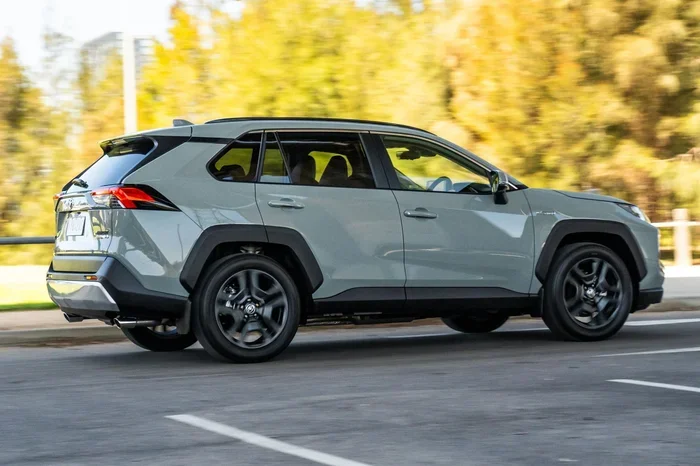
So, are all Toyota RAV4 models now AWD? The answer isn’t a simple yes. While Toyota has expanded all-wheel drive availability, the base RAV4 trims still offer front-wheel drive as standard. This guide breaks down every current trim, the hybrid AWD system, and how to pick the right drivetrain for your lifestyle.
So, are all Toyota RAV4 models now AWD? That’s the question on many shoppers’ minds. The Toyota RAV4 remains one of the best-selling SUVs in the world. Its mix of size, efficiency, and reliability draws thousands of buyers every year. But the drivetrain choice can be confusing. You see RAV4s with AWD badges and others with just FWD. You wonder if every single model now comes with all-wheel drive. The short answer is no. Not every RAV4 trim is AWD standard. But the situation is clearer than you might think. This guide walks you through the current lineup. It explains which trims offer AWD, how the hybrid system works, and what you should consider before buying. I’ll also share quick tips and common mistakes to avoid.
The Toyota RAV4 has been around for decades. It built a reputation for being dependable and practical. Toyota RAV4 reliability is one of the main reasons people buy it. Over the years, Toyota added more drivetrain options. Today, you can get a RAV4 with front-wheel drive or all-wheel drive. Some trims even offer a hybrid powertrain with AWD. The goal is to match the right drivetrain to your needs. Whether you face snowy winters or just want extra confidence, AWD can help. But it’s not always necessary. Let’s dive into the details.
Key Takeaways
- Not all RAV4 models are AWD: Base trims like the LE still come standard with front-wheel drive.
- AWD is available on most higher trims: XLE, SE, and XSE often offer AWD as an option or standard.
- The RAV4 Hybrid uses a full-time AWD system: It pairs an electric motor with the gas engine for instant torque.
- Fuel economy drops slightly with AWD: Expect a small mpg penalty compared to FWD versions.
- AWD adds value in snow and rough terrain: It improves traction and confidence in adverse conditions.
- Check the specific trim before buying: Drivetrain options vary by model year and package.
📑 Table of Contents
The Toyota RAV4 AWD Landscape
Toyota has shifted its strategy over the past few years. The RAV4 lineup is no longer a simple FWD-only choice. Now, most trims give you the option to add AWD. But that doesn’t mean every RAV4 rolls off the lot with it. The base LE trim often comes with front-wheel drive as standard. Higher trims like the XLE and SE may include AWD as standard or as an option. This tiered approach lets buyers choose based on budget and needs. It also keeps the entry price lower for those who don’t need AWD.
Why Toyota Offers Both FWD and AWD
Toyota understands that drivers have different needs. A front-wheel drive RAV4 works great for most daily commutes. It’s lighter, which helps fuel economy. It’s also cheaper to buy and maintain. For buyers in warm climates, FWD is often enough. But if you live in a snowy area, AWD becomes a valuable upgrade. AWD vs 4WD in snow is a common comparison. AWD provides better traction on slippery roads without the heavy fuel penalty of a traditional 4WD system. Toyota designed the RAV4 AWD to be smart and efficient. It uses a computer-controlled system that sends power to the wheels that need it most.
Quick Tips: When to Choose AWD
- You live in an area with heavy snowfall or icy roads.
- You frequently drive on unpaved or gravel roads.
- You want extra confidence during emergency maneuvers on wet pavement.
- You plan to tow a trailer or carry heavy loads.
These situations make AWD a smart choice. But if your daily drive is just to the office on clear highways, FWD will save you money. The difference in resale value is also worth considering. A well-maintained RAV4 holds its value well, and Toyota Highlander buyers often compare drivetrain options too.
Which Toyota RAV4 Trims Come with AWD?
Let’s look at the current RAV4 trims and their drivetrain options. The lineup includes both gas and hybrid models. Each trim has specific AWD availability. I’ll break it down so you know exactly what to expect.
| Trim Level | FWD Standard | AWD Available | AWD Standard? |
|---|---|---|---|
| LE | Yes | Yes (optional) | No |
| XLE | Yes | Yes (optional) | No |
| XSE | Yes | Yes (optional) | No |
| SE | Yes | Yes (optional) | No |
| Hybrid LE | Yes | Yes (optional) | No |
| Hybrid XLE | No | Yes | Yes |
| Hybrid XSE | No | Yes | Yes |
| Hybrid SE | No | Yes | Yes |
As you can see, the hybrid trims often come standard with AWD. Toyota made a smart move there. The hybrid system already includes a rear electric motor. Adding AWD is almost seamless. For the gas models, AWD is typically an option on most trims. The base LE is the only trim where you might want to stick with FWD to save money. If you want AWD on a gas RAV4, you’ll likely need to step up to XLE or SE.
Common Mistakes When Choosing a RAV4 Trim
- Assuming all XLE trims are AWD: The XLE FWD is still a popular choice. Always check the drivetrain badge.
- Overlooking the hybrid option: Hybrid RAV4s offer better fuel economy and standard AWD on higher trims.
- Ignoring the SE trim: The SE offers a sportier look and AWD availability, making it a great middle ground.
Avoid these pitfalls. Take your time at the dealership. Ask the salesperson to confirm the drivetrain on the exact vehicle you’re looking at. The window sticker will clearly state FWD or AWD.
AWD vs. FWD: What You Need to Know
Choosing between AWD and FWD isn’t just about price. It affects your driving experience, fuel costs, and even maintenance. Let’s compare them side by side.
Fuel Economy: AWD systems add weight and friction. That means a slight drop in miles per gallon. The RAV4 AWD typically gets 1-2 mpg less than its FWD counterpart. Over a year of driving, that adds up. But for many buyers, the safety benefit outweighs the small fuel penalty.
Traction and Safety: AWD shines in low-traction situations. Rain, snow, and ice become less scary. The system sends power to all four wheels automatically. You don’t have to do anything. This can help with acceleration and cornering. It doesn’t necessarily shorten braking distances, but it helps you keep control. If you’ve ever felt a FWD car slip on a cold start, AWD changes that feeling.
Maintenance Costs: AWD systems have more components. There’s an additional differential, transfer case, and driveshafts. That means more parts to service over time. However, Toyota builds these systems to be durable. Regular oil changes and inspections keep everything running smoothly. The Toyota RAV4 reliability extends to the AWD components as well.
Expert Insights: Real-World AWD Benefits
Many RAV4 owners report that AWD gives them peace of mind. One owner from Minnesota shared that his AWD RAV4 handles blizzards with confidence. Another owner in the Pacific Northwest noted that AWD helped during muddy camping trips. These stories highlight a key point: AWD isn’t just for snow. It’s for any situation where you want extra grip. If you enjoy outdoor adventures, AWD can make your RAV4 more versatile.
The Toyota RAV4 Hybrid AWD System
The RAV4 Hybrid is a game-changer. It combines a gasoline engine with electric motors. The result is a system that delivers power efficiently and intelligently. Toyota’s hybrid AWD system uses a rear electric motor. This motor powers the rear wheels independently. There’s no traditional driveshaft running the length of the car. This design improves efficiency and packaging.
How the Hybrid AWD Works
The system constantly monitors traction. If the front wheels start to slip, the rear motor kicks in. It sends torque to the rear wheels in milliseconds. You feel this as instant grip. Unlike a conventional AWD system that relies on a mechanical coupling, the hybrid system is electronic. It’s smarter and more responsive. The hybrid AWD also works in conjunction with Toyota’s Safety Sense features. The car can adjust power distribution to help with stability.
One of the biggest advantages is fuel economy. The hybrid RAV4 AWD still delivers excellent mpg. The base hybrid LE gets around 40 mpg combined. That’s impressive for an AWD SUV. The system doesn’t punish you for having all-wheel drive. In fact, the electric motor assists the gas engine, reducing the load. This makes the RAV4 Hybrid one of the most efficient AWD SUVs on the market.
Quick Tips: Maximizing Your Hybrid AWD
- Drive in EV mode around town to save fuel.
- Use the Sport mode for extra punch when merging or climbing hills.
- Keep the battery charged by avoiding aggressive braking.
- Check the regenerative braking settings for optimal energy recovery.
The hybrid AWD system is a perfect example of Toyota’s engineering prowess. It proves that you don’t have to sacrifice efficiency for capability. If you’re deciding between a gas RAV4 AWD and a hybrid AWD, the hybrid often wins on long-term costs.
Common Mistakes: Hybrid AWD Care
- Neglecting the 12-volt battery: The hybrid system relies on a small 12-volt battery. If it dies, the car won’t start.
- Ignoring regenerative braking maintenance: Keep the brake system clean for optimal energy recapture.
- Assuming the hybrid AWD needs special fluid: Toyota uses the same differential fluid as the gas AWD model. Check your owner’s manual.
Are All Toyota RAV4 Models Now AWD?
This is the central question, and the answer is nuanced. The phrase are all Toyota RAV4 models now AWD suggests a universal truth. But the reality is more detailed. Toyota offers a range of RAV4 models, and not all of them come standard with AWD. The base LE trim is the clearest example. You can buy a new RAV4 LE with front-wheel drive and save several thousand dollars. That FWD LE is a perfectly capable vehicle for most drivers. It’s just not what someone living in a snowy mountain town would choose.
So, are all Toyota RAV4 models now AWD? No, but almost all of them can be equipped with AWD. Toyota has made AWD an option on nearly every trim except the very base LE (which still offers AWD as an option). The hybrid models take it a step further. The RAV4 Hybrid XLE, XSE, and SE come standard with AWD. You don’t even have to ask for it. This is Toyota’s way of meeting the growing demand for AWD without forcing it on everyone.
Special Editions and Limited Runs
Toyota sometimes releases special editions of the RAV4. These might include unique styling or feature packages. Do these special editions come with AWD? It depends. Some limited editions are based on the SE trim, which already offers AWD. Others might be FWD-only to keep the price low. Always check the specific model code. A RAV4 Prime, for instance, is a plug-in hybrid that comes standard with AWD. The Prime is a performance-oriented variant, so AWD is part of its identity.
If you’re shopping used, the landscape is different. Older RAV4 models might not have AWD available at all. The second-generation RAV4 (2001-2005) offered AWD, but it wasn’t standard. The third generation (2006-2012) improved the system. Today, AWD is a core part of the RAV4 lineup. So when people ask, “are all Toyota RAV4 models now AWD?” they’re usually thinking about the current generation. And for the current generation, the answer is close to yes, but with the important caveat that FWD still exists on lower trims.
Common Mistakes: Assuming Every RAV4 is AWD
- Buying a base LE FWD for winter driving: If you live in a cold climate, the FWD LE will struggle. Don’t make this mistake.
- Confusing AWD with 4WD: The RAV4 has AWD, not traditional 4WD with low-range gearing. It’s not designed for extreme off-roading.
- Forgetting to check the window sticker: Always verify the drivetrain before signing the papers. A dealership might default to AWD on higher trims, but it’s not guaranteed.
Expert Tips for Choosing the Right RAV4 Drivetrain
Now that you know the lineup, how do you decide? I’ve helped many buyers navigate this choice. Here are my expert tips.
First, assess your climate. If you live in a place like Arizona or Southern California, FWD is probably fine. You’ll save money upfront and at the pump. If you live in the Midwest or Northeast, AWD becomes almost a necessity. Snow and ice are part of life there. AWD gives you confidence during those cold months. I often tell buyers to think about the worst driving day of the year. Will you feel safe in an FWD car? If not, go AWD.
Second, consider your driving habits. Do you tow a trailer? Do you frequently carry heavy loads? AWD helps with traction under load. The RAV4’s towing capacity is modest, but if you’re pulling a small camper, AWD can make the experience smoother. Third, think about resale. AWD RAV4s tend to hold their value slightly better than FWD models. Buyers in colder regions specifically seek out AWD. So even if you don’t need it now, you might thank yourself later when it’s time to sell.
Fourth, don’t overlook the hybrid option. The RAV4 Hybrid offers the best of both worlds. You get AWD standard on higher trims and excellent fuel economy. The hybrid system also provides instant torque from the electric motor. That means quick, confident launches in any weather. If you’re torn between a gas AWD and a hybrid AWD, the hybrid is the smarter long-term investment.
Finally, test drive both drivetrains if possible. The difference in feel is subtle but real. An AWD RAV4 feels more planted in corners. It doesn’t understeer as much on wet roads. This subjective experience can be the deciding factor. Visit a dealership and ask to drive the same trim in FWD and AWD. You’ll notice the difference immediately.
Expert Insights: The Long-Term Cost of AWD
Some buyers worry that AWD will cost them more in the long run. Yes, you pay more upfront. You also pay slightly more in fuel. But the insurance and maintenance costs are not dramatically different. Toyota’s AWD system is designed for longevity. Many RAV4 AWD owners reach 200,000 miles without major drivetrain repairs. The peace of mind alone can justify the cost. Think of AWD as an investment in safety and capability.
Common Mistakes When Test Driving
- Not testing in adverse conditions: If the dealership has a wet lot, take advantage of it.
- Focusing only on acceleration: AWD affects handling, not just speed. Pay attention to cornering and braking.
- Ignoring the infotainment system: The drivetrain choice doesn’t change the tech, but it changes the overall experience.
By following these tips, you’ll end up with a RAV4 that fits your life perfectly. The drivetrain is one of the most important decisions you’ll make. Take it seriously, and you’ll be rewarded with years of safe, confident driving.
Conclusion
So, are all Toyota RAV4 models now AWD? The answer is a clear no, but with a big asterisk. Toyota has made AWD widely available across the lineup. Most trims can be equipped with it. The hybrid models even come standard with AWD on higher trims. However, the base LE trim still offers FWD as standard. If you want AWD, you’ll likely need to move up a trim or pay for the option. This strategy gives buyers flexibility. It keeps the RAV4 accessible to a wide range of customers while still offering the capability those who need it.
When you’re shopping for a new RAV4, always double-check the drivetrain. Don’t assume every RAV4 has AWD. Use the information in this guide to ask the right questions. Whether you choose FWD or AWD, the RAV4 remains a fantastic SUV. It’s reliable, efficient, and fun to drive. The are all Toyota RAV4 models now AWD question is just the starting point. Once you understand the options, you can make a confident choice. Happy shopping, and drive safely.
Frequently Asked Questions
Is every Toyota RAV4 model now AWD?
No, not every model. The base LE trim still comes standard with front-wheel drive. However, AWD is available as an option on most trims, and hybrid models often include AWD as standard on higher trims.
What is the difference between AWD and 4WD on a Toyota RAV4?
The RAV4 uses an all-wheel drive system that automatically sends power to the wheels with the most grip. It does not have a low-range gearing or part-time 4WD mode. AWD is designed for on-road and light off-road use, not extreme rock crawling.
Does AWD reduce the Toyota RAV4’s fuel economy?
Yes, AWD typically reduces fuel economy by 1 to 2 mpg compared to the FWD version. The hybrid RAV4 AWD is an exception, as it maintains excellent mpg thanks to the electric motor assist.
Can I add AWD to a Toyota RAV4 that originally came with FWD?
No, you cannot easily convert a FWD RAV4 to AWD after purchase. The drivetrain is built into the vehicle from the factory. If you need AWD, you must buy a model that offers it.
Are Toyota RAV4 AWD models more expensive?
Yes, AWD usually adds between $1,500 and $2,500 to the price of a gas RAV4. Hybrid models with standard AWD may have a higher starting price overall, but they offer better long-term value.
Is the Toyota RAV4 Hybrid AWD system the same as the gas AWD system?
No, the hybrid AWD uses a rear electric motor instead of a mechanical transfer case. This makes it more efficient and responsive, and it’s a key reason why the hybrid RAV4 delivers such strong fuel economy.