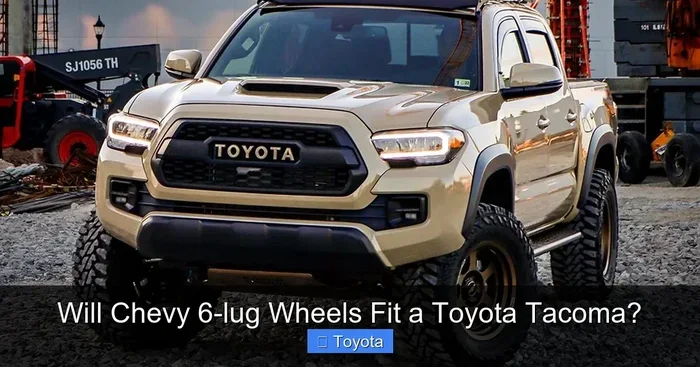
Will Chevy Rims Fit on a Toyota Pickup Truck Right Now
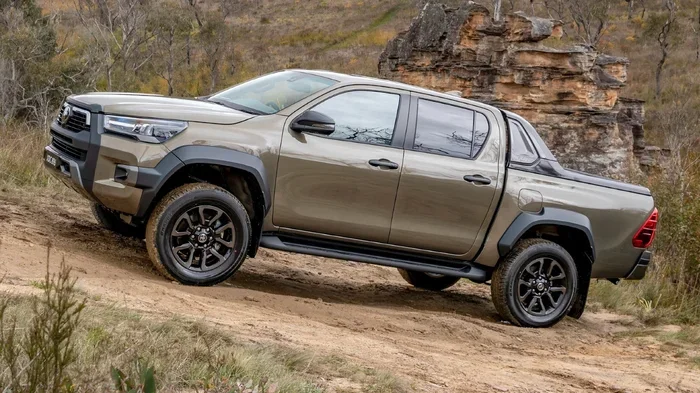
Will Chevy rims fit on a Toyota pickup truck? The short answer is maybe. Compatibility depends on bolt pattern, rim width, offset, and center bore. This guide walks you through every measurement and consideration you need to know before buying aftermarket wheels for your Toyota pickup.
So you want to slap a set of Chevy rims on your Toyota pickup truck. Maybe you found a killer deal at a swap meet. Maybe your buddy is selling a set he never uses. Or maybe you just love the look of Chevy wheels and want to see them on your Toyota. Whatever the reason, the question is simple: will they actually fit?
The answer is not a straight yes or no. Rim compatibility depends on several technical measurements that vary between manufacturers. Chevy and Toyota use different standards for bolt patterns, hub bore sizes, offset, and rim width. But here is the good news. With the right knowledge, you can make it work. This guide breaks down every detail you need to know about Will Chevy Rims Fit on a Toyota pickup truck.
Whether you are running a Silverado-sized Chevy wheel or a compact Chevy rim from a sedan, the principles stay the same. You need to match the specs. Get that right, and your Toyota pickup will look and perform great. Get it wrong, and you risk safety issues, poor handling, and damaged components. Let us walk through it together.
Key Takeaways
- Bolt pattern is everything: Chevy and Toyota use different lug patterns, so you must verify match-up before purchasing.
- Offset and backspacing matter: Wrong specs can cause rubbing against suspension or fenders.
- Center bore needs attention: A mismatch here means you may need wheel adapters or spacers.
- Some Chevy rims do fit Toyota pickups: Certain sizes and specs overlap, making swaps possible.
- Always test fit before driving: Never mount tires and hit the road without checking clearance first.
- Aftermarket wheels expand options: Many brands offer universal fitment solutions for mixed-brand setups.
📑 Table of Contents
- Will Chevy Rims Fit on a Toyota Pickup Truck?
- Understanding Rim Compatibility Basics
- Bolt Pattern: The Most Critical Measurement
- Rim Size, Width, and Offset Explained
- Common Chevy Rim Sizes That Fit Toyota Pickups
- Risks and Compatibility Issues to Avoid
- Expert Tips for a Successful Rim Swap
- Final Verdict
Will Chevy Rims Fit on a Toyota Pickup Truck?
The question of Will Chevy Rims Fit on a Toyota pickup comes up often in truck forums and garage conversations. The truth is, it depends on the specific rim and truck combination. Not every Chevy rim will work, and not every Toyota pickup will accept every rim. But many Chevy rims do fit Toyota pickups with the right specs.
Think of it like shoes. A size 10 Nike might not fit the same as a size 10 Adidas. The size number is the same, but the shape, width, and design differ. Rims work the same way. The brand name on the rim matters less than the actual measurements.
Before you buy anything, you need to know four key numbers. These are the measurements that determine whether a rim fits your truck. We will cover each one in detail below. But here is a quick preview:
- Bolt pattern (also called lug pattern)
- Hub bore diameter
- Rim width
- Offset and backspacing
If all four of these match or can be adapted, your Chevy rims will fit your Toyota pickup. Simple as that. Let us dig into each one.
Understanding Rim Compatibility Basics
What Is Bolt Pattern?
The bolt pattern is the arrangement of lug nuts on the wheel. Chevy trucks typically use a 6-lug pattern with a 139.7mm bolt circle diameter (BCD). Toyota pickups also use a 6-lug pattern, but the BCD is usually 139.7mm for newer models. This is great news. It means the bolt pattern often matches between Chevy and Toyota pickups.
However, older Toyota models and some Chevy cars use different patterns. Always double-check your specific year and model. A quick search for your vehicle’s wheel specs will give you the exact bolt pattern. You can also check your existing wheels for the stamped numbers on the back.
What Is Hub Bore?
Hub bore is the hole in the center of the rim that slips over the wheel hub. Chevy rims often have a larger hub bore than Toyota hubs. This is because Chevy makes wheels for many different vehicles, and they design the bore to fit the largest hub in their lineup.
When the hub bore is bigger than your Toyota’s hub, the wheel will not sit centered. This causes vibration and uneven wear. You can fix this with hub-centric rings. These are small rings that fill the gap between the hub and the rim bore. They cost a few dollars and make a huge difference.
Some aftermarket wheels are hub-centric, meaning they are designed to fit a specific vehicle’s hub exactly. If you buy a hub-centric rim for your Toyota, you will not need rings. Always check with the manufacturer before purchasing.
What Is Rim Width?
Rim width is the distance from one edge of the rim to the other, measured in inches. Chevy and Toyota both offer rims in a wide range of widths. A rim that is 8 inches wide on a Chevy will have the same physical width on a Toyota. The brand does not change the measurement.
But here is where it gets tricky. Wider rims change how the tire sits. A wider rim pushes the tire outward, which can affect suspension clearance and steering response. Most Toyota pickups handle rims between 16 and 20 inches wide without issues. Going wider than that requires careful planning.
Bolt Pattern: The Most Critical Measurement
The bolt pattern is the single most important factor in determining if Will Chevy Rims Fit on a Toyota pickup. If the bolt pattern does not match, the wheel will not attach to the truck at all. Period. No amount of force or adapters will fix a wrong bolt pattern safely.
Here is a quick comparison of common bolt patterns:
- Chevy Silverado (1999-2024): 6×139.7mm
- Toyota Tundra (2007-2024): 6×139.7mm
- Toyota Tacoma (2005-2024): 6×139.7mm
- Chevy Tahoe/Suburban: 6×139.7mm
- Older Chevy trucks (pre-1999): 5×5.5-inch or 5x127mm
As you can see, most modern Chevy and Toyota pickups share the same 6×139.7mm bolt pattern. This makes the swap much easier. If you have an older Chevy with a 5-lug pattern, it will not fit a modern Toyota pickup without extensive modification. Stick with matching eras for best results.
Why Bolt Pattern Matching Matters
Mismatched bolt patterns create serious safety risks. The wheel may not seat properly on the hub. Lug nuts may not torque correctly. Over time, this can lead to the wheel coming loose while driving. That is a dangerous situation no one wants to be in.
Always verify the bolt pattern on both the rim and your Toyota pickup before making a purchase. If you are shopping online, check the product description carefully. Reputable sellers list the bolt pattern clearly. If it is not listed, contact them and ask.
Rim Size, Width, and Offset Explained
Now that you understand bolt patterns, let us talk about rim size, width, and offset. These three measurements work together to determine how the wheel looks and performs on your truck.
Rim Diameter
Rim diameter refers to the size of the wheel in inches. Most Toyota pickups come stock with 16-inch, 17-inch, or 18-inch rims. Chevy trucks offer the same range. You can swap a 17-inch Chevy rim for a 17-inch Toyota rim without any issues, as long as the other measurements match.
Going up or down in diameter affects your speedometer reading, gear ratio, and suspension geometry. A 20-inch rim on a truck that came with 17s will change the ride quality. The truck may feel firmer and look more aggressive. But it also lowers the sidewall, which means less cushion over bumps. Consider your driving conditions before going too big.
Rim Width
Rim width affects tire profile and handling. Wider rims allow wider tires, which improve grip and cornering. But too wide, and you risk rubbing against the fender or suspension components.
For most Toyota pickups, a rim width between 7 and 9 inches works well. Chevy rims in this range are widely available and affordable. If you want to go wider, check your truck’s specifications first. The tire size stamped on your current door jamb gives you a starting point.
Offset and Backspacing
Offset is the distance from the rim’s mounting surface to its center line. Positive offset pushes the wheel inward toward the truck. Negative offset pushes it outward toward the fender.
Backspacing is the distance from the mounting surface to the back edge of the rim. Higher backspacing means the wheel sits closer to the suspension. Lower backspacing means the wheel sticks out further.
For a Toyota pickup, you generally want an offset between 0 and 40mm. Too much positive offset and the wheel may rub against the caliper. Too much negative offset and the wheel may stick out past the fender. Both situations are unsafe and can damage your truck.
If you find a Chevy rim you love but the offset is slightly off, wheel spacers can help. These are simple devices that push the wheel outward from the hub. They come in various thicknesses and are an easy way to fine-tune your fitment. Just make sure the spacers are rated for your truck’s weight and load capacity.
Common Chevy Rim Sizes That Fit Toyota Pickups
Now let us get practical. Which Chevy rims actually fit Toyota pickups? Here are some common combinations that work well:
- 17×7-inch rims: Fits most Toyota Tacomas and Tundras. Great for daily driving.
- 17×8-inch rims: Slightly wider stance. Works well on Tundras with stock suspension.
- 18×8-inch rims: Popular upgrade size. Fits most Toyota pickups with proper offset.
- 20×9-inch rims: Big look. Requires lowering springs or lifted suspension for clearance.
- 18×7-inch rims: Sporty fit. Great for Tacoma owners who want a sporty look.
These are general guidelines. Always verify the specific rim’s specs before buying. Two 18×8 rims from different manufacturers may have different offsets, which changes how they fit on your truck.
Where to Find Compatible Chevy Rims
You have several options for finding Chevy rims that fit your Toyota pickup:
- Salvage yards: Pull rims off older Chevy trucks for cheap prices.
- Online marketplaces: eBay, Facebook Marketplace, and Craigslist often have great deals.
- Aftermarket wheel brands: Brands like Fuel, American Racing, and Method make universal rims that fit multiple vehicles.
- Local tire shops: Many shops carry a wide selection and can help with fitment advice.
When buying used rims, inspect them carefully. Look for cracks, bends, and corrosion. A damaged rim can fail under load, which is extremely dangerous. Run your hand along the inside and outside of the rim to feel for any defects.
Risks and Compatibility Issues to Avoid
Swapping rims between brands is not without risks. Here are the most common issues you should watch for:
Center Bore Mismatch
If the Chevy rim has a larger center bore than your Toyota hub, the wheel will not center properly. This causes vibration at highway speeds and uneven tire wear. Always use hub-centric rings to bridge the gap. Never rely on lug nuts alone to center the wheel.
Suspension Clearance
Wrong offset or rim width can cause the tire to rub against suspension components. This is especially common with lifted trucks or trucks that have been modified with larger tires. Before mounting new rims, check the clearance by hand. Turn the steering lock to lock and see if anything touches.
Load Rating Mismatch
Toyota pickups are heavy vehicles. They need rims with the right load rating to handle the weight safely. Chevy car rims (from sedans or coupes) often have lower load ratings than truck rims. Check the load rating stamped on the rim and make sure it meets or exceeds your truck’s requirements. If you are hauling heavy loads or towing a Class 3 hitch, this is especially important.
TPMS Sensor Compatibility
Many newer Toyota pickups come with tire pressure monitoring sensors inside the rims. Aftermarket rims may not have the correct sensor pocket or may interfere with the sensor. Check if your truck has TPMS and confirm the new rims are compatible before installing.
Towing and Payload Considerations
If you use your Toyota pickup for towing or hauling, your rim choice matters even more. The wheels bear the weight of your cargo and trailer. Cheap or poorly rated rims can crack under heavy loads. If you are planning to tow, make sure your new rims are rated for the weight you will be carrying. You can check your truck’s towing capacity and payload limits in the owner manual or by looking up your vehicle’s specs.
Tire Pressure Monitoring
Some Toyota models allow you to see tire pressure on the Toyota app or dashboard display. Aftermarket rims can sometimes interfere with the TPMS sensors, causing false readings. If you notice your tire pressure light coming on after a rim swap, check the sensor placement and rim compatibility.
Expert Tips for a Successful Rim Swap
Want to make sure your Chevy rim swap goes smoothly? Follow these expert tips:
- Measure twice, mount once. Write down all four measurements (bolt pattern, hub bore, width, offset) and compare them to the rim specs before buying.
- Test fit before you drive. Put the rim on the truck without fully tightening the lug nuts. Check for clearance issues with the brakes, suspension, and fenders.
- Use a torque wrench. Always tighten lug nuts to the manufacturer’s recommended torque. Over-tightening can warp the rim, and under-tightening can cause the wheel to come loose.
- Check your insurance. Some insurance policies have rules about aftermarket wheels. Make sure your coverage is up to date.
- Keep your stock rims. Store your original Toyota rims somewhere safe. You never know when you might need them for warranty work or resale value.
Also, remember that truck modifications go beyond just wheels. If you are adding bigger rims, you may want to consider other upgrades too. Things like suspension lift kits, larger tires, or even bed accessories like a cargo net can complement your new look. A well-rounded truck build looks and performs better than just swapping wheels alone.
One more thing to keep in mind. The look and durability of your truck depends on more than just the rims. If you want to protect your truck’s paint and bed, consider options like vinyl wrap or bed liners. These accessories add longevity and style to your overall truck setup. Just make sure everything works together as a cohesive build.
Final Verdict
So, will Chevy rims fit on a Toyota pickup truck? Yes, they can. The key is matching the right specifications. Bolt pattern, hub bore, rim width, and offset all need to align for a proper fit. Most modern Chevy and Toyota pickups share the same 6×139.7mm bolt pattern, which makes the swap much easier.
Take your time. Do your research. Measure everything. And never skip the test fit. A little patience upfront saves you from costly mistakes and safety issues down the road. Your Toyota pickup can look incredible with a set of well-matched Chevy rims. Just make sure you do it right.
Whether you are building a show truck or just want a fresh look for your daily driver, the right rims make all the difference. Choose wisely, fit carefully, and enjoy the ride.
Frequently Asked Questions
Can I put any Chevy rim on my Toyota pickup?
Not every Chevy rim will fit. You need to match the bolt pattern, hub bore, rim width, and offset. Most modern Chevy and Toyota pickups share a 6×139.7mm bolt pattern, which helps. But always verify the specific rim specs before buying.
Do I need hub-centric rings for Chevy rims on a Toyota?
Yes, if the Chevy rim has a larger center bore than your Toyota hub. Hub-centric rings fill the gap and keep the wheel centered. This prevents vibration and uneven tire wear. They are cheap and easy to install.
What happens if the offset is wrong on my new rims?
Wrong offset can cause the tire to rub against the fender or suspension components. It can also affect steering response and handling. Too much positive offset pushes the wheel inward, and too much negative offset pushes it outward. Always match the offset to your truck’s specifications.
Are Chevy truck rims stronger than Toyota rims?
Not necessarily. Rim strength depends on the material, manufacturing process, and load rating. Some Chevy rims are heavy-duty and built for towing. Others are lightweight and designed for appearance. Check the load rating stamped on the rim to compare strength.
Can I use wheel spacers to make Chevy rims fit my Toyota?
Yes, wheel spacers can help adjust the fitment when the offset is slightly off. They push the wheel outward from the hub and can correct clearance issues. But only use high-quality spacers rated for your vehicle’s weight and driving conditions.
Will bigger Chevy rims hurt my Toyota pickup’s ride quality?
Larger rims with lower sidewalls can make the ride firmer and less comfortable. They also affect speedometer accuracy and fuel economy. If you want bigger rims, consider keeping a reasonable tire sidewall height to maintain ride quality and safety.