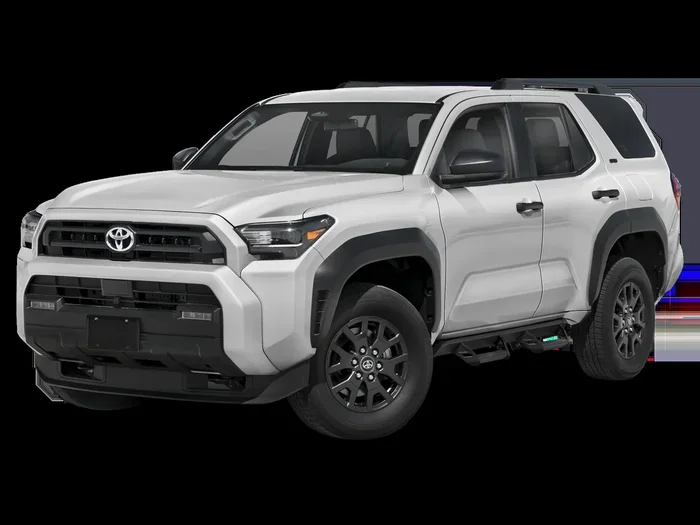
Why Is the 2025 Toyota 4Runner Delayed For Many Months
The 2025 Toyota 4Runner delay has left many SUV fans waiting longer than expected. Supply chain disruptions, semiconductor shortages, and record-breaking demand are all major factors. Toyota is prioritizing quality control and production efficiency to meet the high expectations for this redesigned model. If you are planning to buy one, understanding these delays can help you set realistic expectations.
The 2025 Toyota 4Runner delay has become a hot topic among SUV enthusiasts and potential buyers. If you have been following the latest news about this iconic midsize SUV, you probably already know that the launch is taking longer than anyone expected. But what exactly is causing this delay? And more importantly, what does it mean for you if you are planning to buy one?
There are several reasons behind the 2025 Toyota 4Runner postponement. Some of them are global issues that affect the entire automotive industry, while others are specific to Toyota and this particular model. In this article, we will break down every major factor contributing to the delay. We will also look at what buyers can do in the meantime and when the 2025 Toyota 4Runner might finally hit the market.
The 4Runner has always been a beloved vehicle. It is rugged, reliable, and built to last. Toyota has a strong reputation for making trucks and SUVs that stand the test of time. That reputation is part of why so many people are eagerly waiting for the new model. The excitement around the 2025 Toyota 4Runner is real, and the demand is through the roof.
Understanding why the delay is happening requires looking at the bigger picture. It is not just one thing causing the holdup. It is a combination of factors that are all working together to push the launch date further out. Let us dive into each of these reasons in detail.
Key Takeaways
- Supply Chain Issues: Global supply chain disruptions and semiconductor shortages are major reasons for the 2025 Toyota 4Runner delay.
- High Demand: The 4Runner is one of Toyota’s most popular SUVs, creating overwhelming demand that exceeds current production capacity.
- TRD Pro Popularity: The TRD Pro trim level is especially sought after, adding pressure to production timelines.
- Quality Control Focus: Toyota is taking extra time to ensure build quality and reliability standards are met before launch.
- Longer Wait Times: Buyers should expect delays of several months, but there are steps you can take to secure your order sooner.
- Alternative Options Exist: While waiting, consider related Toyota SUVs or explore the used market for similar capabilities.
📑 Table of Contents
The 2025 Toyota 4Runner Delay: What We Know So Far
Toyota has not given a single clear reason for the 2025 Toyota 4Runner delay. Instead, the company has hinted at multiple challenges that are affecting the production timeline. These challenges range from global supply chain problems to internal decisions about quality and performance.
When Toyota first announced the 2025 4Runner, fans were excited. The new model promised upgrades in design, technology, and capability. However, the excitement quickly turned to frustration as delivery dates kept slipping. Dealerships across the country have been fielding calls from anxious customers who want to know when they can get their hands on the new SUV.
Background on the 2025 4Runner
The 2025 4Runner represents a major update to one of Toyota’s most iconic models. The previous generation served Toyota well for many years. But the new version brings a fresh platform, updated styling, and modern technology features. Toyota also improved the interior significantly, making it more comfortable and tech-friendly.
One of the most notable changes is the powertrain. The 2025 Toyota 4Runner features a new engine that promises better fuel economy without sacrificing the rugged performance fans love. Toyota also upgraded the suspension system and added new driver-assistance features. These improvements make the 4Runner more competitive in today’s crowded SUV market.
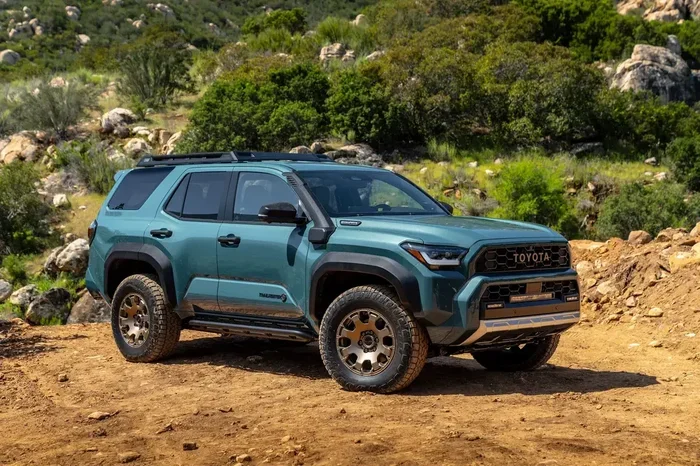
Toyota also offered several trim levels for the 2025 model. The base SR5 trim provides solid value, while the TRD Pro trim adds off-road capability and sporty styling. The TRD Pro package has been especially popular, which is adding to the demand problem. Many buyers specifically want the TRD Pro version, and that trim is in especially short supply.
What Caused the Delay
Several key factors are behind the 2025 Toyota 4Runner delay. Let us look at each one closely so you can understand the full picture.
Global Supply Chain Disruptions: The automotive industry has been dealing with supply chain problems for several years now. The COVID-19 pandemic disrupted manufacturing around the world. Even though things have improved, the ripple effects are still being felt. Parts that Toyota needs to build the 4Runner are sometimes delayed or unavailable.
Semiconductor Shortages: Modern vehicles depend heavily on computer chips. The shortage of semiconductors has slowed down production at many automakers, including Toyota. The 4Runner uses advanced electronics for its infotainment system, safety features, and engine management. Without enough chips, Toyota cannot build as many trucks as it would like.
Record-Breaking Demand: The 4Runner has always been popular, but demand for the 2025 model has exceeded Toyota’s projections. Many people who were interested in the previous generation are now waiting for the new one. The 2025 Toyota 4Runner is also competing with other popular SUVs like the Toyota Land Cruiser, which has its own strong demand.
Supply Chain Challenges Behind the Delay
Supply chain issues are one of the biggest reasons the 2025 Toyota 4Runner is delayed. Toyota sources parts from suppliers all over the world. When any part of that global network is disrupted, it affects the entire production process.
The automotive supply chain is incredibly complex. A single vehicle like the 4Runner contains thousands of individual parts from hundreds of different suppliers. If even one critical component is delayed, the entire assembly line can slow down. This is exactly what has been happening with the 2025 model.
Semiconductor and Chip Shortages
Semiconductor chips are the backbone of modern vehicle production. Every modern SUV needs chips for its engine control unit, transmission, safety systems, and entertainment features. The global chip shortage that began during the pandemic has not fully resolved yet.
Toyota is no stranger to managing chip shortages. The company has been praised for its ability to navigate supply disruptions better than some competitors. But even Toyota has felt the impact of the semiconductor crisis on the 2025 Toyota 4Runner production timeline.
Toyota has been working closely with chip manufacturers to secure the supply it needs. The company has also been exploring ways to reduce its chip requirements without sacrificing vehicle quality. These efforts are helping, but they have not completely solved the problem.
Raw Material Shortages
Beyond semiconductors, Toyota also faces shortages in other raw materials. Steel, aluminum, and various plastics are all in shorter supply than usual. These materials are essential for building the 4Runner’s body, frame, and interior components.
The cost of raw materials has also increased significantly. This has put pressure on Toyota to manage costs while still delivering a quality product. The company has had to make careful decisions about where to allocate its limited resources, which has contributed to the slower production pace.
High Demand Driving the Wait
One of the most surprising aspects of the 2025 Toyota 4Runner delay is how strong the demand has been. Many automakers hoped that supply chain issues would reduce consumer interest. But that has not been the case for the 4Runner.
The 4Runner has a loyal fan base that spans decades. Fans of the model appreciate its body-on-frame construction, off-road capability, and legendary reliability. When Toyota announced the 2025 model, those fans were ready to buy.
Why the 4Runner Is So Popular
The 4Runner stands out in the crowded SUV market for several reasons. First, it is one of the few remaining body-on-frame SUVs that can handle serious off-road terrain. Many competitors have moved to unibody construction, which is lighter but less rugged. The 4Runner has stayed true to its roots.
Second, the 4Runner holds its value incredibly well. Used 4Runners routinely sell for close to their original price. This resale value makes the new model even more attractive to buyers who see the 4Runner as a long-term investment.
Third, the 4Runner has a strong towing capacity and practical cargo space. It is a workhorse vehicle that can handle both daily driving and weekend adventures. This versatility appeals to a wide range of buyers, from families to outdoor enthusiasts.
Toyota also has other popular SUVs competing for attention. The Toyota Land Cruiser is a premium alternative that has been selling well. The Highlander offers a more comfortable on-road experience. But the 4Runner occupies a unique niche that few other vehicles can fill. That is why demand has been so high for the 2025 Toyota 4Runner.
The TRD Pro Factor
The TRD Pro trim deserves special attention when discussing 4Runner demand. TRD stands for Toyota Racing Development, and the Pro trim is the most performance-oriented version of the 4Runner. It comes with upgraded suspension, special wheels, skid plates, and unique styling.
Many buyers are specifically seeking the TRD Pro version. The popularity of this trim has created a bottleneck in the production process. Toyota has to allocate specific resources to build the TRD Pro, and those resources are stretched thin given the overall demand. If you are interested in the TRD Pro, you may want to check how much the TRD Pro package adds to the vehicle cost.
The high demand for the TRD Pro trim also affects the availability of other trims. Toyota has to balance production across the entire 4Runner lineup, and the TRD Pro’s popularity makes that balancing act more difficult.
Production and Manufacturing Timeline
Toyota’s production process for the 2025 4Runner involves multiple stages. Each stage has its own challenges that contribute to the overall delay. Understanding the manufacturing timeline helps explain why the 2025 Toyota 4Runner is taking so long to reach buyers.
Factory Constraints
Toyota builds the 4Runner at its plants in the United States. The company has invested heavily in these facilities, but they still have limited production capacity. When demand exceeds capacity, Toyota has to make tough decisions about how to allocate its factory resources.
The 4Runner shares some production lines with other Toyota vehicles. This means that changes to the 4Runner’s design or components can affect the production of other models as well. Toyota has to coordinate carefully across its entire manufacturing network to ensure everything runs smoothly.
Factory workers also play a role in the production timeline. Toyota has been dealing with labor negotiations and workforce challenges at some of its plants. While these issues have not caused major disruptions, they have added another layer of complexity to the production process.
Quality Control Priorities
Toyota is known for its commitment to quality. The company does not rush its vehicles to market without thorough testing and inspection. This philosophy is one of the reasons Toyota vehicles have such a strong reputation for reliability.
For the 2025 4Runner, Toyota has been especially focused on quality control. The new platform and updated components require extensive testing before they can go into full production. Toyota wants to make sure the 4Runner meets the high standards that fans have come to expect.
This commitment to quality has slowed down the production ramp-up. But in the long run, it should result in a better vehicle with fewer problems. Toyota has stated that it would rather take extra time now than deal with quality issues after the vehicle reaches customers.
How Long Will the Delay Last
One of the most common questions about the 2025 Toyota 4Runner delay is how long it will last. Unfortunately, there is no single answer. The timeline depends on several factors that are still evolving.
Industry analysts have different opinions about when the 4Runner will become widely available. Some believe the delay will last another few months, while others think it could stretch into the next year. The exact timeline will depend on how quickly Toyota can resolve its supply chain and production challenges.
Toyota has not provided a firm delivery date for the 2025 4Runner. The company has said that it is working as quickly as possible but wants to ensure the vehicle meets its standards. This approach is frustrating for eager buyers, but it reflects Toyota’s commitment to quality.
Expected Launch Windows
Based on current information, the 2025 Toyota 4Runner is expected to start reaching dealerships in late 2025 or early 2026. However, these dates are estimates and could change. The actual timeline will depend on how production ramps up and how quickly Toyota can secure the parts it needs.
Buyers who place orders now may face a wait of several months. The exact wait time will depend on the trim level, options, and dealership location. Some dealers may have vehicles arriving sooner than others, so it is worth checking with multiple dealerships in your area.
If you are wondering how long it typically takes to order a vehicle from a manufacturer, the answer varies widely. For the 4Runner, the wait could be longer than usual due to the current delays. You might want to look at how long it takes to order a car from the manufacturer to understand the process better.
What Buyers Can Do Now
While waiting for the 2025 Toyota 4Runner, there are several things you can do to prepare. First, research the model thoroughly. Understand the trim levels, features, and pricing so you are ready when vehicles become available.
Second, contact your local Toyota dealership. Ask about the waitlist and when they expect their first 2025 4Runners to arrive. Some dealers may have more accurate information about local delivery timelines.
Third, consider your financing options. Get pre-approved for a loan so you are ready to finalize the purchase quickly when a vehicle becomes available. This can help you secure a 4Runner faster when inventory starts arriving.
Fourth, stay flexible on options and trim levels. If you are willing to consider the base SR5 trim instead of the TRD Pro, you may be able to get a vehicle sooner. Availability can vary significantly between trim levels.
What This Means for Potential Buyers
The 2025 Toyota 4Runner delay creates both challenges and opportunities for potential buyers. Understanding these can help you make the best decision for your situation.
Waiting vs. Buying Used
One option for buyers who need a vehicle now is to consider a used 4Runner. The previous generation of the 4Runner is still available on the used market and offers many of the same capabilities. While it may not have all the new features of the 2025 model, it is still an excellent SUV.
Buying a used 4Runner also has the advantage of immediate availability. You do not have to wait months for a new vehicle to arrive. However, you should be prepared for the fact that used 4Runners hold their value well, which means the purchase price may be higher than expected.
On the other hand, waiting for the new model means you get the latest technology, improved fuel economy, and the peace of mind that comes with a brand-new vehicle. The 2025 Toyota 4Runner also comes with updated safety features and a warranty that covers you for years to come.
Getting on the Waitlist
If you decide to wait for the new 4Runner, the best thing you can do is get on the waitlist at your local dealership. Many Toyota dealers are accepting orders for the 2025 model, even though delivery dates are uncertain.
Being on the waitlist gives you priority when vehicles start arriving. It also shows Toyota and your dealer that there is strong demand for the model, which may influence production allocation decisions.
When placing your order, be clear about your preferences. Specify the trim level, color, and options you want. The more specific you are, the less likely you are to receive a vehicle that does not meet your expectations.
Alternative Toyota SUVs to Consider
If the 4Runner delay is causing you to reconsider, Toyota has other SUVs worth looking at. The Toyota Highlander is a popular three-row SUV that offers comfort and space. The Toyota Grand Highlander is an even larger option for families who need extra seating.
For those who want off-road capability, the Toyota Tacoma pickup truck shares the same rugged DNA as the 4Runner. And if you are interested in hybrid technology, Toyota offers several hybrid SUV options as well. You might also explore whether AWD or 4WD is better in snow if you live in a cold climate and need all-weather capability.
Each of these alternatives has its own strengths. But for many buyers, nothing quite matches the 4Runner’s combination of off-road prowess, reliability, and resale value. That is why the wait is worth it for so many people.
Key Takeaways for the 2025 Toyota 4Runner Delay
The 2025 Toyota 4Runner delay is the result of multiple factors working together. Supply chain disruptions, semiconductor shortages, and record demand are all contributing to the extended wait time. Toyota is committed to delivering a quality vehicle, and that commitment is worth the patience required.
If you are planning to buy a 2025 4Runner, the best approach is to stay informed and stay patient. Keep in touch with your local dealership, explore your financing options, and consider all the available trim levels. The wait may be long, but the 4Runner has always been worth it for its loyal fan base.
Toyota understands the frustration that the delay has caused. The company is working hard to resolve its production challenges and get the 2025 4Runner into the hands of customers as quickly as possible. When the vehicle finally arrives, it will be worth the wait.
The 4Runner is more than just a vehicle. It is a lifestyle choice for people who value adventure, reliability, and capability. The 2025 Toyota 4Runner continues that legacy with a new generation of improvements and innovations. Hold tight, and your new 4Runner will be worth the wait.
Frequently Asked Questions
Why Is the 2025 Toyota 4Runner Taking So Long to Release?
The delay is caused by a combination of supply chain disruptions, semiconductor shortages, and record-breaking demand. Toyota is also prioritizing quality control and production efficiency to ensure the new 4Runner meets its high standards before reaching customers.
When Will the 2025 Toyota 4Runner Be Available for Delivery?
Based on current estimates, the 2025 4Runner is expected to start arriving at dealerships in late 2025 or early 2026. However, delivery timelines may vary depending on your location, trim level, and local inventory availability.
Should I Buy a Used 4Runner Instead of Waiting for the 2025 Model?
That depends on your needs and timeline. A used 4Runner is available now and offers proven reliability. But the 2025 model comes with updated technology, improved fuel economy, and a full warranty. If you can wait, the new model offers significant advantages.
How Can I Secure My Spot for a 2025 Toyota 4Runner?
Contact your local Toyota dealership and ask to be placed on the waitlist. Be specific about your preferred trim level, options, and color. Getting pre-approved for financing can also help you move quickly when a vehicle becomes available.
Is the TRD Pro Trim More Difficult to Get Due to the Delay?
Yes, the TRD Pro trim is in especially high demand and may have a longer wait time than other trim levels. Toyota is allocating production resources across the entire 4Runner lineup, but the TRD Pro’s popularity means it may take longer to secure one.
Will the 2025 Toyota 4Runner Delay Affect the Vehicle’s Pricing?
Toyota has not announced any price increases specifically due to the delay. However, high demand and limited supply could put upward pressure on pricing, especially for popular trim levels like the TRD Pro. Acting quickly when inventory becomes available is advisable.