Why Is My Toyota Tacoma Not Starting Here Are The Answers
A Toyota Tacoma that won’t start can stem from several culprits, including a dead battery, faulty starter motor, bad ignition switch, or a clogged fuel pump. Understanding the root cause saves you time, money, and frustration. This guide walks you through every common reason your Toyota Tacoma might refuse to turn over, with practical fixes you can try at home.
Key Takeaways
- Dead or weak battery is the number one reason a Toyota Tacoma won’t start.
- Corroded battery terminals can block the electrical connection needed to crank the engine.
- A faulty starter motor causes a clicking sound but no engine turnover.
- Fuel pump failure means gas never reaches the engine, even with a full tank.
- Immobilizer or key fob issues can silently prevent your Tacoma from recognizing the key.
- Cold weather amplifies weak battery and fluid problems in older Tacomas.
- Knowing the symptoms helps you diagnose the problem faster and avoid costly repairs.
📑 Table of Contents
- Why Is My Toyota Tacoma Not Starting? Here Are The Answers
- 1. Dead or Weak Battery
- 2. Corroded or Loose Battery Terminals
- 3. Faulty Starter Motor
- 4. Fuel Pump Failure
- 5. Ignition Switch Problems
- 6. Immobilizer and Key Fob Issues
- 7. Other Common Causes
- Quick Diagnostic Checklist
- Prevention Tips to Avoid Future No-Start Situations
- When to Call a Professional
- Final Thoughts
Why Is My Toyota Tacoma Not Starting? Here Are The Answers
You turn the key or press the button. Nothing happens. Or maybe you hear a faint click but the engine stays dead. Either way, a Toyota Tacoma that won’t start can ruin your morning fast.
The good news is that most starting problems come down to a handful of common causes. Once you know what to look for, you can often fix the issue yourself or at least describe it clearly to your mechanic. This guide breaks down every major reason your Toyota Tacoma not starting problem happens, and gives you real steps to solve it.
We will cover batteries, starters, fuel systems, and even the security features that can quietly block your engine. By the end, you will know exactly what to check and what to fix.
1. Dead or Weak Battery
The battery tops almost every list of reasons a truck won’t start. And for good reason. Your Tacoma needs electrical power to crank the engine, run the fuel pump, and fire the spark plugs. When the battery fades, none of that happens.
Signs Your Battery Is the Problem
- No sound at all when you turn the key or press the start button.
- Slow cranking that sounds labored and weak.
- Dim dashboard lights that barely glow.
- Electrical accessories stop working like the radio or power windows.
Batteries die for many reasons. Age is the biggest one. Most car batteries last three to five years. If your Tacoma is older, the battery may simply be at the end of its life. Cold weather also drains battery power fast. If you live in a northern climate, winter mornings are the worst time for a weak battery to give out.
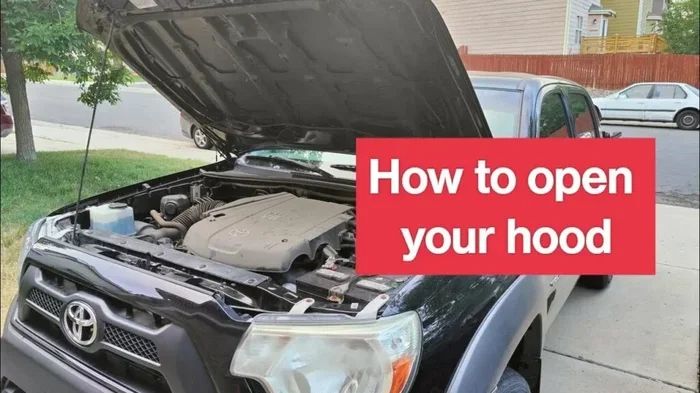
To check your battery, pop the hood and look at the terminals. Do you see a white or greenish crust? That is corrosion, and it blocks the electrical current. You can clean it with a wire brush and a baking soda solution. But if the battery is more than four years old, a load test at an auto parts store is your best bet. Many stores offer this for free.
If the battery is dead, a jump start should get your Tacoma running again. Just remember that a jump start is a temporary fix. You should drive the truck long enough to recharge the battery, or replace it if it keeps dying. Also check your how to check your car battery for more detailed steps.
2. Corroded or Loose Battery Terminals
Sometimes the battery itself is fine. But the connection between the battery and the truck is bad. Corroded or loose terminals break the electrical circuit, and your engine simply will not crank.
What to Look For
- White or blue powdery buildup on the battery posts.
- Wiggly or loose cable clamps that do not sit tight.
- Burned or melted terminal ends from heat buildup over time.
Fixing this is simple. Disconnect the negative cable first, then the positive. Use a wire brush or a battery terminal cleaner to scrub away the corrosion. Reconnect the positive cable first, then the negative. Tighten the clamps until they feel snug.
After cleaning, try starting your Tacoma again. In many cases, this alone solves the problem. Prevention is easy too. Apply a thin layer of dielectric grease or petroleum jelly to the terminals after cleaning. This slows down future corrosion and keeps the connection strong.
3. Faulty Starter Motor
The starter motor is the electric motor that actually turns the engine over. When it goes bad, you might hear a single loud click or a rapid clicking sound, but the engine never catches.
How to Tell if the Starter Is Failing
- Clicking sound when you turn the key, but no crank.
- Grinding noise that sounds like metal-on-metal.
- Intermittent starting that works sometimes but not always.
- Starter stays engaged after the engine starts, creating a whining sound.
Starter motors wear out over time, especially in trucks that have high mileage. The Tacoma is a tough truck, but the starter is a wear item. Heat from the engine bay, moisture, and age all take a toll.
Replacing a starter motor is a job most mechanics can do in one to two hours. The cost varies depending on the model year, but you can expect to pay between $200 and $450 for parts and labor. If you are handy, you can save money by doing it yourself. Just make sure you disconnect the battery before starting any electrical work.
4. Fuel Pump Failure
Your Tacoma needs fuel to run. The fuel pump pushes gas from the tank to the engine. When the pump fails, gas never arrives, and the engine will not start even though it cranks normally.
Signs of a Bad Fuel Pump
- Engine cranks but will not fire.
- Sputtering or stalling at highway speeds before the pump fully dies.
- Loss of power when hauling a load or climbing hills.
- Whining noise from the rear of the truck near the fuel tank.
Fuel pumps can fail suddenly or slowly over time. A full tank of gas helps keep the pump cool. Running your Tacoma on low fuel too often can shorten the pump’s life. Dirt and debris from the tank can also clog the pump filter and cause premature failure.
Replacing a fuel pump is more involved than a battery swap. The pump sits inside the gas tank, so you need to drop the tank or access it through an access panel under the rear seat. Most owners will want a professional to handle this one. But knowing the symptoms early can prevent you from being stranded.
5. Ignition Switch Problems
The ignition switch is the part you turn when you insert your key. It sends power to the truck’s electrical systems and tells the engine control module it is time to start. When this switch wears out, your Tacoma may not respond at all.
Common Ignition Switch Symptoms
- Key will not turn in the ignition cylinder.
- Dashboard lights do not come on when the key is in the on position.
- Truck starts and then dies immediately because the switch cannot maintain the circuit.
- Accessories work but the engine will not crank.
Ignition switches last a long time, but they are not indestructible. Heavy keychains, wear from daily use, and electrical overloads can all cause failure. If you suspect the ignition switch, a mechanic can test it with a multimeter to confirm the diagnosis.
Replacement is straightforward and usually costs between $100 and $250 for parts and labor. On newer Tacomas with push button start systems, the problem might involve the ignition sensor rather than a traditional switch. Either way, the fix is similar in cost and effort.
6. Immobilizer and Key Fob Issues
Modern Tacomas come with immobilizer systems that prevent the engine from starting unless the correct key or key fob is recognized. This is a great security feature, but it can also cause confusing no-start situations.
When the Immobilizer Blocks Your Start
- Security light flashes on the dashboard after you turn the key or press start.
- Engine cranks but will not fire because the immobilizer is active.
- Key fob battery is dead and the truck cannot detect the key.
A dead key fob battery is one of the most common reasons for this issue. If your Tacoma has push-button start and the fob battery dies, the truck may not recognize it at all. You can usually still start the truck by placing the fob directly against the start button or a designated spot on the steering column. Check the owner’s manual for your specific model year’s backup start procedure.
For more information on recognizing when your key fob battery is low, read our guide on how to know if your key fob needs a new battery. Replacing the fob battery is quick and inexpensive. Most Toyota key fobs use a CR2032 coin battery that you can swap in minutes.
Sometimes the immobilizer system itself malfunctions. This can happen after a battery disconnect, a recent key replacement, or an electrical glitch. If the security light stays on and the truck refuses to start even with a good key, you may need a dealership or qualified mechanic to reprogram the system. In some cases, fixing an immobilizer problem requires specialized diagnostic tools that only a professional will have.
7. Other Common Causes
The causes listed above cover the majority of Toyota Tacoma no-start situations. But a few less common issues are worth knowing about too.
Clogged Fuel Filter
The fuel filter removes debris from the gas before it reaches the engine. Over time, it can become clogged and restrict fuel flow. A severely clogged filter will prevent the engine from starting. Replacing the fuel filter is a cheap and easy fix that should be part of regular maintenance.
Spark Plug Problems
Worn or fouled spark plugs can cause a no-start condition, especially in cold weather. The plugs deliver the electrical spark that ignites the fuel-air mixture. When they are damaged, the engine may crank but never fire. Inspecting and replacing spark plugs at the recommended interval keeps your Tacoma running strong.
Security System Lockout
Some Tacomas have a security lockout that activates after a certain number of failed start attempts. This is designed to deter theft. If you accidentally trigger it, the truck will not start even with a good battery and working fuel system. Waiting 10 to 15 minutes and trying again usually resets the system.
Bad Alternator
The alternator charges the battery while the engine runs. A failing alternator can cause a battery to drain, which leads to starting problems. If your Tacoma started fine yesterday but will not start today, a bad alternator might be the hidden cause. You can learn more about alternator health in our article on how to know if your alternator is still good.
Quick Diagnostic Checklist
When your Toyota Tacoma will not start, work through this checklist in order. It helps you narrow down the cause quickly.
- Check the dashboard lights. Do they turn on when you turn the key to the on position? If not, the battery or terminals are likely the issue.
- Listen for the fuel pump. Turn the key to the on position without starting. You should hear a brief hum from the rear of the truck. No sound could mean a dead fuel pump or a blown fuse.
- Look at the security light. A flashing security light means the immobilizer is active. Check the key fob battery first.
- Try a jump start. If the dashboard lights are dim or absent, a jump start can confirm a dead battery.
- Check for spark. Remove a spark plug, ground it against the engine block, and have someone turn the key. You should see a blue spark. No spark points to ignition coil or crankshaft position sensor issues.
- Verify fuel delivery. The fuel pump should pressurize the system when you turn the key on. A fuel pressure gauge can confirm this.
Following this checklist saves time and money. Many Tacoma owners solve their no-start problem in under 30 minutes just by working through these steps methodically.
Prevention Tips to Avoid Future No-Start Situations
The best way to deal with a Toyota Tacoma that won’t start is to prevent it from happening in the first place. Here are simple steps that keep your truck reliable.
- Replace your battery every three to four years before it fails unexpectedly.
- Clean battery terminals once or twice a year to prevent corrosion buildup.
- Keep your fuel tank above a quarter full to protect the fuel pump from overheating.
- Replace the key fob battery at the first sign of weak signal or difficulty starting.
- Follow the maintenance schedule for spark plugs, fuel filter, and ignition components.
- Avoid frequent short trips that do not give the battery enough time to fully recharge.
- Park in a garage or covered area during cold months to protect the battery and engine fluids.
These habits add up over time. A well-maintained Tacoma starts every time, no matter the temperature or the age of the truck.
When to Call a Professional
Not every starting problem is a DIY fix. If you have checked the battery, terminals, and fuel pump, and the truck still will not start, it is time to call in the experts. Here are the situations where professional help is the smart choice.
- Repeated jump starts are needed. This signals a deeper electrical problem like a bad alternator or a parasitic drain.
- The engine cranks but never fires. This points to fuel delivery, spark, or compression issues that require diagnostic tools.
- The security system is locked out. Dealerships and qualified shops have the software to reset the immobilizer.
- You smell fuel or exhaust inside the cabin. This could indicate a fuel leak or exhaust system problem that is dangerous to drive.
Trusting a professional for complex issues saves you from making the problem worse. A qualified mechanic can run diagnostic scans, check compression, and test the entire starting system in a fraction of the time it would take a beginner.
Final Thoughts
A Toyota Tacoma that will not start is stressful, but it is almost always fixable. The most common causes are dead batteries, corroded terminals, bad starter motors, fuel pump failures, and immobilizer issues. By working through the checklist in this guide, you can often identify and solve the problem yourself.
Remember that prevention is your best tool. Regular maintenance, timely battery replacement, and attention to early warning signs keep your Tacoma running strong. When the problem is beyond a simple fix, a qualified mechanic can diagnose the issue quickly and get you back on the road.
Next time your Toyota Tacoma not starting problem strikes, stay calm and work through the list above. You will be surprised how often the fix is simpler than you expected.
Frequently Asked Questions
What should I do first when my Toyota Tacoma won’t start?
Turn the key to the on position and check if the dashboard lights come on. If they are dim or do not appear at all, the battery is likely the culprit. Try a jump start before moving on to more complex diagnostics. This simple step solves the majority of no-start issues.
Can a bad key fob battery prevent my Tacoma from starting?
Yes, absolutely. Modern Tacomas with push button start rely on the key fob to authenticate the start command. A dead fob battery means the truck cannot detect the key. Place the fob directly against the start button or check the owner’s manual for the backup start procedure. Replacing the battery is quick and inexpensive.
How much does it cost to replace a starter motor on a Toyota Tacoma?
Starter motor replacement typically costs between $200 and $450 for parts and labor. The exact price depends on your model year and whether you use OEM or aftermarket parts. If you are mechanically inclined, you can save on labor by doing the job yourself.
Why does my Tacoma crank but not start in cold weather?
Cold weather thickens engine oil and reduces battery capacity. A weak battery that works fine in summer may fail in winter. The fuel can also have trouble vaporizing in cold temperatures. Keeping your battery fresh and using a block heater in extreme cold helps prevent this issue.
Is it safe to keep jump-starting my Tacoma if the battery keeps dying?
No. Repeated jump starts mask a deeper problem. The battery may be failing, the alternator might not be charging properly, or there could be a parasitic electrical drain. Have the charging system tested as soon as possible to avoid being stranded again.
How can I tell if my fuel pump is bad?
Turn the key to the on position without starting the engine. You should hear a brief humming sound from the back of the truck. This is the fuel pump pressurizing the system. No sound could mean a dead fuel pump or a blown fuse. Other symptoms include engine cranking without firing and loss of power under load.