What Mileage Is Too High For A Used Car Purchase Guide
What mileage is too high depends on several factors like car age, maintenance history, and driving conditions. Most experts agree that 12,000 to 15,000 miles per year is a standard mileage benchmark. Understanding used car mileage helps you make a smarter purchase and avoid costly repairs down the road.
Buying a used car is one of the smartest financial moves you can make. It saves you thousands compared to buying new. But it also comes with risks. One of the biggest questions buyers face is what mileage is too high. You want a car that will last. You do not want to inherit someone else’s mechanical headaches. This guide breaks down everything you need to know about used car mileage so you can buy with confidence.
The truth is, there is no single number that makes a car too old or too worn. A lot depends on the vehicle type, how it was driven, and how well it was maintained. Some cars cruise past 200,000 miles with ease. Others start having issues at 80,000 miles. The key is knowing what to look for. What mileage is too high for your situation? Let us find out together.
Key Takeaways
- 100,000 miles is not a dealbreaker: Modern cars are built to last well beyond this mark with proper care.
- Mileage per year matters more than total miles: A car with 150,000 miles but low annual usage may be in better shape than one with 80,000 miles driven hard.
- Maintenance records are your best friend: A well-documented service history can make a high mileage car a great buy.
- Driving conditions affect wear and tear: Highway miles are gentler on a car than stop-and-go city driving.
- Always get a pre-purchase inspection: A professional car inspection can reveal hidden problems before you commit.
- High mileage does not mean bad value: Many high mileage car models offer excellent reliability and lower prices.
- Check the odometer reading against the car age: Mismatches can signal tampering or unusual usage.
📑 Table of Contents
Understanding Mileage and Car Age
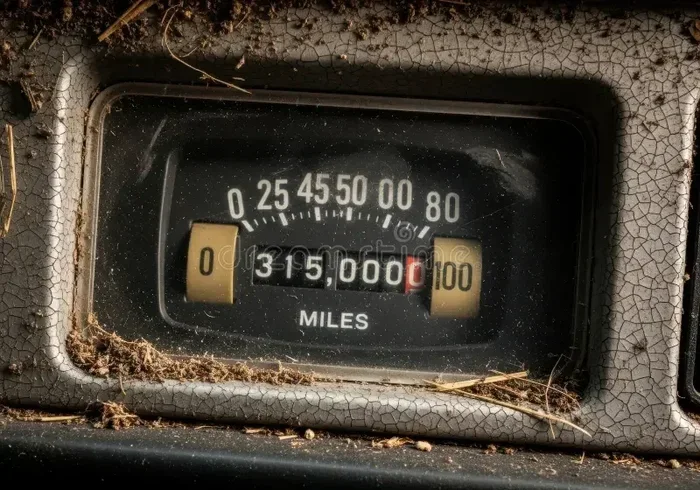
When you look at a used car, two numbers matter most. The first is the odometer reading. The second is the car age. These two numbers tell a story together. A five-year-old car with 50,000 miles looks great on paper. But a five-year-old car with 120,000 miles tells a different story. Understanding this relationship is the first step in smart car buying.
What Is a Good Mileage Per Year?
The average driver covers about 12,000 to 15,000 miles each year. This is the standard mileage benchmark used by car experts and dealers. If a car has driven more than that each year, it may have extra wear. If it has driven less, it likely has lighter use. Here is a simple way to think about it:
- Under 10,000 miles per year: Light use. The car likely spent a lot of time parked.
- 10,000 to 15,000 miles per year: Average use. This is the sweet spot for most vehicles.
- Over 15,000 miles per year: Heavy use. The car has been worked harder and may need more attention.
Use this benchmark when you evaluate any used car mileage. Divide the total miles by the car age. The result gives you a yearly average that tells you a lot about how the car was treated.
Car Age vs Mileage: The Big Picture
Car age and mileage do not always match up. Some older cars have surprisingly low miles because their owners drove rarely. Some newer cars have sky-high miles because they were used as daily workhorses. This is why car age vs mileage analysis is so important. A 10-year-old car with 60,000 miles might seem ideal. But it could also mean the car sat unused for long periods, which brings its own set of problems like dried-out seals and brittle rubber parts.
On the other hand, a 10-year-old car with 150,000 miles that was driven regularly and maintained well can be a fantastic find. The vehicle condition matters far more than the raw number on the clock. Always dig deeper than just the odometer reading.
What Mileage Is Too High?
Now let us get to the heart of the question. What mileage is too high for a used car? The answer depends on the car itself. Different vehicles handle high mileage differently. Some are built like tanks. Others are more delicate. Here is a closer look at how mileage impacts different types of cars.
The 100,000-Mile Myth
For decades, 100,000 miles was considered the magic threshold. Many buyers avoided anything above that number. But modern cars are far more durable than older models. Advances in engineering, better materials, and improved vehicle maintenance have changed the game. Today, a well-cared-for car can easily reach 200,000 miles or more.
The 100,000-mile mark is no longer a hard cutoff. It is more of a general guideline. Cars that hit 100,000 miles often have their major service intervals completed. This means big jobs like timing belt replacements and transmission services are already done. In many cases, a car with 120,000 miles that was properly maintained is a better buy than a car with 60,000 miles that was neglected.
Mileage Benchmarks by Car Type
Different vehicles have different lifespans. Here are some general mileage expectations based on car type:
| Car Type | Expected Lifespan (Miles) | High Mileage Threshold |
|---|---|---|
| Economy Sedan | 200,000+ | 150,000+ |
| SUV | 200,000+ | 150,000+ |
| Luxury Vehicle | 150,000-200,000 | 100,000+ |
| Truck (Light Duty) | 250,000+ | 175,000+ |
| Sports Car | 150,000-200,000 | 100,000+ |
| Hybrid | 200,000+ | 150,000+ |
These numbers are general guidelines. Individual results vary based on the factors we will discuss next. The point is that a high mileage car is not automatically a bad choice. It all depends on the specific vehicle and its history.
Factors That Affect High Mileage Impact
Not all miles are created equal. A car driven 100,000 miles on highways is very different from one driven 100,000 miles in city traffic. Several factors determine how much wear high mileage actually causes.
Maintenance Records Matter
This is the single most important factor. A car with 180,000 miles and full service records is often in better shape than a car with 90,000 miles and no records at all. Maintenance records tell you whether the previous owner followed the recommended service schedule. They show you if oil changes were done on time, if fluids were flushed, and if major components were replaced before they failed.
When shopping for a used car, always ask for the service history. If the seller cannot provide it, that is a red flag. You can also use the car’s odometer reading and mileage pattern to estimate whether regular maintenance likely occurred. A car with consistent annual mileage probably had regular oil changes and inspections.
Driving Conditions and Wear and Tear
The type of driving a car did matters enormously. Here is how different conditions affect a vehicle:
- Highway driving: This is the gentlest type of driving. Steady speeds and fewer stops mean less stress on the engine, brakes, and transmission.
- City driving: Stop-and-go traffic puts more strain on brakes, clutches, and the engine. City miles add wear faster than highway miles.
- Short trips: Frequent short drives prevent the engine from reaching full operating temperature. This can cause moisture buildup and accelerated wear.
- Towing or heavy loads: Cars used for towing or hauling experience significantly more stress on the drivetrain and engine.
- Extreme climates: Hot, cold, or humid environments can accelerate wear and tear on various components.
A car with 150,000 highway miles may be in excellent condition. A car with 80,000 city miles might already need major repairs. Always ask about the driving conditions the car was subjected to.
Manufacturer Reputation and Reliability
Some car brands are known for exceptional longevity. Toyota, Honda, and Lexus consistently rank at the top for car reliability. These brands engineer their vehicles to go the distance. Other brands may start showing issues at much lower mileage numbers. When researching what mileage is too high, factor in the specific brand and model reputation.
Look up reliability ratings from sources like Consumer Reports or J.D. Power. Check owner forums for common problems at specific mileage thresholds. This research gives you a realistic picture of what to expect from a particular vehicle.
Warning Signs of a High Mileage Car
Even if a car has high mileage, it might still be a good buy. But you need to know what warning signs to watch for. These red flags can tell you whether a high mileage car is worth your money or a money pit.
Common Mechanical Red Flags
During your evaluation, watch for these common issues that tend to appear at higher mileage levels:
- Oil leaks: Older engines may start seeping oil as seals dry out. Small drips are common. Large puddles are a problem.
- Excessive exhaust smoke: Blue smoke means oil burning. White smoke could indicate a head gasket issue. Black smoke suggests fuel system problems.
- Unusual noises: Knocking, ticking, or grinding sounds from the engine or transmission are never good signs.
- Vibrations or pulling: These can indicate suspension, steering, or alignment problems that come with age and use.
- Fluid conditions: Check the oil, coolant, and transmission fluid. Dark, gritty, or burnt-smelling fluids suggest neglect.
- Check engine light: A constantly illuminated check engine light on a high mileage car needs investigation before purchase.
What to Look for During a Car Inspection
A professional car inspection is one of the best investments you can make. A qualified mechanic can spot problems that are invisible to the untrained eye. They will check the engine, transmission, suspension, brakes, and electrical systems. Here is what a thorough inspection should cover:
- Engine compression test
- Transmission shift quality check
- Brake pad and rotor thickness measurement
- Suspension component inspection for wear
- Cooling system pressure test
- Electrical system and battery health check
- Undercarriage inspection for rust or damage
Spend the money on an inspection before you buy. It can save you thousands in unexpected repairs later. This is especially critical when considering a high mileage car where hidden issues are more likely.
Benefits of Buying a High Mileage Car
Before you dismiss every car above 100,000 miles, consider the advantages. High mileage cars offer real benefits that make them attractive to savvy buyers.
Lower purchase price: This is the most obvious benefit. High mileage cars depreciate faster, which means you can buy more car for less money. The car depreciation curve is steepest in the first few years. By buying used with higher mileage, you let the original owner absorb the biggest drop in value.
Proven reliability: A car that has already hit 150,000 miles without major issues has demonstrated its durability. You know the big-ticket items like the engine and transmission have held up. This is valuable information that a newer car with low miles cannot provide yet.
Lower insurance and registration costs: In many areas, older cars with higher mileage cost less to insure. Registration fees may also be lower. These savings add up over time.
Better value retention: Since the car has already lost most of its value, the rate of further depreciation slows down. You are less likely to take a big financial hit if you need to sell it later.
Tips for Buying a Used Car with High Mileage
If you decide to buy a high mileage car, follow these practical tips to protect your investment:
- Get a vehicle history report: Services like Carfax or AutoCheck can reveal accident history, title issues, and odometer inconsistencies. Always run one before you commit.
- Request maintenance records: As mentioned earlier, documentation is gold. Ask the seller for every service record they have.
- Set a realistic budget for repairs: Even well-maintained high mileage cars will need repairs sooner or later. Factor in a contingency fund of 10-15% of the purchase price.
- Check for a mileage warranty: Some dealers offer limited mileage warranties on used cars. These can provide peace of mind and cover unexpected repairs.
- Test drive thoroughly: Drive the car on both highways and city roads. Listen for unusual sounds. Feel for vibrations. Test the brakes, steering, and acceleration carefully.
- Compare the mileage band with similar listings: Look at what similar cars with similar mileage are selling for in your area. This helps you spot overpriced vehicles.
- Consider certified pre-owned programs: These programs often include extended warranties and thorough reconditioning. They add cost but reduce risk.
Quick Tips for Evaluating Used Car Mileage
- Divide total miles by the car age to get annual mileage.
- Compare the annual mileage to the 12,000-15,000 standard benchmark.
- Look for consistent yearly mileage patterns in the history report.
- Check if the odometer reading matches the expected wear on interior components like the steering wheel and pedals.
- Verify the car has not been rolled back on the odometer.
Common Mistakes Buyers Make
Avoid these common pitfalls when shopping for a used car:
- Focusing only on the mileage number: A low-mileage car that was neglected is worse than a high-mileage car that was loved.
- Ignoring the car age: An older car with low miles may have aging components that need replacement regardless of usage.
- Skipping the pre-purchase inspection: This is the single biggest mistake buyers make. Do not skip it.
- Buying without a test drive: Always test drive. You need to feel how the car performs and identify any issues firsthand.
- Overlooking the used car market conditions: Prices fluctuate based on season, demand, and availability. Do not overpay because you are in a hurry.
- Neglecting insurance cost research: Some high mileage older cars have surprisingly high insurance premiums due to lack of safety features.
Expert Insights on High Mileage Vehicles
Industry experts consistently emphasize that maintenance trumps mileage. According to automotive analysts, the biggest predictor of a used car’s longevity is not the odometer reading. It is the quality and consistency of the vehicle maintenance it received over its lifetime. A car that was serviced on schedule at a reputable shop can easily outlast a low-mileage car that sat in a driveway.
Mechanics also point out that certain components wear based on time, not just miles. Rubber bushings, hoses, and gaskets deteriorate with age regardless of how much the car was driven. This is why a 15-year-old car with 80,000 miles might need more repairs than a 10-year-old car with 120,000 miles. Time and mileage both matter.
When asked about what mileage is too high, most seasoned mechanics give the same answer. It is not about the number. It is about the story the car tells. A complete maintenance history, a clean title, and a thorough inspection are far more important than any mileage threshold.
Key Takeaways
- There is no universal mileage cutoff: Modern vehicles can reliably last 200,000 miles or more with proper care.
- Focus on miles per year: The 12,000 to 15,000 annual benchmark helps you evaluate if a car was driven normally or excessively.
- Maintenance history outweighs raw mileage: A well-documented service record is the strongest indicator of a car’s true condition.
- Get a professional inspection: Always invest in a pre-purchase inspection, especially for high mileage vehicles.
- High mileage can mean great value: Lower purchase prices and proven reliability make high mileage cars attractive options.
- Know the warning signs: Oil leaks, exhaust smoke, unusual noises, and fluid conditions reveal a lot about a car’s health.
- Research the specific model: Some brands and models are known for exceptional longevity. Use this knowledge to your advantage.
Conclusion
The question of what mileage is too high does not have a one-size-fits-all answer. It depends on the car type, its maintenance history, the driving conditions it endured, and the specific vehicle’s build quality. Rather than fixating on a single number, focus on the full picture. Look at the annual mileage, the service records, the results of a professional inspection, and the overall vehicle condition.
A high mileage car can be an excellent purchase if it has been well cared for. A low-mileage car can be a headache if it was neglected or stored improperly. The key is to look beyond the odometer and evaluate each vehicle on its own merits. Do your homework. Get the inspection. Trust the data over assumptions.
When you approach a used car purchase with knowledge and patience, you set yourself up for success. You avoid costly mistakes. You find a reliable vehicle that fits your budget. And you gain the confidence that comes from making an informed decision. What mileage is too high becomes less intimidating when you know exactly what to look for. Use this guide as your roadmap, and you will walk into any used car lot prepared to make the best choice for your needs and your wallet.
Frequently Asked Questions
Is 100,000 miles too much for a used car?
Not necessarily. Modern cars are engineered to last well beyond 100,000 miles. A vehicle with 100,000 miles that has been properly maintained can easily last another 100,000 miles. Focus on the maintenance history and overall condition rather than just the number on the odometer.
What is considered high mileage for a used car?
Any car that has driven more than 12,000 to 15,000 miles per year is considered above average. A car with over 150,000 total miles is often classified as high mileage. However, high mileage does not automatically mean bad condition. Many high mileage vehicles are in excellent shape.
Should I buy a car with 150,000 miles?
It depends on the car. A 150,000-mile vehicle from a reliable brand like Toyota or Honda with full maintenance records can be a smart buy. Always get a pre-purchase inspection and review the service history before committing to any high mileage vehicle.
How many miles is too much for a used car engine?
There is no universal number. A well-maintained engine can last 250,000 miles or more. The real question is whether the engine was cared for properly. Regular oil changes, timely fluid replacements, and prompt repairs all contribute to engine longevity regardless of the mileage.
Is it better to buy a low mileage or high mileage used car?
Neither is automatically better. A low-mileage car that was rarely driven may have issues from sitting unused. A high-mileage car that was driven regularly and maintained well is often in better mechanical condition. Always evaluate each car individually based on its history and current condition.
How can I verify the odometer reading is accurate?
Run a vehicle history report to check for odometer inconsistencies. Look at the wear on the steering wheel, brake pedal, and accelerator pedal. These should match the reported mileage. Have a mechanic inspect the car for signs of tampering. Also check the car’s maintenance records, which often note the odometer reading at each service visit.
=== CONCLUSION ===
What mileage is too high for a used car purchase does not have a single answer. The right choice depends on the vehicle, its history, and how well it was cared for. By understanding mileage benchmarks, recognizing warning signs, and following the tips in this guide, you can buy with confidence. Remember that a well-maintained car with high mileage often outperforms a neglected car with low mileage. Do your research, get an inspection, and trust the process. Happy car shopping.