What Is the Gas Tank Opening Called and Why It Matters
The gas tank opening is commonly called the fuel filler or fuel filler door. This small but important part of your car’s fuel system connects to the fuel tank and allows you to safely add gasoline or diesel. Understanding its name, function, and proper care can save you time, money, and headaches at the pump.
You’ve probably stood at the side of your car a hundred times, flipping through the owner’s manual or squinting at the dashboard symbols, trying to figure out where exactly the gas goes. And you may have wondered — what is the gas tank opening called? It sounds like a simple question, but the answer opens up a whole world of car knowledge that every driver should have.
The gas tank opening goes by a few different names depending on who you ask. Some people call it the fuel filler, others say fuel filler door, and mechanics might refer to it as the fuel inlet or refueling port. Whatever you call it, this part plays a huge role in how your vehicle runs. It connects directly to your fuel tank and serves as the gateway for all the gasoline or diesel that powers your engine.
In this article, we’ll break down everything you need to know about the gas tank opening. We’ll cover its proper name, how it works, why it matters, common problems, and simple maintenance tips. By the end, you’ll be the person at the gas station who actually knows what they’re talking about.
Key Takeaways
- The gas tank opening is called the fuel filler or fuel filler door — it’s the entry point for all fuel going into your vehicle.
- The fuel cap seals the opening and prevents fuel vapors from escaping, which protects both your engine and the environment.
- Knowing the correct name helps with car maintenance and makes communication with mechanics easier and more precise.
- A damaged or stuck fuel filler door can cause serious issues like fuel leaks, vapor leaks, and check engine lights.
- Different vehicles have different fuel filler locations — some are on the left, some on the right, and some are hidden behind panels.
- Replacing a fuel cap is cheap and easy but ignoring a broken one can lead to expensive repairs down the road.
- Modern vehicles have smart fuel systems with evaporative emission controls that rely on a properly sealed gas tank opening.
📑 Table of Contents
What Is the Gas Tank Opening Called?
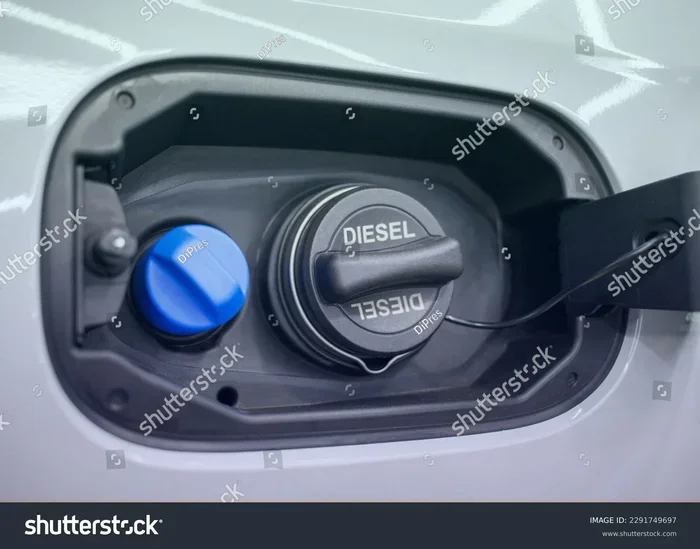
The official name for the gas tank opening is the fuel filler. More specifically, the entire assembly is often referred to as the fuel filler system. This includes the fuel filler door (the flap on the outside of your car), the fuel filler neck (the tube that runs from the door into the tank), and the fuel cap (the piece you twist off to access the opening).
Let’s break this down so it’s super clear:
- Fuel Filler Door — This is the exterior panel or flap on the side of your car. It covers the gas tank opening and keeps debris, water, and dirt out.
- Fuel Filler Neck — This is the tube or channel that runs from the door down into the fuel tank. Fuel flows through this tube when you pump gas.
- Fuel Cap — Also called the gas cap or fuel filler cap, this is the screw-on or click-on cover that seals the opening.
- Fuel Inlet — Another term for the entire entry point where fuel enters the vehicle.
So when someone asks, “What is the gas tank opening called?” the most accurate answer is fuel filler. But in everyday conversation, most people just say gas cap or fuel door. All of these terms refer to the same general area.
Why Does the Name Matter?
You might be thinking, “Does it really matter what it’s called?” Yes, it actually does. When you’re talking to a mechanic, ordering parts, or searching for help online, using the correct fuel filler terminology makes things much easier. If you say “my gas thing is broken,” a mechanic might not know exactly what you mean. But if you say “my fuel filler door won’t open” or “my fuel cap is stripped,” you’ll get much faster and more accurate help.
Using the right terms also helps when you’re looking up car maintenance guides or watching repair videos. Search engines and forums respond better to specific language. So learning what the gas tank opening is actually called is a small step that pays off in big ways.
How the Fuel Filler System Works
The fuel filler system is more than just a hole in your car. It’s a carefully designed part of your vehicle’s fuel system that ensures safety, efficiency, and environmental protection. Let’s look at how everything fits together.
The Path of Fuel From Pump to Tank
When you pull up to the gas station and start pumping, here’s what happens behind the scenes:
- You open the fuel filler door, usually by pressing a button or pulling a lever inside the car.
- You remove the fuel cap (also called the gas cap) from the fuel filler neck.
- You insert the pump nozzle into the refueling port.
- Fuel flows through the neck and into the fuel tank below.
- Once you’re done, you replace the fuel cap and close the fuel filler door.
That entire process relies on the gas tank opening being clear, undamaged, and properly sealed. If any part of the fuel filler system is compromised, you can run into problems.
The Role of the Fuel Cap Seal
The fuel cap does more than just cover the opening. It creates a tight seal that prevents fuel vapors from escaping into the air. This is part of your car’s evaporative emission control system (often called EVAP). The system captures fuel vapors and routes them back into the engine to be burned, rather than releasing them into the atmosphere.
A loose or damaged fuel cap can break this seal. When that happens, fuel vapors leak out, which is bad for the environment and can trigger your check engine light. It also means you’re literally losing fuel and money.
Fuel Door Release Mechanisms
Different cars have different ways of opening the fuel filler door. Here are the most common types:
- Interior Button or Lever — Most modern cars have a button or lever on the driver’s side dashboard or door panel.
- Mechanical Lift — Some older vehicles require you to physically lift the door from outside.
- Remote Release — Luxury and newer vehicles may allow you to open the fuel door from the key fob or touchscreen.
Knowing how your specific car’s fuel door release works can save you a lot of frustration, especially in unfamiliar vehicles like rental cars.
Why the Gas Tank Opening Matters
You might think the gas tank opening is just a simple hole, but it’s actually one of the most important access points on your vehicle. Here’s why it matters more than you might realize.
Fuel System Integrity
The fuel filler is the entry point for everything that goes into your fuel tank. If the opening, the neck, or the cap is damaged, contaminants like dirt, water, and debris can get into the fuel. This can clog your fuel filter, damage your fuel pump, and even harm your engine. Keeping the gas tank opening clean and sealed is essential for vehicle safety and performance.
Emission Control
As mentioned earlier, the fuel cap plays a critical role in your car’s emission system. A properly sealed fuel filler prevents harmful fuel vapors from escaping. In many states and countries, a malfunctioning fuel system can cause your car to fail an emissions test. That means you can’t register your vehicle or pass inspection until the issue is fixed.
Fuel Efficiency
Believe it or not, a loose gas cap can reduce your fuel efficiency. When the seal is broken, fuel vapors escape, and your car’s computer may adjust the fuel mixture to compensate. Over time, this can cost you a few extra trips to the gas station — and a few extra dollars at the pump.
Safety
The fuel filler door and fuel cap are designed with safety in mind. They prevent fuel from spilling, reduce the risk of fire, and protect the fuel tank from external damage. A missing or broken fuel cap is not just inconvenient — it’s a safety hazard, especially in hot weather when fuel vapors are more volatile.
Common Problems With the Fuel Filler
Like any car part, the gas tank opening and its components can wear out or break over time. Here are the most common issues drivers face.
Stuck or Jammed Fuel Filler Door
A fuel filler door that won’t open is incredibly frustrating. This usually happens when the fuel door release mechanism fails — either the cable snaps, the actuator gets stuck, or ice builds up in cold weather. Sometimes the door itself gets bent or damaged from a minor collision or a curb hit.
Quick Tip: If your fuel door is stuck, try gently tapping it with your hand or a soft object while pressing the release button. Sometimes a little pressure is all it takes to free it up.
Striped or Broken Fuel Cap
A fuel cap with a stripped thread is a common problem. Over time, the plastic or metal threads wear down, and the cap won’t tighten properly. A loose fuel cap means a bad seal, which leads to vapor leaks and potential check engine light issues.
Quick Tip: Replace a damaged fuel cap immediately. They’re inexpensive — usually under $15 — and available at any auto parts store. Make sure you get the right size and thread type for your vehicle.
Clogged Fuel Filler Neck
Dirt, rust, and debris can accumulate inside the fuel filler neck over time. This can restrict fuel flow and make it difficult to pump gas. In some cases, a clogged neck can cause the pump to keep shutting off prematurely — a really annoying problem at the gas station.
Quick Tip: If you notice the pump keeps clicking off, check for debris around the fuel inlet. A visual inspection can often reveal the problem before you need a mechanic.
Check Engine Light Triggered by Fuel Filler Issues
One of the most common reasons for a check engine light is a loose or faulty fuel cap. Your car’s onboard diagnostics system (OBD-II) monitors the evaporative emission system. If it detects a leak in the fuel system — even a tiny one from a loose cap — it will trigger the light.
Quick Tip: If your check engine light comes on right after filling up, try tightening the fuel cap first. Drive for a few days and see if the light goes off. It often does.
How to Maintain Your Gas Tank Opening
Good car maintenance includes paying attention to the fuel filler and its components. Here’s how to keep everything in great shape.
Regular Inspection
Make it a habit to visually inspect your fuel filler door and fuel cap every few weeks. Look for cracks, rust, debris, or any signs of damage. A quick glance during your car wash routine can catch small problems before they become big ones.
Replace the Fuel Cap When Needed
Fuel caps don’t last forever. The rubber seal inside the cap can dry out, crack, or warp over time. When that happens, the seal weakens and vapor leaks start. Replacing your fuel cap every few years is a smart car maintenance practice that costs almost nothing.
Keep the Area Clean
Dirt, leaves, and other debris can accumulate around the fuel filler door and fuel inlet. During car washes, make sure to clean this area thoroughly. Debris can work its way into the fuel filler neck and cause blockages or contamination.
Don’t Over-Tighten the Fuel Cap
It’s tempting to crank the fuel cap as tight as possible, but that can actually damage the threads and the seal. Tighten it until you feel it click — usually three to four turns past hand-tight. Over-tightening is a common common mistake that leads to stripped caps and difficult removal.
Address Issues Promptly
If you notice anything unusual — a loose fuel cap, a door that won’t open or close, a strange smell near the fuel tank, or a persistent check engine light — don’t ignore it. Small fuel system issues can snowball into expensive repairs if left unchecked. Addressing problems early is one of the best things you can do for your vehicle’s longevity.
Fuel Tank Opening Design Across Different Vehicles
Not all gas tank openings are created equal. Different vehicles have different designs, and knowing what to expect can help you navigate unfamiliar cars with confidence.
Side-Loading vs. Top-Loading Tanks
Most modern cars use a side-loading fuel tank design, where the fuel filler door is on the side of the rear quarter panel. Older vehicles and some trucks used top-loading tanks, where you open a lid on the roof or rear deck to access the gas tank opening directly.
Hidden Fuel Doors
Some vehicles, particularly luxury and sports cars, have hidden fuel doors that blend into the body of the car. These might be behind a bumper panel, a wheel arch cover, or even a fake exhaust tip. The fuel door release mechanism is usually the same, but finding the door can be tricky if you don’t know where to look.
Electric and Hybrid Vehicles
Electric vehicles (EVs) don’t have a gas tank opening in the traditional sense. Instead, they have a charging port, which is sometimes called the fuel inlet by analogy. Hybrid vehicles still have a fuel filler for their gasoline engine, but the gas tank is usually smaller than in a conventional car.
| Vehicle Type | Opening Name | Typical Location |
|---|---|---|
| Sedan / Coupe | Fuel Filler Door | Rear quarter panel, usually passenger side |
| SUV | Fuel Filler Door | Rear quarter panel or rear bumper |
| Truck | Fuel Filler Door or Fuel Tank Lid | Rear fender or bed side |
| Sports Car | Hidden Fuel Door | Varies — behind panel or bumper |
| Electric Vehicle | Charging Port | Front bumper, flank, or rear |
| Hybrid Vehicle | Fuel Filler Door | Rear quarter panel |
As you can see, the gas tank opening goes by various names depending on the vehicle type. But no matter what you drive, the fuel filler system serves the same fundamental purpose: getting fuel safely into your fuel tank.
Expert Insights: What Mechanics Wish You Knew
We asked a few experienced mechanics what they wish every driver understood about the gas tank opening. Here’s what they had to say:
- “A loose fuel cap is the number one cause of a check engine light that people panic over.” — Before you stress about a warning light, check your fuel cap first. It’s the cheapest and easiest fix.
- “Never use a fuel cap from a different vehicle.” — Every car has a specific fuel filler size and seal requirement. Using the wrong cap can cause vapor leaks and trigger emission codes.
- “If your fuel door release cable snaps, you can usually open it from the trunk or by removing the interior trim.” — Knowing this trick can save you from being stranded at the gas station.
- “Water in the fuel tank is a real problem, and it often enters through a dirty or damaged fuel filler opening.” — Keeping the area clean is one of the simplest car maintenance steps you can take.
These insights highlight how something as seemingly minor as the gas tank opening can have a major impact on your driving experience and vehicle health.
Key Takeaways
- The gas tank opening is called the fuel filler or fuel filler door — it’s the entry point for all fuel going into your vehicle.
- The fuel cap seals the opening and prevents fuel vapors from escaping, which protects both your engine and the environment.
- Knowing the correct name helps with car maintenance and makes communication with mechanics easier and more precise.
- A damaged or stuck fuel filler door can cause serious issues like fuel leaks, vapor leaks, and check engine lights.
- Different vehicles have different fuel filler locations — some are on the left, some on the right, and some are hidden behind panels.
- Replacing a fuel cap is cheap and easy but ignoring a broken one can lead to expensive repairs down the road.
- Modern vehicles have smart fuel systems with evaporative emission controls that rely on a properly sealed gas tank opening.
Conclusion
So, what is the gas tank opening called? The answer is fuel filler — and understanding that simple fact can make you a smarter, more informed driver. From the fuel filler door on the outside of your car to the fuel filler neck that runs into the fuel tank, every part of this system plays a role in keeping your vehicle running safely and efficiently.
The fuel cap might seem like a tiny, insignificant piece, but it’s responsible for sealing the fuel system, preventing vapor leaks, and protecting the environment. A loose or damaged gas cap can trigger a check engine light, reduce fuel efficiency, and even cause your car to fail an emissions test. That’s why paying attention to your fuel filler is one of the easiest and most impactful things you can do for car maintenance.
Next time you pull up to the gas pump, take a moment to appreciate the fuel system at work. Check your fuel cap, make sure the fuel filler door closes properly, and keep the area clean. These small habits add up to a healthier, safer, and more efficient vehicle over time.
Whether you call it a fuel filler, a gas cap, or a fuel door, one thing is certain — this often-overlooked component deserves your attention. A well-maintained gas tank opening keeps your car running smoothly and keeps you safe on the road.
Frequently Asked Questions
What is the proper name for the gas tank opening?
The proper name is the fuel filler. This term refers to the entire system, including the fuel filler door, the fuel filler neck, and the fuel cap. Mechanics and automotive professionals use this term consistently.
Can a loose fuel cap cause a check engine light?
Yes, absolutely. A loose or damaged fuel cap breaks the seal of the evaporative emission system, which causes fuel vapors to escape. Your car’s computer detects this leak and triggers the check engine light. Tightening the cap often resolves the issue immediately.
How often should I replace my fuel cap?
There’s no set schedule, but it’s a good idea to inspect your fuel cap every few months. Replace it if you notice cracks, a worn rubber seal, or difficulty tightening it. Most fuel caps last several years with proper care, but they’re inexpensive to replace.
Why does my fuel door stick or won’t open?
A stuck fuel filler door is usually caused by a broken release cable, a faulty actuator, or ice buildup in cold weather. Sometimes the door latch gets bent or damaged. Try pressing the release button firmly or gently tapping the door. If that doesn’t work, a mechanic can diagnose the fuel door release mechanism.
Is it safe to drive with a missing fuel cap?
It’s not recommended. Driving without a fuel cap allows fuel vapors to escape, which is harmful to the environment and reduces fuel efficiency. It can also let dirt and moisture enter the fuel tank, potentially causing contamination. Replace the cap as soon as possible.
What’s the difference between a fuel filler door and a fuel cap?
The fuel filler door is the exterior panel or flap on the side of your car that covers the opening. The fuel cap is the screw-on or click-on cover that sits on top of the fuel filler neck and seals the opening. They’re two different parts that work together as part of the fuel filler system.