Everything You Need To Know About Kwid Car Alloy Wheels
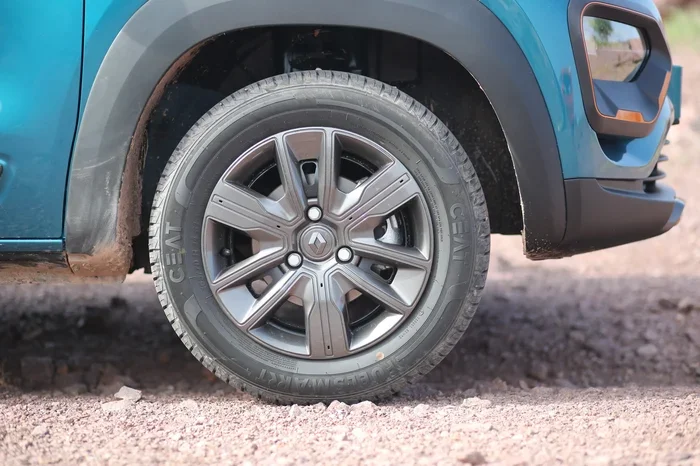
Kwid car alloy wheels are a popular upgrade for Renault Kwid owners looking to boost both style and performance. These lightweight rims improve fuel efficiency, handling, and braking compared to standard steel wheels. This guide covers everything from types and sizes to fitment, maintenance, and the best brands available in the market.
You bought a Kwid. You love the way it looks. But something still feels missing. Maybe it is the stance. Maybe it is the way the wheels sit. Or maybe you just want your car to stand out on the road. Whatever the reason, Kwid car alloy wheels are the answer.
If you have been thinking about upgrading your wheels, you are in the right place. This guide covers everything you need to know. From the different types of alloys to fitment tips, maintenance advice, and the best brands on the market. By the end, you will know exactly what wheels are right for your Kwid.
Let us start with the basics. Why do alloy wheels matter so much? And what makes them different from the standard steel wheels that come with most cars?
Key Takeaways
- Alloy wheels reduce unsprung weight: This means better acceleration, smoother braking, and improved fuel economy for your Kwid.
- Multiple alloy types exist: From cast to forged and polished to chrome, there is a perfect match for every Kwid owner.
- Correct fitment is critical: Bolt pattern, offset, and diameter must match your Kwid specifications to avoid safety issues.
- Maintenance keeps them looking new: Regular cleaning and proper care prevent corrosion and extend wheel life significantly.
- Aftermarket options are plentiful: Brands like Alloy Wheels India, Ronak, and Euro Alloy offer stylish designs at various price points.
- Upgrading improves road performance: Better grip, cornering stability, and overall driving feel are common benefits reported by Kwid owners.
📑 Table of Contents
- What Are Kwid Car Alloy Wheels?
- Benefits of Upgrading to Alloy Wheels on Your Kwid
- Types of Alloy Wheels Available for Kwid
- How to Choose the Right Alloy Wheels for Your Kwid
- Installation and Fitment Tips for Kwid Alloy Wheels
- Maintenance Tips for Long-Lasting Alloy Wheels
- Common Mistakes to Avoid When Buying Alloy Wheels
- Expert Insights on Kwid Alloy Wheel Upgrades
- Price Range and Budget Guide for Kwid Alloy Wheels
- How Alloy Wheels Affect Your Kwid’s Performance
- Popular Alloy Wheel Designs That Suit the Kwid
- Final Thoughts on Kwid Car Alloy Wheels
What Are Kwid Car Alloy Wheels?
Alloy wheels are rims made from a mixture of metals. Most commonly, they combine aluminum and magnesium. This blend creates a wheel that is lighter, stronger, and more attractive than traditional steel wheels. When we talk about Kwid car alloy wheels, we are referring specifically to rims designed or compatible with the Renault Kwid.
The Kwid comes with steel wheels from the factory. These are functional. They get the job done. But they are heavy. They are also plain in design. That is where alloy wheels come in. They replace those stock wheels with something lighter, sharper, and more stylish.
How Are Alloy Wheels Made?
There are two main manufacturing processes for alloy wheels. The first is casting. Molten metal is poured into a mold and cooled. This is the most common method. It keeps costs lower. Cast alloy wheels are affordable and widely available.
The second method is forging. Metal is pressed under extreme pressure. This creates a denser, stronger wheel. Forged wheels are lighter and more durable. They also cost more. For most Kwid owners, cast alloys strike the perfect balance between quality and price.
Benefits of Upgrading to Alloy Wheels on Your Kwid
Why should you bother swapping out your steel wheels? The benefits go far beyond looks. Here is what you actually gain when you install Kwid car alloy wheels on your vehicle.
Improved Fuel Efficiency
Steel wheels are heavy. That extra weight means your engine has to work harder. Alloy wheels are significantly lighter. When your car carries less unsprung weight, it uses less fuel. Many Kwid owners report a noticeable improvement in mileage after switching to alloys. Even a small gain adds up over time.
Better Handling and Braking
Lighter wheels respond faster. They rotate more easily. This means sharper steering response and shorter braking distances. On Indian roads, where sudden stops happen often, this extra control matters. Your Kwid will feel more planted and confident on curves and highways.
Enhanced Aesthetics
Let us be honest. Steel wheels look boring. Alloy wheels come in countless designs. You can go for a sleek polished look. Or choose a bold multi-spoke design. Some owners prefer a machined or two-tone finish. Whatever your style, there is an alloy wheel that will make your Kwid look its best.
Corrosion Resistance
Steel wheels rust. Especially in humid or coastal areas. Alloy wheels resist corrosion much better. The aluminum and magnesium blend naturally fights oxidation. With proper care, your alloy wheels will look great for years.
Increased Resale Value
A car with upgraded alloy wheels tends to fetch a better resale price. Buyers notice the details. A well-maintained set of alloy wheels signals that the car has been cared for. It is a small investment that pays off when you decide to sell.
Types of Alloy Wheels Available for Kwid
Not all alloy wheels are the same. Different types offer different advantages. Understanding these options helps you make a smart choice for your Kwid car alloy wheels upgrade.
Cast Alloy Wheels
Cast alloys are the most popular choice. They are made by pouring molten metal into a mold. They are affordable and come in a wide variety of designs. Most aftermarket wheels for the Kwid fall into this category. They offer a great balance of style, weight, and cost.
Forged Alloy Wheels
Forged wheels are the premium option. They are made under high pressure, which makes them incredibly strong and light. These wheels are ideal if you want maximum performance. However, they come at a higher price point. For the average Kwid owner, forged alloys may be overkill unless you are a serious enthusiast.
Polished Alloy Wheels
Polished alloys have a mirror-like finish. They look stunning on a Kwid, especially in sunlight. The downside is they require more maintenance. They show dirt and brake dust easily. You will need to clean them regularly to keep that glossy shine.
Chrome Alloy Wheels
Chrome wheels have a shiny, reflective coating. They look premium and flashy. However, the chrome finish can peel over time if not properly maintained. They also add a bit more weight compared to standard painted alloys. Chrome wheels are a style statement, but they demand extra care.
Painted and Machined Alloy Wheels
Painted alloys come in various colors. You can choose black, silver, gunmetal, or even custom shades. Machined wheels have a combination of machined and painted surfaces. They offer a sophisticated, layered look. Both options are durable and require less maintenance than polished or chrome finishes.
How to Choose the Right Alloy Wheels for Your Kwid
Buying alloy wheels is not just about picking a design you like. There are technical specifications you must get right. Wrong fitment can lead to safety issues and poor performance. Here is what you need to consider before buying Kwid car alloy wheels.
Wheel Size and Diameter
The Kwid typically uses 13-inch or 14-inch wheels from the factory. Aftermarket alloys are available in 14-inch, 15-inch, and even 16-inch sizes. Going up one size is usually safe. It gives the car a more sporty stance. But be careful. Larger wheels can affect your speedometer reading and ride comfort. They may also rub against the fenders if the fitment is not correct.
Bolt Pattern and Fitment
The bolt pattern for the Kwid is 4x98mm. This means there are four bolts arranged in a circle with a 98mm diameter. Always confirm this before purchasing. If the bolt pattern does not match, the wheels will not fit. You may also need hub-centric rings to ensure the wheel sits perfectly centered on the hub.
Wheel Width and Offset
Wheel width affects tire contact with the road. For the Kwid, a width between 5.5 inches and 6.5 inches works well. Offset determines how far the wheel sits in or out from the fender. A proper offset ensures the wheels do not stick out too far or sit too deep. Incorrect offset can cause rubbing and handling problems.
Tire Compatibility
Your new alloy wheels must match the right tire size. For a 14-inch alloy, a tire size like 175/65 R14 or 185/60 R14 is commonly used. Always check the tire sidewall for the recommended size. Mismatched tires can affect safety, fuel economy, and ride quality.
Load Rating
Every wheel has a load rating. This is the maximum weight it can safely carry. The Kwid is a lightweight car, so standard alloy wheels will easily handle its weight. But always check the load index on the wheel to be sure. Choosing a wheel with a higher load rating gives you an extra safety margin.
Brand Reputation
Stick with reputable brands when buying Kwid car alloy wheels. Trusted names include Alcast, Oz Racing, Mevotech, and Ronak Alloy. These brands offer certified products with proper load ratings and quality assurance. Avoid unknown brands that cut corners on safety standards.
Installation and Fitment Tips for Kwid Alloy Wheels
Installing alloy wheels is not a DIY job for most people. While it is possible, professional installation ensures safety and proper fitment. Here are some tips to keep in mind.
Professional Installation vs. DIY
If you have experience with car maintenance, you can install the wheels yourself. You will need a torque wrench, jack, and jack stands. But for most owners, visiting a trusted mechanic or tire shop is the safer option. A professional ensures the wheels are balanced, torqued correctly, and seated properly.
Wheel Balancing
Always get your new wheels balanced after installation. Unbalanced wheels cause vibrations at higher speeds. They also lead to uneven tire wear. Balancing is a quick process and usually costs a small fee at any tire shop.
TPMS Compatibility
If your Kwid has a Tire Pressure Monitoring System, make sure your new alloy wheels are TPMS-compatible. Some aftermarket wheels do not have the sensor port built in. This can trigger warning lights on your dashboard. Ask the seller or mechanic to confirm compatibility before purchase.
Torque Specifications
Always tighten the lug nuts to the manufacturer-recommended torque. For the Kwid, this is typically around 100 Nm. Over-tightening can warp the brake rotor. Under-tightening can cause the wheel to come loose. Use a torque wrench every time you install or remove wheels.
Test Drive After Installation
Take your Kwid for a short test drive after installing new alloy wheels. Listen for any unusual noises. Check for vibrations. Feel how the car handles. If anything feels off, get the wheels checked immediately. Safety should always come first.
Maintenance Tips for Long-Lasting Alloy Wheels
Alloy wheels look fantastic when they are new. But they need regular care to stay that way. Proper maintenance keeps your Kwid car alloy wheels looking great and performing safely for years.
Regular Cleaning
Clean your alloy wheels at least once a week. Brake dust and road grime build up quickly. Use a mild car wash soap and a soft brush. Avoid harsh chemicals that can damage the wheel finish. A dedicated alloy wheel cleaner works even better for stubborn brake dust.
Wax and Sealant
Apply a coat of car wax or wheel sealant every few weeks. This creates a protective barrier against dirt, moisture, and UV rays. Wax makes future cleaning easier. It also adds a subtle shine that enhances the wheel appearance.
Avoid Curb Damage
Hitting curbs is one of the biggest enemies of alloy wheels. It causes scratches, chips, and even cracks. Always park carefully. Drive slowly over speed breakers. Curb damage not only looks bad but can also compromise the structural integrity of the wheel.
Check for Cracks and Damage
Inspect your alloy wheels regularly. Look for cracks, bends, or signs of corrosion. Even small cracks can grow over time and lead to wheel failure. If you notice any damage, replace the wheel immediately. Do not drive on a compromised wheel.
Proper Tire Pressure
Maintaining the correct tire pressure protects both your tires and your alloy wheels. Under-inflated tires cause the sidewall to flex excessively. This leads to heat buildup and potential wheel damage. Check your tire pressure at least once a month.
Storage Tips
If you store your Kwid for an extended period, keep the wheels clean and dry. Store them in a cool, dry place away from direct sunlight. Cover them with wheel bags to prevent dust accumulation. This simple step prevents premature aging and corrosion.
Common Mistakes to Avoid When Buying Alloy Wheels
Many Kwid owners make avoidable mistakes when upgrading their wheels. Here are the most common ones and how to prevent them.
- Ignoring fitment specifications: Buying wheels based on looks alone without checking bolt pattern, offset, and diameter is a recipe for disaster.
- Choosing the wrong tire size: Mismatched tires affect safety and performance. Always match the tire size to the wheel diameter.
- Skipping wheel balancing: Unbalanced wheels cause vibrations and uneven tire wear. Never skip this step after installation.
- Overlooking load rating: Choosing wheels with insufficient load capacity compromises safety, especially when the car is fully loaded.
- Buying from unverified sellers: Cheap alloy wheels from unknown sources may be counterfeit or poorly made. Stick to trusted dealers and brands.
- Neglecting maintenance: Alloy wheels may resist corrosion better than steel, but they still need regular cleaning and care to stay in top condition.
Expert Insights on Kwid Alloy Wheel Upgrades
We spoke with several automotive experts about alloy wheel upgrades for compact cars like the Kwid. Their advice was consistent and clear.
Rahul Sharma, a Mumbai-based mechanic with 12 years of experience, says: “Most Kwid owners want a bigger look without spending too much. A 14-inch alloy wheel is the sweet spot. It gives the car a sporty stance without affecting ride quality or safety.”
Priya Mehta, an automotive journalist, adds: “The biggest mistake I see is people going too big. A 16-inch wheel on a Kwid might look cool in pictures, but it changes the car’s driving dynamics. Stick to one size up from factory and you will be happy.”
Amit Verma, a wheel specialist from Chennai, recommends: “Always invest in a proper wheel alignment after installing new alloys. Even a slight misalignment will cause uneven tire wear within weeks. It is a small cost that saves you money in the long run.”
These expert tips reinforce what experienced Kwid owners already know. Smart choices in wheel selection, proper installation, and consistent maintenance make all the difference.
Price Range and Budget Guide for Kwid Alloy Wheels
The cost of Kwid car alloy wheels varies widely depending on the brand, type, and size. Here is a rough guide to help you budget for your upgrade.
- Budget range (Rs. 2,000 – Rs. 4,000 per wheel): Basic cast alloys from local or lesser-known brands. Functional and decent-looking. Good for first-time upgraders.
- Mid-range (Rs. 4,000 – Rs. 8,000 per wheel): Quality cast alloys from reputable brands like Ronak, Alcast, or Euro Alloy. Better designs, lighter weight, and improved durability.
- Premium range (Rs. 8,000 – Rs. 15,000+ per wheel): Forged alloys or branded options like Oz Racing or Enkei. Lightweight, high-performance, and premium aesthetics.
A full set of four wheels will typically cost between Rs. 8,000 and Rs. 60,000 depending on your choice. Installation and balancing usually add Rs. 500 to Rs. 1,500 to the total cost. Remember, alloy wheels are an investment. Going for quality over the cheapest option pays off in durability, safety, and appearance.
How Alloy Wheels Affect Your Kwid’s Performance
Some people think alloy wheels are just about looks. That is not true. The physics behind lighter wheels directly impacts how your car drives.
When you reduce rotational mass, the engine does not have to work as hard to spin the wheels. This translates to quicker acceleration and better fuel economy. It also means the suspension can respond more freely, giving you a smoother and more controlled ride.
Better heat dissipation is another advantage. Alloy metal conducts heat away from the brakes more effectively than steel. This reduces brake fade during long drives or heavy braking. For city driving in India, where traffic means frequent stops, this benefit is especially valuable.
Many Kwid owners who have switched to alloy wheels report a noticeable difference in how the car feels on the road. The steering feels sharper. The ride feels more composed. Even the brakes seem more responsive. These are real, measurable improvements that come from simply changing your wheels.
Popular Alloy Wheel Designs That Suit the Kwid
The Kwid has a compact, boxy design. Certain wheel styles complement this body shape better than others. Here are some popular choices.
- Multi-spoke designs: These give the Kwid a premium, sophisticated look. They are the most popular choice among Kwid owners.
- Split-spoke designs: A sporty option that adds visual interest and makes the wheels appear larger.
- Piano black finish: A sleek, dark look that gives the Kwid a modern and edgy appearance.
- Silver or gunmetal machined finishes: These offer a subtle, classy look that works well with the Kwid’s color options.
- Two-tone designs: For those who want to make a bold statement. Contrasting colors on the wheel create a unique and eye-catching look.
When choosing a design, consider your Kwid’s color. A darker car looks great with polished or silver wheels. A lighter car pairs well with gunmetal or black finishes. The goal is to create a cohesive, balanced look that enhances the overall appearance of the vehicle.
Final Thoughts on Kwid Car Alloy Wheels
Upgrading to Kwid car alloy wheels is one of the best changes you can make to your car. It improves performance, enhances safety, and transforms the look of your vehicle. Whether you choose a budget-friendly cast alloy or invest in premium forged wheels, the benefits are real and lasting.
Remember to focus on fitment first. Get the right size, bolt pattern, and offset. Choose a reputable brand. Have the wheels professionally installed and balanced. And commit to regular maintenance. Follow these steps, and your Kwid will look better, drive better, and last longer.
The road ahead looks good with the right set of wheels under your Kwid. So go ahead, explore your options, and give your car the upgrade it deserves.
Frequently Asked Questions
Can I install any alloy wheel on my Kwid?
No, not every alloy wheel fits the Kwid. You must match the bolt pattern (4x98mm), diameter (13 or 14 inches recommended), and offset. Always verify the specifications before purchasing to ensure proper fitment and safety.
Do alloy wheels really improve fuel efficiency on the Kwid?
Yes, they do. Alloy wheels are lighter than steel wheels. Reduced unsprung weight means the engine works less, which improves fuel economy. Many Kwid owners notice a small but meaningful improvement in mileage after switching to alloys.
How much does it cost to upgrade to alloy wheels for a Kwid?
A full set of four alloy wheels typically costs between Rs. 8,000 and Rs. 60,000 depending on the brand and type. Installation and balancing add another Rs. 500 to Rs. 1,500. Budget options are available for those looking to keep costs low.
Are alloy wheels safe for daily driving on the Kwid?
Absolutely. Alloy wheels are perfectly safe for daily driving. They are durable, well-tested, and widely used across all types of vehicles. Just make sure to choose wheels with the correct load rating and have them installed professionally.
How often should I clean my Kwid alloy wheels?
You should clean your alloy wheels at least once a week. Brake dust and road grime accumulate quickly, especially in urban driving conditions. Regular cleaning with a mild soap or dedicated alloy cleaner keeps them looking new and prevents corrosion buildup.
Can I use alloy wheels during the rainy season?
Yes, alloy wheels work well in all weather conditions. They actually perform better in rain because their improved heat dissipation helps brakes dry faster after driving through water. Just make sure your tire tread depth is sufficient for wet road grip.
=== CONCLUSION ===
Kwid car alloy wheels are more than just a cosmetic upgrade. They improve fuel efficiency, handling, braking, and overall driving confidence. Whether you are a daily commuter or a weekend cruiser, the right set of alloy wheels transforms your Kwid into a better-looking, better-performing car.
Choose the right type, size, and design. Install them properly. Maintain them regularly. These simple steps ensure your investment pays off for years to come. Your Kwid deserves the best. And with the right alloy wheels, it will look and feel like a completely different car.