How to Force Regeneration on Volvo D13 Made Simple
Forcing regeneration on a Volvo D13 is a straightforward process that clears soot buildup from your diesel particulate filter. This guide walks you through every step, from understanding when regeneration is needed to troubleshooting common problems. You will learn practical tips to keep your D13 engine running efficiently and avoid costly repairs.
Keeping your Volvo D13 running at its best means understanding the forced regeneration process. If you have ever seen a DPF warning light flash on your dashboard, you know the panic that follows. The good news is that forcing a regeneration on your Volvo D13 is simpler than most truck owners think. You do not need a dealership or a expensive mechanic to get this done. With the right knowledge and a few simple steps, you can clear the diesel particulate filter yourself and get back on the road.
This guide covers everything you need to know about how to force regeneration on Volvo D13 engines. We will walk you through the signs that tell you regeneration is needed, the step-by-step process, common problems, and tips to prevent future issues. Whether you are a seasoned trucker or a newer owner, this article will give you the confidence to handle DPF regeneration like a pro.
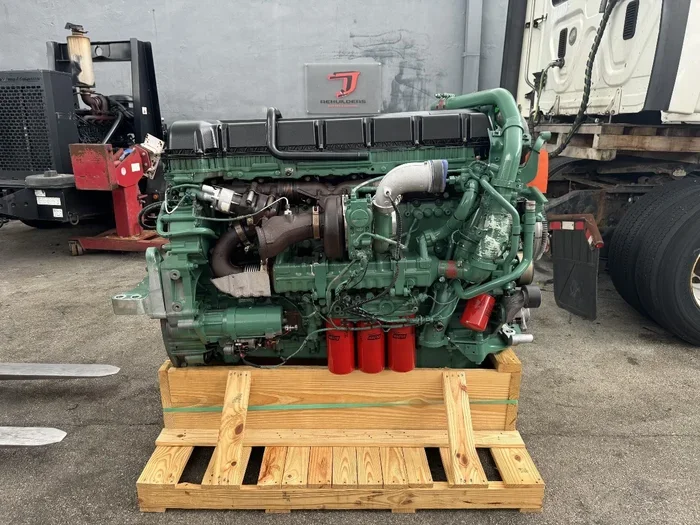
The Volvo D13 is a powerful and reliable diesel engine, but like all diesel engines, it produces soot. Over time, that soot builds up inside the DPF filter. When the filter gets too full, your engine performance drops and fuel economy suffers. Forced regeneration is the process of deliberately burning off that soot buildup while the truck is parked. It is an essential part of Volvo truck maintenance that every D13 owner should understand.
Key Takeaways
- Forced regeneration clears soot from the DPF: This process burns off accumulated particulate matter in the diesel particulate filter, restoring proper exhaust flow.
- You can initiate forced regeneration from the cab: The Volvo D13 ECM allows drivers to start a parked regeneration without visiting a dealership.
- Watch for warning signs early: Dashboard alerts, reduced fuel economy, and power loss indicate your DPF needs attention.
- Prevention is easier than repair: Regular highway driving and proper maintenance reduce the need for frequent forced regenerations.
- Know when to call a pro: If regeneration fails multiple times, professional diagnosis may be needed to avoid expensive damage.
- Safety comes first: Always perform forced regeneration in a well-ventilated area away from flammable materials.
📑 Table of Contents
What Is Forced Regeneration on a Volvo D13?
Forced regeneration is a manual process that triggers the engine management system to raise exhaust temperatures and burn off accumulated soot in the diesel particulate filter. Unlike passive regeneration, which happens automatically during highway driving, forced regeneration is something you initiate yourself from the cab.
How the DPF Works in Your D13
Your Volvo D13 uses a diesel particulate filter to trap soot particles from the exhaust. Think of it like a sponge that catches the dirty particles before they leave the tailpipe. Over time, that sponge fills up. The engine management system monitors the DPF filter and triggers a regeneration cycle when the soot level reaches a certain threshold.
During normal active regeneration, the ECM increases fuel injection timing to raise exhaust temperature. This burns the soot into ash, which is a much smaller and less harmful substance. The process typically happens during steady highway driving and takes about 20 to 45 minutes.
When Passive Regeneration Is Not Enough
Sometimes, normal driving conditions do not allow passive regeneration to occur. If you do a lot of short trips, idling, or stop-and-go driving, your DPF may not reach the temperatures needed for self-cleaning. This is when forced regeneration becomes necessary. The Volvo D13 ECM will alert you when passive regeneration has not been sufficient and the DPF warning light illuminates.
When Do You Need to Force Regeneration?
Knowing when to force regeneration can save you from bigger problems down the road. Your Volvo D13 gives you several clear signals that regeneration is needed. Paying attention to these signs early can prevent DPF damage and expensive repairs.
Warning Signs Your DPF Needs Attention
- DPF warning light on the dashboard: This is the most obvious sign. A yellow or red exhaust icon means the soot level is too high.
- Reduced engine power: The engine management system may go into limp mode to protect the engine from excessive back pressure.
- Increased fuel consumption: A clogged DPF filter forces the engine to work harder, which burns more fuel.
- Black smoke from the exhaust: This indicates that soot is passing through the filter instead of being trapped.
- Frequent regeneration alerts: If your truck keeps telling you to regenerate, the filter may be nearing capacity.
- Check engine light: In some cases, a severe DPF blockage triggers the general check engine light along with specific D13 fault codes.
Understanding DPF Soot Levels
The Volvo D13 engine management system tracks soot accumulation as a percentage. Most trucks will prompt a regeneration when soot levels reach around 45 to 55 percent. If you ignore these alerts, the level continues to climb. At 85 percent and above, forced regeneration becomes urgent. Beyond that, the DPF filter can become severely blocked, leading to potential engine damage.
It is also worth noting that low engine oil levels can sometimes trigger dashboard warnings that mimic DPF issues. If you are unsure whether the problem is the DPF or the oil, check your oil level first. Sometimes low engine oil showing on the dashboard can be confused with exhaust system alerts. Keeping up with regular oil changes is a key part of preventing unnecessary regeneration attempts.
Step-by-Step Guide to Force Regeneration on Your Volvo D13
Now that you understand why regeneration is needed, let us walk through the actual process. Following these steps carefully will ensure a successful forced regeneration every time.
Step 1: Park in a Safe Location
Find a flat, well-ventilated area away from buildings, trees, and other vehicles. Forced regeneration produces very hot exhaust gases, and there will be visible smoke during the process. Make sure you are in a spot where the smoke will not bother anyone or create a fire hazard. Never perform regeneration near dry grass, fuel, or other flammable materials.
Step 2: Start the Engine and Let It Idle
Start your Volvo D13 and let it idle for a few minutes. This allows the engine management system to stabilize and the oil and coolant to reach operating temperature. Make sure all systems are functioning normally before you begin the regeneration process.
Step 3: Access the Regeneration Menu
On the Volvo D13 dashboard display, navigate to the service or maintenance menu. The exact path varies depending on your model year and cab configuration, but you are looking for a DPF regeneration or exhaust aftertreatment option. Select forced regeneration and confirm your choice.
Step 4: Initiate the Regeneration Cycle
Once you confirm, the Volvo D13 ECM will begin the regeneration sequence. You will notice the exhaust temperature rising significantly. The truck may run louder than normal, and you will see smoke coming from the tailpipe. This is completely normal. Do not turn off the engine during this process.
Step 5: Monitor the Process
Stay with the truck during regeneration. Watch the dashboard for progress indicators. The process typically takes 20 to 45 minutes depending on the soot level. Do not drive the truck during this time. If the DPF warning light goes off and the soot level drops to an acceptable range, the regeneration is complete.
Step 6: Verify Completion
After the regeneration finishes, check the dashboard to confirm that the DPF filter status shows normal. You can also use the Volvo diagnostic tool if you have one to verify that soot levels have dropped. Take the truck for a short drive to make sure everything feels normal and the engine has full power.
Common Problems During Forced Regeneration
Even when you follow the steps correctly, problems can arise during forced regeneration. Understanding these issues helps you troubleshoot effectively and avoid making things worse.
Regeneration Keeps Failing
If your Volvo D13 attempts forced regeneration multiple times and it fails each time, there is likely an underlying issue. Common causes include a partially clogged DPF filter, faulty temperature sensors, or problems with the fuel system. In some cases, a clogged catalytic converter can restrict exhaust flow and prevent successful regeneration. If you suspect your catalytic converter is the problem, it is worth having it inspected alongside your DPF.
Regeneration Stalls Mid-Process
If the regeneration cycle stops before completing, check for error codes on the dashboard. A stalled regeneration often points to a sensor malfunction or insufficient fuel supply for the regeneration burn. Restarting the process after addressing the root cause usually resolves the issue.
Excessive Smoke During Regeneration
Some smoke is normal during forced regeneration. However, if the smoke is extremely dark or has a strong, unpleasant odor, something may be wrong. This could indicate a fuel injection problem or an oil leak into the combustion chamber. Addressing these issues quickly prevents further damage to the exhaust aftertreatment system.
Truck Will Not Start After Regeneration
In rare cases, the truck may not start after a regeneration cycle. This can happen if the engine management system needs a reset or if there is an underlying electrical issue. If your truck will not start but the battery is fine, there may be a fault code preventing startup. Checking for diagnostic trouble codes is the first step in resolving this issue.
Preventing Future DPF Issues on Your Volvo D13
The best way to deal with DPF regeneration is to prevent problems before they start. A few simple habits can dramatically reduce the frequency of forced regenerations and extend the life of your DPF filter.
Drive at Highway Speeds Regularly
The Volvo D13 engine management system performs passive regeneration most effectively at highway speeds. If your work involves a lot of city driving or short trips, try to include regular highway runs of at least 30 minutes. This allows the exhaust to reach the temperatures needed for automatic soot burn-off.
Use Quality Diesel Fuel and Oil
Low-quality fuel and oil can increase soot production significantly. Always use ultra-low sulfur diesel (ULSD) and high-quality engine oil that meets Volvo specifications. Poor fuel quality leads to more ash buildup in the DPF filter, which means more frequent regeneration cycles.
Do Not Ignore Dashboard Alerts
When your D13 alerts you about regeneration, do not ignore it. Delaying regeneration allows soot to accumulate further, which makes the process harder and increases the risk of damage. If you see a DPF warning light or any D13 fault codes, address them promptly.
Keep Up with Scheduled Maintenance
Regular maintenance is the foundation of a healthy Volvo D13. Follow the recommended service intervals for oil changes, filter replacements, and system inspections. If you ever need replacement parts and find that car parts are on backorder, plan ahead and order early to avoid delays in your maintenance schedule.
Monitor Coolant and Oil Levels
Your Volvo D13 depends on proper coolant and oil levels for optimal performance. Low coolant can cause overheating, which affects the exhaust aftertreatment system. Similarly, low oil levels can trigger dashboard warnings and affect engine health. Regularly check both levels and top them off as needed.
When to Seek Professional Help
While forced regeneration is something you can handle yourself in most cases, there are situations where professional help is the right call. If you have attempted regeneration multiple times and it keeps failing, a certified Volvo technician can run full diagnostic tests. They have access to advanced tools that can read D13 fault codes in detail and pinpoint exactly what is causing the problem.
You should also seek professional help if you notice any of the following: persistent power loss even after regeneration, excessive black smoke that does not clear, unusual noises from the exhaust system, or the check engine light staying on after the regeneration process. These symptoms may indicate a deeper issue that goes beyond simple soot buildup.
Sometimes the DPF filter itself may be damaged beyond what regeneration can fix. In these cases, a replacement filter may be necessary. If you need to order a new DPF filter, make sure to check availability and lead times. Replacement parts for the Volvo D13 can sometimes take time to arrive, so planning ahead is always a good idea.
Finally, if you are ever unsure about any step in the regeneration process, do not hesitate to contact a Volvo dealer or qualified diesel mechanic. It is always better to ask for help than to risk causing further damage to your engine or exhaust system.
Understanding how to force regeneration on Volvo D13 engines empowers you as a truck owner. You save time, money, and avoid unnecessary trips to the dealership. With the knowledge in this guide, you are well equipped to handle DPF regeneration confidently and keep your Volvo D13 running strong for years to come.
Frequently Asked Questions
Can you force regeneration while driving a Volvo D13?
No, forced regeneration must be performed while the truck is parked and idling. The process requires the truck to remain stationary so the engine management system can safely raise exhaust temperatures. Attempting to drive during regeneration can interrupt the cycle and cause incomplete cleaning of the DPF filter.
How long does forced regeneration take on a Volvo D13?
A forced regeneration cycle on the Volvo D13 typically takes between 20 and 45 minutes. The exact time depends on how much soot has accumulated in the diesel particulate filter. Heavier soot buildup requires a longer burn cycle to bring the filter back to a clean state.
What happens if you do not regenerate your DPF?
Ignoring DPF regeneration leads to worsening soot buildup, which restricts exhaust flow. Over time, this causes reduced engine power, poor fuel economy, and eventually the truck may go into limp mode. Severely clogged filters can also cause engine overheating and costly damage to the exhaust aftertreatment system.
Can you force regeneration with the check engine light on?
It is not recommended to force regeneration while the check engine light is on. The light usually indicates an underlying problem that could interfere with the process or worsen during regeneration. Have a technician diagnose the D13 fault codes first, then attempt regeneration once the issue is resolved.
How often does a Volvo D13 need regeneration?
The frequency depends on your driving habits and conditions. Trucks that do mostly highway driving may need regeneration less often, while those doing short trips or heavy idling may require it more frequently. Most Volvo D13 owners experience regeneration prompts every 300,000 to 500,000 miles under normal operating conditions.
Is forced regeneration the same as active regeneration?
Active regeneration happens automatically during normal driving when exhaust temperatures are high enough. Forced regeneration is a manual process you initiate when active regeneration has not occurred naturally or when soot levels are critically high. Both processes burn off soot in the DPF filter, but forced regeneration is triggered by the driver rather than the engine management system.