How Much Can a Toyota 4Runner Tow Maximum Capacity
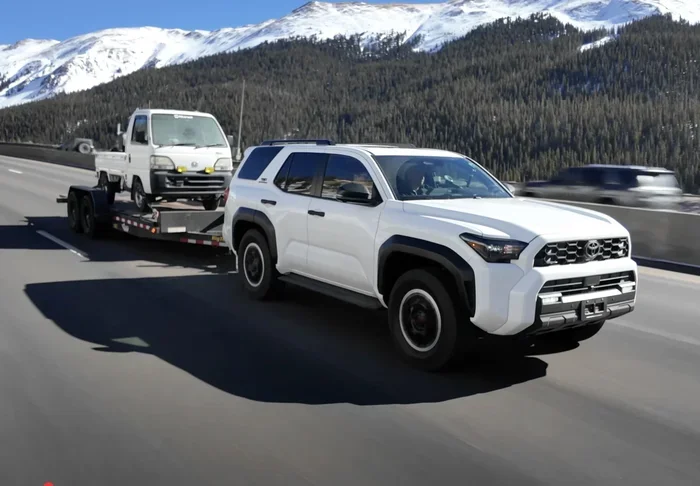
The Toyota 4Runner can tow up to 5,000 pounds when properly equipped with the right towing package. This rugged SUV offers strong towing capability for trailers, boats, and campers. Understanding your specific model year, engine type, and hitch setup is essential for safe towing. Always check your owner’s manual and stay within the rated limits.
The Toyota 4Runner has earned a reputation as one of the most capable SUVs on the road. Its rugged build and strong frame make it a popular choice for adventure lovers. One of the top questions owners and buyers ask is, how much can a Toyota 4Runner tow. The answer depends on several factors, including the model year, engine, and towing setup.
In this guide, we break down everything you need to know about the Toyota 4Runner towing capacity. Whether you plan to haul a small trailer or a larger camper, this article covers it all. We also share practical tips to keep you safe and within the limits of your vehicle.
Knowing your towing capacity is not just about performance. It is about safety. Overloading your 4Runner can damage the engine, brakes, and suspension. It can also create dangerous driving conditions. Let us dive into the details and help you get the most out of your truck.
Key Takeaways
- Max Towing Capacity: The Toyota 4Runner can tow up to 5,000 pounds when equipped with the proper towing package and hitch.
- Model Year Matters: Towing capacity varies by year, engine, and drivetrain configuration.
- Hitch Type Is Critical: Using the correct hitch class ensures safe and effective towing.
- Payload and Tongue Weight Count: Towing limits depend on total weight, not just the trailer.
- Safety First: Always use proper braking systems and weight distribution for heavier loads.
- Regular Maintenance Helps: A well-maintained 4Runner performs better and safer while towing.
📑 Table of Contents
- Toyota 4Runner Towing Capacity By Model Year
- What Affects the Toyota 4Runner Towing Capacity
- How to Properly Set Up Your 4Runner for Towing
- Towing Safety Tips for the 4Runner
- Common Towing Mistakes to Avoid
- What Can You Tow with a Toyota 4Runner?
- Expert Tips for Maximizing Your 4Runner’s Towing Ability
- Final Thoughts on the Toyota 4Runner Towing Capacity
Toyota 4Runner Towing Capacity By Model Year
The towing capacity of the Toyota 4Runner has changed over the years. Different model years come with different engines and configurations. Here is a general breakdown of what to expect.
Earlier Models (2003-2009)
The older 4Runner models had a lower towing capacity compared to newer versions. Most models from this era could tow between 3,500 and 4,000 pounds. These trucks used the 4.0-liter V6 engine, which was reliable but not as powerful as later options.
If you own an early 2000s 4Runner, you should check your owner’s manual for the exact number. The towing capacity can vary based on whether you have two-wheel drive or four-wheel drive. Two-wheel drive models typically have a slightly higher towing limit.
Recent Models (2010-2024)
The newer 4Runner models offer improved towing capabilities. Most recent models can tow up to 5,000 pounds. The 4.0-liter V6 engine remained the standard, but Toyota made improvements to the transmission and cooling systems.
These upgrades help the 4Runner handle heavier loads more effectively. The towing package includes a reinforced frame, better cooling, and a wiring harness for trailer lights. If you are considering a recent model, you are getting a strong towing machine.
Towing Capacity Comparison Table
Here is a quick comparison of towing capacities across different model ranges:
- 2003-2009 4Runner: 3,500 to 4,000 lbs
- 2010-2014 4Runner: 4,000 to 5,000 lbs
- 2015-2024 4Runner: Up to 5,000 lbs
Always verify the exact number for your specific vehicle. The numbers above are general estimates and can vary based on trim level and options.
What Affects the Toyota 4Runner Towing Capacity
Several factors determine how much your 4Runner can safely tow. Understanding these factors helps you make smart decisions about hauling loads.
Engine and Transmission
The 4Runner uses a 4.0-liter V6 engine across most model years. This engine produces around 270 horsepower and 278 lb-ft of torque. That is solid for an SUV of this size. The transmission plays a big role too. The five-speed or six-speed automatic transmission handles the power delivery to the wheels.
A well-maintained engine and transmission will tow more efficiently. Fresh fluids, clean filters, and proper tuning all contribute to better towing performance. If your truck feels sluggish while towing, it may need service.
Drivetrain Configuration
The drivetrain matters when it comes to towing. Four-wheel drive models tend to have slightly lower towing limits than two-wheel drive models. This is because the extra drivetrain components add weight to the vehicle.
However, four-wheel drive offers better traction, which is helpful when towing on rough or slippery terrain. For most towing situations, the difference is small. But if you are hauling near the maximum limit, every pound counts.
Towing Package and Hitch Setup
Toyota offers a factory towing package for the 4Runner. This package includes a Class IV hitch receiver, wiring harness, and transmission cooler. The Class IV hitch is the strongest option and is rated for heavy loads.
If your 4Runner does not have the factory towing package, you can add a hitch aftermarket. However, you must ensure the hitch is rated for the weight you plan to tow. For lighter loads, a Class III hitch may work. Always check the hitch rating before hauling anything heavy.
How to Properly Set Up Your 4Runner for Towing
Setting up your 4Runner correctly makes a huge difference in towing safety and performance. Here are the steps you should follow before every trip.
Choose the Right Hitch
The hitch is the connection point between your truck and the trailer. A Class IV hitch is the best choice for the 4Runner. It is designed to handle loads up to 5,000 pounds or more. Make sure the hitch is properly installed and secured to the frame.
If you are unsure about installation, visit a professional. A loose or improperly mounted hitch can be extremely dangerous. Many Toyota dealerships can install a towing hitch for you. Alternatively, you can check if adding a tow hitch to your Toyota is a viable option for your setup.
Use a Weight Distribution Hitch for Heavier Loads
When towing close to the 5,000-pound limit, a weight distribution hitch is highly recommended. This type of hitch spreads the trailer weight evenly across all axles. It prevents the rear of your 4Runner from sagging under heavy loads.
A sagging rear end affects steering and braking. It also wears out your tires faster. A weight distribution hitch solves these problems and makes towing much safer.
Connect the Wiring Harness
The wiring harness connects your 4Runner’s lights to the trailer lights. This includes brake lights, turn signals, and running lights. Without proper wiring, you are a safety hazard on the road.
Most modern 4Runner models come with a pre-installed wiring harness in the towing package. If yours does not, you can easily install one. Make sure all connections are secure and test the lights before every trip.
Towing Safety Tips for the 4Runner
Towing a trailer changes how your 4Runner drives. The added weight affects acceleration, braking, and handling. Here are essential safety tips every 4Runner owner should know.
Stay Within the Weight Limit
This cannot be stressed enough. Never exceed the rated towing capacity. Overloading your vehicle puts stress on the engine, transmission, and brakes. It also increases the risk of accidents.
If you are unsure about the weight of your load, use a public scale at a truck stop or weigh station. Knowing the exact weight helps you stay safe and legal on the road.
Check Tire Pressure Before Every Trip
Proper tire pressure is critical when towing. Underinflated tires can overheat and blow out, especially under heavy loads. Check all tires, including the spare, before every towing trip.
Refer to the tire pressure label on the driver’s door jamb for the correct pressure. This number may change slightly when towing heavy loads, so consult your owner’s manual.
Allow More Stopping Distance
A loaded 4Runner takes longer to stop than an unloaded one. The extra weight increases momentum, which means your brakes work harder. Always leave more space between you and the vehicle ahead.
Avoid sudden braking whenever possible. Gradual slowdowns are safer and put less stress on your braking system. If you tow frequently, consider upgrading to high-performance brake pads.
Practice Driving with a Trailer
If you are new to towing, practice in an empty parking lot before hitting the highway. Learn how your 4Runner handles with a trailer attached. Pay attention to turning radius, backing up, and lane changes.
Towing a trailer creates a longer overall vehicle length. This affects how you navigate turns, intersections, and tight spaces. The more you practice, the more confident you will become.
Common Towing Mistakes to Avoid
Even experienced towers make mistakes. Here are common errors that can lead to problems or accidents.
Ignoring Tongue Weight
Tongue weight is the downward force the trailer puts on the hitch. It should be about 10 to 15 percent of the total trailer weight. Too much tongue weight pushes the rear of your 4Runner down, affecting stability.
Too little tongue weight causes the trailer to sway. Both situations are dangerous. Use a tongue weight scale to check your setup before every trip.
Overloading the Payload
Towing capacity and payload capacity are different numbers. Payload is the weight of passengers, cargo, and equipment inside the truck. If your payload is already high, you have less capacity left for towing.
Always calculate both your towing and payload weight together. Staying within the total limit keeps your 4Runner running safely and smoothly.
Skipping Regular Maintenance
Towing puts extra stress on your vehicle. Skipping oil changes, brake inspections, and fluid checks can lead to costly repairs. Regular maintenance keeps your 4Runner in top shape for towing.
Follow the maintenance schedule in your owner’s manual. Pay special attention to the transmission fluid, coolant, and brake pads. These components work the hardest when towing.
What Can You Tow with a Toyota 4Runner?
The 4Runner is versatile enough to tow a variety of trailers and equipment. Here are some common things people tow with their 4Runners.
Small to Medium Travel Trailers
A 5,000-pound towing capacity easily handles small to medium travel trailers. Pop-up campers and teardrop trailers are perfect matches for the 4Runner. These lightweight trailers are easy to maneuver and set up.
If you are planning a camping trip, the 4Runner can pull your gear with ease. Just make sure the total trailer weight stays under the 5,000-pound limit.
Boats and Jet Skis
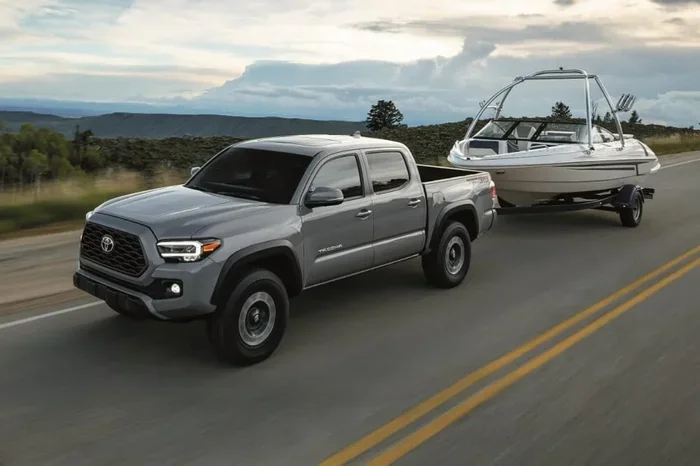
Many 4Runner owners use their trucks to tow boats. Small aluminum fishing boats and jet ski trailers fall well within the towing capacity. A typical aluminum fishing boat with a trailer weighs between 1,500 and 3,000 pounds.
Make sure you use the correct hitch and wiring setup for boat trailers. Boat trailers require specific lighting and braking systems depending on their weight. Always double-check your setup before heading to the lake.
ATVs and UTVs
All-terrain vehicles and utility task vehicles are popular items to tow with a 4Runner. A single ATV or UTV with a trailer typically weighs between 1,000 and 2,500 pounds. This is well within the 4Runner’s towing range.
Make sure the trailer is properly secured and balanced. ATV trailers can shift weight during transport, so use tie-downs and straps to keep everything stable.
Expert Tips for Maximizing Your 4Runner’s Towing Ability
Want to get the most out of your 4Runner’s towing capability? Here are expert tips that make a real difference.
Install a Transmission Cooler
Towing generates extra heat in the transmission. A transmission cooler helps keep temperatures in check. This extends the life of your transmission and improves towing performance.
Some 4Runner models come with a factory transmission cooler. If yours does not, an aftermarket cooler is a worthwhile investment. It is especially helpful if you tow frequently or in hot climates.
Upgrade the Suspension
A heavy load can sag the rear suspension of your 4Runner. Upgrading to heavy-duty shocks or adding helper springs improves ride quality and stability. Your 4Runner will handle better and last longer.
Use the Right Gear
When towing uphill, use a lower gear to reduce strain on the engine. Downhill, use engine braking to control speed without overusing the brakes. This simple habit protects your vehicle and improves safety.
Modern 4Runner models may have a tow/haul mode on the transmission. Engage this mode when towing to optimize shift patterns and improve control.
Final Thoughts on the Toyota 4Runner Towing Capacity
The Toyota 4Runner is a capable and reliable towing machine. With a maximum towing capacity of 5,000 pounds, it handles a wide range of trailers and loads. Whether you are hauling a camper to the mountains or a boat to the lake, the 4Runner gets the job done.
Remember that towing capacity depends on your specific model year, setup, and configuration. Always consult your owner’s manual for the exact numbers. Follow all safety guidelines and never exceed the rated limits.
Proper setup, regular maintenance, and safe driving habits make all the difference. Take care of your 4Runner, and it will take care of your towing needs for years to come. Happy trails and safe travels.
Frequently Asked Questions
What is the maximum towing capacity of a Toyota 4Runner?
The Toyota 4Runner can tow up to 5,000 pounds when equipped with the proper towing package and hitch. The exact capacity varies by model year, drivetrain, and configuration. Always check your owner’s manual for the specific number for your vehicle.
Do I need a special hitch to tow with a 4Runner?
Yes, a Class IV hitch is recommended for towing near the maximum capacity. A Class III hitch works for lighter loads. The factory towing package includes the correct hitch and wiring harness for safe towing.
Can a Toyota 4Runner tow a travel trailer?
Yes, the 4Runner can tow small to medium travel trailers. Pop-up campers and lightweight trailers are ideal matches. Just make sure the total trailer weight stays within the 5,000-pound limit.
Does four-wheel drive affect towing capacity?
Four-wheel drive models typically have slightly lower towing limits than two-wheel drive models. This is due to the extra weight of the drivetrain components. However, four-wheel drive offers better traction for towing on rough terrain.
How do I know if my 4Runner is overloaded while towing?
Signs of an overloaded 4Runner include sagging rear suspension, difficulty steering, and reduced braking performance. You should also check your owner’s manual for the combined towing and payload limits. Never exceed either limit.
What maintenance is important for towing with a 4Runner?
Regular oil changes, brake inspections, transmission fluid checks, and coolant flushes are essential. Towing puts extra stress on these components. Staying on top of maintenance keeps your 4Runner safe and reliable for hauling.