How Long Does a Toyota Tacoma Last Compared to Others
The Toyota Tacoma is one of the most durable trucks on the road, often lasting 200,000 to 300,000 miles with proper care. This guide compares the Tacoma lifespan to other popular trucks and explains the key factors that influence longevity. You’ll learn how to extend your Tacoma’s life and avoid common mistakes that shorten it.
If you’ve ever wondered how long does a Toyota Tacoma last, you’re in the right place. The Tacoma is a legend in the pickup world. It’s known for its ruggedness, off-road capability, and surprising durability. Many truck buyers choose the Tacoma because they want a vehicle that will keep going for years. But just how many miles can you really expect? The answer depends on a mix of maintenance, driving style, and a bit of luck. In this guide, we’ll break down the real-world lifespan of the Tacoma, compare it to other trucks, and show you exactly how to get the most miles out of yours.
When people ask about Toyota Tacoma lifespan, they usually want a single number. The truth is, there’s no magic mileage. However, data from owners and mechanics gives us a clear picture. Most Tacomas will easily reach 200,000 miles. With careful ownership, 300,000 miles is very common. And a small but dedicated group of owners push their Tacomas past 400,000 miles. The Tacoma mileage record holders often share one thing in common: they never skipped a service. Whether you drive a 2005 PreRunner or a brand-new 2024 Hybrid, the basics of longevity stay the same.
The Tacoma reliability reputation isn’t just marketing hype. Toyota built the Tacoma with a focus on simplicity and strength. The 2.7-liter four-cylinder and the 3.5-liter V6 both have proven track records. The frame is boxed and robust. The suspension components are designed to handle heavy loads. Even the transmissions, whether a manual or an automatic, are built to endure. So when you ask how long does a Toyota Tacoma last, the engineering answers with a confident number. The real question is what you’ll do to help it reach that number.
Key Takeaways
- Average Tacoma lifespan: Most Tacomas last 200,000–300,000 miles, and many exceed 400,000 miles with excellent care.
- Maintenance is king: Regular oil changes, fluid flushes, and timing belt replacements dramatically extend life.
- Hybrid Tacoma adds a new factor: The i-FORCE MAX hybrid system has a battery that needs specific care to last the truck’s lifetime.
- Driving habits matter: Gentle acceleration, avoiding overloading, and proper warm-up routines reduce wear.
- Compared to the Camry: While a Toyota Camry can last 400,000 miles, the Tacoma faces tougher conditions but still achieves impressive longevity.
- You can push 500,000 miles: With dedicated upkeep, some owners make their Tacoma last 500,000 miles or more.
📑 Table of Contents
How Long Does a Toyota Tacoma Last on Average?
The average Tacoma owner can expect a lifespan of 200,000 to 300,000 miles. That translates to roughly 15 to 20 years of driving, assuming 12,000 to 15,000 miles per year. Of course, some Tacomas fall short, and others far exceed the average. The difference usually comes down to three things: maintenance, usage, and environment. A Tacoma that gets regular oil changes and lives in a warm, dry climate will easily outlive one that sits in a salty coastal town and never sees a wrench.
What the Data Shows
Reliability surveys from Consumer Reports and J.D. Power consistently rank the Tacoma above average for pickup trucks. The Toyota Tacoma lifespan data from these studies shows that the 200,000-mile mark is a realistic expectation for most owners. The 300,000-mile club is smaller but growing. Many owners report that their Tacomas start to need more frequent repairs after the 200,000-mile mark. Things like wheel bearings, ball joints, and exhaust components wear out. But the core engine and transmission often remain strong. With a Toyota Tacoma lifespan of 300,000 miles, you’re still looking at a solid resale value and a dependable daily driver.
Real-World Examples
Let’s look at a few real-world cases. One Tacoma owner shared that his 2007 V6 crossed 350,000 miles with only a water pump and a set of brakes replaced. Another owner of a 2015 Tacoma reported 280,000 miles with no major engine work. These stories are common in Tacoma forums. The takeaway is clear: the Tacoma is built to last. The Tacoma mileage isn’t just a number—it’s a reflection of how well the truck was treated. If you maintain it, it will reward you with years of service.
Factors That Affect Tacoma Lifespan
Not every Tacoma ages the same way. Several factors determine whether your truck will hit 200,000 miles or 400,000 miles. Understanding these factors helps you take control of your truck’s destiny.
Maintenance and Service Intervals
This is the single biggest factor. Tacoma maintenance isn’t complicated, but it must be consistent. Oil changes every 5,000 to 7,500 miles keep the engine clean. Coolant flushes prevent overheating. Transmission fluid changes protect the gears. The Tacoma service intervals are listed in the owner’s manual, and following them is the best investment you’ll ever make. Skipping a $50 oil change can lead to a $5,000 engine rebuild. The math is simple.
Driving Habits and Load Management
How you drive affects longevity. Aggressive acceleration and hard braking wear out brakes, clutches, and engine components. Towing beyond the payload capacity strains the frame, suspension, and transmission. The Tacoma is a capable workhorse, but it has limits. If you haul heavy loads regularly, you need to be extra diligent with maintenance. Gentle acceleration, smooth braking, and respecting the truck’s limits will add thousands of miles to its life.
Climate and Environmental Exposure
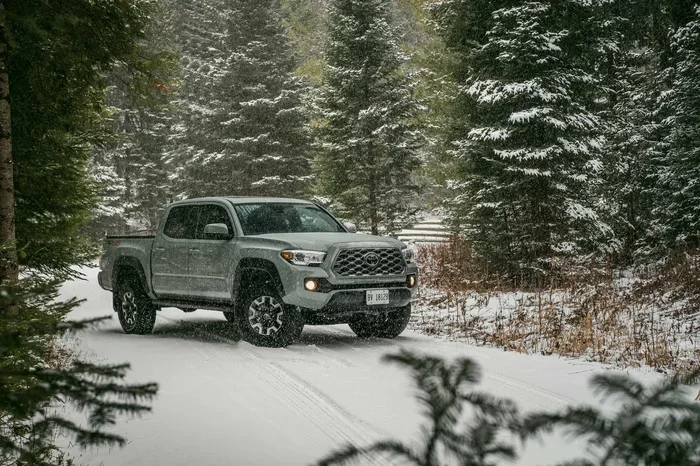
Where you live matters. Tacomas in cold, snowy climates face road salt and moisture. Those in coastal areas deal with salt air. Both can accelerate rust and corrosion. The Tacoma frame is sturdy, but it’s not immune to rust. Regular washing, especially undercarriage rinses in winter, can make a big difference. A Tacoma that spends its life in a dry, warm garage will always outlive one left outside in a harsh environment.
Modifications and Aftermarket Parts
Lift kits, larger tires, and aftermarket exhausts can change the dynamics of your Tacoma. Some modifications are harmless; others can shorten the truck’s life. For example, a poorly tuned lift can ruin the CV joints and wheel bearings. An aftermarket exhaust that isn’t properly installed can leak exhaust fumes into the cabin. If you modify your Tacoma, stick to reputable brands and have the work done by professionals. The goal is to enhance the truck without compromising its durability.
Tacoma vs. Other Toyota Trucks and Competitors
People love to compare trucks. The Tacoma is often pitted against the Toyota Camry, the Ford Ranger, and the Chevy Colorado. Each vehicle has its strengths. Let’s see how the Tacoma stacks up in terms of longevity.
Tacoma vs. Toyota Camry
The Camry is a sedan, not a truck, but its reliability is legendary. A Toyota Camry lasting 400,000 miles is not unusual. The Camry benefits from a lower curb weight and less exposure to harsh road conditions. The Tacoma, by contrast, faces the elements, carries heavy loads, and endures rough roads. Despite these tougher conditions, the Tacoma still achieves impressive mileage. While the Camry might reach 400,000 miles more easily, the Tacoma can get to 300,000 miles with far more work done on it. Both are excellent choices, but they serve different needs.
Tacoma vs. Ford Ranger and Chevy Colorado
The Ranger and Colorado are mid-size trucks like the Tacoma. The Ranger has a solid reputation, but its lifespan often falls a bit short of the Tacoma’s. The Colorado, especially the older models with the 3.6L V6, has had some transmission issues that can limit its longevity. The Tacoma’s 4WD system and robust frame give it an edge in durability. When you compare the Toyota Tacoma lifespan to these competitors, the Tacoma usually comes out on top in long-term reliability.
| Truck | Average Lifespan | Common Issues | Maintenance Cost |
|---|---|---|---|
| Toyota Tacoma | 200,000–300,000 miles | Rust, wheel bearings, exhaust | Moderate |
| Toyota Camry | 300,000–400,000 miles | Oil consumption, transmission | Low to Moderate |
| Ford Ranger | 150,000–250,000 miles | Transmission, ignition coil | Moderate |
| Chevy Colorado | 150,000–250,000 miles | Transmission, fuel pump | Moderate |
This table shows that the Tacoma holds its own against sedans and other trucks. The Tacoma reliability is evident in its consistent ranking among the most trusted vehicles.
Common Issues That Shorten Tacoma Life
Every truck has its weak points. The Tacoma is no exception. Knowing these issues helps you catch them early and avoid costly repairs.
Rust and Frame Corrosion
Rust is the silent killer of many Tacomas. The frame, rockers, and wheel wells are vulnerable. In northern states, road salt accelerates rust. Even in southern states, salt air from the ocean can cause corrosion. Regular washing, especially the undercarriage, is essential. Applying a rust inhibitor or undercoating can add years to the frame’s life. A rusted frame can compromise the entire truck’s safety and longevity. If you live in a cold climate, consider a professional undercoating service before winter sets in.
Transmission and Drivetrain Wear
The Tacoma’s automatic transmission is generally reliable, but it’s not indestructible. Towing heavy loads without proper cooling can overheat the transmission. The 6-speed automatic in older models has had some issues with the torque converter. Manual transmissions are simpler but require clutch replacement over time. The drivetrain, including the transfer case and front axle, also needs attention. Regular fluid changes and avoiding overdrive on steep inclines will protect these components. A well-maintained drivetrain ensures smooth power delivery for hundreds of thousands of miles.
Engine and Cooling System Problems
The 3.5L V6 is a strong engine, but it’s not immune to problems. Oil consumption can increase after 150,000 miles. The water pump and thermostat are common failure points. The cooling system must be kept in top shape to prevent overheating. Overheating even once can cause permanent engine damage. Flush the coolant according to the schedule, and watch for leaks under the truck. Using the correct coolant type is also important. Toyota specifies a specific mixture, and mixing incompatible coolants can lead to corrosion.
Suspension and Steering Components
The Tacoma’s suspension is designed for off-road abuse, but components wear out. Ball joints, tie rods, and control arm bushings are common wear items. Symptoms include clunking noises, wandering steering, and uneven tire wear. Replacing these parts promptly prevents further damage to the steering and suspension systems. A well-maintained suspension also improves fuel economy and safety. Don’t ignore a clunk when you go over bumps—it’s often the first sign of a worn ball joint.
Maintenance Schedule for Maximum Longevity
A proper maintenance schedule is the backbone of a long-lasting Tacoma. Here’s a practical guide to keep your truck running strong for years to come.
Oil Change and Fluid Checks
Change the oil every 5,000 to 7,500 miles with quality synthetic or conventional oil. Check the coolant level monthly. Flush the coolant every 60,000 miles. Transmission fluid should be changed every 60,000 to 80,000 miles. Brake fluid needs flushing every 2 years. Differential fluid should be changed every 30,000 miles for 4WD models. These intervals might seem frequent, but they’re cheap insurance against major repairs.
- Engine Oil: Synthetic blend or full synthetic, every 5,000–7,500 miles.
- Coolant: Flush every 60,000 miles.
- Transmission Fluid: Change every 60,000–80,000 miles.
- Brake Fluid: Flush every 2 years.
- Differential Fluid: Every 30,000 miles (4WD models).
Timing Belt and Spark Plugs
On older Tacomas with the 2.7L engine, the timing belt is a critical item. Replace it at 100,000 miles. The 3.5L V6 uses a chain, which is more durable but still needs inspection. Spark plugs should be replaced every 60,000 to 100,000 miles depending on the type. Fresh spark plugs improve fuel economy and engine smoothness. Always use genuine Toyota parts or high-quality equivalents. Aftermarket timing belts can be unreliable, and a failure leads to catastrophic engine damage. The 2.7L engine’s timing belt is a known weak point, so don’t cheap out on this replacement.
Hybrid Battery Maintenance
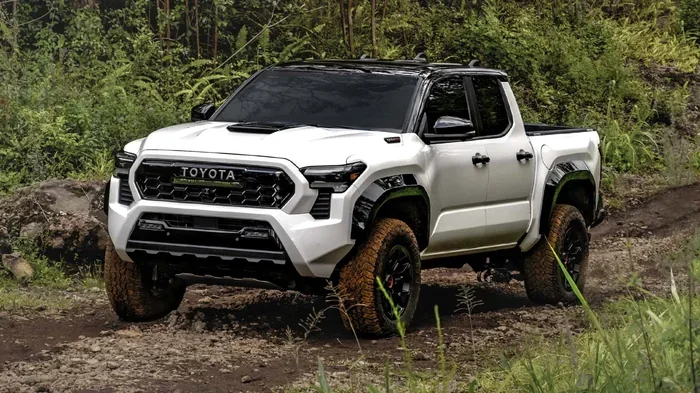
The 2024 Tacoma Hybrid introduces the i-FORCE MAX system. The hybrid battery adds a new layer of complexity. To keep the hybrid system healthy, avoid constantly depleting the battery to zero. Regenerative braking helps, but you should also allow the battery to charge through normal driving. If you notice a drop in fuel economy or a warning light, have the battery checked immediately. Learning how to keep your hybrid battery healthy is essential for Tacoma Hybrid owners. A healthy battery ensures the system operates efficiently for the life of the truck.
Tire and Brake Care
Rotate your tires every 5,000 to 7,500 miles. Check alignment annually. Worn tires reduce fuel economy and safety. Brake pads should be inspected every 15,000 miles. The Tacoma’s brake system is robust, but aggressive driving wears pads faster. Use quality brake fluid and bleed the system every 2 years.
How to Make Your Tacoma Last Longer
Beyond the standard maintenance schedule, a few extra habits can push your Tacoma well past the average lifespan.
Daily Habits That Add Miles
Warm up the engine for 30 seconds before driving gently. Avoid revving the engine cold. Let the oil circulate. Don’t overload the truck beyond its payload rating. Drive smoothly. These small habits reduce stress on the engine, transmission, and suspension. Over 200,000 miles, they add up to significant savings in repairs.
- Warm up the engine for 30 seconds before driving.
- Avoid revving the engine when it’s cold.
- Let the oil circulate fully before hard acceleration.
- Respect the payload and towing limits.
- Drive smoothly and avoid sudden stops.
Storage and Winter Care
If you live in a cold climate, store the Tacoma in a garage when possible. If it must sit outside, use a quality car cover and wash it regularly. Road salt is a relentless enemy. Undercarriage rinses at a car wash every two weeks during winter can prevent rust. A Tacoma that’s stored properly will have a longer Toyota Tacoma lifespan than one left to the elements.
When to Seek Professional Help
Don’t ignore warning lights. A check-engine light can indicate anything from a loose gas cap to a failing catalytic converter. Address issues early. A small repair today prevents a large repair tomorrow. If you’re not comfortable with DIY work, find a trusted mechanic who knows Toyotas. The Tacoma is a simple truck, and most repairs are straightforward. But they must be done correctly.
If you’re looking for broader advice on making any vehicle last longer, check out this guide on how to make your car last 500,000 miles. The principles apply directly to the Tacoma and can help you set a plan for long-term ownership.
Key Takeaways
- Daily habits matter: Gentle warm-ups and smooth driving add thousands of miles to your Tacoma’s life.
- Storage is key: Keeping your Tacoma out of harsh winter elements prevents rust and preserves the frame.
- Don’t ignore warning signs: A small repair today prevents a major breakdown tomorrow.
So, how long does a Toyota Tacoma last? The answer is in your hands. With consistent maintenance, smart driving habits, and a little extra care, your Tacoma can easily reach 300,000 miles. And for the dedicated few, 400,000 miles is a realistic goal. The Tacoma is built to endure. It’s up to you to give it the care it deserves.
Final Thoughts on Tacoma Longevity
The Toyota Tacoma is more than a pickup; it’s a long-term investment. Its reliability, simplicity, and ruggedness make it a standout in the competitive truck market. Whether you use it for work, play, or both, the Tacoma will reward you with years of dependable service. Follow the maintenance schedule, drive with care, and your Tacoma will be on the road for decades. The Tacoma mileage you achieve is a direct reflection of the love and attention you give it. Start today, and your future self will thank you. The Tacoma’s simplicity is its strength. There are fewer electronic gadgets to fail, fewer complex systems to worry about, and more solid mechanical parts that can be rebuilt. That’s why how long does a Toyota Tacoma last is a question with an encouraging answer.
Frequently Asked Questions
What is the average lifespan of a Toyota Tacoma?
Most Toyota Tacomas last between 200,000 and 300,000 miles. With proper maintenance, many owners push their Tacomas past 400,000 miles. The key is consistent care and avoiding abuse.
How many miles can a Toyota Tacoma engine last?
The Tacoma’s engine, whether the 2.7L four-cylinder or the 3.5L V6, can easily last 250,000 to 300,000 miles. Regular oil changes and prompt attention to any leaks are the best ways to protect the engine.
Does the Tacoma Hybrid have a shorter lifespan?
No, the Tacoma Hybrid is designed for the same longevity as the standard model. The hybrid battery adds complexity, but with proper care, it can last the life of the truck. Following the hybrid battery maintenance tips will ensure the system remains reliable for hundreds of thousands of miles.
What is the most common reason Tacomas fail early?
The most common reason is neglect. Skipping oil changes, ignoring rust, and towing beyond capacity all shorten the Tacoma’s life. Simple, consistent maintenance prevents most early failures.
How does the Tacoma compare to the Toyota Camry in terms of longevity?
The Camry often reaches 400,000 miles because it faces less harsh conditions than a truck. The Tacoma’s lifespan is shorter on average due to its work duties, but it still achieves impressive mileage with proper care. Both are excellent long-term vehicles.
Can a Tacoma last 500,000 miles?
Yes, a Tacoma can last 500,000 miles, but it requires exceptional care. Owners who follow a strict maintenance schedule, avoid overloading, and address issues early are the ones who reach this milestone. It’s rare but absolutely achievable.
=== CONCLUSION ===
The Toyota Tacoma is a truck that rewards its owners with decades of service. The Toyota Tacoma lifespan is typically 200,000 to 300,000 miles, and many examples exceed 400,000 miles. By following a consistent maintenance schedule, driving with care, and addressing small issues before they become big ones, you can help your Tacoma reach its full potential. The Tacoma reliability and Tacoma durability are well-documented. Whether you’re buying your first Tacoma or keeping one for the long haul, the information in this guide will help you make the right decisions. Remember, how long does a Toyota Tacoma last is largely up to you. Give it the attention it deserves, and it will keep you moving for years to come.