Car Glass Sun Protection Film Your Ultimate Heat Shield
Car glass sun protection film is one of the simplest and most effective upgrades you can make to your vehicle. It blocks harmful UV rays, reduces interior heat, and keeps your car cooler during the hottest days. This guide covers everything from types and benefits to installation tips and top mistakes to avoid. Whether you drive a sedan or an SUV, you will find practical advice to help you choose the best car glass sun protection film for your needs.
Driving in a scorching hot car is nobody’s idea of fun. The steering wheel burns your hands, the dashboard cracks under the sun, and the glare makes it nearly impossible to see the road. Car glass sun protection film solves all of these problems and more. It is a thin, transparent layer applied directly to your car windows that blocks solar heat and harmful ultraviolet rays. In this guide, we will walk you through everything you need to know about car glass sun protection film. From understanding how it works to choosing the right type and avoiding common mistakes, you will find all the answers here.
If you have ever parked your car under direct sunlight and returned to an oven-like interior, you already know why solar protection matters. Car glass sun protection film acts as a shield that rejects heat and UV radiation before they enter your cabin. The result is a cooler, safer, and more comfortable driving experience year-round. Let us dive into the details and help you make the best decision for your vehicle.
Key Takeaways
- Blocks up to 99% of UV rays: protecting your skin and preventing interior fading.
- Reduces cabin temperature significantly: making your drive more comfortable in summer.
- Multiple film types available: from dyed and metalized to nano-ceramic options.
- Easy DIY or professional installation: with the right tools and patience.
- Extends the life of your car interior: by shielding the dashboard, seats, and trim.
- Check local tint laws: before purchasing to ensure compliance.
- Regular maintenance keeps it looking great: with simple cleaning habits.
📑 Table of Contents
- What Is Car Glass Sun Protection Film?
- How Does Car Glass Sun Protection Film Work?
- Key Benefits of Installing Car Glass Sun Protection Film
- Types of Car Glass Sun Protection Film Available
- How to Choose the Right Car Glass Sun Protection Film
- Installation Tips and Common Mistakes to Avoid
- Maintenance and Care for Your Car Glass Sun Protection Film
- Conclusion
What Is Car Glass Sun Protection Film?
Car glass sun protection film is a multi-layered polyester film designed to attach to the interior or exterior surface of your car windows. It uses advanced technology to filter out solar energy, including infrared heat and ultraviolet radiation, while still allowing natural light to pass through. Think of it as a sunscreen for your car, but one that stays put and lasts for years.
The film typically consists of several layers. These include an adhesive layer that bonds to the glass, a UV-blocking layer, a heat-rejecting layer, and a scratch-resistant outer coating. Together, these layers create a powerful barrier against the sun’s harmful effects. The best part is that most window film options are nearly invisible, so your car’s appearance stays exactly the same.
How Does It Differ from Regular Window Tint?
People often use the terms “window tint” and “sun protection film” interchangeably, but there are subtle differences. Traditional window tint is usually darker and focuses mainly on privacy and aesthetics. Car glass sun protection film, on the other hand, prioritizes thermal and UV protection. Some films are designed to reject heat without darkening the glass at all. This makes them ideal for drivers who want maximum protection without sacrificing visibility.
How Does Car Glass Sun Protection Film Work?
The science behind car glass sun protection film is fascinating yet straightforward. Solar energy reaches your car in three main forms: ultraviolet light, infrared radiation, and visible light. Each of these contributes to the heat buildup inside your vehicle. The film works by selectively absorbing or reflecting specific wavelengths of solar energy.
Most high-quality films use nano-ceramic or metallic particles embedded within the polyester layers. These particles target infrared heat and UV rays specifically, blocking them from passing through the glass. At the same time, they allow visible light to enter, keeping your car bright and welcoming. This selective filtering is what makes solar protection so effective compared to simply rolling down the windows or using a dashboard sunshade.
The Role of Infrared Heat Rejection
Infrared radiation is the primary source of heat you feel when you sit inside a hot car. Car glass sun protection film with high infrared rejection ratings can block up to 97 percent of this radiation. This means the interior temperature stays significantly lower, even on the hottest days. For drivers in sunny climates, this feature alone can transform every commute into a more pleasant experience.
UV Protection and Health Benefits
Ultraviolet rays are invisible but dangerous. Prolonged exposure to UV radiation can cause skin damage, premature aging, and even increase the risk of skin cancer. Your car windows, especially the side and rear windows, offer limited natural UV protection. Applying car glass sun protection film blocks up to 99 percent of UV-A and UV-B rays. This is especially important for drivers who spend long hours on the road or for families with young children and pets.
Key Benefits of Installing Car Glass Sun Protection Film
The advantages of installing car glass sun protection film go far beyond just staying cool. Here is a detailed look at why this simple upgrade is worth every penny.
1. Reduces Interior Heat and Improves Comfort
The most immediate benefit you will notice is the drop in cabin temperature. Without film, a car’s interior can reach 150 degrees Fahrenheit or more on a hot day. With quality heat rejection film, that temperature can drop by 30 to 50 percent. You step into a cooler car, your air conditioning works less, and your fuel efficiency improves slightly because the AC does not have to work as hard.
2. Protects Your Car Interior from Fading
UV rays are one of the biggest enemies of your car’s interior. Over time, they cause the dashboard to crack, the seats to fade, and the steering wheel to deteriorate. Car glass sun protection film blocks the UV radiation responsible for this damage. Your leather seats stay rich in color, your plastic trim stays flexible, and your carpet remains vibrant for years longer.
3. Reduces Glare for Safer Driving
Sun glare is a leading cause of temporary blindness while driving. It can be especially dangerous during sunrise and sunset. Glare reduction is one of the key features of quality sun protection film. By filtering harsh light, the film helps you maintain clear visibility, reducing eye strain and improving overall safety on the road.
4. Adds Privacy and Security
While the primary purpose of automotive tint is solar protection, many films also enhance privacy. darker options make it harder for people outside to see into your car. This adds a layer of security for valuables you may need to leave inside the vehicle. However, always check your local laws regarding tint darkness before choosing a privacy-focused film.
5. Protects Your Skin and Health
Many drivers do not realize that the UV exposure they receive inside a car can be significant. Side and rear windows typically block only a fraction of UV rays. Applying car glass sun protection film to all windows ensures comprehensive protection for your skin. This is especially beneficial for professional drivers, rideshare operators, and anyone who spends extended time behind the wheel.
Types of Car Glass Sun Protection Film Available
Not all sun protection films are created equal. Understanding the different types available helps you make an informed decision based on your budget, preferences, and needs.
Dyed Window Film
Dyed film is the most affordable option available. It uses layers of dye to absorb solar energy and reduce heat. While it offers decent UV protection and glare reduction, dyed film tends to fade over time. It also provides the least amount of thermal insulation compared to other options. This type works well for budget-conscious drivers who want basic sun protection.
Metalized Window Film
Metalized film contains tiny metallic particles that reflect heat away from the car. It offers excellent heat rejection and is more durable than dyed film. The metallic layer also adds strength to the glass, making it more shatter-resistant. However, metalized film can interfere with GPS signals and mobile phone reception. It may also give the glass a slightly mirrored appearance, which some drivers find less appealing.
Carbon Window Film
Carbon film offers a matte black finish that looks sleek and modern. It does not contain metal, so it does not interfere with electronic signals. Carbon film provides strong infrared heat rejection and does not fade over time. It is a popular choice among drivers who want a balance of performance and aesthetics without the premium price tag of ceramic options.
Nano-Ceramic Window Film
Nano-ceramic film represents the top tier of solar protection technology. It uses microscopic ceramic particles to block heat and UV rays without affecting visibility or signal reception. This type of film offers the highest level of heat rejection while remaining completely clear. It is also the most durable and long-lasting option available. If budget allows, nano-ceramic car glass sun protection film is the best investment you can make.
Comparison Table
- Dyed Film: Affordable, basic UV protection, fades over time, least heat rejection.
- Metalized Film: Great heat rejection, durable, may interfere with signals, mirrored look.
- Carbon Film: No signal interference, matte finish, strong heat rejection, no fading.
- Nano-Ceramic Film: Highest performance, completely clear, no signal issues, most expensive.
How to Choose the Right Car Glass Sun Protection Film
Choosing the right car glass sun protection film depends on several factors. Let us walk through the key considerations to help you narrow down your options.
1. Check Your Local Tint Laws
Before purchasing any film, research your state or country’s regulations on window tinting. Different regions have specific rules about how dark the film can be and which windows it can be applied to. Some areas also require a certain level of visible light transmission for front side windows. Violating these laws can result in fines or mandatory removal of the film.
2. Determine Your Primary Goal
Ask yourself what you want from the film. Is it primarily heat reduction, UV protection, glare control, or privacy? If heat is your main concern, look for films with high infrared rejection ratings. If UV protection is your priority, choose a film that blocks at least 99 percent of UV rays. Some films excel at multiple goals, so read product specifications carefully.
3. Consider Your Budget
Film prices vary widely based on type and quality. Dyed films can cost as little as $20 to $50 per roll for DIY installation. Professional installation of premium nano-ceramic film can range from $200 to $500 or more, depending on the vehicle size and the number of windows. Set a realistic budget and choose the best film within that range. Remember that investing in higher-quality solar protection often pays off through longer durability and better performance.
4. Decide Between DIY and Professional Installation
If you are handy and enjoy DIY projects, installing car glass sun protection film yourself can save you a significant amount of money. DIY kits come with all the tools you need, including squeegees, spray bottles, and installation fluid. However, professional installation ensures a bubble-free, perfect finish. Professionals also have experience handling tricky window shapes and curves.
5. Look for Warranty and Brand Reputation
Reputable brands offer warranties that cover fading, bubbling, and peeling. A good warranty gives you peace of mind and protects your investment. Research customer reviews and choose brands known for quality and customer service. Avoid unknown brands that offer suspiciously low prices, as the film quality and durability may be compromised.
Installation Tips and Common Mistakes to Avoid
Whether you install the film yourself or hire a professional, understanding the process helps you achieve the best results. Here are some essential tips and common pitfalls to watch out for.
Preparation Is Everything
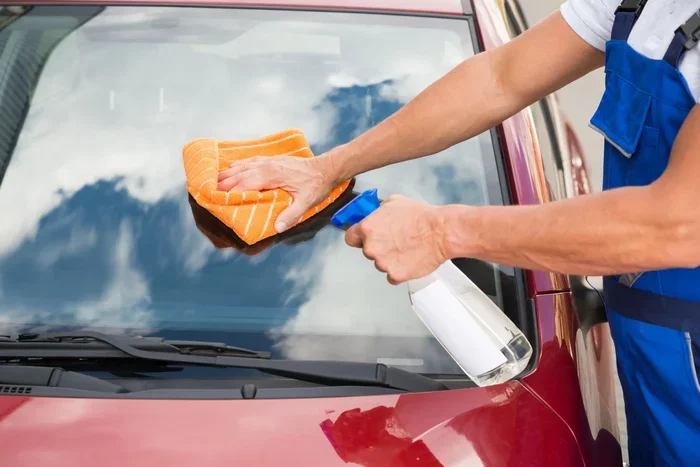
Before applying car glass sun protection film, thoroughly clean every window. Use a glass cleaner free of ammonia and residues. Any dust, grease, or dirt particles trapped under the film will create bubbles and imperfections. Work in a dust-free environment, preferably indoors or in a shaded area. Avoid installing the film in direct sunlight, as it dries too quickly and makes positioning difficult.
Cutting and Fitting the Film
Measure each window carefully and cut the film slightly larger than the glass. Use a utility knife and a straight edge for clean cuts. During application, spray the window and the film with installation solution, then carefully place the film onto the glass. Use a squeegee to push out air bubbles and excess liquid from the center outward. Take your time and do not rush this step.
Common Mistakes to Avoid
- Skipping window cleaning: Dirty glass leads to poor adhesion and bubbles.
- Rushing the installation: Hurrying causes misalignment and creases.
- Ignoring local laws: Non-compliant film may need to be removed.
- Choosing the wrong film type: Not all films suit every climate or need.
- Touching the film too soon: Let it cure for at least 72 hours before rolling down the windows.
Maintenance and Care for Your Car Glass Sun Protection Film
Once your car glass sun protection film is installed, proper maintenance ensures it lasts for many years. The good news is that caring for the film is simple and requires minimal effort.
Wait at least 72 hours after installation before rolling down the windows. This allows the adhesive to fully cure. During the first few weeks, avoid using any abrasive cleaners on the film. Stick to a soft microfiber cloth and a gentle, ammonia-free glass cleaner. Harsh chemicals can damage the film’s coating and reduce its effectiveness over time.
If you notice small bubbles forming in the first few weeks, do not panic. These are usually air pockets that will dissipate as the film cures fully. However, if bubbles persist after a month, you may need to reapply the affected section or consult a professional. Avoid using sharp objects or rough materials near the film, as scratches can compromise its appearance and performance.
Regular cleaning keeps the film looking clear and new. A quick wipe-down with a microfiber cloth during your regular car wash routine is usually sufficient. With proper care, quality car glass sun protection film can last 5 to 10 years or even longer, depending on the type and your local climate conditions.
Conclusion
Car glass sun protection film is one of the smartest upgrades you can make for your vehicle. It keeps your car cooler, protects your interior from sun damage, reduces glare for safer driving, and shields your skin from harmful UV rays. With so many types available, from budget-friendly dyed film to premium nano-ceramic options, there is a solution for every driver and every budget. By understanding your options, choosing the right film, and following proper installation and maintenance practices, you will enjoy the benefits of solar protection for years to come. Take the time to research your options, check your local regulations, and invest in a film that meets your needs. Your car, your health, and your comfort will thank you every time you get behind the wheel.
Frequently Asked Questions
What is the best type of car glass sun protection film?
Nano-ceramic film is widely considered the best option because it offers the highest heat rejection, blocks up to 99 percent of UV rays, and does not interfere with electronic signals. It is also the most durable and long-lasting choice available.
Can I install car glass sun protection film myself?
Yes, DIY installation is possible and can save you money. Most kits include all the tools and instructions you need. However, if you are not experienced with tinting, professional installation is recommended for a bubble-free, flawless finish.
How long does car glass sun protection film last?
With proper care, quality film lasts between 5 and 10 years. Dyed films may fade sooner, while nano-ceramic films can maintain their performance for the longest period. Regular cleaning and avoiding harsh chemicals help extend the lifespan significantly.
Does car glass sun protection film affect visibility?
Most modern films are designed to be nearly invisible and do not reduce visibility. Clear or lightly tinted options provide excellent protection without darkening your windows. Always check the visible light transmission rating to ensure it meets your driving needs and local laws.
Will car glass sun protection film bubble or peel over time?
High-quality films from reputable brands are engineered to resist bubbling and peeling. Proper installation and curing are key factors. Avoiding harsh cleaners and giving the film adequate time to set will minimize the risk of these issues.
Is car glass sun protection film legal everywhere?
Tint laws vary by region. Some areas restrict how dark the film can be on certain windows, while others have no specific regulations for sun protection films. Always check your local laws before purchasing or installing any window film to avoid fines or removal requirements.