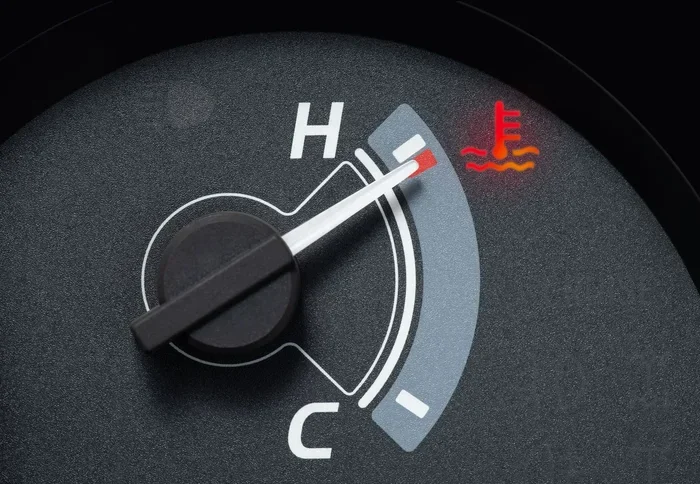
Can a Bad Temperature Sensor Cause Your Car to Overheat
Yes, a bad temperature sensor can absolutely cause your car to overheat. When the sensor fails, it sends wrong readings to your engine computer, which can mess up the cooling system. A faulty sensor may keep the cooling fans off or trick the thermostat into staying closed. This leads to dangerous engine temperatures and costly damage if you ignore it. Fixing the sensor early can save you from expensive overheating repair bills.
Your car has a lot of sensors working behind the scenes. One of the most important is the coolant temperature sensor. It watches your engine heat and tells the computer what to do. But what happens when that sensor goes bad? Can a bad temperature sensor cause your car to overheat? The short answer is yes. And if you have been wondering about this, you are in the right place.
Many drivers ignore warning signs until something serious happens. A failing temperature sensor might seem small. But it can throw your entire cooling system off balance. In this article, we will walk through exactly how this happens. You will learn the symptoms, the causes, and what you can do to fix it. We will also cover other reasons your car might overheat. By the end, you will know exactly what to look for and how to stay safe.
Let us start with the basics. Understanding what this sensor does is the first step. Once you know that, everything else makes more sense.
Key Takeaways
- A bad temperature sensor can cause overheating: It sends incorrect data to your engine computer, disrupting the cooling system.
- Warning signs are easy to spot: Check engine light, erratic temperature gauge, and poor fuel economy are red flags.
- Other causes matter too: Low coolant, a broken thermostat, or a failing water pump can also make your car overheat.
- Diagnosis is simple and affordable: A basic OBD2 scanner or mechanic visit can pinpoint the problem fast.
- Replacement is a quick fix: Most temperature sensor swaps take under an hour and cost between $50 and $250.
- Prevention keeps your engine healthy: Regular coolant checks and timely sensor maintenance go a long way.
- Ignoring the problem is risky: A bad sensor left unfixed can lead to blown head gaskets and engine failure.
📑 Table of Contents
- What Does a Temperature Sensor Do?
- Can a Bad Temperature Sensor Cause Your Car to Overheat?
- Signs Your Temperature Sensor Is Failing
- Other Common Causes of Car Overheating
- How to Diagnose a Faulty Temperature Sensor
- How to Fix and Prevent Temperature Sensor Problems
- Temperature Sensor Problems by Vehicle Type
- Cost of Ignoring a Bad Temperature Sensor
- Can You Drive with a Bad Temperature Sensor?
- Final Thoughts
What Does a Temperature Sensor Do?
The coolant temperature sensor goes by a few names. Some call it the coolant temperature sender unit. Others refer to it as the engine temperature sensor. No matter what you call it, the job is the same. It measures the heat of your engine coolant and sends that information to the engine control unit.
Your engine control unit uses this data to manage several things. It decides when to open the thermostat. It controls the cooling fans. It also adjusts the fuel mix based on engine heat. All of this happens in real time. So when the sensor gives bad readings, the whole system suffers.
How the Sensor Talks to Your Engine Computer
The sensor works like a messenger. It reads the coolant temperature and sends a signal to the ECU. The ECU then makes decisions based on that signal. If the engine is cold, it tells the system to warm up faster. If the engine is hot, it triggers the cooling fans and opens the thermostat.
But here is the problem. When the sensor goes bad, the readings become inaccurate. The ECU might think the engine is cool when it is actually boiling hot. Or it might think the engine is cold when it is running normally. Either way, the wrong actions get taken. And that can lead to real overheating problems.
Can a Bad Temperature Sensor Cause Your Car to Overheat?
This is the big question. And the answer is a clear yes. A bad temperature sensor can cause your car to overheat in several ways. Let us break them down so it is easy to understand.
Wrong Signals Keep Cooling Fans Off
One of the most common ways a bad sensor causes overheating is by keeping the cooling fans off. The ECU relies on the sensor to know when to turn the fans on. If the sensor says the engine is cool, the fans stay off. But if the engine is actually hot, this is a big problem.
Imagine driving on a hot day in heavy traffic. Your engine is working hard. The temperature is rising. But the fans never kick in because the sensor is giving wrong data. Within minutes, your engine can reach dangerous levels. This is one of the most common overheating scenarios linked to a bad sensor.
Thermostat Stays Closed
The thermostat opens and closes to let coolant flow through the engine. A bad sensor can trick the ECU into keeping the thermostat closed. When the thermostat stays closed, coolant does not circulate. The heat has nowhere to go. And your engine temperature climbs fast.
This is especially dangerous during long drives or in warm weather. The engine builds up heat with no way to release it. Soon, you are staring at a temperature gauge in the red zone.
Incorrect Fuel Mix Makes the Engine Run Hot
The sensor also affects your fuel mixture. If the ECU thinks the engine is colder than it really is, it will add too much fuel. A rich fuel mixture creates more heat. This extra heat adds to the overall engine temperature. Over time, this can contribute to overheating.
It is a chain reaction. One bad reading leads to a wrong fuel mix. The wrong fuel mix creates more heat. And more heat means a higher chance of engine overheating.
Signs Your Temperature Sensor Is Failing
Catching a bad sensor early can save you a lot of trouble. Here are the most common overheating symptoms to watch for.
Check Engine Light Comes On
The check engine light is your first clue. When the sensor sends strange readings, the ECU flags it. The light comes on to tell you something is wrong. Do not ignore this. A check engine light related to the temperature sensor is a clear sign to get it checked.
Temperature Gauge Acts Strangely
Your temperature gauge should move smoothly. If it jumps around or goes from normal to hot in seconds, the sensor might be failing. A stuck or erratic gauge is one of the most obvious overheating symptoms. Pay attention to it.
Cooling Fans Run All the Time
Sometimes a bad sensor keeps the fans running nonstop. The ECU thinks the engine is always hot. This drains your battery and wastes fuel. It also means the sensor is sending incorrect data. If your fans never turn off, get the sensor inspected.
Poor Fuel Economy
A failing sensor can mess up your fuel mix. When the ECU adds too much fuel, you burn more gas. If you notice your gas mileage dropping, a bad temperature sensor could be the reason.
Engine Runs Hot Without Visible Leaks
This one is tricky. You see the temperature rising, but there are no coolant leaks. No puddles under the car. No visible steam. In cases like this, a bad temperature sensor is often the culprit. The cooling system works fine mechanically, but the sensor is not telling the ECU to activate it properly.
Other Common Causes of Car Overheating
A bad sensor is not the only reason a car overheats. It is important to understand the full picture. Here are other common causes of engine overheating that you should know about.
Low Coolant Level
This is the number one cause of overheating. Coolant is the lifeblood of your cooling system. When the level drops too low, there is not enough fluid to absorb heat. Check your coolant reservoir regularly. Top it off with the right type of antifreeze. If you keep losing coolant, look for leaks in the radiator, hoses, or water pump.
Broken Thermostat
A thermostat that stays closed will block coolant flow. This causes rapid overheating. A thermostat that stays open can keep the engine too cold. Both are bad. If your thermostat is not working right, replace it quickly. Thermostat replacement is usually inexpensive and easy.
Failing Water Pump
The water pump pushes coolant through the engine. When it fails, coolant stops moving. Heat builds up fast. Signs of a bad water pump include leaks, whining noises, and overheating. This part does not last forever. Most water pumps need replacement after 60,000 to 100,000 miles.
Clogged Radiator
Your radiator releases heat from the coolant. When it gets clogged, heat cannot escape. Old coolant, dirt, and debris can cause blockages. A radiator flush every few years helps prevent this. If your radiator is clogged, it may need to be cleaned or replaced.
Broken Cooling Fan
The cooling fan pulls air through the radiator when you are sitting still. If the fan motor or fan relay fails, the engine overheats especially at low speeds or in traffic. A bad temperature sensor can also cause fan problems. So always check the sensor when diagnosing fan issues.
Blown Head Gasket
A blown head gasket is a serious problem. It lets combustion gases leak into the cooling system. This causes overheating and can ruin your engine if not fixed. Signs include white smoke from the exhaust, bubbling in the radiator, and oil that looks milky. If you suspect a head gasket issue, get to a mechanic right away.
How to Diagnose a Faulty Temperature Sensor
If you think your temperature sensor is bad, you have a few options. You can check it yourself or take it to a mechanic. Both approaches work well.
Use an OBD2 Scanner
An OBD2 scanner is a handy tool for any car owner. You plug it into the diagnostic port under your dashboard. It reads error codes from the ECU. Codes like P0115, P0116, or P0117 often point to a bad temperature sensor. These codes confirm that the sensor is sending incorrect data.
OBD2 scanners are affordable. You can buy a basic one for under $30. They are worth having in your garage. Even if you do not fix the problem yourself, the codes help your mechanic diagnose it faster.
Visual Inspection
Look at the sensor and its wiring. A damaged wire or corroded connector can cause bad readings. Sometimes the problem is not the sensor itself but the connection to it. Clean the connector and check for frayed wires. This simple step can solve many temperature sensor problems.
Test the Sensor with a Multimeter
If you are handy, you can test the sensor with a multimeter. The sensor’s resistance changes with temperature. When you heat it up, the resistance should drop. If the reading stays the same or acts erratic, the sensor is bad. This test takes only a few minutes and gives you a clear answer.
When to See a Mechanic
Not everyone wants to do their own diagnostics. That is perfectly fine. A trusted mechanic can test the sensor quickly. They have professional tools and years of experience. If you are not sure what is causing your overheating symptoms, a mechanic visit is the smartest move.
How to Fix and Prevent Temperature Sensor Problems
The good news is that fixing a bad temperature sensor is usually simple. And preventing future problems is easy too.
Sensor Replacement Steps
Replacing a temperature sensor is one of the easiest overheating repair jobs you can do. Here is what the process looks like.
- Let the engine cool completely before starting.
- Locate the temperature sensor. It is usually near the thermostat housing or on the engine block.
- Disconnect the electrical connector.
- Unscrew the old sensor with a wrench.
- Apply a thin layer of coolant to the new sensor gasket.
- Screw in the new sensor by hand first, then tighten with a wrench.
- Reconnect the electrical connector.
- Fill the coolant system if needed.
- Start the engine and check for leaks.
Most people can do this in under an hour. The part itself usually costs between $15 and $50. If you pay a mechanic, expect to pay $100 to $250 including labor.
Quick Tips to Prevent Overheating
- Check your coolant level every month.
- Flush and replace coolant every 30,000 miles.
- Inspect hoses and clamps for cracks or leaks.
- Listen for unusual noises from the water pump or cooling fan.
- Never ignore a rising temperature gauge.
- Keep the radiator clean and free of debris.
- Replace the temperature sensor every 100,000 miles as a precaution.
Expert Insight: Why Early Action Matters
Many drivers wait too long to address overheating issues. A bad temperature sensor is cheap and easy to replace. But the damage it can cause is expensive. A warped engine head, a blown head gasket, or a cracked engine block can cost thousands to repair. Catching the problem early saves you money and keeps your car running safely.
Think of the temperature sensor as your engine’s thermometer. You would not ignore a broken thermometer in your house. Do not ignore a broken one in your car either. A small fix now prevents a big headache later.
Temperature Sensor Problems by Vehicle Type
Some vehicles are more prone to temperature sensor issues than others. Older cars with higher mileage often have worn sensors. But even new cars can experience sensor failure. Here is what you should know based on your vehicle type.
Older cars with simple cooling systems often show clear symptoms when the sensor fails. The temperature gauge spikes suddenly. The cooling fans do not turn on. These cars are easy to diagnose because there are fewer electronic systems involved.
Modern cars with complex engine computers rely heavily on accurate sensor data. A bad sensor in a newer vehicle can cause strange symptoms. The engine might run rough. The fuel economy might drop. The check engine light might flash. Because these cars have so many sensors, a proper diagnosis with an OBD2 scanner is essential.
Trucks and SUVs that tow heavy loads put extra stress on the cooling system. The temperature sensor works harder in these conditions. If you regularly haul heavy cargo, check your sensor and coolant more often. Overheating while towing can cause serious engine damage in a short amount of time.
Cost of Ignoring a Bad Temperature Sensor
Some people put off fixing a bad sensor because they do not think it is a big deal. That is a mistake. Here is what can happen if you ignore the problem.
- Engine overheating: The most immediate risk. Overheating can warp engine parts and crack the head.
- Blown head gasket: Repair costs range from $1,000 to $2,000 or more.
- Cracked engine block: This can end the life of your engine. A full replacement costs $3,000 to $7,000.
- Damaged catalytic converter: Overheating can ruin this expensive emission component.
- Reduced engine life: Even minor overheating shortens the overall lifespan of your engine.
Compare that to the $50 to $250 it costs to replace a temperature sensor. The choice is clear. Fix the sensor early and save yourself thousands.
Can You Drive with a Bad Temperature Sensor?
The honest answer is you should not. A bad sensor gives your ECU bad information. Without correct data, your engine cannot manage its temperature properly. You might get lucky and drive for a while without problems. But one hot day in traffic could change everything. A sudden overheat on the highway is dangerous. It can leave you stranded. And it can cause severe engine damage.
If you must drive a short distance, keep an eye on the temperature gauge. Pull over immediately if the needle starts climbing. Turn the heat on full to help draw heat away from the engine. But the real fix is to replace the sensor as soon as possible.
Final Thoughts
So can a bad temperature sensor cause your car to overheat? Absolutely. It is one of the most overlooked causes of engine overheating. A failing sensor sends wrong data to your engine computer. That wrong data keeps cooling fans off, confuses the thermostat, and disrupts the fuel mix. The result is an engine that runs too hot and can suffer serious damage.
The good news is that this is an easy and affordable fix. A new temperature sensor costs very little. The repair takes under an hour for most vehicles. And catching the problem early keeps your engine healthy and your wallet happy.
Do not wait for the check engine light to become a check engine disaster. Pay attention to your temperature gauge. Watch for the warning signs we discussed. And if something feels off, get it checked. Your car will thank you. Your engine will last longer. And you will avoid the stress and cost of a major breakdown on the road.
Take care of your temperature sensor today. It is a small part that plays a huge role in keeping your car running right.
Frequently Asked Questions
What happens if you drive with a bad temperature sensor?
Driving with a bad temperature sensor is risky. The sensor sends wrong data to your engine computer. This can cause the cooling fans to stay off or the thermostat to stay closed. Your engine may overheat without warning. Over time, this can lead to serious and expensive engine damage.
How much does it cost to replace a temperature sensor?
The sensor part itself usually costs between $15 and $50. If you pay a mechanic for the repair, expect to pay $100 to $250 total. This includes parts and labor. It is one of the most affordable overheating repair jobs available.
Can a bad temperature sensor cause a check engine light?
Yes, a bad temperature sensor often triggers the check engine light. The engine control unit detects incorrect readings and flags the issue. Common error codes include P0115, P0116, and P0117. A simple OBD2 scan can confirm if the sensor is the problem.
How do I know if my temperature sensor or thermostat is the problem?
Both can cause similar overheating symptoms. A temperature sensor gives wrong readings to the computer. A bad thermostat physically blocks coolant flow. An OBD2 scanner can help identify sensor issues. A mechanic can test the thermostat by checking if it opens and closes properly.
Can a dirty coolant temperature sensor cause overheating?
Yes, a dirty or corroded sensor can give inaccurate readings. Dirt and grime on the sensor tip can change how it measures temperature. This can cause the engine to run hotter than it should. Cleaning the sensor or replacing it usually solves the problem.
How often should I replace my temperature sensor?
There is no set replacement schedule for temperature sensors. Most last 100,000 miles or more. However, checking the sensor during regular coolant flushes is a good idea. If you notice overheating symptoms, have the sensor tested right away. Early replacement prevents bigger problems.