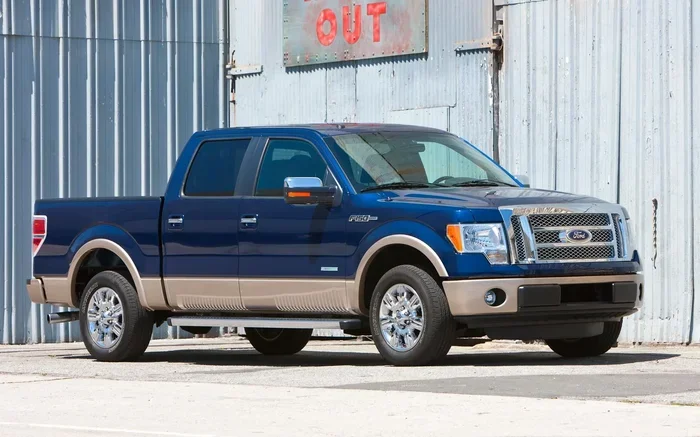
Are There Any Recalls on a 2011 Ford F-150 – Check Here
Yes, the 2011 Ford F-150 has had several recalls covering serious safety concerns like airbag malfunctions, brake system defects, and powertrain issues. The National Highway Traffic Safety Administration (NHTSA) has listed multiple safety campaigns that affect this popular truck. Checking your Vehicle Identification Number (VIN) is the fastest way to find out if your specific F-150 is affected. This guide walks you through every recall, what they mean, and exactly what steps to take next.
Owning a 2011 Ford F-150 comes with a lot of pride. This truck has been a workhorse on jobsites and a trusted family hauler for over a decade. But with age comes the question of safety. Are there any recalls on a 2011 Ford F-150? The short answer is yes. Several recalls have been issued for this model year, and knowing about them is essential for every owner.
Recalls are not something to take lightly. They exist because a manufacturer has identified a defect that could affect safety or performance. The 2011 F-150 is no exception. From airbag concerns to fuel system problems, Ford has issued multiple safety campaigns over the years. Understanding these recalls helps you stay safe and keep your truck running right.
This article covers every recall you need to know about. We will break down the major issues, explain how to check your truck, and tell you exactly what to do if your F-150 is affected. Whether you just bought a used 2011 F-150 or have owned one for years, this guide has the information you need.
Let us dive into the world of Ford F-150 recalls and make sure your truck is safe on the road.
Key Takeaways
- Multiple recalls exist for the 2011 Ford F-150: covering airbags, brakes, fuel systems, and powertrain components.
- Always check your VIN: this is the most accurate way to determine if your specific truck has an open recall.
- Recalls are free to repair: Ford dealerships must fix recall-related issues at no cost to the owner.
- Some recalls are more urgent than others: airbag and brake recalls should be addressed immediately for safety.
- Used truck buyers should always check recall history: a previous owner may not have completed all recall repairs.
- Register your vehicle with Ford: this ensures you receive direct recall notifications.
- Visit NHTSA.gov regularly: the database is updated frequently with new recall information.
📑 Table of Contents
Understanding Ford F-150 Recalls
A recall happens when a manufacturer or the NHTSA finds a safety-related defect in a vehicle. This defect could affect how the truck drives, how it protects passengers, or how it performs under normal conditions. When a recall is issued, the manufacturer is legally required to fix the problem at no cost to the owner.
The 2011 Ford F-150 is part of the thirteenth generation of the F-Series. This generation ran from 2009 to 2014 and was hugely popular. With popularity comes more scrutiny, and the 2011 model year has had its share of recall campaigns. Understanding how recalls work is the first step toward staying informed.
How Recalls Are Issued
Recalls can be initiated in a few different ways. Sometimes Ford identifies the problem through internal testing. Other times, the NHTSA opens an investigation after receiving consumer complaints. Either way, the process follows a clear path.
- Defect identification: Ford or NHTSA discovers a safety-related issue.
- Investigation: The agency reviews data and may open a formal investigation.
- Recall announcement: Ford issues a recall notice and notifies affected owners.
- Repair campaign: Dealerships fix the issue for free using updated parts.
- Follow-up: NHTSA monitors the repair process to ensure completion.
Most recall notices come by mail to the registered owner. However, if you bought the truck used, the previous owner may not have updated the registration. This is why it is so important to check proactively.
Why Recalls Matter for Older Trucks
Some owners think recalls only apply to new vehicles. That is not true. A recall stays active until the repair is completed, no matter how old the truck is. A 2011 Ford F-150 can still have open recalls that need attention. Ignoring them can put you and your passengers at risk.
Older trucks also face additional challenges. Parts may be harder to find, and some dealerships may not be familiar with older recall campaigns. Being your own advocate is important. Keep records of any recall repairs completed and ask about any outstanding notices during service visits.
Major Recalls Affecting the 2011 Ford F-150
The 2011 Ford F-150 has been subject to several significant recalls. Each one addresses a specific safety concern. Let us go through the major ones so you know what to look for.
Airbag Inflator Recall
One of the most serious recalls for the 2011 F-150 involves the airbag inflator. Certain vehicles were equipped with inflators that could rupture upon deployment. This is a dangerous issue because metal fragments could be propelled into the cabin during a crash.
This recall was part of a broader campaign across many Ford models. The affected airbag inflators were manufactured by Takata, a company that faced massive scrutiny for defective products. Ford replaced the faulty inflators with safer alternatives at no cost to owners.
If your 2011 F-150 has not had the airbag inflator replaced, this should be your top priority. Airbags are a critical safety feature, and a malfunctioning inflator could mean the difference between a safe crash outcome and a serious injury.
Brake System Recall
Another important recall for the 2011 F-150 involves the brake system. In some trucks, the brake master cylinder could develop a leak over time. A leaking brake system reduces braking performance, which increases the risk of a collision.
This recall affected a specific batch of 2011 F-150 trucks produced during a certain time frame. Ford notified owners and provided free repairs at authorized dealerships. The fix involved replacing the faulty master cylinder with an updated part.
Brake issues are not something to delay. If you notice any sponginess in the brake pedal or a decrease in braking power, have your truck inspected immediately. Even if a recall has been completed, ongoing brake maintenance is essential for safety.
Fuel System Recall
The 2011 Ford F-150 also had a recall related to the fuel system. In certain conditions, the fuel tank could crack or leak, creating a fire hazard. This recall was particularly concerning because fuel leaks near hot engine components could lead to a vehicle fire.
Ford addressed this issue by reinforcing or replacing the affected fuel tank components. Owners received notification letters, and repairs were completed free of charge at Ford dealerships.
Fuel system recalls are serious business. If you own a 2011 F-150, make sure this recall has been addressed. A fuel leak is one of the most dangerous problems a vehicle can have, and it should never be ignored.
Powertrain and Transmission Recalls
Some 2011 F-150 trucks experienced issues with the transmission control module. In certain cases, the module could malfunction, causing the truck to shift unexpectedly or lose power. This type of powertrain issue can be dangerous, especially at highway speeds.
Ford issued a recall to update the software or replace the faulty transmission control module. This recall was not as widely publicized as the airbag or fuel system recalls, but it still affects a number of 2011 F-150 trucks.
Transmission problems can also develop over time without being part of a formal recall. Regular transmission service and prompt attention to any shifting irregularities can help prevent bigger issues down the road.
Other Notable Recalls
Beyond the major recalls listed above, the 2011 F-150 has had several other smaller recall campaigns. These include issues with:
- Seat belt pretensioners: These devices tighten seat belts during a crash. Some pretensioners in the 2011 F-150 did not deploy correctly.
- Rear suspension: Certain trucks experienced issues with rear suspension components that could affect handling and stability.
- Electrical system: Wiring harness problems in some trucks could cause intermittent electrical failures or even short circuits.
- Exhaust system: In rare cases, exhaust components could loosen and create a fire risk near the undercarriage.
Each of these recalls was addressed by Ford through free repairs. The key is knowing which ones apply to your specific truck.
How to Check if Your 2011 F-150 Has an Open Recall
Now that you know what recalls exist, the next step is checking your specific truck. Every 2011 Ford F-150 has a unique Vehicle Identification Number, or VIN. This 17-character code is like a fingerprint for your vehicle. It tells you exactly which parts and options your truck was built with, and it is the key to checking for open recalls.
Where to Find Your VIN
Your VIN is located in several places on your truck. The most common spots include:
- Dashboard: Look through the windshield on the driver’s side. The VIN is printed on a sticker near the bottom of the dashboard.
- Driver’s door jamb: Open the driver’s door and look for a sticker on the door frame. This sticker lists the VIN along with tire pressure and other important details.
- Vehicle title and registration: Your VIN is printed on all ownership documents.
- Insurance documents: Your auto insurance card or policy also lists your VIN.
Using NHTSA’s Recall Lookup Tool
The easiest way to check for recalls is through the NHTSA website. NHTSA.gov has a free recall lookup tool that anyone can use. Simply enter your VIN, and the tool will show you any open or completed recalls for your specific vehicle.
Here is how to use the tool:
- Go to NHTSA.gov/recalls.
- Type your 17-character VIN into the search bar.
- Click the search button.
- Review the results for any open or completed recalls.
- Make a note of any open recalls and schedule a repair appointment.
The NHTSA database is updated regularly, so it is worth checking every few months. New recalls are issued frequently, and staying current keeps you and your family safe.
Checking Through Ford’s Website
You can also check for recalls directly through Ford’s website. Ford has its own recall lookup tool that uses your VIN to pull up any relevant campaigns. This is a great second option if you want to cross-reference the NHTSA results.
Ford’s recall page also provides information about the repair process. It tells you what parts will be used, how long the repair takes, and which Ford dealership can handle the work.
What If You Bought the Truck Used?
If you bought your 2011 F-150 used, there is an extra step you should take. Ask the previous owner if all recall repairs were completed. You can also request a vehicle history report from services like Carfax or AutoCheck. These reports sometimes include recall information.
However, the most reliable method is always the VIN lookup. A vehicle history report may not capture every recall, but the NHTSA database will show you exactly what is outstanding for your specific truck.
What to Do If Your F-150 Is Under Recall
Finding out your truck has an open recall can feel overwhelming. But the process is actually straightforward. Ford is required by law to fix recall issues for free, and there are clear steps you can follow to get the repair done quickly.
Contact Your Local Ford Dealership
The first step is to call your nearest Ford dealership. Let them know your VIN and that you have an open recall. They will look up the recall in their system and schedule a repair appointment for you.
Most recall repairs are completed in a single visit. Some simple fixes, like a software update, may take less than an hour. More complex repairs, like an airbag inflator replacement, could take a few hours or require a parts order.
What to Expect During the Repair Process
Here is what typically happens when you bring your F-150 in for a recall repair:
- Check-in: The service advisor verifies your VIN and confirms the open recall.
- Inspection: Technicians inspect the affected component to confirm the defect.
- Repair: The faulty part is replaced or updated with the correct fix.
- Testing: The repair is tested to ensure it works correctly.
- Documentation: You receive paperwork confirming the recall repair was completed.
Keep all recall repair documentation in a safe place. This proves the work was done and can be helpful if you ever sell the truck or have a dispute about the repair.
What If the Dealership Says the Recall Is Not Applicable
Sometimes a dealership may tell you that a recall does not apply to your truck. This can happen if they use the wrong VIN or if the recall was limited to a specific production batch. If this happens, do not just accept it. Ask them to double-check using the correct VIN.
You can also contact Ford customer service directly. Ford has a recall hotline that owners can call to verify recall status. If the dealership and Ford both say there is no recall, but you still have concerns, you can file a complaint with the NHTSA. They can investigate further and determine if a recall should be issued.
Can You Drive Your Truck While a Recall Is Open?
In most cases, yes, you can drive your 2011 F-150 while a recall is open. However, this depends on the nature of the recall. For serious safety recalls like airbag inflator issues or fuel system leaks, it is best to avoid driving the truck until the repair is completed.
Use common sense. If the recall involves a safety-critical system, get it fixed as soon as possible. If it is a minor issue, like a software update, you can usually continue driving while scheduling the repair.
Common 2011 Ford F-150 Problems Beyond Recalls
Recalls are not the only issues that affect the 2011 F-150. There are also common problems that owners report even when no formal recall has been issued. Being aware of these issues helps you stay ahead of potential trouble.
Transmission Shifting Issues
Many 2011 F-150 owners report rough or delayed shifting. This is especially common when the truck is cold or under heavy load. While not always tied to a recall, transmission problems can be frustrating and potentially dangerous if left unaddressed.
Regular transmission fluid changes can help prevent shifting issues. If you notice any unusual behavior, have a qualified technician inspect the transmission before the problem worsens.
Rust and Corrosion
The 2011 F-150 is now over a decade old, and rust is a common concern. Trucks that have been driven in snowy or coastal areas are especially prone to corrosion. Regular washing, especially undercarriage rinses, can help prevent rust from developing.
If you notice rust forming on critical structural components, have it addressed promptly. Rust can weaken the truck’s frame and compromise safety over time.
Electrical Gremlins
Older trucks sometimes develop electrical issues. The 2011 F-150 is no exception. Common electrical complaints include flickering lights, power window malfunctions, and intermittent gauge failures. These issues are usually not safety-critical, but they can be annoying and may indicate a deeper wiring problem.
Keeping your truck’s electrical system well-maintained and addressing small issues early can prevent bigger problems from developing.
Keeping Your 2011 F-150 Safe on the Road
Safety should always come first when owning any vehicle. The 2011 Ford F-150 is a capable and reliable truck, but it needs regular attention to stay safe. Here are some practical tips for keeping your F-150 in top shape.
Stay Up to Date on Recalls
Make it a habit to check for recalls at least twice a year. Set a reminder on your phone or calendar. The NHTSA website makes this easy, and it only takes a few minutes. Staying informed is the best way to ensure your truck remains safe.
Keep Up with Regular Maintenance
Regular maintenance goes hand in hand with recall awareness. Follow Ford’s recommended maintenance schedule for your 2011 F-150. This includes oil changes, brake inspections, tire rotations, and fluid checks. Well-maintained trucks are safer trucks.
Register Your Vehicle with Ford
One step many owners forget is registering their vehicle with Ford. When you register, Ford can contact you directly about recalls and service campaigns. This is especially helpful if you have moved since purchasing the truck or if the previous owner did not update the registration.
You can register your vehicle on Ford’s website or by calling your local dealership. It is a simple step that pays off in peace of mind.
Join Online F-150 Communities
The F-150 community is active and passionate. Joining online forums or social media groups dedicated to the 2011 F-150 can help you stay informed about recalls, common problems, and recommended fixes. Other owners often share valuable experiences and tips that can help you stay ahead of issues.
Keep Records of All Repairs
Whether it is a recall repair or routine maintenance, keep detailed records. A well-documented service history adds value to your truck and gives you confidence when selling or trading in. It also helps you track which recalls have been completed and which ones might still be outstanding.
Frequently Asked Questions
How do I know if my 2011 Ford F-150 has an open recall?
The easiest way is to visit NHTSA.gov/recalls and enter your 17-character VIN. The tool will show you any open or completed recalls specific to your truck. You can also check Ford’s website or call your local dealership with your VIN for a quick lookup.
Are recall repairs free for a 2011 Ford F-150?
Yes, all recall repairs are free of charge to the vehicle owner, regardless of the truck’s age. Ford dealerships must fix recall-related issues at no cost. If a dealership tries to charge you, contact Ford customer service or the NHTSA to report the issue.
How long does a recall repair take for the 2011 F-150?
The repair time varies depending on the specific recall. Simple fixes like software updates may take less than an hour. More complex repairs, such as airbag inflator replacements or fuel system work, could take several hours. The dealership can give you an estimated time frame when you schedule the appointment.
Can I sell my 2011 F-150 if it has an open recall?
Yes, you can sell a truck with an open recall. However, it is a good idea to have the recall repair completed before selling. Buyers will often check for open recalls, and an unresolved recall could lower the truck’s value or make it harder to sell. Completing the repair first shows the buyer you have taken good care of the vehicle.
What happens if I ignore a recall on my 2011 F-150?
Ignoring a recall means you continue to drive a truck with a known safety defect. This puts you and your passengers at risk. Additionally, if you are ever involved in an accident, an unrepaired recall could complicate insurance claims or legal matters. It is always best to address recalls promptly.
Do I need to bring my 2011 F-150 back for a follow-up after a recall repair?
In most cases, no. The recall repair is completed in a single visit, and the dealership provides documentation confirming the work was done. However, if the recall involves a part that requires monitoring or a follow-up inspection, the dealership will let you know. Always keep your recall repair paperwork for your records.
Conclusion
The question “Are there any recalls on a 2011 Ford F-150” has a clear answer. Yes, there are multiple recalls affecting this model year, covering critical safety systems like airbags, brakes, fuel systems, and the powertrain. Each recall exists to protect you and your passengers from potential harm.
The good news is that addressing these recalls is straightforward. Check your VIN, use the NHTSA lookup tool, and schedule repairs at your local Ford dealership. Every recall repair is free, and most are completed quickly. Staying on top of recalls is one of the simplest and most effective things you can do as a truck owner.
Your 2011 Ford F-150 has served you well. Take care of it by staying informed about recalls and completing any outstanding repairs. A well-maintained truck is a safe truck, and that is what matters most. Take action today and make sure your F-150 is fully up to date on all recall repairs.