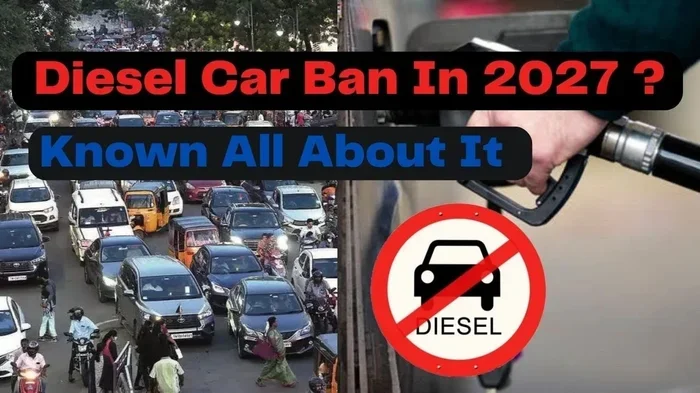
Are Diesel Cars Going to Be Banned in India Very Soon
Are diesel cars going to be banned in India? The answer is not a simple yes or no. While there is no nationwide ban yet, BS6 emission norms, city-level restrictions, and a growing push toward electric vehicles in India are reshaping the diesel car landscape. If you are planning to buy or own a diesel vehicle, understanding these changes is essential.
The question are diesel cars going to be banned in India has been trending for years. Car owners, buyers, and automotive enthusiasts all want a clear answer. The truth is, the situation is evolving fast, and it affects anyone who owns or plans to buy a diesel vehicle.
India has been tightening emission rules, promoting electric mobility, and rethinking its approach to fossil fuel vehicles. Diesel cars once dominated the Indian roads, especially SUVs and sedans. But today, the narrative is shifting. Diesel car ban India policies are no longer just rumors. They are becoming a real possibility in several states and cities.
This article breaks down everything you need to know. We will cover government policies, emission standards, city-level restrictions, and what the future holds for diesel vehicles. Whether you are a current diesel car owner or someone planning a purchase, this guide will help you make an informed decision.
Key Takeaways
- No Nationwide Ban Yet: India has not announced a full diesel car ban, but regulations are tightening every year.
- BS6 Norms Changed Everything: The Bharat Stage VI standards made diesel cars significantly more expensive and complex.
- City-Level Restrictions Exist: Cities like Delhi and Mumbai already impose restrictions on older diesel vehicles.
- Diesel vs Petrol Debate Is Shifting: Petrol and hybrid options are becoming more attractive alternatives.
- Electric Vehicles Are the Future: Government incentives are pushing buyers toward EVs, reducing diesel demand.
- Resale Value Is Dropping: Diesel cars are losing value faster due to rising uncertainty.
- Plan Ahead: If you own a diesel car, consider maintenance costs, resale, and future regulations carefully.
📑 Table of Contents
The Current State of Diesel Cars in India
Diesel cars have had a strong presence in India for decades. They were popular because of fuel economy diesel cars and lower running costs compared to petrol variants. Many families chose diesel SUVs and sedans for long drives and highway use.
However, the scenario has changed dramatically over the last few years. Several factors are working against diesel vehicles now. Let us look at why diesel cars are losing their appeal in the Indian market.
Why Diesel Cars Are Losing Popularity
The decline of diesel cars in India is not sudden. It has been a gradual shift driven by multiple factors. Here are the main reasons why fewer buyers are choosing diesel vehicles today.
- Higher Purchase Price: Diesel cars cost more than their petrol counterparts. The price gap has grown significantly after BS6 norms.
- Expensive Maintenance: Diesel engines have complex components like DPF and SCR systems. Repairs and servicing cost more.
- Resale Value Drop: Used diesel cars are losing value faster. Buyers are hesitant due to future uncertainty.
- Environmental Concerns: Diesel emits more NOx and particulate matter. This has led to stricter regulations.
- Rise of Hybrids and EVs: Alternatives are becoming more affordable and accessible.
Despite these challenges, diesel cars still hold an edge in certain areas. For long-distance highway driving, diesel engines offer better torque and mileage. But for city commuters, the advantages are fading fast.
Diesel Car Registration Trends
If you look at recent data, diesel car registration numbers have been falling. OEMs like Maruti Suzuki, which once dominated the diesel segment, have phased out most diesel models. Tata Motors and Mahindra still offer diesel options, but even they are focusing more on electrification.
The writing on the wall is clear. The Indian automotive industry is moving toward cleaner alternatives. Diesel vehicle restrictions are just one part of this larger transformation.
Government Policies and Emission Norms
The Indian government has been proactive in tightening emission standards. The Bharat Stage VI or BS6 emission norms replaced BS4 in April 2020. These norms brought significant changes for diesel cars.
What Are BS6 Norms?
BS6 norms are the strictest emission standards India has ever implemented. They aim to reduce harmful pollutants from vehicle exhaust. For diesel cars, this meant major changes in engine design and technology.
Diesel cars now need Diesel Particulate Filters and Selective Catalytic Reduction systems. These add to the cost of the vehicle. They also require more frequent maintenance. As a result, the total cost of owning a diesel car has gone up.
Is a Diesel Car Ban on the Horizon?
The government has not announced a complete diesel car ban India policy yet. However, there are strong signals that restrictions will increase. The diesel car ban timeline India remains uncertain, but several states are already taking steps.
The government diesel ban policy focuses on phasing out older, more polluting vehicles. Cities are introducing diesel vehicle restrictions based on age and emission levels. This is similar to what happened in Europe, where many countries have already banned diesel vehicles in urban areas.
Comparison: BS4 vs BS6 Diesel Cars
| Feature | BS4 Diesel Cars | BS6 Diesel Cars |
|---|---|---|
| Emission Standards | Less strict | Much stricter |
| Purchase Cost | Lower | Higher |
| Maintenance Cost | Moderate | Higher |
| Fuel Economy | Good | Slightly lower |
| Resale Value | Stable | Declining |
| Compliance | Phased out | Current standard |
The table above shows how much things have changed. BS6 diesel cars are more expensive to buy and maintain. This has directly impacted diesel car purchase decision for many Indian buyers.
Which Cities Are Already Restricting Diesel Vehicles?
Several Indian cities have already started limiting diesel vehicles. If you live in or near a metro city, these restrictions may affect you directly.
Delhi: The Pioneer of Diesel Restrictions
Delhi was one of the first cities to impose diesel vehicle restrictions. The Delhi government has banned diesel vehicles older than 10 years from running on city roads. This policy has been in place for several years and has significantly reduced diesel traffic in the capital.
Delhi also follows the odd-even rule during severe pollution months. While this rule applies to all vehicles, diesel cars often face stricter scrutiny. The city’s air quality concerns have made diesel restrictions a priority.
Mumbai and Other Metro Cities
Mumbai has also introduced measures to limit older diesel vehicles. The Brihanmumbai Municipal Corporation has been pushing for tighter emission checks. Other cities like Kolkata, Chennai, and Bengaluru are following suit with their own diesel car ban cities policies.
The trend is clear. Metro cities with high pollution levels are leading the charge against diesel vehicles. If you live in one of these cities, you should be especially aware of the changing rules.
What About Tier-2 and Tier-3 Cities?
Smaller cities currently have fewer restrictions. But this could change quickly. As emission standards India become more uniform, even smaller cities may adopt diesel restrictions. The government is pushing for nationwide consistency in air quality regulations.
Quick Tip: If you are buying a car for use in a metro city, think twice before choosing diesel. The resale and usability could be affected by future bans and restrictions.
Diesel vs Petrol: Which One Still Makes Sense?
The diesel vs petrol India debate has evolved significantly. A few years ago, diesel was the clear winner for long-distance drivers. Today, the comparison is not so simple.
Cost of Ownership Comparison
When you compare the total cost of ownership, petrol cars are becoming more competitive. Here is a quick breakdown.
- Purchase Price: Petrol cars are cheaper upfront. The price gap between diesel and petrol has narrowed for some models but widened for others.
- Fuel Costs: Diesel fuel is slightly cheaper per liter. But the difference is not as large as it used to be.
- Maintenance: Petrol engines are simpler and cheaper to service. Diesel engines require more specialized care.
- Insurance: Diesel cars typically have higher insurance premiums due to their higher value and repair costs.
- Resale: Petrol cars are holding their value better. Used diesel cars are harder to sell at good prices.
Who Should Still Consider a Diesel Car?
Despite the challenges, diesel cars still make sense for some buyers. If you drive more than 1,500 km per month, especially on highways, a diesel engine can still save you money in the long run. Diesel SUV India models remain popular among families who travel long distances frequently.
However, for city drivers who cover shorter distances daily, a petrol or hybrid car is usually a better choice. The diesel car resale value drop makes it a risky investment for urban use.
Quick Tips for Choosing Between Diesel and Petrol
- Calculate your monthly mileage. If it is below 1,000 km, go petrol.
- Consider how long you plan to keep the car. Short-term ownership favors petrol.
- Check if your city has diesel restrictions in place.
- Factor in insurance and maintenance costs before deciding.
- Think about future resale. Diesel cars are becoming harder to sell.
The Future of Diesel Cars in India
The future of diesel car future India looks uncertain. The government is pushing hard for electric mobility. Several states have announced EV subsidies and incentives. This shift is reshaping the entire automotive landscape.
Electric Vehicles: The Real Alternative
Electric vehicles India are gaining momentum fast. The government’s FAME II scheme has boosted EV adoption. Companies like Tata and MG are launching affordable electric cars. Charging infrastructure is also improving in major cities.
For the average Indian buyer, an electric car is becoming a realistic option. EVs offer lower running costs, zero tailpipe emissions, and government incentives. As battery technology improves and prices drop, EVs will become even more appealing.
What Does This Mean for Diesel Car Owners?
If you already own a diesel car, you do not need to panic. There is no immediate ban on existing diesel vehicles. However, the diesel car ban timeline India could bring changes in the coming years. It is wise to stay informed about local regulations.
One option to consider is the diesel car scrappage policy. This policy encourages owners to retire old, polluting vehicles in exchange for incentives. If your diesel car is old and high-emission, scrappage could be a smart move.
Expert Insights on Diesel Car Regulations
Automotive experts believe that a gradual phase-out of diesel cars is likely. Rather than a sudden ban, the government is expected to tighten rules over time. This approach gives manufacturers and buyers time to adapt.
Diesel car ban Europe provides a good reference. Countries like France, Germany, and the UK have already implemented city-level diesel bans. India is likely to follow a similar path, starting with the most polluted cities and expanding gradually.
Expert Tip: Keep an eye on Supreme Court and government announcements regarding vehicle emission policies. These often signal upcoming changes that can affect your diesel car ownership.
What Should You Do If You Own a Diesel Car?
If you already own a diesel car, there are several steps you can take to protect your investment and stay ahead of regulations.
Maintain Your Diesel Car Properly
Regular maintenance is crucial for diesel cars. Keep up with service schedules, especially for the DPF and SCR systems. A well-maintained diesel car will run cleaner and last longer. This also helps with diesel car resale value when you decide to sell.
Stay Updated on Local Regulations
Check your city’s transport authority website regularly. Rules regarding diesel vehicle restrictions can change without much notice. Being informed helps you avoid fines and unexpected issues.
Consider Switching When the Time Is Right
If you are planning to buy your next car, consider a petrol, hybrid, or electric option. The diesel car purchase decision should factor in future regulations, running costs, and resale potential. Many buyers are now choosing CNG cars as a middle-ground solution between diesel and electric.
Common Mistakes Diesel Car Owners Make
- Ignoring DPF Warnings: This leads to expensive repairs and poor performance.
- Skipping Regular Servicing: Neglecting maintenance reduces engine life and increases emissions.
- Overlooking Resale Market Trends: Diesel cars are losing value faster than before.
- Not Checking City Restrictions: Driving a restricted diesel car can lead to penalties.
- Assuming Diesel Is Always Cheaper: The total cost of ownership may be higher than you think.
Common Mistakes like these can cost you money and create legal headaches. Stay proactive and make informed choices.
Conclusion
The question are diesel cars going to be banned in India does not have a simple answer. There is no nationwide ban today, but the direction of policy is clear. Stricter emission norms, city-level restrictions, and the rise of electric vehicles are all pushing diesel cars toward a less prominent role in India.
If you are a current diesel car owner, focus on proper maintenance and stay informed about local rules. If you are a buyer, carefully weigh the pros and cons of diesel in today’s changing market. The diesel car future India is uncertain, but being prepared will always work in your favor.
Stay ahead of the curve. Understand the regulations. Make smart decisions. The road ahead for diesel cars in India is winding, but those who stay informed will navigate it best.
Frequently Asked Questions
Are diesel cars going to be banned in India completely?
There is no complete nationwide ban announced yet. However, several cities are introducing restrictions, and emission norms are getting stricter. A gradual phase-out is more likely than an abrupt ban.
Can I still buy a diesel car in India in 2025?
Yes, you can still buy diesel cars in India. Many manufacturers continue to offer diesel variants. However, the options are decreasing, and resale value is declining over time.
Which cities in India have diesel car restrictions?
Delhi, Mumbai, Kolkata, Chennai, and Bengaluru have some form of diesel vehicle restrictions. Delhi has the strictest rules, including a ban on diesel vehicles older than 10 years.
Is it worth buying a diesel car in India right now?
It depends on your usage. If you drive long distances frequently on highways, diesel can still be cost-effective. For city driving with short distances, petrol or hybrid is a better choice.
What is the diesel car scrappage policy in India?
The scrappage policy encourages owners to retire old, polluting vehicles. You can receive incentives or rebates when you scrap an old diesel car and purchase a new, cleaner vehicle.
How do BS6 norms affect diesel car owners?
BS6 norms made diesel cars more expensive to buy and maintain. They require additional emission control systems like DPF and SCR. These changes have increased the total cost of ownership for diesel car users.