Active Safety Systems in Cars That Could Save Lives
Active safety systems in cars are smart technologies designed to prevent crashes before they happen. These features use cameras, sensors, and software to watch the road and alert you or take action when danger appears. From automatic braking to lane keeping, active safety systems in cars are changing how we stay safe on every drive.
Every time you get behind the wheel, you face risks. Other drivers make mistakes. Roads change. Weather turns bad. But today’s cars have something that did not exist a decade ago. Active safety systems in cars are designed to spot danger and act before a crash happens. These smart features use cameras, radar, and sensors to watch everything around your vehicle. They can brake for you, warn you about lane drift, and even detect pedestrians in your path.
The truth is, human error causes most car accidents. But active safety systems in cars are changing that equation. They fill in the gaps when our attention lapses or our reaction time is not fast enough. These technologies do not replace good driving habits. Instead, they work alongside you to add an extra layer of protection.
If you are shopping for a new car or just curious about what makes modern vehicles safer, you are in the right place. Let us dive into the world of active safety systems in cars and explore how they work, which ones matter most, and why they could truly save your life.
Key Takeaways
- Active safety systems prevent accidents: These technologies detect dangers and act faster than human reflexes.
- Automatic emergency braking saves lives: It can stop a car before a crash even if the driver does not react.
- Blind spot monitoring and lane warnings reduce side-swipe crashes: They keep you aware of what is around you.
- Adaptive cruise control makes long drives safer: It adjusts speed automatically to keep a safe distance.
- All new cars should have these features: Many are now standard thanks to safety regulations and consumer demand.
- You still need to stay alert: Active safety assists you but does not replace attentive driving.
📑 Table of Contents
What Are Active Safety Systems in Cars?
Active safety systems in cars refer to electronic features that help prevent accidents before they occur. Unlike passive safety systems like airbags and seatbelts, which protect you during a crash, active systems work to avoid the crash entirely. Think of them as your car’s early warning system and reflexes combined.
How These Systems Work
Most active safety systems in cars rely on a combination of sensors, cameras, and software. Here is a simple breakdown of the key components:
- Cameras: Mounted near the rearview mirror, these watch lane markings, traffic signs, and pedestrians.
- Radar sensors: Usually placed in the front bumper, they detect the speed and distance of vehicles ahead.
- Ultrasonic sensors: These short-range sensors help with parking and detect objects close to the car.
- Software and processors: The brain of the system. It analyzes data from all sensors in milliseconds and decides whether to warn you or take action.
When these components work together, they create a 360-degree awareness system around your vehicle. The system constantly scans for potential hazards and responds faster than any human could. Some advanced setups also use 360-degree camera systems that stitch multiple camera feeds into a single bird’s-eye view for parking and low-speed maneuvering.
Active Safety vs. Passive Safety
It helps to understand the difference between active and passive safety. Active safety systems in cars aim to prevent crashes from happening. Passive safety systems, on the other hand, are designed to protect you during and after a collision. Here is a quick look at both:
- Active safety: Collision avoidance, automatic braking, lane keeping, blind spot alerts, electronic stability control, and traction control.
- Passive safety: Airbags, crumple zones, seatbelts, reinforced cabin structure, and rollover prevention systems.
Both types are essential. But the growing focus on active safety systems in cars reflects a shift toward preventing accidents rather than just surviving them. The best protection is the one that stops the crash from happening in the first place.
Top Active Safety Features That Save Lives
Not all active safety systems in cars are created equal. Some features have been proven to reduce crashes significantly. Here are the most important ones every driver should know about.
Automatic Emergency Braking
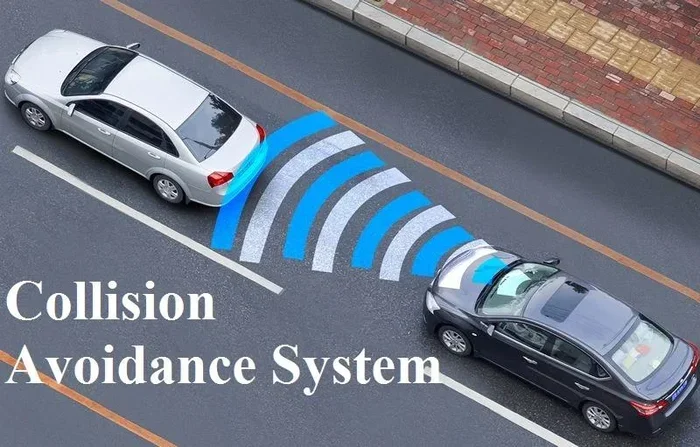
Automatic emergency braking (AEB) is arguably the most life-saving feature in modern cars. This system monitors the road ahead and applies the brakes if it detects an imminent collision and the driver does not respond. Studies show that AEB reduces rear-end crashes by up to 50 percent.
How does it work in real life? Imagine you are driving on a highway and the car ahead suddenly stops. Your attention might drift for a split second. Before you even register the danger, the AEB system has already started braking. It can bring the car to a stop or significantly reduce the impact speed.
Many active safety systems in cars now include pedestrian detection as part of AEB. This means the system can also spot people crossing the road, even at night or in poor weather. Some systems go further with forward collision warning that gives you an audible alert before the automatic braking kicks in. This two-step approach gives you a chance to react yourself while knowing the car has your back.
Lane Departure Warning and Lane Keeping Assist
Lane departure warning (LDW) alerts you when your vehicle drifts out of its lane without a turn signal. Lane keeping assist (LKA) goes a step further by gently steering the car back into the lane.
These features are especially helpful on long highway drives when fatigue sets in. They also reduce the risk of run-off-road crashes, which account for a large share of fatal accidents. If you often drive on unfamiliar roads or find yourself getting drowsy, lane departure warning can be a real game-changer.
Some advanced systems also include road sign recognition, which reads speed limit signs and displays them on your dashboard. This helps you stay aware of changing speed limits without having to scan every sign.
Blind Spot Monitoring and Rear Cross Traffic Alert
Blind spot monitoring (BSM) uses sensors to detect vehicles in your blind spots. A small warning light on the side mirror alerts you when it is not safe to change lanes. Some systems also provide an audio warning if you activate the turn signal while a car is in your blind spot.
Rear cross traffic alert (RCTA) works when you are backing out of a parking spot. It detects approaching vehicles from the sides and warns you to wait. This is incredibly useful in crowded parking lots where visibility is limited.
Together, these two features make active safety systems in cars much more effective in everyday driving situations like merging, parking, and navigating crowded areas. They address blind spots that mirrors simply cannot cover.
Adaptive Cruise Control and Traffic Jam Assist
Adaptive cruise control (ACC) is a smarter version of traditional cruise control. Instead of maintaining a fixed speed, ACC adjusts your car’s speed to maintain a safe following distance from the vehicle ahead. When traffic slows down, your car slows down too. When the road clears, it accelerates back to your set speed.
Traffic jam assist takes ACC further by adding stop-and-go capability and light steering input in congested traffic. This feature is a lifesaver during rush hour commutes. It reduces driver fatigue and helps prevent rear-end collisions in stop-and-go traffic.
Both adaptive cruise control and traffic jam assist are excellent examples of how active safety systems in cars make long drives less stressful and safer. They handle the tedious parts of driving so you can stay more focused on the road ahead.
Additional Features Worth Knowing About
Beyond the big four, several other features deserve attention. Automatic high beams switch between high and low beam headlights based on surrounding traffic, improving visibility without blinding other drivers. Drowsiness detection systems monitor steering patterns and driver behavior to flag fatigue. Some cars even offer evasive steering assist, which helps you steer around obstacles when braking alone is not enough.
Another important feature is tire pressure monitoring, which alerts you when tire pressure drops to unsafe levels. Proper tire pressure is essential for maintaining traction, especially on wet roads, and it helps prevent blowouts.
How Active Safety Systems Prevent Accidents
Understanding how active safety systems in cars prevent accidents goes beyond just knowing the features. It is about understanding the bigger picture of road safety and how technology fills in human weaknesses.
Real-World Impact and Statistics
The numbers tell a compelling story. According to the Insurance Institute for Highway Safety (IIHS), cars equipped with automatic emergency braking have 50 percent fewer rear-end crashes than those without. The American Automobile Association (AAA) found that lane departure warning systems reduce single-vehicle, sideswipe, and head-on crashes by 11 percent.
Here are some key statistics that highlight the impact of active safety systems in cars:
- Automatic emergency braking: Reduces rear-end collisions by up to 50 percent.
- Blind spot monitoring: Lowers lane-change crashes by 14 percent.
- Lane departure warning: Cuts run-off-road crashes significantly, especially on highways.
- Rear cross traffic alert: Reduces backing-up crashes in parking lots by a notable margin.
- Pedestrian detection systems: Can identify pedestrians at night and apply brakes automatically.
- Electronic stability control: Reduces fatal single-vehicle crashes by up to 49 percent.
These numbers show that active safety systems in cars are not just convenient extras. They are proven life-saving technologies that make our roads safer for everyone. The more of these features a car has, the greater the overall protection.
The Role of Sensor Technology
The effectiveness of active safety systems in cars depends heavily on the quality of their sensors. Modern vehicles use a combination of technologies to create a comprehensive view of the surroundings:
- Radar sensors excel at measuring the speed and distance of other vehicles, even in rain or fog.
- Camera systems read road signs, detect lane lines, and identify pedestrians and cyclists.
- LiDAR (Light Detection and Ranging) uses laser pulses to create detailed 3D maps of the environment. This technology is becoming more common in premium vehicles and is a key component of collision avoidance systems.
- Ultrasonic sensors handle close-range detection for parking and low-speed maneuvering.
When all these sensors work together, they create a layered safety net. If one sensor is temporarily impaired, others can compensate. This redundancy is what makes modern active safety systems in cars so reliable, even in challenging conditions.
Expert Insight: “The combination of radar, cameras, and ultrasonic sensors creates a system that is greater than the sum of its parts. No single sensor can do it all, but together they provide 360-degree coverage that dramatically reduces accident risk. The future will see even deeper integration with driver attention monitoring systems that watch the driver as closely as the road.” – Automotive Safety Research Group
Why Human Error Is the Biggest Factor
The National Highway Traffic Safety Administration (NHTSA) estimates that over 90 percent of crashes involve human error. We get distracted. We grow tired. We misjudge distances. We react too slowly. Active safety systems in cars are specifically engineered to address each of these weaknesses.
For example, a driver checking a phone for two seconds at 60 mph travels the length of two football fields blind. Automatic emergency braking can detect that danger and respond in a fraction of a second. No human can match that speed of reaction. That is exactly why these systems are so valuable.
Active Safety Systems by Brand
Different car manufacturers have their own names and versions of active safety systems in cars. While the underlying technology is similar, each brand adds its own unique features and branding. Here is a look at how some major brands approach active safety.
Comparison of Popular Brand Systems
| Brand | System Name | Key Features |
|---|---|---|
| Toyota | Toyota Safety Sense | Pre-collision system, lane departure alert, adaptive cruise control, automatic high beams |
| Honda | Honda Sensing | Collision mitigation braking, road departure mitigation, adaptive cruise control |
| Volkswagen | IQ.Drive | Front assist, lane assist, emergency stop signal, travel assist |
| Ford | Ford Co-Pilot360 | Automatic emergency braking, blind spot information, lane keeping, evasive steering |
| BMW | Driving Assistance Professional | Lane keeping, speed limit assistant, stop-and-go cruise, crossing traffic alert |
As you can see, most brands now offer a comprehensive suite of active safety systems in cars as standard or optional equipment. The names differ, but the core technologies are remarkably similar across the industry. When shopping for a car, pay less attention to the marketing name and more attention to the specific features included.
Look for automatic emergency braking, blind spot monitoring, and lane keeping assist as minimum requirements for any vehicle you consider. These three features alone provide a strong foundation of protection for everyday driving.
Tips for Getting the Most Out of Active Safety
Having active safety systems in cars is only half the battle. You also need to understand how to use them properly. Here are some practical tips and common mistakes to avoid.
Common Mistakes Drivers Make
Even with the best active safety systems in cars, drivers can undermine their effectiveness. Here are mistakes to avoid:
- Ignoring warning lights: If your dashboard shows a sensor warning, get it checked. A blocked camera or sensor can disable important features.
- Over-relying on the system: Active safety systems in cars assist you, but they do not replace your attention. Always stay focused on the road.
- Not reading the owner’s manual: Every system has limitations. Understanding what your car can and cannot do is crucial for safe driving.
- Driving with dirty sensors: Snow, mud, or debris on cameras and radar can impair system performance. Keep sensors clean, especially in bad weather.
- Failing to calibrate after windshield replacement: If your windshield is replaced, the camera calibration may need to be reset. Skipping this step can disable lane-keeping features.
Quick Tips to Stay Safe
Here are some simple tips to get the most from your active safety systems in cars:
- Keep your sensors clean. A quick wipe of the windshield and bumper sensors can go a long way.
- Update your software. Many manufacturers offer over-the-air updates that improve system performance and add new features.
- Learn your system’s limits. No system works perfectly in all conditions. Heavy rain or snow may reduce effectiveness.
- Practice with the features. Test your adaptive cruise control and lane keeping in safe, low-traffic areas before relying on them in heavy traffic.
- Stay engaged. Use these systems as aids, not replacements for attentive driving. Your eyes and hands should always be ready.
The Future of Active Safety in Cars
The evolution of active safety systems in cars is far from over. In fact, the next decade promises even more impressive advancements that will redefine how we think about road safety.
Automakers are investing heavily in driver attention monitoring systems that can detect drowsiness or distraction. These systems use inward-facing cameras to track eye movement and head position. If they detect that you are not paying attention, they will alert you and in some cases, slow the car down. This technology is especially promising for fleet vehicles and teenage drivers.
Intersection assistance is another emerging feature that scans cross-traffic when you approach intersections. It can warn you of vehicles running red lights or crossing against you. Some systems can even apply the brakes automatically to prevent a T-bone collision. This is one of the most promising collision avoidance technologies on the horizon.
Looking further ahead, vehicle-to-vehicle (V2V) communication will allow cars to talk to each other. Imagine your car receiving a signal from a vehicle two intersections ahead that has suddenly stopped. This kind of collision avoidance technology could eliminate many accidents before they even become possible. Combined with anti-lock braking system improvements and rollover prevention logic, the next generation of active safety systems in cars will be even more powerful.
Regulators around the world are also pushing for mandatory active safety systems in cars. The European Union has already mandated automatic emergency braking and lane departure warning on all new vehicles sold. The United States is following a similar path, with many safety advocates calling for universal adoption of these life-saving technologies. As costs come down and awareness grows, these features will become standard in every vehicle on the road.
The road ahead is bright. With continued innovation and regulation, active safety systems in cars will become even more effective at preventing the tragedies that occur on our roads every day.
Conclusion
Active safety systems in cars represent one of the most important advancements in automotive history. From automatic emergency braking to blind spot monitoring, these features work tirelessly to keep you and your passengers safe. They address the human weaknesses that cause most accidents: distraction, fatigue, and slow reaction times.
The data is clear. Cars equipped with active safety systems in cars experience significantly fewer collisions. Insurance studies, government research, and independent testing all confirm the same message: these technologies save lives. Features like lane departure warning, pedestrian detection, and adaptive cruise control are no longer luxury options. They are essential tools for modern driving.
If you are in the market for a new car, make active safety features a top priority. Look for a vehicle that offers automatic emergency braking, lane keeping assist, blind spot monitoring, and adaptive cruise control as standard equipment. And remember, while these systems are incredibly effective, they work best when paired with attentive, responsible driving.
The future of road safety is here. Embrace active safety systems in cars and drive with confidence knowing that your vehicle has your back. Stay alert, stay informed, and let technology help you arrive safely every single time.
Frequently Asked Questions
What are active safety systems in cars?
Active safety systems in cars are electronic features designed to prevent accidents before they happen. They use sensors, cameras, and software to detect potential hazards and either alert the driver or take corrective action automatically. Common examples include automatic emergency braking, lane departure warning, and blind spot monitoring.
How effective are active safety systems at preventing crashes?
Studies show that active safety systems in cars significantly reduce crash rates. The IIHS reports that automatic emergency braking cuts rear-end crashes by up to 50 percent. Lane departure warning reduces single-vehicle, sideswipe, and head-on crashes by 11 percent. These numbers prove that the technology works and continues to improve each year.
Do all new cars come with active safety features?
Many new cars now include active safety systems in cars as standard equipment, especially in higher trim levels. However, availability varies by manufacturer and model. Some brands offer these features only on higher trims or as optional packages. Always check the specific features included before purchasing a vehicle.
Can active safety systems replace attentive driving?
No. Active safety systems in cars are designed to assist drivers, not replace them. These systems have limitations, especially in extreme weather or unusual road conditions. Drivers must remain alert, keep their hands on the wheel, and stay focused on the road at all times.
What should I do if my active safety warning light comes on?
A warning light usually means a sensor or camera is blocked or malfunctioning. Check your windshield and bumper sensors for dirt or debris. If cleaning does not resolve the issue, visit a dealership for diagnostics. Driving with disabled safety features increases your risk on the road.
Are active safety systems worth the extra cost?
Absolutely. The extra cost of active safety systems in cars is a small price to pay for the protection they provide. These features have been proven to reduce crash severity and save lives. Many insurance companies also offer discounts for vehicles equipped with advanced safety technology.