Are Kia Parts Expensive Here Is What You Need to Know
Are Kia parts expensive? The short answer is no. Kia vehicles are known for affordable maintenance and reasonable parts pricing compared to many competitors. Whether you need Kia replacement parts or routine maintenance items, understanding the difference between OEM and aftermarket options can save you significant money over time. This guide covers everything you need to know about Kia parts cost and how to keep your repair bills low.
If you own a Kia or are thinking about buying one, you have probably wondered about Kia parts cost at some point. The good news is that Kia vehicles are built with affordability in mind. From brake pads to engine components, Kia parts pricing tends to stay competitive in the automotive market. In this article, we will break down everything you need to know about Kia parts expensive concerns, compare genuine OEM parts with aftermarket alternatives, and give you practical tips to keep your repair bills low.
Owning any car comes with maintenance and repair costs. But not all cars are created equal. Some brands charge a premium for parts and service. Kia, on the other hand, has built a reputation for delivering quality vehicles at accessible price points. This extends to the parts you need when something breaks or wears out. Let us dive into the details and answer the big question once and for all.
Key Takeaways
- Kia parts are generally affordable: Kia ranks among the most budget-friendly brands when it comes to replacement parts and routine maintenance.
- OEM parts cost more but offer reliability: Genuine Kia parts come with warranty backing and perfect fitment, but aftermarket options can cut costs by 30-50 percent.
- Maintenance costs are below average: Kia vehicles consistently rank lower in annual maintenance costs compared to Japanese and German competitors.
- DIY repairs save big money: Many common Kia repairs like brake pad swaps and oil changes are simple enough for home mechanics.
- Warranty coverage reduces early expenses: Kia’s industry-leading 10-year/100,000-mile powertrain warranty covers many major components at no cost.
- Pricing varies by model: Kia SUVs and sedans have different parts costs, so knowing your specific model helps estimate expenses.
- Smart shopping makes a difference: Comparing prices online, using aftermarket brands, and timing repairs wisely can significantly reduce your Kia ownership costs.
📑 Table of Contents
- Understanding Kia Parts Pricing
- OEM vs Aftermarket Kia Parts
- How Kia Parts Compare to Other Brands
- Common Kia Parts and Their Costs
- Tips to Save Money on Kia Parts
- When to Choose a Kia Service Center
- Common Mistakes Kia Owners Make with Parts
- Expert Insights on Kia Ownership Costs
- Key Takeaways
- Conclusion
Understanding Kia Parts Pricing
When people ask whether Kia parts are expensive, they are usually comparing them to other car brands they know. The truth is that Kia has positioned itself as a value-driven brand. This means parts are priced to reflect that philosophy. Most Kia owners spend less on maintenance each year than owners of similar-sized vehicles from other manufacturers.
What Drives Kia Parts Cost
Several factors determine how much you will pay for Kia replacement parts. The first is the type of part you need. Simple items like filters, wiper blades, and brake pads cost less than complex components like transmissions or engine blocks. The second factor is where you buy the parts. Dealerships charge more than online retailers or local auto shops. The third factor is whether you choose OEM or aftermarket parts, which we will cover in detail next.
Another thing that affects Kia car parts price is your specific model. A Kia Soul will have different parts costs than a Kia Telluride or a Kia Optima. Smaller engines and simpler drivetrains generally mean cheaper parts. SUVs and larger sedans may cost more because they use bigger components. But even at the higher end, Kia remains competitive with other brands in the same class.
Average Kia Parts Cost Overview
To give you a real sense of Kia parts pricing, here is a rough breakdown of common replacement items. Keep in mind that prices vary by model year, location, and where you purchase the parts.
- Oil filter: $5 to $15
- Air filter: $10 to $25
- Cabin filter: $12 to $30
- Brake pads (set): $30 to $80
- Brake rotors (pair): $40 to $120
- Spark plugs (set): $20 to $60
- Battery: $100 to $200
- Alternator: $150 to $350
- Starter motor: $120 to $300
- Water pump: $80 to $200
These numbers show that most routine Kia maintenance items are quite affordable. Even larger components like alternators and water pumps fall within reasonable ranges. When you compare these prices to what you might pay for a Honda, Toyota, or Ford equivalent, Kia holds its own. In many cases, Kia parts come in slightly lower.
OEM vs Aftermarket Kia Parts
One of the biggest decisions you will face when repairing your Kia is choosing between OEM and aftermarket parts. This choice has a big impact on both cost and quality. Understanding the difference helps you make smarter decisions and avoid overspending.
What Are OEM Kia Parts
OEM parts stand for Original Equipment Manufacturer parts. These are the exact same components that came in your Kia when it rolled off the assembly line. They are made by the same suppliers that provide parts to Kia directly. When you buy an OEM part, you get a perfect fit, guaranteed quality, and often a warranty through your Kia dealer.
The downside of OEM parts is the price. They typically cost 20 to 40 percent more than aftermarket equivalents. For example, an OEM brake pad set for a Kia Forte might run $60 to $80, while a quality aftermarket set could be $35 to $55. For budget-conscious owners, this price difference adds up quickly over time.
What Are Aftermarket Kia Parts
Aftermarket parts are made by third-party manufacturers. They are designed to fit your Kia and function just like the original part. Some aftermarket brands are excellent and offer parts that meet or exceed OEM quality. Others are budget options that may not last as long.
Popular aftermarket brands for Kia vehicles include ACDelco, Bosch, Denso, Monroe, and Wagner. These brands have strong reputations and offer reliable products at lower prices. When buying aftermarket Kia spare parts, look for brands with good reviews and solid warranties. Avoid the cheapest no-name options for critical safety components like brakes and steering parts.
Which Should You Choose
For routine maintenance items like filters, wiper blades, and light bulbs, aftermarket parts are a great choice. They cost less and work just as well. For safety-critical components like brakes, steering parts, and airbags, consider sticking with OEM or high-quality aftermarket from trusted brands.
If your Kia is still under warranty, check with your dealer before using aftermarket parts. In some cases, using non-OEM parts could affect your warranty coverage. Once the warranty expires, aftermarket parts become an even more attractive option for saving money.
How Kia Parts Compare to Other Brands
To truly answer whether Kia parts are expensive, we need to look at how they stack up against the competition. Kia competes in the same segments as Honda, Toyota, Hyundai, Nissan, and various European brands. Here is how the pricing and ownership costs compare.
Kia vs Honda and Toyota
Honda and Toyota are known for reliability and relatively low maintenance costs. Kia holds its own against these brands when it comes to Kia maintenance cost. In many cases, Kia parts are priced similarly to Honda and Toyota equivalents. The difference is often negligible for most common repairs.
Where Kia sometimes has an edge is in the warranty coverage that comes with new vehicles. Kia’s 10-year/100,000-mile powertrain warranty means many parts replacements are covered during the early years of ownership. Honda and Toyota offer shorter powertrain warranties on most models. This can make the effective cost of Kia parts lower during the first decade of ownership.
Kia vs Hyundai
Since Kia and Hyundai share the same parent company, their parts are often very similar. Many components are interchangeable between the two brands. Kia parts pricing is generally on par with Hyundai parts. If you are comparing the two brands for ownership costs, parts pricing should not be a deciding factor. Both offer excellent value.
Kia vs European Brands
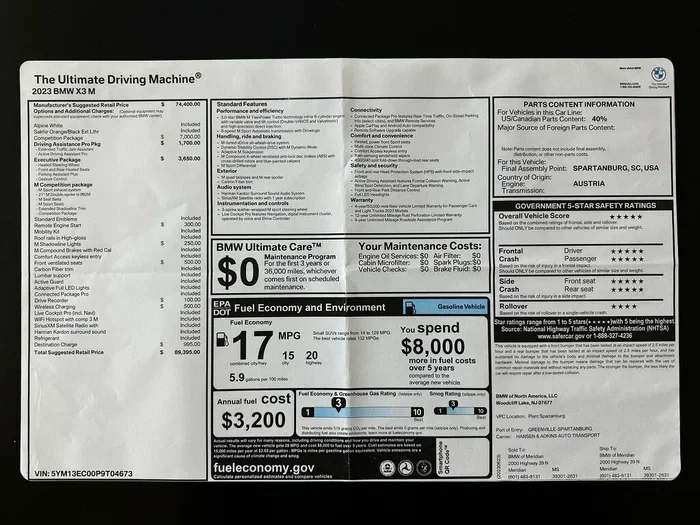
The difference becomes much more apparent when you compare Kia to European brands like BMW, Mercedes-Benz, or Audi. European luxury brands charge significantly more for parts. A single sensor or control module for a German luxury car can cost two to three times more than the same type of part for a Kia. If affordability is a priority, Kia clearly wins in this comparison.
Common Kia Parts and Their Costs
Let us look at some of the most common repairs Kia owners face and what you can expect to pay for the parts involved. This section gives you a realistic picture of Kia parts cost for the items you are most likely to need over the life of your vehicle.
Brake System Components
Brake pads, rotors, and calipers are among the most frequently replaced parts on any vehicle. For Kia models, brake pads typically cost between $30 and $80 for a full set. Brake rotors run $40 to $120 for a pair. If you need to replace brake calipers, expect to pay $80 to $200 per caliper. These are all reasonable prices that keep Kia brake repair cost well within the average range for compact and mid-size cars.
Quick Tip: Brake pads on front wheels wear out faster than rear pads because the front handles more stopping force. If you hear a grinding noise, do not delay replacement. Worn brake pads can damage rotors and increase your total repair cost.
Engine and Cooling System
Common engine-related parts for Kia vehicles include spark plugs, serpentine belts, water pumps, and thermostats. Spark plug sets for most Kia engines cost $20 to $60. Serpentine belts run $15 to $40. Water pumps typically cost $80 to $200 for the part alone. These are all affordable items that keep your Kia running smoothly.
One thing to note about Kia engine parts is that Kia uses proven, widely available components. This means you have many options for sourcing parts. You are not locked into dealership pricing for most engine repairs.
Electrical and Lighting
Kia vehicles use standard electrical components that are easy to find and affordable. Headlights, tail lights, and turn signal bulbs are among the cheapest replacement parts you can buy. A single headlight bulb for most Kia models costs $10 to $30. Complete tail light assemblies run $20 to $60. These low prices make electrical repairs on Kia vehicles very budget-friendly.
Suspension and Steering
Suspension components like shocks, struts, and control arms are essential for ride quality and safety. Kia suspension parts are reasonably priced. A set of shocks for a Kia Optima might cost $80 to $150. Control arms typically run $30 to $80 each. These prices are competitive with other brands in the same segment.
Tips to Save Money on Kia Parts
Saving money on Kia replacement parts is easier than you might think. With a little research and smart shopping, you can significantly reduce your repair costs. Here are some proven strategies that real Kia owners use to keep their maintenance budgets in check.
Buy Parts Online
Online retailers like Amazon, RockAuto, and AutoZone often offer lower prices than local parts stores. You can compare prices across multiple sellers in minutes. Many online retailers also offer free shipping on orders over a certain amount. Buying online is one of the easiest ways to save on Kia parts expensive concerns.
Use Aftermarket Parts for Non-Critical Repairs
As we discussed earlier, aftermarket parts can save you 30 to 50 percent compared to OEM. For non-safety-critical components like fender flares, trim pieces, and interior accessories, aftermarket parts are a smart choice. You get the same look and function at a fraction of the cost.
Perform DIY Repairs When Possible
Many common Kia repairs are simple enough for home mechanics. Changing oil, replacing air filters, swapping out brake pads, and installing new wiper blades are all jobs you can do yourself with basic tools. The parts alone cost much less than what a shop charges for labor. Even if you are not a DIY expert, starting with simple repairs builds confidence and saves money.
Compare Prices at Multiple Shops
Do not just go with the first repair shop you find. Get quotes from at least three places before committing to a repair. Independent mechanics often charge less than dealerships. And online parts stores are usually cheaper than both. Shopping around is one of the best ways to ensure you are not overpaying for Kia parts expensive repairs.
Take Advantage of Kia Warranty Coverage
If your Kia is still under warranty, use it. Many parts and repairs are covered at no cost to you. Even after the bumper-to-bumper warranty expires, the 10-year/100,000-mile powertrain warranty may still be in effect. Check your warranty documents before scheduling any paid repairs.
When to Choose a Kia Service Center
There are times when going to a Kia dealership or certified service center makes sense. Understanding when to choose professional service helps you balance cost with quality and peace of mind.
Benefits of Kia Dealership Service
Kia service centers employ trained technicians who know your specific model inside and out. They have access to factory tools, diagnostic equipment, and genuine OEM parts. If your Kia is under warranty, dealership service ensures your coverage stays intact. For complex repairs involving electronics, powertrain issues, or safety systems, a dealership may be the best choice.
When Independent Shops Make Sense
For routine maintenance and simpler repairs, independent shops offer excellent value. They typically charge lower labor rates than dealerships. Many independent mechanics have years of experience working on Kia vehicles. A good independent shop can handle oil changes, brake jobs, tire rotations, and most scheduled maintenance at a fraction of dealership prices.
The key is finding a reputable shop that specializes in Kia or Korean vehicles. Ask friends for recommendations, check online reviews, and look for certifications like ASE (Automotive Service Excellence). A skilled independent mechanic can handle most of your Kia repair needs without the dealership markup.
Common Mistakes Kia Owners Make with Parts
Avoiding common mistakes helps you save money and prevent headaches. Here are some pitfalls to watch out for when shopping for Kia replacement parts.
- Buying the cheapest option without research: The lowest-priced part is not always the best value. Check reviews and brand reputation before buying.
- Ignoring warranty implications: Using non-OEM parts on a warranted vehicle can sometimes void coverage for related repairs.
- Overlooking used parts: Salvage yards and online marketplaces offer quality used parts at steep discounts for non-critical components.
- Not checking fitment: Kia models from different years may use different parts. Always verify compatibility before purchasing.
- Delaying repairs: Putting off repairs leads to more damage and higher costs. Address issues early to keep expenses down.
Expert Insights on Kia Ownership Costs
According to data from RepairPal and various automotive cost studies, Kia vehicles rank in the lower half for annual maintenance costs. The average annual repair and maintenance cost for a Kia is around $450 to $550, compared to the industry average of roughly $650. This means Kia owners save an average of $100 to $200 per year on maintenance compared to the typical vehicle owner.
These numbers include both routine maintenance and unexpected repairs. They account for parts and labor across all Kia models. The data confirms what many Kia owners already know: this brand offers excellent value when it comes to long-term ownership costs. Kia parts are not expensive relative to the market, and the overall cost of ownership reflects that affordability.
Consumer Reports and J.D. Power also give Kia high marks for reliability in recent years. Improved quality means fewer unexpected repairs and lower long-term parts costs. If you are weighing a Kia purchase against other brands, the maintenance and parts cost advantage is a strong point in Kia’s favor.
Key Takeaways
- Kia parts are generally affordable: Kia ranks among the most budget-friendly brands when it comes to replacement parts and routine maintenance.
- OEM parts cost more but offer reliability: Genuine Kia parts come with warranty backing and perfect fitment, but aftermarket options can cut costs by 30-50 percent.
- Maintenance costs are below average: Kia vehicles consistently rank lower in annual maintenance costs compared to Japanese and German competitors.
- DIY repairs save big money: Many common Kia repairs like brake pad swaps and oil changes are simple enough for home mechanics.
- Warranty coverage reduces early expenses: Kia’s industry-leading 10-year/100,000-mile powertrain warranty covers many major components at no cost.
- Pricing varies by model: Kia SUVs and sedans have different parts costs, so knowing your specific model helps estimate expenses.
- Smart shopping makes a difference: Comparing prices online, using aftermarket brands, and timing repairs wisely can significantly reduce your Kia ownership costs.
Conclusion
So, are Kia parts expensive? The evidence clearly shows they are not. Kia vehicles offer some of the most affordable parts and maintenance costs in the automotive market. Whether you need a simple oil filter or a more complex component like a water pump, Kia parts pricing stays competitive and reasonable.
By understanding the difference between OEM and aftermarket options, shopping smartly, and taking advantage of warranty coverage, you can keep your Kia running smoothly without breaking the bank. The key is to stay informed, compare prices, and make decisions based on quality and value rather than just the lowest sticker price.
If you are a current Kia owner, you can feel confident that maintaining your vehicle will not drain your wallet. And if you are considering a Kia purchase, the affordable parts and maintenance costs are another reason to feel good about your choice. Kia parts are not expensive when you know where to look and how to approach your repairs.
Take the time to research your specific model, build relationships with trusted mechanics, and always keep an eye out for deals on Kia replacement parts. Your wallet will thank you for years to come. Smart ownership starts with smart decisions about parts and maintenance.
Frequently Asked Questions
Are Kia parts more expensive than Honda parts?
Generally no. Kia parts are priced competitively with Honda parts and often come in at similar or slightly lower price points. For most common repairs, the cost difference is minimal. Honda has a slight edge in long-term reliability reputation, but the parts pricing is very comparable between the two brands.
How much does it cost to maintain a Kia per year?
The average annual maintenance cost for a Kia ranges from $450 to $550. This includes routine services like oil changes, tire rotations, and brake inspections, as well as minor repairs. This is below the national average of about $650 per year for all vehicles, making Kia a budget-friendly choice for car owners.
Can I use aftermarket parts on my Kia without voiding the warranty?
In most cases, yes. The Magnuson-Moss Warranty Act protects consumers from having their warranty voided simply because they used aftermarket parts. However, if an aftermarket part directly causes damage to another component, the manufacturer may deny the related claim. For safety-critical parts, OEM is always the safer choice.
Where can I buy cheap Kia parts online?
Several reputable online retailers offer affordable Kia parts. RockAuto, Amazon, and AutoZone are popular options. You can also check specialty Kia parts websites and salvage yards for used components. Always verify part compatibility with your specific model and year before ordering.
Do Kia parts come with a warranty?
Genuine OEM Kia parts purchased from a dealership typically come with a warranty. The length varies but is often covered for 12 months or 12,000 miles. Aftermarket parts may come with their own warranties from the manufacturer. Always ask about warranty terms before purchasing any replacement part.
Why are some Kia parts so cheap compared to other brands?
Kia designs its vehicles with cost efficiency in mind. The brand uses widely available, standardized components where possible. This keeps manufacturing and replacement costs lower. Additionally, Kia’s parent company Hyundai shares parts development costs, which helps keep pricing competitive across both brands.