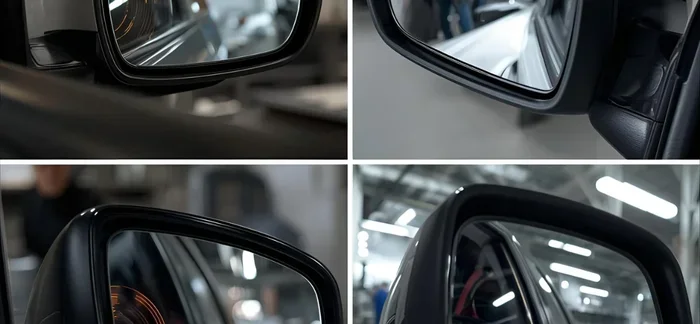
Which Mirror Is Used in Car Side Mirror Types Explained
Car side mirrors use different mirror types — convex, flat, and aspherical — each designed for a specific purpose. The driver side mirror is typically flat for accurate distance, while the passenger side mirror is usually convex to widen your view. Understanding these mirror types helps you drive safer and adjust your mirrors correctly.
Have you ever wondered what kind of glass sits inside your car side mirror? The answer might surprise you. Not all mirrors are the same. Each one serves a unique purpose. And knowing which mirror is used in car side mirror setups can make a big difference in how safe you are on the road.
Your car mirrors are more than just accessories. They are essential safety tools. They help you see what is happening around your vehicle. Without them, changing lanes or parking would be risky. In this guide, we break down every mirror type used in side mirrors. We explain why each one matters. And we give you practical tips to get the most out of your mirrors.
Key Takeaways
- Convex mirrors are common on the passenger side: They give a wider field of view and reduce blind spots.
- Flat mirrors are used on the driver side: They provide accurate distance and size perception of following vehicles.
- Aspherical mirrors combine both designs: They offer a wider view with less distortion than traditional convex mirrors.
- Mirror type affects safety: Choosing the right mirror glass can reduce accidents and improve visibility.
- Adjusting your mirrors properly matters: Even the best mirror glass won’t help if the angle is wrong.
- Upgraded mirror options exist: Heated mirrors, power mirrors, and blind spot mirrors add convenience and safety.
📑 Table of Contents
- Understanding Car Side Mirrors and Why They Matter
- Types of Mirrors Used in Car Side Mirrors
- Driver Side Mirror vs Passenger Side Mirror
- How to Choose the Right Mirror Type for Your Vehicle
- Common Mirror Problems and How to Fix Them
- Expert Tips for Maintaining Your Car Mirrors
- Key Takeaways
- Conclusion
Understanding Car Side Mirrors and Why They Matter
What Is a Car Side Mirror?
A car side mirror is the mirror mounted on the outside of your vehicle. It sits on the door or the fender. Its job is to show you what is beside and behind your car. Also called a side view mirror, it works together with your rearview mirror. Together, they give you a full picture of your surroundings.
Most people take their mirrors for granted. But these small pieces of glass play a huge role in daily driving. They help you spot other cars, cyclists, and pedestrians. They also reduce blind spots. A blind spot is an area your eyes and rearview mirror cannot see. The right mirror setup can shrink that danger zone.
Why Mirror Type Affects Your Safety
The type of mirror glass used in your side mirror changes how you see the world. A flat mirror shows things as they really are. A convex mirror makes things look smaller and farther away. Both have pros and cons. And many modern cars use a mix of both types.
When you understand your mirror type, you drive better. You know what to expect. You trust your mirrors more. This leads to smoother lane changes and safer turns. It also helps in parking and merging onto highways.
Types of Mirrors Used in Car Side Mirrors
There are three main mirror types found in car side mirrors today. Each one has a unique shape and purpose. Let us explore each one in detail.
Convex Mirrors
A convex mirror curves outward like the surface of a ball. This shape bends light and spreads it across a wider area. The result is a broader view of the road behind you.
Most passenger side mirrors use convex glass. You will often see the words “objects in mirror are closer than they appear” printed on them. This warning exists because convex mirrors make things look smaller and farther away than they really are.
Benefits of convex mirrors:
- Wider field of view
- Reduces blind spots
- Great for seeing parked cars and cyclists
- Works well in tight spaces
Drawbacks to keep in mind:
- Objects appear smaller and farther than they are
- Can cause distance misjudgment
- Not ideal for the driver side in some countries
Flat Mirrors
A flat mirror has a straight, non-curved surface. It reflects light evenly. This means objects look exactly as they are in size and distance. Flat mirrors give you a true representation of what is behind you.
The driver side mirror in many countries uses flat glass. This is because accurate distance perception is crucial when driving on the left or right side of the road. You need to know exactly how close the car behind you is.
Benefits of flat mirrors:
- Shows accurate size and distance
- No distortion of objects
- Great for judging following vehicle speed
- Preferred for driver side in many regions
Drawbacks to keep in mind:
- Narrower field of view compared to convex
- Larger blind spots if not adjusted well
Aspherical Mirrors
An aspherical mirror is a newer design. It has a curved surface, but the curve changes across the mirror. One part is more curved than the other. This design gives you a wider view with less distortion than a standard convex mirror.
Aspherical mirrors are becoming more popular in modern vehicles. They combine the best of both flat and convex designs. You get a wide field of view without the extreme distance distortion. Many luxury cars and high-end vehicles now use aspherical mirror glass.
Benefits of aspherical mirrors:
- Wider view than flat mirrors
- Less distortion than convex mirrors
- Better distance judgment
- Modern and advanced design
Drawbacks to keep in mind:
- More expensive to replace
- Not as widely available
- Some drivers need time to adjust to the look
Driver Side Mirror vs Passenger Side Mirror
You may have noticed that your driver side mirror and passenger side mirror look different. In many countries, the driver side mirror is flat. The passenger side mirror is convex. This difference is not random. It is a deliberate safety choice.
The driver side mirror needs to show accurate distance. When you are driving and checking your left mirror, you need to know how close the car behind you really is. A flat mirror gives you that precision.
The passenger side mirror needs a wider view. You are looking across more lanes and a larger area. A convex mirror helps you see more of the road. It covers more space with a single glance.
In countries where people drive on the right side of the road, this setup makes sense. The driver is closer to the center of the road. The passenger side faces the curb and parked cars. A wider view there helps a lot.
Some cars now use aspherical mirrors on both sides. This is more common in European and Asian vehicles. These mirrors give you the best of both worlds. But they can take some getting used to.
How to Choose the Right Mirror Type for Your Vehicle
Choosing the right mirror glass depends on your needs. Here are some factors to consider when picking or replacing your car side mirror.
Consider Your Driving Style
Do you drive mostly on highways? You might want a wider view. A convex or aspherical mirror can help. Do you drive in tight city streets? Accurate distance matters more. A flat mirror might be the better choice.
Think about how often you change lanes. Frequent lane changes need precise distance judgment. That points toward flat or aspherical glass. Long, straight highway drives benefit from a wider field of view.
Check Your Vehicle Manual
Your vehicle manual tells you what mirror type is installed. It also tells you what replacement parts are compatible. Always check before buying a new mirror glass. Using the wrong type can distort your view and create safety risks.
Consider Upgraded Mirror Options
There are many upgrades available today. Heated mirrors clear fog and ice fast. Power mirrors adjust with a button. Blind spot mirrors add extra safety. Towing mirrors give you a wider view when pulling a trailer. Each upgrade uses different mirror glass types.
Popular mirror upgrades include:
- Heated side mirrors
- Power-adjustable mirrors
- Blind spot detection mirrors
- Towing and wide-angle mirrors
- Auto-dimming mirrors
Common Mirror Problems and How to Fix Them
Car mirrors face a lot of wear and tear. Here are common issues and simple fixes.
Mirror Glass Gets Cracked or Shattered
A cracked mirror glass distorts your view. It can also be illegal in many places. Small cracks can sometimes be repaired with a resin kit. But a shattered mirror needs full replacement. Always replace cracked mirrors quickly. A damaged mirror is a safety hazard.
Mirror Gets Fogged or Icy
Fog and ice block your view completely. Heated mirrors solve this problem. They warm the glass and clear moisture fast. If your car does not have heated mirrors, you can use anti-fog sprays. A simple cloth wipe can also help in light fog.
Mirror Adjustment Becomes Loose
A wobbly mirror is annoying and dangerous. The adjustment motor can wear out over time. The housing can also crack from bumps and vibrations. Tighten loose screws or replace the mirror assembly. A stable mirror stays in the right position while you drive.
Mirror Shows Discoloration or Glare
Sun damage can make mirror glass look cloudy or discolored. Auto-dimming mirrors reduce glare from headlights behind you. If your mirror glass is yellowed or faded, replace it. Clear glass gives you the best view at night and during the day.
Expert Tips for Maintaining Your Car Mirrors
Your mirrors deserve regular care. A clean mirror improves visibility and safety. Here are some tips from the experts.
Clean your mirrors every time you wash your car. Use a glass cleaner and a soft cloth. Wipe in circular motions to avoid streaks. Dirt and fingerprints reduce clarity.
Check your mirror alignment weekly. Sit in the driver seat and look at each mirror. Make sure they are not tilted or loose. Proper alignment reduces blind spots significantly.
Replace worn mirror housings promptly. The housing protects the mirror glass. A cracked housing can let moisture in. That moisture can fog the glass from the inside. It can also damage the heating element in heated mirrors.
Use the right mirror glass when replacing. Always match the mirror type to your vehicle. A flat mirror on the passenger side changes your view. A convex mirror on the driver side distorts distance. Use the correct glass for each position.
Consider adding blind spot mirrors. These are small convex stickers you place on your existing mirrors. They widen your view even more. They are cheap and easy to install. Many drivers swear by them for extra safety.
Key Takeaways
- Convex mirrors are common on the passenger side: They give a wider field of view and reduce blind spots.
- Flat mirrors are used on the driver side: They provide accurate distance and size perception of following vehicles.
- Aspherical mirrors combine both designs: They offer a wider view with less distortion than traditional convex mirrors.
- Mirror type affects safety: Choosing the right mirror glass can reduce accidents and improve visibility.
- Adjusting your mirrors properly matters: Even the best mirror glass won’t help if the angle is wrong.
- Upgraded mirror options exist: Heated mirrors, power mirrors, and blind spot mirrors add convenience and safety.
Conclusion
Knowing which mirror is used in car side mirror setups gives you an edge as a driver. Your car uses specific mirror types for a reason. The flat mirror on the driver side gives you accurate distance. The convex mirror on the passenger side gives you a wider view. Together, they keep you safe on every trip.
Understanding your car side mirror types also helps you make smart choices. You can pick the right replacement glass. You can add upgrades like heated or blind spot mirrors. You can adjust your mirrors for the best possible view.
Take a moment today to check your mirrors. Clean them. Adjust them. Make sure each one is in good shape. A small effort goes a long way. Safe driving starts with clear vision. And clear vision starts with the right mirror.
Your mirrors work hard for you every day. Give them the care and attention they deserve. Drive safe, drive smart, and always check your mirrors before you change lanes.
Frequently Asked Questions
What type of mirror is used in car side mirrors?
Most cars use a flat mirror on the driver side and a convex mirror on the passenger side. Some modern vehicles use aspherical mirrors on both sides. The type depends on the vehicle model and the country where it is sold.
Why does the passenger side mirror say “objects are closer than they appear”?h3>
This warning appears because the passenger side mirror is convex. A convex mirror curves outward and makes objects look smaller and farther away than they really are. This wider view helps reduce blind spots but can trick your depth perception.
Can I replace my car side mirror glass myself?
Yes, many drivers replace mirror glass at home. You can buy replacement glass online or at auto parts stores. Make sure to match the mirror type to your vehicle. Follow the instructions carefully and clean the surface before installing the new glass.
Are aspherical mirrors better than convex mirrors?
Aspherical mirrors offer a wider view with less distortion than standard convex mirrors. They give better distance judgment and a more natural look. However, they cost more and may take time to get used to. Both types serve different needs and both are effective.
How often should I clean my car side mirrors?
You should clean your mirrors every time you wash your car. Dirty mirrors reduce visibility and can be dangerous. Use a glass cleaner and a soft microfiber cloth. Clean mirrors give you a clear view and help you spot hazards faster.
Do all countries use the same mirror setup on cars?
No, mirror setups vary by country. In right-hand drive countries, the driver side mirror is usually flat and the passenger side is convex. Left-hand drive countries follow a similar pattern. Some countries use aspherical mirrors on both sides, especially in luxury and European vehicles.