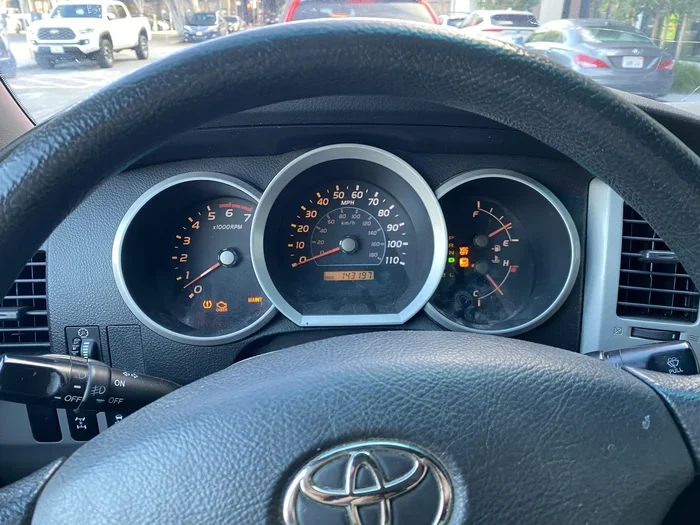
How Long Does Toyota Cover Maintenance on Your Car
Toyota typically covers maintenance through its ToyotaCare plan for the first 2 years or 25,000 miles, whichever comes first. The bumper-to-bumper warranty lasts 3 years or 36,000 miles, while the powertrain warranty extends to 5 years or 60,000 miles. Understanding these coverage limits helps you plan ahead and avoid unexpected repair costs.
Owning a Toyota means enjoying one of the most reliable names on the road. But even the best vehicles need regular care. One question Toyota owners ask constantly is: how long does Toyota cover maintenance on their car? The answer depends on several factors, including your warranty type, your model, and whether you drive a hybrid or gas-powered vehicle.
In this guide, we break down every detail of Toyota maintenance coverage. You will learn what is included, how long each plan lasts, and what happens when coverage ends. Whether you just bought a new Toyota or are planning to, this article gives you the full picture.
Toyota builds its reputation on reliability and low ownership costs. Their maintenance plans reflect that commitment. From the moment you drive your new vehicle off the lot, coverage is already working for you. Let us walk through everything you need to know about Toyota maintenance coverage and how to get the most out of it.
Key Takeaways
- ToyotaCare covers free maintenance: Oil changes, tire rotations, and multi-point inspections at no cost for 2 years or 25,000 miles.
- Bumper-to-bumper warranty lasts 3 years: Covers most parts and systems except wear-and-tear items.
- Powertrain warranty extends further: 5 years or 60,000 miles for engine and transmission components.
- Hybrid batteries get special coverage: Toyota hybrid battery warranties can last up to 10 years or 150,000 miles in some states.
- Roadside assistance is included: ToyotaCare includes 24/7 roadside help for the first 2 years or 25,000 miles.
- Maintenance costs rise after coverage: Budget for regular service once Toyota’s complimentary plans expire.
- Keep detailed records: Proper documentation helps you stay within warranty and prove maintenance history.
📑 Table of Contents
- What Does Toyota Maintenance Coverage Include?
- How Long Does ToyotaCare Last?
- Hybrid and Electric Vehicle Maintenance Coverage
- What Happens After Toyota Maintenance Coverage Ends?
- Are Toyotas Low Maintenance Compared to Other Brands?
- Common Toyota Maintenance Mistakes to Avoid
- How to Maximize Your Toyota Maintenance Coverage
- Final Thoughts on Toyota Maintenance Coverage
What Does Toyota Maintenance Coverage Include?
Toyota offers several layers of maintenance coverage. Each one serves a different purpose and lasts for a different duration. Understanding what each plan covers helps you make smart decisions about your vehicle care.
ToyotaCare: The Free Maintenance Plan
ToyotaCare is Toyota’s complimentary maintenance program. It comes standard with every new Toyota purchase. This plan covers routine maintenance services at no extra cost. Most Toyota owners are eligible for ToyotaCare when they buy a new vehicle.
Here is what ToyotaCare typically includes:
- Oil changes and oil filter replacements
- Tire rotations every 5,000 to 7,500 miles
- Multi-point inspections of key vehicle systems
- Fluid level checks and top-offs
- Roadside assistance for 24 months or 25,000 miles
- Battery replacement coverage during the ToyotaCare period
ToyotaCare is designed to keep your new vehicle running smoothly during the early ownership years. The plan covers all factory-recommended scheduled maintenance intervals. This means you do not need to pay out of pocket for basic servicing during the coverage period.
One great thing about ToyotaCare is that it is transferable. If you sell your Toyota within the coverage period, the new owner still benefits from the remaining maintenance visits. This adds value to your vehicle when it is time to trade in or sell.
Bumper-to-Bumper Warranty Coverage
The bumper-to-bumper warranty is Toyota’s most comprehensive coverage plan. It protects you against defects in materials and workmanship. This warranty covers almost every component of your vehicle.
Here are the key details:
- Duration: 3 years or 36,000 miles, whichever comes first
- Coverage: Nearly all parts and systems
- Exclusions: Wear-and-tear items like brake pads, wiper blades, and tires
- Roadside assistance: Included through the ToyotaCare period
The bumper-to-bumper warranty is your safety net for unexpected problems. If a factory defect causes a malfunction, Toyota covers the repair cost. This gives new owners peace of mind during the first few years of ownership.
It is important to note that this warranty does not cover damage caused by accidents, misuse, or neglect. Regular maintenance also helps keep your warranty valid. Skipping required services could potentially void your coverage.
Powertrain Warranty: The Longest Coverage
Toyota’s powertrain warranty is the longest-lasting coverage option. It focuses specifically on the components that make your vehicle move. This includes the engine, transmission, and drivetrain.
Key details about the powertrain warranty:
- Duration: 5 years or 60,000 miles, whichever comes first
- Coverage: Engine, transmission, drive axles, and transfer case
- What it does not cover: Wear items, fluids, and non-powertrain components
The powertrain warranty is especially valuable because engine and transmission repairs can be extremely expensive. Toyota stands behind these core components for an extended period. This reflects the brand’s confidence in the durability of its powertrains.
If you own your Toyota beyond the powertrain warranty period, you will need to budget for any major engine or transmission work. This is why understanding Toyota maintenance coverage timelines matters so much.
How Long Does ToyotaCare Last?
ToyotaCare is the maintenance plan most owners think about first. It provides complimentary services for a specific period. Let us look at the exact timeframe and what you can expect.
The 2-Year or 25,000-Mile Window
ToyotaCare covers maintenance for 2 years or 25,000 miles, whichever comes first. This means you get free oil changes, tire rotations, and inspections during this period. The plan is designed to coincide with the most critical early years of vehicle ownership.
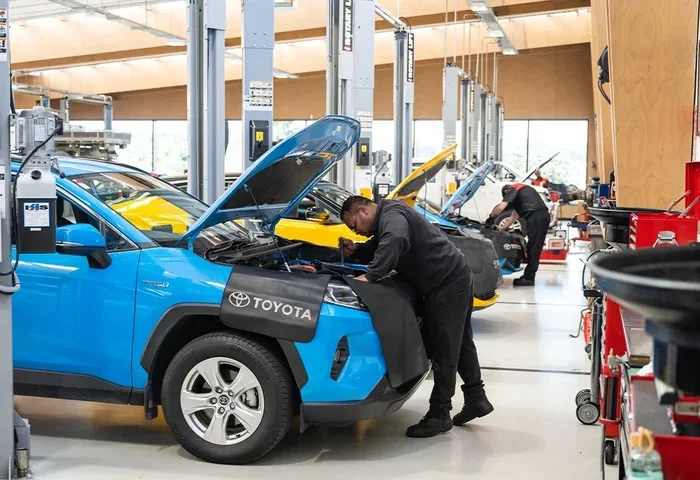
During these first two years, your Toyota receives regular attention from certified technicians. Each visit includes a thorough inspection of your vehicle’s major systems. The technicians check everything from brakes to belts to fluid levels.
Most Toyota owners find that 25,000 miles aligns well with their driving habits. The average American drives about 13,000 to 14,000 miles per year. This means ToyotaCare typically covers you through the first two years of ownership, which is often when you need the most guidance on maintaining your vehicle.
What Happens When ToyotaCare Expires?
Once ToyotaCare ends, you are responsible for all maintenance costs. This does not mean your vehicle suddenly becomes high-maintenance. Toyotas are known for their low upkeep costs even after warranty periods end.
Here is what to expect after ToyotaCare expires:
- Oil changes: Typically every 5,000 to 10,000 miles depending on your model
- Tire rotations: Every 5,000 to 7,500 miles
- Brake inspections: Every 15,000 to 20,000 miles
- Major services: At 30,000, 60,000, and 90,000-mile intervals
Regular maintenance keeps your Toyota running strong for hundreds of thousands of miles. Many Toyotas easily surpass 200,000 miles with proper care. The Toyota maintenance schedule provides a clear roadmap for what needs to be done and when.
Hybrid and Electric Vehicle Maintenance Coverage
Toyota has been a leader in hybrid technology for decades. Hybrid and electric vehicles have different maintenance needs than gas-powered cars. Toyota has tailored its coverage plans to address these differences.
Hybrid Battery Warranty
The hybrid battery is one of the most expensive components in a hybrid vehicle. Toyota understands this concern and offers extended coverage for hybrid batteries. In most states, the hybrid battery warranty lasts 8 years or 100,000 miles. In California and other CARB states, it extends to 10 years or 150,000 miles.
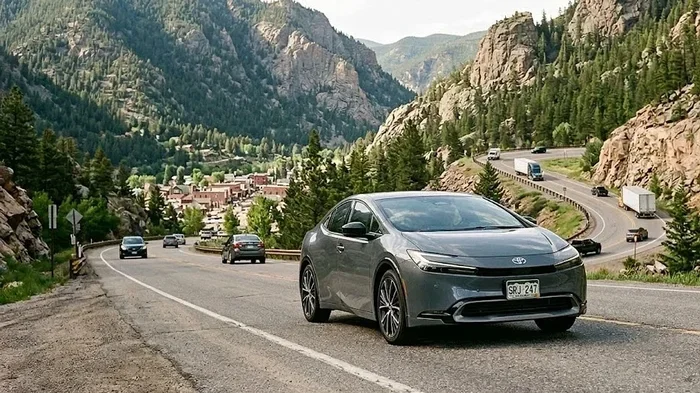
This extended coverage gives hybrid owners significant peace of mind. Hybrid batteries are designed to last the lifetime of the vehicle in most cases. Toyota’s confidence in its hybrid technology is reflected in the generous warranty period.
To keep your hybrid battery healthy, follow these tips:
- Avoid letting your battery charge drop to zero regularly
- Follow the recommended maintenance schedule for hybrid-specific components
- Have your hybrid system inspected at each service visit
- Keep software updates current through your dealer
For more tips on maintaining your hybrid battery, check out our guide on how to keep your hybrid battery healthy. It covers practical steps you can take every day.
Electric and Plug-In Hybrid Considerations
Toyota’s electric and plug-in hybrid models, like the bZ4X, come with their own set of maintenance considerations. These vehicles have fewer moving parts than traditional gas cars, which generally means lower maintenance costs over time.
Key maintenance items for electric Toyotas include:
- Battery coolant checks at regular intervals
- Regenerative braking system inspections
- Tire maintenance (electric vehicles are heavier, so tires wear faster)
- Software updates that can improve efficiency and performance
Toyota’s coverage for electric vehicles follows similar timelines to their gas-powered counterparts. The bumper-to-bumper and powertrain warranties apply to EVs as well. Understanding these differences helps you plan your maintenance budget accordingly.
What Happens After Toyota Maintenance Coverage Ends?
Every Toyota maintenance plan has an expiration date. Knowing what comes next helps you prepare financially and practically. The transition from covered to uncovered maintenance is smoother when you plan ahead.
Budgeting for Post-Coverage Maintenance
After your ToyotaCare and warranty periods end, you will handle maintenance costs yourself. The good news is that Toyotas are among the most affordable vehicles to maintain. According to various studies, Toyota ranks near the top for low cost of ownership.
Here is a rough breakdown of annual maintenance costs for a Toyota after coverage ends:
- Basic servicing (oil, filters, fluids): $200 to $400 per year
- Tire maintenance: $100 to $200 per year
- Brake service: $150 to $300 per year (varies by driving style)
- Major services at milestones: $500 to $1,500 per visit
These costs are averages and vary by model, driving conditions, and mileage. Staying on top of regular maintenance helps prevent expensive repairs later. A well-maintained Toyota can easily last 200,000 miles or more with minimal major repairs.
Keeping Your Toyota in Top Shape
Maintenance does not stop when your coverage ends. In fact, this is when consistent care matters most. Following the recommended maintenance schedule keeps your vehicle reliable and preserves its value.
Some simple habits make a big difference:
- Stick to the Toyota maintenance schedule in your owner’s manual
- Keep a log of all services and repairs
- Use genuine Toyota parts or approved aftermarket alternatives
- Address small issues before they become big problems
- Wash and protect your vehicle regularly to prevent rust and corrosion
For tips on extending your vehicle’s lifespan, read our article on how to make a car last 500,000 miles. The principles apply to any Toyota and can add years of reliable service to your vehicle.
Are Toyotas Low Maintenance Compared to Other Brands?
One of the biggest advantages of owning a Toyota is the low maintenance burden. Toyota consistently ranks at or near the top for reliability and ownership costs. But how do they compare to the competition?
Several factors contribute to Toyota’s low maintenance reputation:
- Proven engineering: Toyota designs engines and components for longevity
- Wide dealer network: Service is available almost everywhere
- Affordable parts: Genuine Toyota parts are reasonably priced
- Certified technicians: Toyota dealers employ trained specialists
- Strong resale value: Well-maintained Toyotas hold their value better
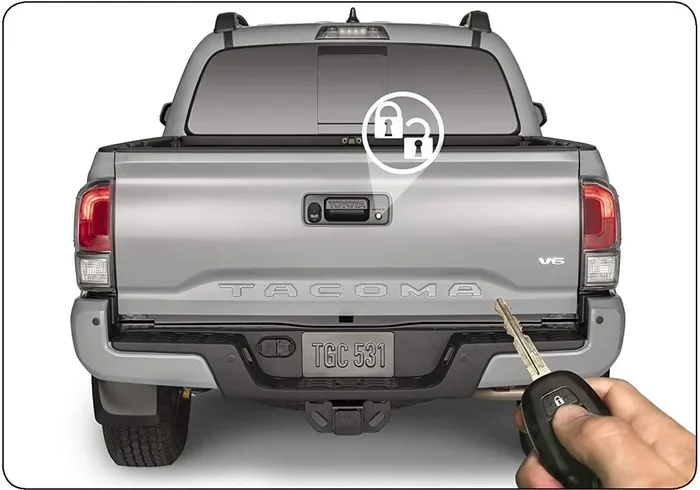
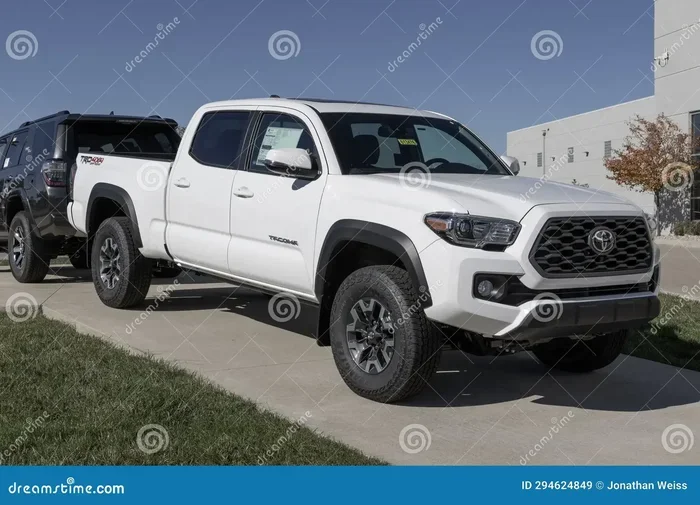
For a deeper look at Toyota maintenance costs, our article on whether Toyota Tacomas are low maintenance provides model-specific insights. The Tacoma is one of Toyota’s most popular models, and its maintenance profile reflects the brand’s overall approach to reliability.
When compared to domestic and foreign competitors, Toyota often comes out ahead on long-term maintenance costs. The combination of durability, affordable parts, and widespread service availability makes Toyotas a smart choice for budget-conscious buyers.
Common Toyota Maintenance Mistakes to Avoid
Even the best maintenance plans can be undermined by common mistakes. Avoiding these pitfalls helps you get the most from your Toyota coverage and keeps your vehicle running smoothly.
Skipping Scheduled Services
Some owners skip oil changes or tire rotations to save time or money. This is a costly mistake. Skipping scheduled services can void your warranty and lead to premature wear on critical components. Always follow the Toyota maintenance schedule outlined in your owner’s manual.
Ignoring the Maintenance Required Light
Your Toyota’s maintenance reminder light is there for a reason. Ignoring it means you may miss important service intervals. If you are unsure about what the light means, check out our guide on whether you can drive with the maintenance required light on. The short answer is yes, but you should schedule service soon.
Using Aftermarket Parts Without Research
Not all aftermarket parts are created equal. Some can void your warranty or cause compatibility issues. Stick with genuine Toyota parts or consult your dealer before using alternatives. Quality parts ensure your vehicle performs as designed and maintains its warranty coverage.
Neglecting Fluid Checks
Fluids are the lifeblood of your vehicle. Engine oil, transmission fluid, brake fluid, and coolant all need regular attention. Neglecting fluid changes leads to accelerated wear and expensive repairs. Make fluid checks part of your routine maintenance habit.
Not Keeping Maintenance Records
Documentation matters. Without proper records, proving your maintenance history can be difficult. This becomes important when making a warranty claim or selling your vehicle. Keep every service receipt and log every maintenance visit in a dedicated notebook or app.
How to Maximize Your Toyota Maintenance Coverage
Getting the most out of your Toyota maintenance coverage is straightforward. A few smart strategies ensure you do not miss out on any benefits.
- Read your owner’s manual thoroughly. It contains the complete maintenance schedule and warranty details specific to your model.
- Schedule services on time. Do not wait until you are overdue. Staying on schedule keeps your warranty intact and your vehicle running at peak performance.
- Build a relationship with your dealer. Familiar service advisors know your vehicle history and can alert you to upcoming needs.
- Ask questions at every visit. Understanding what is being serviced and why empowers you as an owner.
- Track your mileage carefully. Knowing where you stand relative to coverage milestones helps you plan ahead.
- Consider an extended warranty if needed. If you plan to keep your Toyota beyond the standard warranty period, an extended plan can provide continued protection.
Following these steps ensures you get full value from Toyota’s maintenance coverage. It also sets you up for a long, trouble-free ownership experience.
Final Thoughts on Toyota Maintenance Coverage
Toyota maintenance coverage is one of the best in the automotive industry. From the complimentary ToyotaCare plan to the long-lasting powertrain warranty, Toyota gives owners multiple layers of protection. Understanding what is covered and for how long is the first step toward smart vehicle ownership.
Your Toyota is a significant investment. Taking advantage of the maintenance coverage that comes with it protects that investment. Regular servicing, proper care, and attention to warning signs go a long way in keeping your vehicle reliable for years to come.
Remember that maintenance coverage has clear start and end dates. Plan for the period after coverage ends by budgeting for routine services. With the right approach, your Toyota will reward you with dependable performance and low ownership costs for hundreds of thousands of miles.
Stay proactive, keep your records organized, and enjoy the peace of mind that comes from owning a well-maintained Toyota. The road ahead looks bright when your vehicle is in top shape.
Frequently Asked Questions
How long does ToyotaCare last on a new Toyota?
ToyotaCare lasts for 2 years or 25,000 miles, whichever comes first. It covers routine maintenance like oil changes, tire rotations, and multi-point inspections. Roadside assistance is also included for the same period.
What is not covered under Toyota’s bumper-to-bumper warranty?
Wear-and-tear items are not covered. This includes brake pads, wiper blades, tires, and exhaust components. Damage from accidents, misuse, or neglect is also excluded. Regular maintenance is required to keep the warranty valid.
Can I extend Toyota’s maintenance coverage beyond the standard period?
Yes, Toyota offers extended warranty plans through its dealers. These plans can extend coverage beyond the standard bumper-to-bumper and powertrain periods. Contact your local Toyota dealer for details on available extended protection options.
How often should I get my oil changed if ToyotaCare has expired?
After ToyotaCare expires, oil changes are typically needed every 5,000 to 10,000 miles. The exact interval depends on your driving conditions and model. Check your owner’s manual for the manufacturer’s recommended schedule for your specific Toyota.
Does Toyota maintenance coverage transfer if I sell my car?
ToyotaCare maintenance coverage is transferable to the new owner if the coverage period has not yet expired. The bumper-to-bumper and powertrain warranties also transfer. The new owner receives the remaining coverage benefits, which adds value to the vehicle.
Are Toyota hybrid maintenance costs higher than gas models?
Generally, Toyota hybrids have lower maintenance costs than gas models. They have fewer brake replacements due to regenerative braking and less engine wear. However, hybrid-specific components like the battery pack require specialized attention. Overall, Toyotas remain affordable to maintain regardless of powertrain type.