How Durable Is a Toyota Tacoma The Full Truth Revealed
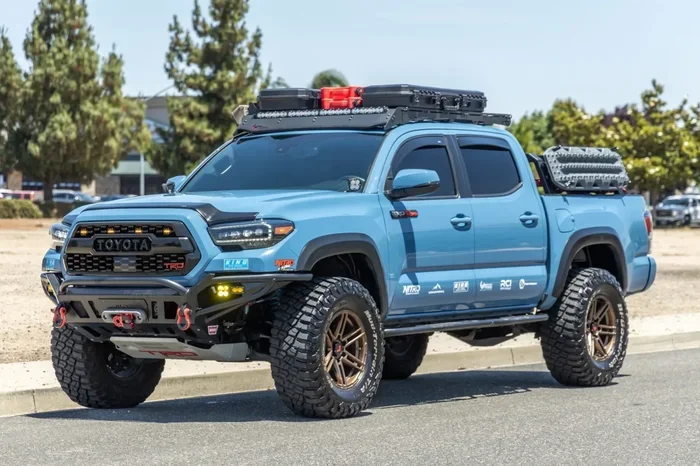
The Toyota Tacoma is one of the most durable midsize trucks on the road, known for its rugged build quality and long-lasting performance. With proper care, a Tacoma can easily surpass 200,000 miles and still run like new. This article reveals the full truth about Tacoma durability, from frame strength to engine longevity and real-world ownership experiences.
When you think about a truck that just keeps on keeping on, the Toyota Tacoma is probably the first name that comes to mind. This midsize truck has been a favorite for over three decades, and for good reason. The Toyota Tacoma durability record speaks for itself, with countless owners reporting massive mileage milestones without major breakdowns.
So, how durable is a Toyota Tacoma, really? The short answer is incredibly durable. The long answer is what we are going to break down in this article. We will look at every aspect of Tacoma reliability, from the frame to the engine, and everything in between. By the end, you will have a clear picture of what to expect from this legendary truck.
Whether you are buying your first Tacoma or have been driving one for years, understanding its durability helps you make smarter decisions. Let us get into the full truth about what makes this truck so tough and what you need to watch out for.
Key Takeaways
- Legendary Reliability: The Toyota Tacoma has earned a reputation as one of the most reliable trucks ever built, with many models lasting well over 200,000 miles.
- Strong Frame and Build Quality: The Tacoma’s body-on-frame construction and high-strength steel give it excellent durability for both work and play.
- Engine Longevity: The Tacoma’s engines, especially the 4.0L V6 and the newer 3.5L twin-turbo V6, are designed for long-term performance with proper maintenance.
- Common Issues Are Manageable: Problems like oil consumption and transmission wear are known but can be prevented with regular upkeep.
- Resale Value Stays High: Tacoma trucks hold their value exceptionally well, which reflects their long-term durability and demand.
- Maintenance Is Key: Following the maintenance schedule and addressing small issues early keeps your Tacoma running strong for decades.
📑 Table of Contents
- Why the Toyota Tacoma Has a Reputation for Durability
- Tacoma Build Quality and Frame Strength
- Engine and Drivetrain Longevity
- Common Durability Concerns and How to Handle Them
- Tacoma vs. Other Midsize Trucks: Durability Comparison
- Tips to Keep Your Tacoma Running Strong for Years
- The Long-Term Ownership Experience
- Final Thoughts on Tacoma Durability
Why the Toyota Tacoma Has a Reputation for Durability
The Toyota Tacoma has been around since 1995, and it has built one of the strongest reputations in the truck world. People buy Tacomas and keep them for a very long time. Why? Because these trucks are built to last. The Tacoma has consistently ranked at the top of reliability surveys from sources like Consumer Reports and J.D. Power.
Part of the Tacoma durability story comes down to Toyota’s engineering philosophy. Toyota designs its trucks with simplicity and strength in mind. There are fewer complex electronics to fail, and the mechanical parts are built with high-quality materials. This approach has kept the Tacoma relevant through five generations of updates.
Another reason the Tacoma holds up so well is its target audience. Toyota designed the Tacoma for people who use their trucks hard. Farmers, construction workers, outdoor enthusiasts, and everyday drivers all rely on the Tacoma. This real-world testing in tough conditions has proven the truck’s toughness time and time again.
Real-World Mileage Milestones
There are countless stories of Tacoma owners hitting 300,000, 400,000, and even 500,000 miles. These are not just rare exceptions. Many Tacoma owners report reaching the 200,000-mile mark with only routine maintenance needed. The truck’s longevity is not a fluke. It is a result of solid engineering and Toyota’s commitment to quality.
When you compare the average lifespan of a midsize truck to the Tacoma, the numbers are impressive. Most trucks in this class start showing major wear around 150,000 miles. The Tacoma often goes well beyond that with the right care. This is why the used Tacoma market is so strong and why resale values stay high.
Tacoma Build Quality and Frame Strength
The foundation of any durable truck is its frame, and the Toyota Tacoma does not disappoint. The Tacoma uses a body-on-frame construction, which means the body sits on a separate, sturdy ladder frame. This design is heavier than unibody construction, but it is far more durable and easier to repair after an accident.
Toyota uses high-strength steel for the Tacoma’s frame. This steel resists bending, cracking, and fatigue over time. The frame is also designed to handle heavy loads and tough towing situations. Whether you are hauling lumber or towing a trailer, the Tacoma frame can take the stress.
Body Panels and Rust Resistance
Rust is one of the biggest enemies of any truck. Toyota has made significant improvements in rust protection over the years. Modern Tacomas come with improved coatings and sealants that protect the body panels from moisture and road salt. Older models from the early 2000s were more susceptible to rust, especially around the wheel wells and rocker panels.
If you own an older Tacoma, taking care of any chips or scratches in the paint is important. Exposed metal is where rust starts. Some owners choose to apply a vinyl wrap or paint protection film to add an extra layer of defense. The good news is that vinyl wrap durability on trucks has improved significantly, and it can protect your Tacoma’s body from everyday wear.
Suspension and Steering Components
The Tacoma’s suspension system is built to handle rough roads and heavy loads. The front suspension uses double wishbones, while the rear uses a leaf spring setup. These components are designed for longevity, but they do wear over time. Regular inspections of shocks, bushings, and ball joints can prevent bigger problems down the road.
Most Tacoma owners find that the suspension lasts well past 150,000 miles before needing major replacement. Using OEM Toyota parts for repairs ensures the best fit and longest lifespan. Aftermarket upgrades are available, but sticking with factory parts keeps the truck’s durability intact.
Engine and Drivetrain Longevity
The heart of any truck is its engine, and the Toyota Tacoma offers some very reliable options. Over the years, the Tacoma has been available with a 2.4L four-cylinder, a 2.7L four-cylinder, a 4.0L V6, and the newer 3.5L twin-turbo V6. Each engine has its own strengths when it comes to durability.
The 4.0L V6, which was available from 2005 to 2014, is one of the most beloved Tacoma engines. It is known for being smooth, powerful, and extremely reliable. Many owners report getting 250,000 to 300,000 miles out of a 4.0L V6 with basic maintenance. The engine uses a simple timing chain design, which is more durable than a timing belt.
The newer 3.5L twin-turbo V6, introduced in the 2018+ Tacomas, brings more power and better fuel efficiency. This engine is still relatively new, but early reports are very positive. Toyota built this engine with durability in mind, using forged internals and advanced cooling systems.
Transmission Reliability
The Tacoma has been paired with both manual and automatic transmissions over the years. The manual transmissions, especially the older ones, are known for being nearly indestructible. The automatic transmissions have also been reliable, though some earlier models had issues with rough shifting at higher mileage.
The six-speed automatic in the 2016-2023 Tacomas is a solid unit. It handles the truck’s power well and shifts smoothly. Like any automatic transmission, it needs regular fluid changes to stay healthy. Changing the transmission fluid every 60,000 miles is a good practice for long-term durability.
Drivetrain Components
The Tacoma’s drivetrain includes the driveshaft, differential, and axles. These components are built to handle the truck’s towing capacity and off-road demands. The rear differential in particular is a strong unit that rarely causes problems. Front differential issues are rare but can occur in high-mileage trucks.
Keeping the differential fluid changed is one of the simplest ways to extend drivetrain life. Toyota recommends changing this fluid every 30,000 miles for towing applications. Even if you do not tow, regular fluid changes help prevent wear and keep everything running smoothly.
Common Durability Concerns and How to Handle Them
No truck is perfect, and the Tacoma has its share of known issues. Understanding these problems helps you stay ahead of them and keep your truck in top shape. Most Tacoma issues are minor and manageable with regular maintenance.
Oil Consumption Issues
Some Tacoma models, particularly the 2018-2023 trucks with the 3.5L V6, have been reported to consume more oil than expected. This is not a dealbreaker, but it is something to monitor. Checking your oil level regularly and keeping a quart on hand is a smart habit for Tacoma owners.
Toyota has addressed some of these concerns through technical service bulletins. If your truck is using excess oil, a dealer can check for software updates or other fixes. Staying on top of oil changes with the right grade of oil also helps minimize consumption.
Transmission and Electrical Gremlins
Earlier Tacoma models, especially those from the 2005-2015 era, sometimes experienced rough transmission shifts. These issues were usually minor and did not lead to major failures. Updating the transmission software at a Toyota dealer can often resolve shifting concerns.
Electrical issues in older Tacomas can include faulty window regulators, radio glitches, and sensor malfunctions. These are common in trucks of any age and are generally inexpensive to fix. Regular inspections during oil changes help catch these small problems before they grow.
Rust and Corrosion
As mentioned earlier, rust can be a concern, especially for older Tacomas. The 2005-2011 models are more prone to rust on the rocker panels and frame. If you are buying a used Tacoma in a snowy or coastal area, a thorough rust inspection is essential.
Preventing rust starts with keeping the truck clean, especially the undercarriage. Washing your truck regularly in winter months removes road salt that causes corrosion. Applying a rust inhibitor or undercoating to older models adds an extra layer of protection.
Wear Items That Need Attention
Certain parts wear out faster on the Tacoma, especially if you use the truck for towing or off-roading. Brake pads, rotors, and tires are the most common wear items. These are normal maintenance costs and are easy to budget for as a Tacoma owner.
Other components that may need attention include the serpentine belt, water pump, and thermostat. These parts are not unique to the Tacoma and are relatively affordable to replace. Staying current with the maintenance schedule keeps all of these items in good shape.
Tacoma vs. Other Midsize Trucks: Durability Comparison
When it comes to durability, how does the Tacoma stack up against the competition? Let us look at how it compares to other popular midsize trucks in terms of longevity, reliability, and ownership costs.
| Factor | Toyota Tacoma | Chevy Colorado | Ford Ranger | Nissan Frontier |
|---|---|---|---|---|
| Average Lifespan | 200,000-300,000+ miles | 150,000-200,000 miles | 150,000-200,000 miles | 150,000-200,000 miles |
| Engine Reliability | Excellent | Good | Good | Good |
| Transmission Issues | Rare | Occasional | Occasional | Occasional |
| Rust Resistance | Good (newer models) | Average | Average | Average |
| Resale Value | Excellent | Good | Good | Fair |
| Maintenance Cost | Moderate | Moderate | Moderate | Moderate |
The Tacoma clearly leads in long-term durability and resale value. While the competition has improved in recent years, the Tacoma remains the benchmark for reliability in the midsize truck segment. This is one reason why the Tacoma consistently sells well, even as newer models enter the market.
Tips to Keep Your Tacoma Running Strong for Years
Owning a Tacoma comes with the responsibility of regular maintenance. The good news is that keeping a Tacoma in excellent shape is straightforward. Follow these tips to maximize your truck’s durability and enjoy it for many years to come.
Stick to the Maintenance Schedule
Toyota provides a detailed maintenance schedule for every Tacoma model year. Following this schedule is the single best thing you can do for your truck’s longevity. Oil changes, fluid replacements, filter changes, and inspections keep all the systems running smoothly.
Do not skip scheduled services, even if the truck seems fine. Many durability issues start small and grow silently. Regular service catches problems early when they are still inexpensive to fix.
Use Quality Parts and Fluids
Using OEM Toyota parts and manufacturer-recommended fluids makes a big difference in long-term durability. Aftermarket parts vary widely in quality, and some may not last as long as factory parts. When it comes to oil, coolant, and transmission fluid, always use the specifications listed in your owner’s manual.
If you need bodywork or paint repairs, make sure to use quality materials. A full truck paint job is a significant investment, and using proper paint and preparation techniques ensures the protection lasts. Cheap paint jobs can peel and fail, leaving the truck vulnerable to rust.
Drive With Care
How you drive your Tacoma affects its durability. Avoid sudden acceleration and hard braking when possible. These habits put extra stress on the engine, transmission, and brakes. Smooth driving extends the life of all mechanical components.
Warm up the engine gently in cold weather before putting a load on it. Modern Tacomas do not need long warm-up times, but giving the engine a minute or two to circulate oil helps reduce wear. This is especially important in cold climates where oil is thicker and slower to flow.
Monitor Fluid Levels and Warning Signs
Make it a habit to check your fluid levels regularly. Engine oil, coolant, brake fluid, and power steering fluid should all be at the proper levels. Low fluids can cause serious damage if left unchecked. Keep an eye on your dashboard warning lights and address any alerts promptly.
Unusual noises, vibrations, or changes in performance are early warning signs of potential problems. Do not ignore these signals. Catching an issue early often means a simple fix instead of an expensive repair.
Protect the Exterior and Interior
Keeping your Tacoma clean does more than make it look good. Regular washing removes dirt, salt, and debris that can damage the paint and undercarriage. Waxing the exterior twice a year provides an extra layer of protection against the elements.
Inside the truck, protecting the seats and flooring from wear helps maintain the truck’s value. Using floor mats and seat covers is a simple way to prevent damage. A well-maintained interior also makes the truck more enjoyable to drive every day.
Address Recalls and Technical Bulletins
Toyota issues recalls and technical service bulletins for known issues. Checking for open recalls on your Tacoma is free and easy through the Toyota website or your local dealer. Addressing these items ensures your truck operates safely and at its best.
Some recalls are more critical than others, but none should be ignored. Even minor bulletins can affect the truck’s performance or durability over time. Staying current with recalls is one of the easiest ways to protect your investment.
Understand Your Truck’s Limits
Every truck has limits, and exceeding them causes premature wear. The Tacoma has a specific towing capacity and payload limit. Staying within these limits keeps the engine, transmission, suspension, and brakes in good shape. Overloading a truck is one of the fastest ways to shorten its lifespan.
If you regularly haul heavy loads, consider upgrading to heavier-duty components. Aftermarket suspension kits, upgraded brakes, and stronger tires can help your Tacoma handle extra weight more comfortably. Just make sure any upgrades are compatible with your specific Tacoma model.
It is also worth noting that a truck’s weight capacity affects how it handles on the road. Understanding how much weight a vehicle can safely carry helps you make smarter decisions about loading your Tacoma. Staying within safe limits protects both the truck and everyone on the road.
The Long-Term Ownership Experience
Owning a Tacoma for the long haul is a rewarding experience. Owners who keep their trucks for 10, 15, or even 20 years often report that the Tacoma becomes more than just a vehicle. It becomes a trusted companion for adventures, work, and daily life.
The Tacoma’s durability means fewer unexpected repairs and lower long-term costs compared to many competitors. While no truck is immune to problems, the Tacoma’s track record gives owners confidence that their investment will last. This reliability is why the Tacoma consistently ranks at the top of ownership satisfaction surveys.
When the time comes to sell or trade in your Tacoma, its durability and reputation work in your favor. Well-maintained Tacomas command strong resale prices, which helps offset the cost of ownership. Many owners find that their Tacoma holds 50-60% of its original value after five years of ownership.
The Tacoma’s durability is not just about numbers on a clock. It is about the confidence that comes from knowing your truck will start every morning, handle whatever you throw at it, and keep running for years to come. That is the true value of Toyota Tacoma durability.
Final Thoughts on Tacoma Durability
The Toyota Tacoma is a truck built to last. From its strong frame and reliable engines to its excellent resale value and proven track record, the Tacoma earns its reputation as one of the most durable trucks on the market. The full truth about Tacoma durability is simple. With proper care and maintenance, this truck will serve you well for hundreds of thousands of miles.
No truck is perfect, and the Tacoma has its share of minor issues like every vehicle. But the overall picture of Tacoma reliability is outstanding. Whether you use it for work, play, or both, the Tacoma delivers durability that few competitors can match. If you are looking for a truck that will be there for you for the long haul, the Toyota Tacoma is hard to beat.
Frequently Asked Questions
How many miles can a Toyota Tacoma last?
A well-maintained Toyota Tacoma can easily last 200,000 to 300,000 miles or more. Many owners report reaching 300,000 miles with only routine maintenance needed. The key factors are regular oil changes, timely fluid replacements, and addressing small issues before they become big problems.
What are the most common Tacoma durability problems?
The most common issues include oil consumption in newer 3.5L V6 models, occasional transmission shifting concerns in earlier automatics, and rust on older models. These problems are generally manageable and do not significantly shorten the truck’s overall lifespan when addressed promptly.
Is the Toyota Tacoma better than other midsize trucks for durability?
Yes, the Tacoma consistently outperforms competitors in reliability and longevity surveys. It has a longer average lifespan, fewer major mechanical issues, and better resale value than most rivals. This is largely due to Toyota’s focus on simplicity and proven technology over flashy features.
Does towing affect Tacoma durability?
Towing within the Tacoma’s rated capacity does not significantly reduce durability. However, consistently overloading the truck can strain the engine, transmission, and suspension over time. Following the manufacturer’s towing guidelines and keeping up with maintenance ensures the truck stays in good shape.
How often should I service my Toyota Tacoma?
Toyota recommends servicing the Tacoma every 5,000 to 10,000 miles for oil changes, depending on the model year and driving conditions. More comprehensive services, including fluid changes and inspections, should follow the maintenance schedule in the owner’s manual. Staying consistent with service is the best way to maximize durability.
Are older Tacomas still worth buying for durability?
Yes, older Tacomas are known for their durability and are often available at affordable prices. Models from 2005 to 2015 are particularly popular for their proven reliability and simple mechanics. Just be sure to inspect for rust and verify that the maintenance history is complete before purchasing.