How Do You Set TPMS on a Toyota Simple Steps Inside
Setting TPMS on a Toyota is a straightforward process that every owner should know. This guide walks you through the exact steps to reset your Toyota tire pressure monitoring system in just a few minutes. Whether you have a Camry, RAV4, or any other Toyota model, you will find clear instructions to get your TPMS warning light off and your tires properly monitored.
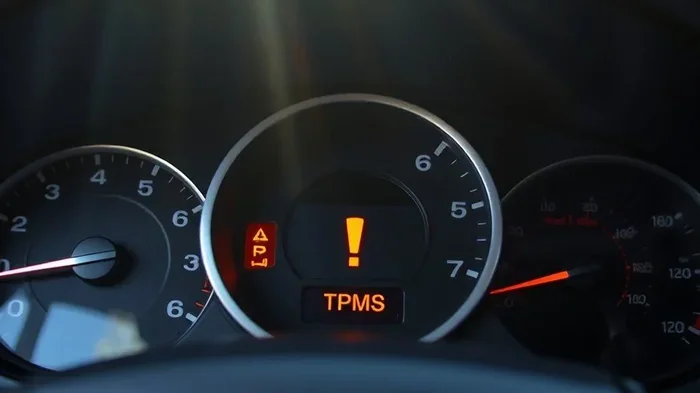
Have you ever been driving down the road and suddenly spotted that little yellow light on your Toyota dashboard shaped like a horseshoe with an exclamation mark? That is your TPMS warning light, and it means something is off with your tire pressure. If you have been Googling how do you set TPMS on a Toyota, you are in the right place. This guide breaks down the entire process in simple, easy-to-follow steps that anyone can handle at home.
Your Toyota’s tire pressure monitoring system is designed to keep you safe. It alerts you when tire pressure drops below recommended levels. But sometimes that light stays on even after you have fixed the problem. That is where resetting the system comes in. Knowing how to reset TPMS Toyota saves you a trip to the dealer and gives you confidence every time you get behind the wheel.
## What Is TPMS and Why Does It Matter?
The tire pressure monitoring system, or TPMS, is a built-in safety feature in every modern Toyota. It uses small sensors inside each tire to measure air pressure in real time. When pressure drops too low, the system sends a signal to your dashboard. The TPMS warning light then turns on to let you know something needs attention.
Proper tire pressure matters more than most people realize. Underinflated tires cause uneven wear, reduce fuel efficiency, and increase the risk of blowouts. Overinflated tires give you a harsh ride and wear out the center of the tread faster. Keeping your tires at the right pressure extends their life and keeps your Toyota running smoothly.
### How TPMS Sensors Work
Each tire has a small sensor attached to the valve stem. This sensor measures the air pressure inside the tire and sends a wireless signal to your car’s computer. If the pressure falls below the recommended level, the computer triggers the warning light. Some Toyotas display individual tire pressures on the dashboard screen, while others only show the warning light.
The sensors run on small batteries that typically last 5 to 7 years. When the battery dies, the sensor stops sending readings. This is one of the most common reasons the TPMS light stays on even when your tires are fine.
## When Should You Set TPMS on Your Toyota?
You should reset your Toyota TPMS in several situations. Understanding when to do it helps you stay ahead of problems and keeps your dashboard warning-free.
### After a Tire Rotation or Replacement
Whenever you rotate your tires or replace one or more tires, the system needs recalibration. The sensors may have moved to different positions, and the system needs to relearn their locations. A quick TPMS reset after any tire work ensures accurate readings.
### After Adding Air to Tires
If you have driven with low tire pressure and then added air, the warning light may not turn off automatically. You need to manually reset the tire pressure light so the system recognizes the corrected pressure.
### After Temperature Changes
Cold weather causes tire pressure to drop. This is perfectly normal and often triggers the TPMS light in winter months. Once the tires warm up and reach proper pressure, a reset clears the light.
### After Replacing a TPMS Sensor Battery
When a sensor battery dies, you need to replace the entire sensor or just the battery depending on the model. After replacement, you must recalibrate the TPMS so the system recognizes the new sensor.
## How to Set TPMS on a Toyota: Step-by-Step Guide
Resetting TPMS on a Toyota is simpler than most people think. The exact steps vary slightly depending on your model and year, but the general process is very similar across the lineup. Below, we walk you through the most common method used in Toyota vehicles.
### Step 1: Check Your Tire Pressure First
Before you do anything with the controls, make sure your tires are actually at the correct pressure. Open the driver’s side door and look for the sticker that shows the recommended PSI for your Toyota. Use a tire pressure gauge to check each tire, including the spare if applicable.
Add air to any tires that are below the recommended level. Do not skip this step. Resetting the TPMS without fixing the actual pressure problem will just cause the light to come back on.
### Step 2: Turn the Ignition to the “ON” Position
Press the start button or turn the key to the “ON” position without starting the engine. The dashboard lights should come on, but the engine should not be running. This puts your Toyota in accessory mode, which is what you need to access the TPMS menu.
### Step 3: Locate the TPMS Reset Button
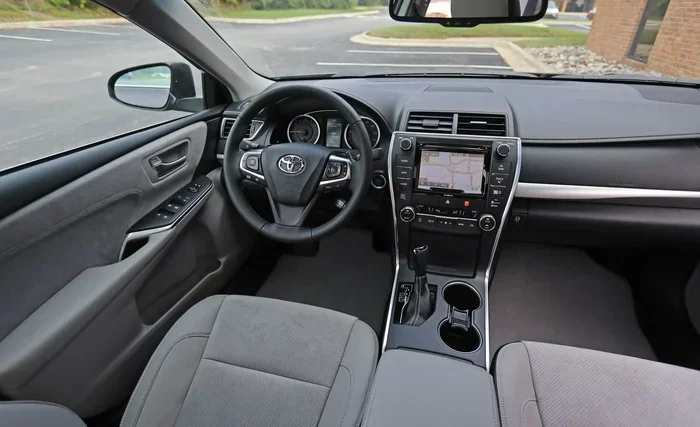
On most Toyota models, the TPMS reset button is located under the steering column or on the left side of the dashboard. It is usually a small button with the letters “TPMS” or a symbol that looks like a tire with an exclamation mark. In some models, you may find it inside the glove box.
If you cannot find the button, check your owner’s manual. Every Toyota comes with a manual that shows the exact location of the reset switch for your specific model.
### Step 4: Press and Hold the Reset Button
Press and hold the TPMS reset button until you see the warning light on the dashboard blink three times. This usually takes about 3 to 5 seconds. Release the button once you see the blinking.
The blinking light confirms that the system has entered reset mode. Now the car is ready to relearn the tire pressure readings from each sensor.
### Step 5: Start the Engine and Drive
Start the engine and drive your Toyota at a steady speed of about 30 to 50 mph for approximately 15 to 20 minutes. During this drive, the system recalibrates and stores the new pressure readings from each sensor.
You do not need to do anything special during this drive. Just maintain a consistent speed and let the system do its work. Once the drive cycle is complete, the TPMS warning light should turn off.
### Step 6: Verify the Reset Was Successful
After your drive cycle, turn the ignition off and then back on again. Check if the TPMS warning light is still on. If it is off, your reset was successful. If it remains on, you may need to repeat the process or investigate further.
### Toyota Model Variations
Different Toyota models have slightly different reset procedures. Here is a quick look at some common models and their specific quirks.
– Toyota Camry: The reset button is typically located under the steering wheel on the lower left side of the dashboard.
– Toyota RAV4: Some RAV4 models use the infotainment screen to access TPMS settings instead of a physical button.
– Toyota Corolla: The reset process follows the standard method described above with the physical button.
– Toyota Highlander: Higher-end Highlanders may display individual tire pressures, making it easier to verify readings after a reset.
For model-specific instructions, always refer to your owner’s manual or visit a certified Toyota service center.
## Common TPMS Problems on Toyota Vehicles
Even after a successful reset, TPMS issues can come back. Understanding the most common problems helps you troubleshoot effectively and avoid unnecessary trips to the mechanic.
### TPMS Light Stays On After Reset
This is the most common complaint among Toyota owners. If the light stays on after you have followed the reset steps, there are a few possible causes. One tire may still be slightly low on pressure. A sensor battery may have died. Or there could be a fault in the system itself.
Start by rechecking all four tires with a tire pressure gauge. Make sure each tire matches the recommended PSI exactly. If all tires are correct and the light still stays on, the sensor battery may need replacement.
### Intermittent TPMS Warning
Sometimes the light comes and goes on its own. This often happens with temperature fluctuations. Cold mornings can temporarily lower tire pressure enough to trigger the light. As the tires warm up from driving, the pressure rises and the light goes off.
If this happens frequently, consider checking your tire pressure more often during seasonal changes. A tire pressure monitoring system works best when you stay on top of regular maintenance.
### TPMS Sensor Failure After Battery Death
TPMS sensors run on small batteries that last several years. When the battery dies, the sensor stops working entirely. You will see a steady TPMS light rather than an intermittent one. In most cases, the entire sensor needs replacement because the battery is not user-replaceable.
A Toyota service center can diagnose sensor failures quickly using specialized diagnostic tools. They can also replace the sensor and recalibrate the system in one visit.
### False Warnings After Tire Replacement
If you have recently replaced tires or rims, the TPMS light may come on due to a mismatch. Some aftermarket rims do not fit the TPMS sensor properly, causing air leaks. Even a tiny leak can trigger the warning light.
Always have new tires and rims installed by a professional who understands Toyota TPMS compatibility. They can ensure the sensors seat properly and no air escapes.
## Tips for Maintaining Your Toyota TPMS
Taking care of your tire pressure monitoring system is easy and pays off in the long run. Follow these simple tips to keep your TPMS working accurately and avoid unexpected warnings.
Check tire pressure monthly. A quick check once a month keeps you ahead of slow leaks and seasonal pressure drops.
Invest in a quality tire pressure gauge. The cheap pencil-style gauges at gas stations are often inaccurate. A digital gauge gives you precise readings every time.
Replace TPMS sensor batteries on schedule. Most sensor batteries last 5 to 7 years. If your Toyota is older, consider having the sensors checked during routine service visits.
Do not ignore the warning light. Even if your tires look fine, a persistent TPMS light warrants attention. A small sensor issue today can become a bigger problem tomorrow.
Keep your tires properly inflated. This is the single best thing you can do for your TPMS and your tires. Proper pressure reduces wear, improves fuel economy, and keeps the system happy.
Clean the valve stems regularly. Dirt and debris around the valve stem can cause slow leaks that affect sensor readings. A quick wipe-down during car washes helps.
## Expert Insights on Toyota TPMS Maintenance
Regular TPMS maintenance is one of the most overlooked aspects of Toyota ownership. Many owners only think about their tire pressure when the warning light comes on. By then, the tires may have already suffered from extended periods of underinflation.
Professional technicians recommend checking your TPMS sensors during every oil change. This quick check can catch dying sensor batteries and slow leaks before they become serious issues. It also gives you peace of mind knowing your Toyota vehicle maintenance is up to date.
One common mistake owners make is topping off tires without checking for leaks. If you find yourself adding air frequently, there is likely a slow puncture or a faulty valve stem. Addressing the root cause saves money on new tires and keeps your TPMS readings accurate.
Another expert tip is to keep a tire pressure log. Write down the pressure readings each month. Over time, you will notice patterns, such as seasonal drops in winter or slow leaks that develop gradually. This log also helps your mechanic diagnose issues faster when you bring the vehicle in for service.
## Key Takeaways Recap
Resetting your Toyota TPMS is a simple process that takes just a few minutes. Always check tire pressure first, then follow the reset steps specific to your model. Regular maintenance and timely sensor replacement keep your system working accurately and your Toyota safe on the road.
## Frequently Asked Questions About Toyota TPMS
How do I know if my TPMS sensor battery is dead?
A dead TPMS sensor battery usually causes a steady warning light that does not go away after a reset. You may also see a flashing light or a message on the dashboard screen indicating a sensor fault. A certified Toyota technician can scan the system to confirm which sensor needs replacement.
Can I drive with the TPMS light on?
You can drive short distances with the TPMS light on, but it is not recommended. The light means your tire pressure is likely too low, which affects handling, braking, and fuel economy. Check your tire pressure as soon as possible and add air if needed before driving longer distances.
How long does a TPMS reset take on a Toyota?
A TPMS reset on a Toyota typically takes less than 10 minutes total. The reset button process takes about 1 minute, and the drive cycle to recalibrate takes around 15 to 20 minutes. If you also need to check and adjust tire pressure, add another 5 to 10 minutes.
Why does my TPMS light come on in cold weather?
Cold air causes tire pressure to drop. As the temperature outside falls, the air inside your tires contracts, reducing pressure. This can trigger the TPMS light even when your tires were properly inflated in warmer weather. Adding a little air during cold months usually fixes the issue and clears the light after a reset.
Can I reset TPMS myself or do I need a mechanic?
You can absolutely reset TPMS yourself in most Toyota models. The process requires no special tools, just the reset button under your dashboard and a short drive. However, if the light keeps coming back, you may need a mechanic to diagnose sensor issues or check for slow leaks that are beyond a simple reset.
Does Toyota recommend a specific TPMS fluid or sealant?
Toyota does not recommend using TPMS sealants or fluids in most cases. These products can clog the sensor and interfere with accurate readings. If you get a puncture, have the tire repaired or replaced properly by a qualified technician who understands Toyota tire pressure monitoring system requirements.
## Conclusion
Setting TPMS on a Toyota does not have to be complicated. With the right knowledge and a few simple steps, you can reset your tire pressure monitoring system in minutes and get back to worry-free driving. Whether you drive a Camry, RAV4, Corolla, or any other Toyota model, the process follows the same basic principles: check pressure, press reset, drive, and verify.
Regular TPMS maintenance keeps your Toyota safe, improves fuel economy, and extends the life of your tires. Do not wait for that yellow warning light to become a constant reminder of neglected maintenance. Take a few minutes today to check your tire pressure and reset your system if needed.
If you ever run into persistent TPMS issues or need help with more complex Toyota maintenance, do not hesitate to visit a certified Toyota service center. They have the tools and expertise to handle everything from TPMS sensor replacement to full vehicle diagnostics. Your Toyota deserves the best care, and now you have the knowledge to give it.
For more helpful Toyota maintenance guides and tips, explore our other articles on vehicle care and ownership. Stay informed, stay safe, and enjoy every mile in your Toyota.
Key Takeaways
- Quick Reset: Most Toyota models let you reset TPMS in under 5 minutes using the dashboard controls.
- Safety First: Proper tire pressure keeps you safe and improves fuel economy on every drive.
- Common Triggers: Temperature changes, tire rotations, and sensor battery death are the top reasons TPMS lights come on.
- Model Differences: The reset process varies slightly between Toyota models, but the basics remain the same.
- Regular Maintenance: Checking your tire pressure sensor regularly prevents unexpected warnings and costly repairs.
- Hybrid Compatibility: Toyota hybrid vehicles follow a similar TPMS reset process with minor differences.
Frequently Asked Questions
What is How Do You Set TPMS on a Toyota??
How Do You Set TPMS on a Toyota? is an important topic with many practical applications.