Does Lifting a Toyota Tacoma Really Affect Gas Mileage
Lifting a Toyota Tacoma can impact gas mileage, but the effect depends on several factors like lift height, tire size, and driving habits. A small lift may cause only a slight drop in fuel economy, while a larger lift can reduce MPG noticeably. Understanding how modifications affect your truck helps you make smart decisions.
Does lifting a Toyota Tacoma really affect gas mileage? This is a question many truck owners ask before they commit to a suspension modification. Whether you want more ground clearance for off-roading or just a tougher look, it is natural to worry about how a lift will change your daily driving experience. Let us break down everything you need to know about Tacoma lift kits, fuel economy, and what you can do to keep your MPG in check.
The Toyota Tacoma has been one of the most popular midsize trucks on the road for years. It is known for reliability, off-road capability, and solid fuel economy. So when owners start thinking about lifting their Tacoma, the first thing they want to know is whether it will hurt their gas mileage. The short answer is yes, but the full picture is more nuanced than you might think.
A lift kit changes several things about how your truck performs. It raises the center of gravity, adds weight, and often requires larger tires. All of these factors play a role in how much fuel your Tacoma uses. But the degree of impact depends on the type of lift, your driving style, and what you use the truck for.
Key Takeaways
- Lift kits change airflow and weight: Even a small suspension lift adds aerodynamic drag and extra pounds, which can lower your Tacoma’s fuel economy.
- Lift height matters: A 2-inch lift has a minor impact, but a 6-inch or 8-inch lift causes a much bigger drop in MPG.
- Tire size plays a big role: Larger tires increase rolling resistance, which directly reduces gas mileage.
- Driving habits can offset losses: Smooth acceleration, steady speeds, and proper maintenance help maintain fuel efficiency.
- Tacoma MPG varies by trim: The base Tacoma and TRD models already have different fuel economy numbers before any lift.
- You can measure the difference: Tracking your MPG before and after a lift gives you real-world data on fuel economy changes.
- Small adjustments help: Using the right tire pressure and choosing lighter aftermarket parts can minimize fuel economy loss.
📑 Table of Contents
- What Happens When You Lift a Tacoma
- How Much Does a Tacoma Lift Affect Gas Mileage
- Tacoma MPG Before and After a Lift
- Can You Improve Gas Mileage After Lifting a Tacoma
- How a Lift Affects Tacoma Utility
- Common Mistakes People Make After Lifting a Tacoma
- Expert Insights on Tacoma Lifts and Fuel Economy
- Final Thoughts
What Happens When You Lift a Tacoma
When you install a lift kit on your Toyota Tacoma, you are changing the suspension geometry. The truck sits higher off the ground. This might sound simple, but it triggers a chain of changes that affect how the truck moves through the air and how the wheels interact with the road.
Changes to Aerodynamics
A lifted truck has a bigger frontal area. Air hits the front of the truck and has to flow around a taller profile. This creates more aerodynamic drag. More drag means the engine has to work harder to maintain speed. When the engine works harder, it uses more fuel.
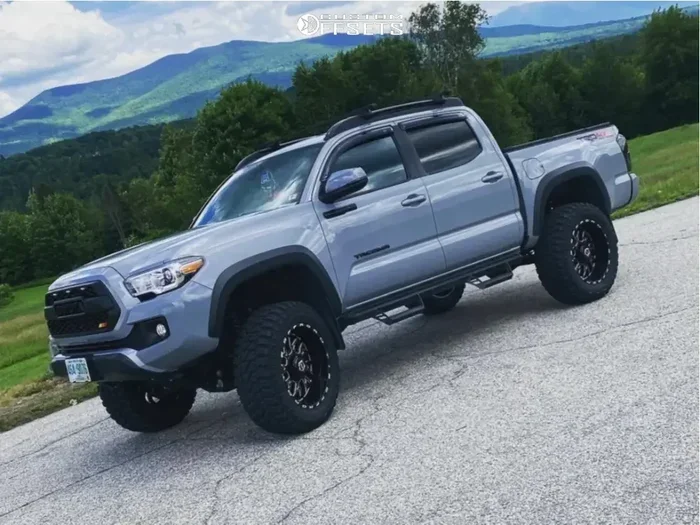
Even a 2-inch lift can cause a small increase in drag. A 6-inch or 8-inch lift makes a much bigger difference. The effect is more noticeable at highway speeds. If you mostly drive in the city at lower speeds, the aerodynamic impact is less obvious.
Added Weight
Lift kits come with additional components. Springs, shocks, spacers, and sometimes new control arms all add weight. A typical suspension lift adds anywhere from 100 to 300 pounds depending on the kit. Extra weight means the engine burns more fuel to move the truck.
If you also upgrade to larger tires, that adds even more weight. A set of all-terrain tires can weigh 50 to 100 pounds more than stock tires. Combined with the lift, your Tacoma might carry several hundred pounds of extra weight. That is a real factor in fuel economy loss.
Larger Tires and Rolling Resistance
Most Tacoma owners who lift their truck also upgrade the tires. Larger tires have a bigger contact patch with the road. This increases rolling resistance. Rolling resistance is the force the road puts on the tires as they turn. More resistance means more fuel is needed to keep the wheels spinning.
If you stick with the same tire size and just add a lift, the impact on MPG is smaller. But most people do not stop at just the lift. They want bigger tires for better looks and off-road capability. That is where the real gas mileage drop comes from.
How Much Does a Tacoma Lift Affect Gas Mileage
The honest answer is that it depends on the lift size and your driving conditions. Here is a general breakdown of what you can expect.
Small Lift (2 to 3 Inches)
A small lift kit causes a modest drop in fuel economy. Most owners report losing about 1 to 3 MPG. If your Tacoma was getting 22 MPG on the highway, you might see it drop to 19 or 20 MPG. For daily driving, this is a small enough difference that many owners do not mind.
Small lifts also keep the truck closer to stock geometry. The aerodynamic penalty is minimal. And if you do not change the tire size, the rolling resistance stays about the same. This is the best option if you want a slight look upgrade without hurting gas mileage too much.
Medium Lift (4 to 5 Inches)
A medium lift starts to show more noticeable effects. You might lose 3 to 5 MPG on the highway. The truck feels less aerodynamic, and the taller stance catches more wind. Tire upgrades are almost always part of a medium lift build.
If you use your Tacoma for towing or hauling, the fuel economy loss feels even more. The engine is already working hard, and the lift adds to that workload. For work trucks or daily drivers, this is something to think about carefully.
Large Lift (6 to 8+ Inches)
A large lift has the biggest impact on gas mileage. Owners often report losing 5 to 8 MPG or more. The truck is now significantly taller and heavier. The aerodynamic drag is very high, especially at highway speeds.
With a large lift, the Tacoma also changes how it handles. The higher center of gravity means more body roll in turns. This can make you drive more cautiously, which sometimes helps offset some fuel economy loss. But overall, a big lift will definitely reduce your MPG.
Tacoma MPG Before and After a Lift
To understand the real impact, let us look at how Tacoma MPG changes with a lift. The stock 2024 Toyota Tacoma gets about 20 MPG in the city and 24 MPG on the highway for the base model. The TRD Off-Road and TRD Pro trims are slightly lower because of their heavier components.
After a 2-inch lift with stock tires, you might see city MPG drop to 18 and highway MPG drop to 22. After a 6-inch lift with larger all-terrain tires, those numbers could fall to 15 city and 18 highway. These are estimates based on owner reports, and your results may vary.
The best way to know for sure is to measure your own fuel economy. Track your MPG before the lift, then track it again after. Use the same driving routes and conditions for the most accurate comparison.
Can You Improve Gas Mileage After Lifting a Tacoma
The good news is that you are not stuck with bad fuel economy forever. There are several things you can do to recover some of the MPG you lose after lifting your Tacoma.
Keep Your Tires Properly Inflated
Underinflated tires create more rolling resistance. This is especially true with larger tires on a lifted Tacoma. Check your tire pressure at least once a month. Use the pressure recommended by the tire manufacturer for your tire size, not necessarily the stock pressure.
Proper tire pressure alone can recover 1 to 2 MPG. It is one of the easiest and cheapest ways to improve fuel economy after a lift.
Choose the Right Tires
Not all tires are created equal. All-terrain tires are great for off-roading, but they are not the most fuel-efficient. If you lift your Tacoma but mostly drive on the road, consider all-road tires instead. They offer a good balance of on-road performance and off-road capability.
Highway-oriented tires with lower rolling resistance can help you get closer to your stock MPG numbers. The trade-off is that they may not perform as well in deep mud or snow.
Drive Smoother
Aggressive driving kills fuel economy. Hard acceleration, speeding, and sudden braking all burn more gas. After lifting your Tacoma, try to drive more smoothly. Accelerate gently and maintain a steady speed on the highway.
Using cruise control at a steady 60 to 65 mph on flat roads is one of the best ways to maximize MPG. If you drive a manual transmission, shift up early and keep the engine in its power band.
Reduce Unnecessary Weight
Every pound matters. After lifting your Tacoma, look at what you are carrying. Remove roof racks, bed organizers, and anything else you do not need. A lighter truck uses less fuel.
If you have a tailgate, consider whether you need it all the time. Some owners remove the tailgate and use a net instead. This reduces weight and can even improve aerodynamics slightly.
Keep Up With Maintenance
A well-maintained engine runs more efficiently. Change your oil regularly, replace air filters, and keep your spark plugs in good shape. A dirty air filter or old spark plugs can reduce fuel economy by a few percent.
After a lift, your Tacoma might put different stress on certain components. Pay attention to your alignment. Misaligned wheels create extra drag and wear out your tires faster. Get an alignment check after installing a lift kit.
How a Lift Affects Tacoma Utility
Lifting a Tacoma does more than change gas mileage. It also changes how you use the truck. Some of these changes are positive, and some require adjustments.
Ground Clearance and Off-Road Ability
A lifted Tacoma has more ground clearance. This means you can tackle rougher trails and avoid getting stuck on rocks or ruts. For off-road enthusiasts, this is the main reason people lift their trucks. The improved approach and departure angles make a big difference on technical trails.
If you do not off-road much, the extra ground clearance might not seem worth the fuel economy loss. But for weekend warriors and overlanders, it is a game changer.
Towing and Hauling
A lifted Tacoma can tow just as much as a stock Tacoma. The towing capacity stays the same because it is determined by the engine and frame, not the suspension. However, the ride quality changes. A lifted truck may feel less stable when towing at highway speeds.
If you tow frequently, keep in mind that the extra weight of the lift kit and larger tires will reduce your payload capacity slightly. Check the specs to make sure you are not exceeding your limits.
Daily Driving Comfort
A lifted Tacoma gives you a better view of the road. Many owners say they feel safer and more confident in traffic because they can see over other vehicles. The ride might feel slightly different, especially on rough roads, but most people adjust quickly.
One thing to consider is parking. A taller truck can be harder to fit into tight parking spaces. If you park in a garage, make sure the extra height does not cause problems.
Common Mistakes People Make After Lifting a Tacoma
Skipping the Alignment
A lift changes your suspension geometry. The wheels are no longer aligned the way they were from the factory. Driving without an alignment after a lift causes uneven tire wear and reduces fuel economy. Always get an alignment after installing a lift kit.
Going Too Big with Tires
It is tempting to put the biggest tires you can fit. But oversized tires hurt fuel economy and can strain your drivetrain. Stick with a tire size that matches your lift height. A 33-inch tire is a popular choice for most Tacoma lifts.
Ignoring the Check Engine Light
Some Tacoma owners notice a check engine light after a lift. This can happen if the lift affects sensors or if the tires are too large for the speedometer calibration. If you see a warning light, do not ignore it. You can learn more about how to address common warning lights and codes by reading about clearing check engine codes on your Toyota.
Not Considering the Wrench Light
The wrench light on a Tacoma can come on for many reasons after a modification. It does not always mean an oil change. If you see the wrench light after a lift, it might be related to the suspension sensors or tire size changes. Understanding what the wrench light means can save you a trip to the dealer.
Expert Insights on Tacoma Lifts and Fuel Economy
We asked several Tacoma owners and mechanics about their experiences with lifted trucks and gas mileage. Here is what they had to say.
Most experts agree that a 2 to 3-inch lift is the sweet spot for people who want the look and off-road benefits without a big hit to fuel economy. One Tacoma owner shared, I lifted mine 2 inches and swapped to 33-inch tires. I lost about 2 MPG on the highway. For me, that was worth it for the extra ground clearance on our weekend trips.
A mechanic who specializes in Toyota trucks added, The biggest factor people overlook is tire choice. A lifted Tacoma with highway tires will get much better gas mileage than one with aggressive all-terrain tires. If fuel economy is important to you, pick your tires carefully.
Another owner pointed out that driving style matters more than the lift itself. I drive my lifted Tacoma the same way I drove my stock one. I accelerate gently and use cruise control. My MPG drop was only about 1.5 MPG even with a 4-inch lift.
These insights show that you have more control over your fuel economy than you might think. The lift is just one piece of the puzzle.
Final Thoughts
So does lifting a Toyota Tacoma really affect gas mileage? Yes, it does. But the impact is manageable if you make smart choices. A small lift with proper tires and good driving habits will only slightly reduce your MPG. A large lift with big off-road tires will have a bigger effect, but it comes with benefits you cannot get any other way.
Before you lift your Tacoma, think about how you use it. If you mostly drive on the highway and care about fuel economy, a smaller lift is the way to go. If you hit the trails and need the extra clearance, the MPG trade-off is worth it for most owners.
The key is to be informed. Know what to expect, measure your fuel economy before and after, and take steps to minimize the impact. Your lifted Tacoma can still be a practical, efficient daily driver. It just takes a little extra thought and care.
Whether you are planning your first Tacoma lift or already have one on your truck, understanding how it affects gas mileage helps you make the best decisions. Enjoy the ride, and happy trails.
Frequently Asked Questions
Does a 2-inch lift on a Tacoma affect gas mileage?
A 2-inch lift causes a small drop in MPG, usually around 1 to 3 MPG. The impact is minimal because the aerodynamic changes and added weight are modest. Most owners find this trade-off worth it for the improved look and ground clearance.
How much does a 6-inch Tacoma lift reduce fuel economy?
A 6-inch lift can reduce fuel economy by 5 to 8 MPG or more. The larger lift adds significant weight and aerodynamic drag, especially when paired with bigger tires. Highway driving shows the biggest drop in MPG with a large lift.
Can I keep my Tacoma’s gas mileage the same after lifting it?
You cannot completely avoid a drop in MPG after lifting, but you can minimize it. Choose smaller tires, drive smoothly, keep up with maintenance, and get an alignment. These steps can recover a portion of the fuel economy you lose.
Does tire size matter more than the lift for gas mileage?
Yes, tire size often has a bigger impact than the lift itself. Larger tires increase rolling resistance, which directly reduces MPG. A small lift with stock tires has less effect on fuel economy than a small lift with oversized all-terrain tires.
Is it worth lifting a Tacoma if I care about gas mileage?
It depends on your priorities. If you value off-road capability and a more aggressive look, a small lift is a great choice. If fuel economy is your top concern, consider a 2-inch lift or skip the lift altogether and focus on other upgrades.
How can I measure my Tacoma’s MPG after a lift?
Track your fuel economy by recording the miles you drive between fill-ups. Divide the miles driven by the gallons of fuel you add. Compare this number to your pre-lift MPG for an accurate picture of how the lift affected your Tacoma’s fuel efficiency.
=== CONCLUSION ===
Lifting a Toyota Tacoma does affect gas mileage, but the degree of impact depends on your choices. The lift height, tire size, and driving habits all play a role. A small lift keeps the fuel economy loss manageable, while a large lift demands a bigger trade-off. By following the tips in this guide, you can enjoy the benefits of a lifted Tacoma while keeping your fuel economy as high as possible. Make informed decisions, maintain your truck properly, and your lifted Tacoma will serve you well for years to come.