Do Toyota 4Runners Hold Their Value Here Is The Truth
Toyota 4Runners are legendary for holding their value remarkably well. This SUV consistently ranks among the top vehicles for resale value in the compact SUV segment. Whether you are buying new or used, the 4Runner proves that reliability and demand go hand in hand with long-term worth.
Key Takeaways
- Strong Resale: Toyota 4Runners hold their value significantly better than most competitors in the SUV market.
- Reliability Factor: The reputation for durability and low maintenance costs drives demand in the used market.
- Depreciation Curve: The steepest drop happens in the first few years, then the value stabilizes for a long period.
- Trim Matters: Higher trims and special editions tend to retain value even better than base models.
- Used Market Advantage: Buying a used 4Runner can be a smart financial move because the depreciation has already softened.
- Off-Road Appeal: The off-road capability and rugged reputation keep demand high across generations.
📑 Table of Contents
- Do Toyota 4Runners Hold Their Value?
- Understanding 4Runner Depreciation
- Which 4Runner Trims Hold Value Best?
- How to Maximize Your 4Runner’s Value
- The Used 4Runner Market: What Buyers Should Know
- Common Mistakes That Reduce 4Runner Value
- Is the 4Runner Worth It for Long-Term Ownership?
- Final Thoughts
Do Toyota 4Runners Hold Their Value?
If you have ever walked into a used car dealership and seen a Toyota 4Runner priced surprisingly close to what it cost brand new, you are not imagining things. The Toyota 4Runner has built a reputation over decades for being one of the SUVs that holds its value the best on the market. But is this just marketing hype, or is there real data behind it?
The truth is, the 4Runner consistently outperforms most vehicles in its class when it comes to resale value. According to industry reports, the 4Runner loses roughly 20 to 25 percent of its value in the first five years. Compare that to many competitors that lose 40 percent or more in the same timeframe. That difference adds up to thousands of dollars over the life of the vehicle.
So why does this matter? Whether you are buying or selling, understanding how the 4Runner holds its value helps you make a smarter financial decision. In this article, we will break down the numbers, explore the reasons behind the strong depreciation rate, and give you practical tips to maximize your investment.
What Makes the 4Runner So Good at Holding Value?
Several factors work together to make the 4Runner one of the strongest Toyota SUV value retention stories on the road. Let us look at each one closely.
Reliability and Durability
The 4Runner has earned a reputation for lasting well beyond 200,000 miles with basic maintenance. When buyers shop the used market, they look for vehicles that will not require constant repairs. The 4Runner checks that box every time. This long-term reliability creates strong demand, which keeps prices higher.
Off-Road Credibility
The 4Runner is not just a commuter vehicle. It has a proven off-road pedigree that appeals to enthusiasts and adventure seekers alike. This off-road capability means there is a dedicated fan base always looking to buy one. High demand naturally supports higher resale prices.
Limited Updates Keep It Fresh
Unlike many SUVs that get completely redesigned every few years, the 4Runner has stayed relatively unchanged for long stretches. This slow evolution means older models still feel modern and capable. Buyers in the used market see older 4Runners as solid value propositions.
Strong Brand Loyalty
Toyota owners tend to stay loyal. When it is time to sell, many 4Runner owners trade up to another 4Runner. This creates a steady demand cycle that supports the vehicle’s resale market strength.
Understanding 4Runner Depreciation
Every vehicle loses value over time. This is called depreciation. But not all depreciation is created equal. The 4Runner has a unique depreciation pattern that sets it apart from most SUVs.
Year One Depreciation
Like most vehicles, the 4Runner takes its biggest hit in the first year. You can expect a drop of around 15 to 20 percent right after purchase. This is standard across the industry and happens because the vehicle is now classified as used.
Years Two Through Five
After the first year, the depreciation rate slows significantly. The 4Runner typically loses about 10 to 15 percent more over the next four years. By year five, the vehicle has lost roughly 35 to 40 percent of its original value. For an SUV in this class, that is excellent.
Stabilization Phase
Here is where the 4Runner really shines. After the five-year mark, the depreciation curve flattens out. The vehicle holds its value remarkably well for years six through ten. This is where savvy buyers find the best deals and sellers get the fairest prices.
For comparison, vehicles like the Honda CR-V or Ford Explorer often continue dropping in value at a steadier pace throughout their lifespan. The 4Runner simply does not depreciate as fast after the initial hit.
How Does the 4Runner Compare to Other SUVs?
Let us put things into perspective with a quick comparison.
| Vehicle | 5-Year Depreciation | Resale Rating |
|---|---|---|
| Toyota 4Runner | ~35-40% | Excellent |
| Honda CR-V | ~45-50% | Very Good |
| Ford Explorer | ~50-55% | Good |
| Chevy Tahoe | ~55-60% | Fair |
| Jeep Grand Cherokee | ~50-55% | Good |
As you can see, the 4Runner stands out in the compact and mid-size SUV segments. Its value retention is hard to beat. This is one of the main reasons the 4Runner consistently appears on lists of the best vehicles to buy for long-term ownership.
Which 4Runner Trims Hold Value Best?
Not all 4Runners are created equal when it comes to holding value. The trim level, options, and special editions all play a role in resale value.
Base SR5
The SR5 is the most popular trim and holds value very well. Its balance of capability and affordability means there is always a strong used market. Buyers looking for a dependable Toyota 4Runner often start with the SR5.
TRD Off-Road and TRD Pro
These trims command a premium in the used market. The TRD Off-Road adds features like electronic locking rear differential and all-terrain tires. The TRD Pro takes it further with FOX shocks and special styling. These trims are highly sought after, and their 4Runner pricing on the used market reflects that demand.
Limited Trim
The Limited trim offers luxury features that appeal to buyers who want comfort without sacrificing capability. These models also hold value well, especially if they have lower mileage and clean histories.
Special Editions
Limited production models like the 4Runner Trail Special Edition or the Heritage Edition tend to hold value exceptionally well. Scarcity drives demand, and demand supports resale prices. If you can find one of these special editions in good condition, you will likely get top dollar when it is time to sell.
How to Maximize Your 4Runner’s Value
Whether you are planning to keep your 4Runner for years or sell it eventually, there are steps you can take to protect its value.
Keep Up With Maintenance
Regular oil changes, tire rotations, and scheduled services go a long way. A well-documented maintenance history makes buyers confident and willing to pay more. Think of it as an investment that pays off when you sell.
Avoid Modifications That Limit Appeal
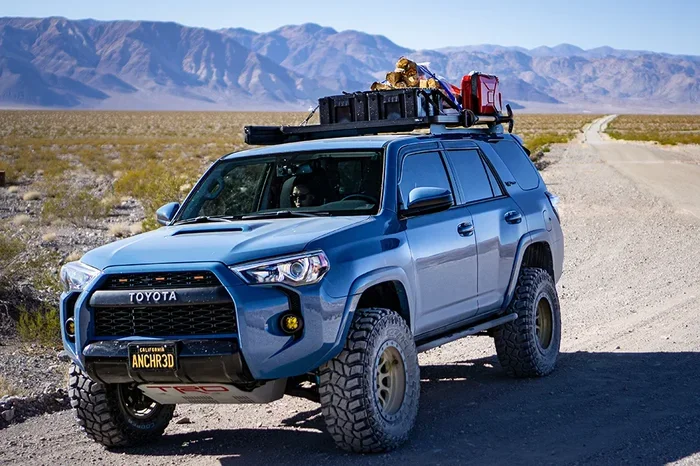
While off-road mods are fun, heavy modifications can narrow your buyer pool. Lift kits, oversized tires, and interior changes might not appeal to everyone. If you plan to sell eventually, keep modifications minimal or reversible.
Keep It Clean and in Good Shape
Interior condition matters more than most people think. A clean, well-maintained interior signals that the vehicle was cared for. Wash and wax the exterior regularly to prevent rust and paint damage. These small efforts add up to a higher resale price.
Store It Properly
If you live in a harsh climate, garage storage can protect the vehicle from weather damage. Rust, sun damage, and interior fading all reduce perceived value. A clean garage space is worth the effort.
Drive It Responsibly
Lower mileage always helps resale value, but how you drive matters too. Aggressive driving causes wear and tear that shows up on the vehicle. Smooth driving keeps the 4Runner in better shape for longer.
Quick Tips for Protecting Your 4Runner’s Value
- Always follow the maintenance schedule in the owner’s manual.
- Keep all service records in a folder or digital file.
- Address small issues before they become big problems.
- Use genuine Toyota parts for repairs when possible.
- Keep the mileage below 15,000 miles per year.
- Remove personal items and detail the vehicle before selling.
The Used 4Runner Market: What Buyers Should Know
Buying a used 4Runner is one of the smartest moves for value-conscious shoppers. Because the 4Runner holds its value so well, the used market offers some excellent opportunities.
Best Years to Buy
Models from 2010 to 2018 tend to offer the best balance of modern features and affordable pricing. These years saw significant improvements in safety and technology while still keeping the rugged character that makes the 4Runner special. You can often find well-maintained examples for a fraction of their original price.
What to Look For
When shopping for a used 4Runner, check the maintenance history first. A vehicle with complete service records is worth more and gives you peace of mind. Also, look for signs of rust, especially on older models. Check the condition of the tires, brakes, and suspension components. A pre-purchase inspection from a trusted mechanic is always a smart move.
Price Expectations
According to current market trends, a used 2018 Toyota 4Runner SR5 might be listed between $28,000 and $35,000 depending on mileage and condition. A 2015 model could range from $22,000 to $28,000. These prices reflect the 4Runner’s strong 4Runner resale value and the ongoing demand in the market.
If you want to compare how different Toyota models hold value, you might also want to read about whether Honda Civics hold their value for a broader perspective on vehicle retention.
Common Mistakes That Reduce 4Runner Value
There are a few things that can hurt your 4Runner’s resale value more than you might expect. Avoiding these mistakes can save you significant money down the road.
Skipping Regular Maintenance
This is the number one value killer. When maintenance records are incomplete or missing, buyers assume the worst. Even if the vehicle has been well cared for, no records means no proof. Always keep detailed records of every service.
Ignoring Small Problems
A small rattle today can become a major repair tomorrow. Buyers notice signs of neglect. Addressing issues early shows that you took care of the vehicle. It also prevents further damage that could reduce the vehicle’s value even more.
Excessive Modifications
Custom wheels, lowered suspension, or aftermarket interiors can limit your buyer pool. Most used car buyers want a vehicle they can drive as-is. If you must modify, choose options that are easily reversible.
Neglecting the Exterior
Rust, dents, and paint damage all reduce the perceived value of any vehicle. The 4Runner is no exception. Regular washing, waxing, and prompt rust treatment go a long way in preserving its worth.
For more insights on vehicle value, check out our guide on how to determine the actual cash value of a car to understand the broader valuation process.
Is the 4Runner Worth It for Long-Term Ownership?
The answer is a resounding yes for most buyers. The Toyota 4Runner offers a unique combination of reliability, capability, and value retention that is hard to find elsewhere.
When you buy a 4Runner, you are not just buying a vehicle. You are buying peace of mind. The 4Runner longevity means you can drive it for years without major repairs. The strong resale value means you lose less money when it is time to move on. And the off-road capability means you get to enjoy adventures that many other SUVs cannot handle.
The cost of ownership for a 4Runner is also relatively low. Toyota parts are widely available and reasonably priced. Maintenance is straightforward. The 4Runner does not require expensive specialty services that some luxury or performance vehicles demand. This combination of low ownership costs and strong resale value makes the 4Runner one of the best long-term investments in the SUV segment.
When you compare the 4Runner to competitors, the value proposition becomes even clearer. Many SUVs in the same price range depreciate faster, require more expensive maintenance, or lack the proven reliability that the 4Runner offers. The 4Runner simply delivers more value over time.
For those wondering about the 4Runner’s drivetrain options, you can read more about whether Toyota 4Runners come with AWD to understand the drivetrain choices available.
Final Thoughts
The Toyota 4Runner is one of the few vehicles on the road today that truly holds its value. From its legendary reliability to its strong off-road reputation, every aspect of the 4Runner contributes to its impressive resale value. Whether you are buying new or used, the 4Runner proves to be a smart financial choice.
The depreciation curve favors the 4Runner owner at every stage. The initial drop is manageable, and the long-term stability means your vehicle retains its worth for years. Add in low maintenance costs and strong demand in the used market, and you have a vehicle that delivers value on every level.
If you are in the market for a dependable SUV that will not drain your wallet over time, the 4Runner should be at the top of your list. It is a vehicle that earns its reputation not just through marketing, but through real-world performance and proven results. The 4Runner is not just a vehicle. It is a smart investment.
Before you make your decision, you might also want to explore whether Toyota 4Runners are losing value to understand current market trends and how they compare to historical data.
Frequently Asked Questions
Why do Toyota 4Runners hold their value so well?
The 4Runner holds its value because of its legendary reliability, strong off-road reputation, and consistent demand in the used market. Toyota builds vehicles that last, and buyers know this. The 4Runner’s proven durability means fewer worries for used buyers, which keeps demand and prices high.
How much does a 4Runner depreciate in the first five years?
A Toyota 4Runner typically loses about 35 to 40 percent of its original value in the first five years. This is significantly less than most SUVs in its class, which often lose 50 percent or more in the same timeframe. The slow depreciation is one of the 4Runner’s biggest strengths.
Which 4Runner trim holds value the best?
The TRD Off-Road and TRD Pro trims tend to hold value the best due to their added off-road features and strong demand. The base SR5 also holds value very well because it is the most popular trim and has the broadest buyer appeal. Special edition models can command even higher resale prices.
Is it better to buy a new or used 4Runner for value?
Buying used often provides the best value because the steepest depreciation has already occurred. You avoid the rapid value loss of the first few years while still getting a reliable, capable vehicle. A well-maintained used 4Runner can offer years of dependable service at a lower price point.
How can I improve my 4Runner’s resale value?
Keep up with regular maintenance, store the vehicle properly, and avoid excessive modifications. Clean the interior and exterior regularly, and address small issues before they become bigger problems. A complete service history gives buyers confidence and supports a higher resale price.
Are older 4Runners still worth buying?
Yes, older 4Runners from the 2010 to 2015 range are excellent buys. They offer strong reliability at a lower price point, and the depreciation curve has already flattened. These older models still provide the rugged capability and durability that make the 4Runner so appealing.