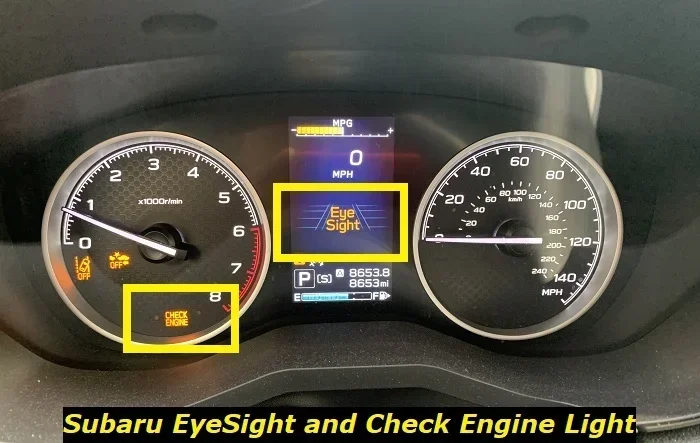
How to Disable Subaru EyeSight and Why You Might Want To
Disabling Subaru EyeSight is straightforward but requires understanding the risks and benefits. This guide walks you through the exact steps to turn off the EyeSight system, explains common reasons drivers do it, and highlights important safety considerations you should know before making any changes.
Subaru EyeSight is one of the most popular driver-assist systems on the road today. It helps keep you safe with features like adaptive cruise control, pre-collision braking, and lane keep assist. But not every driver wants it running all the time. Maybe the warnings annoy you. Maybe the camera gives you trouble. Or maybe you just prefer driving without the extra interference. Whatever your reason, disabling Subaru EyeSight is something you can do right from your driver’s seat.
In this guide, we will walk you through exactly how to turn off EyeSight. We will also cover why people do it, what you lose when you disable it, and how to avoid common pitfalls. Whether you own a Subaru Outback, Forester, Legacy, or another model, this guide has you covered. Let us dive in.
Key Takeaways
- Easy to disable: You can turn off EyeSight with a simple button press in most Subaru models.
- Common reasons exist: Many drivers disable EyeSight due to false warnings, camera issues, or personal driving preferences.
- Safety trade-offs apply: Turning off EyeSight means losing active safety features like pre-collision braking and lane keep assist.
- Camera health matters: A dirty or obstructed EyeSight camera often triggers warnings that frustrate drivers.
- Re-enabling is simple: You can turn EyeSight back on just as easily as you turned it off.
- Check your battery: Electrical issues can affect EyeSight performance, so checking your car battery is a smart first step.
📑 Table of Contents
- What Is Subaru EyeSight and How Does It Work?
- Why Would You Want to Disable Subaru EyeSight?
- How to Disable Subaru EyeSight: Step-by-Step Guide
- What Happens When You Disable EyeSight?
- Common Problems That Lead Drivers to Disable EyeSight
- Tips for Managing EyeSight Without Fully Disabling It
- When You Should Not Disable EyeSight
- Frequently Asked Questions About Disabling Subaru EyeSight
- Final Thoughts on Disabling Subaru EyeSight
What Is Subaru EyeSight and How Does It Work?
Before you learn how to disable EyeSight, it helps to understand what it actually does. Subaru EyeSight is a driver-assist technology that uses two cameras mounted near the rearview mirror. These cameras monitor the road ahead and help your car respond to potential hazards.
The system uses stereo vision to judge distance and speed. It works alongside your brakes, accelerator, and steering to help prevent collisions. Here are the main features EyeSight provides:
- Pre-Collision Braking: Automatically applies the brakes if it detects an imminent crash.
- Adaptive Cruise Control: Maintains a safe following distance from the car ahead of you.
- Lane Keep Assist: Gently steers the car back toward the center of the lane.
- Throttle Management: Reduces engine power if it senses a potential front-end collision.
- Sway Warning: Alerts you if the car drifts out of its lane without a turn signal.
These features work together to create a safety net around your vehicle. The cameras feed real-time data to the EyeSight control module, which processes everything in milliseconds. When everything works correctly, you may not even notice it doing its job. But when something goes wrong, EyeSight can make its presence very known.
Why Would You Want to Disable Subaru EyeSight?
You might be wondering why anyone would want to turn off such a helpful safety system. The truth is, there are many valid reasons drivers choose to disable EyeSight. Let us look at the most common ones.
False Warnings and Nuisance Alerts
This is the number one complaint among EyeSight users. The system sometimes triggers warnings when there is no real danger. Maybe a bird flew across the road. Maybe the camera misread a shadow. Maybe the sun was low and confused the sensors. Whatever the cause, constant false alarms get on your nerves fast.
Some drivers report EyeSight braking unnecessarily on highways. Others get warning beeps when they are perfectly safe. These experiences can make you trust the system less, which defeats the purpose of having it in the first place.
Camera Obstruction or Malfunction
The EyeSight cameras sit right behind the rearview mirror. They need a clear view of the road at all times. When something blocks the view, the system goes into protect mode and may flash warning lights on your dashboard.
Common causes of camera obstruction include:
- Snow or ice buildup on the windshield
- Dirt, mud, or road grime on the glass
- A cracked or damaged windshield near the camera
- Aftermarket accessories that block the camera view
- Improperly installed windshield accessories
If your EyeSight camera is frequently obstructed, you might find yourself fighting the system every time you drive. In this case, temporarily disabling EyeSight can save you a lot of frustration. Just remember to clear the obstruction and defog your windshield fast when conditions improve.
Personal Driving Preference
Some drivers simply do not like having a computer help them steer or brake. They feel more in control without the system intervening. This is a perfectly valid choice. EyeSight is designed to assist, not replace, the driver. If you feel the system is getting in the way of your natural driving style, turning it off is an option.
Electrical or Sensor Issues
Sometimes EyeSight malfunctions because of underlying electrical problems. A weak car battery can cause the EyeSight system to behave unpredictably. Faulty wiring, corroded connectors, or a failing control module can also trigger persistent warnings.
When the system keeps throwing error messages, it can be distracting. Disabling EyeSight lets you keep driving while you troubleshoot the root cause. Just be sure to address the issue before you rely on the system again.
Off-Road or Special Driving Conditions
Subaru vehicles are popular for off-road adventures. When you are on rough terrain, EyeSight can sometimes interfere with your driving. The system expects smooth, paved roads. On gravel, mud, or steep inclines, it may apply brakes or reduce throttle at the wrong times. Some drivers disable EyeSight specifically for off-road trips.
How to Disable Subaru EyeSight: Step-by-Step Guide
Now for the part you came here for. Disabling EyeSight is quick and easy in most Subaru models. The process is nearly identical across the lineup, though button placement may vary slightly. Here is how to do it.
Step 1: Start the Vehicle
Turn the ignition to the “ON” position or start the engine. You do not need to be moving. The EyeSight system needs to be active and ready for you to toggle it off. Wait for the dashboard to fully light up before proceeding.
Step 2: Locate the EyeSight Button
Look at the steering wheel or the center console area. The EyeSight on/off button is typically marked with the EyeSight logo. On most models, you will find it on the right side of the steering wheel or on the instrument panel cluster.
The button may also be labeled “EyeSight” or show two camera icons. If you are having trouble finding it, check your owner’s manual for the exact location. The manual will have a diagram showing the button position for your specific model year.
Step 3: Press and Hold the Button
Press and hold the EyeSight button for about three seconds. You should see a message appear on the dashboard display confirming that EyeSight has been turned off. The EyeSight indicator light will change color or disappear, depending on your model.
Here is what you will typically see on the display:
- A message saying “EyeSight Disabled” or “Driver Assist Off”
- The EyeSight icon changing from green to gray or red
- The adaptive cruise control icon disappearing from the display
Step 4: Verify the System Is Off
After pressing the button, double-check that the system is fully disabled. Look for the EyeSight indicator on your dashboard or instrument cluster. If it is no longer active, you have successfully turned off the system. You can now drive without EyeSight interventions.
Step 5: Re-Enable EyeSight When Ready
When you want to turn EyeSight back on, simply press and hold the same button for three seconds. The system will reinitialize and the dashboard indicator will return to its active state. Always re-enable EyeSight when you are back on regular roads or when the conditions that caused you to disable it have been resolved.
What Happens When You Disable EyeSight?
Turning off EyeSight is not something to take lightly. When the system is disabled, you lose access to all the active safety features it provides. Here is a closer look at what changes.
Lost Safety Features
Once EyeSight is off, the following features will no longer be active:
- Pre-collision automatic braking
- Adaptive cruise control
- Lane keep assist and sway warning
- Throttle management for collision avoidance
- Driver attention monitoring (on some models)
This means you are now fully responsible for braking, steering, and maintaining safe distances. The car becomes a standard vehicle without the added safety net. For experienced drivers on familiar roads, this is manageable. For less experienced drivers or in challenging conditions, it can increase risk.
Dashboard Warning Lights
When you disable EyeSight, you may see warning lights appear on your dashboard. These lights are normal and expected. They simply inform you that the driver-assist system is not active. Do not confuse these with malfunction warnings. If you see a red or flashing warning that looks different from the standard EyeSight off indicator, you may want to clear a check engine code or consult a professional mechanic.
Impact on Insurance and Warranty
One question many drivers ask is whether disabling EyeSight affects their insurance or warranty. In most cases, turning off EyeSight does not void your Subaru warranty. The system is designed to be user-controllable, and Subaru expects drivers to toggle it on and off as needed.
However, insurance implications can vary. Some insurers may view a vehicle with disabled safety features differently. It is always a good idea to check with your insurance provider if you have concerns. Keep in mind that EyeSight is an optional system, and Subaru designed the on/off function specifically for driver convenience.
Common Problems That Lead Drivers to Disable EyeSight
Understanding the common issues that frustrate EyeSight users can help you decide whether disabling is the right move for you. Here are the problems we see most often.
Camera Calibration Issues
EyeSight cameras need to be properly calibrated to work correctly. After a windshield replacement or a front-end collision, the cameras may need recalibration. If calibration is off, the system may give false readings or refuse to function. This is a common reason drivers seek to disable the system temporarily.
Software Glitches
Like any electronic system, EyeSight can experience software glitches. These may cause the system to behave erratically or display incorrect warnings. Subaru occasionally releases software updates through dealerships that address these issues. If your EyeSight is acting up, a software update might fix the problem without needing to disable the system entirely.
Sensitivity Settings
Some EyeSight models allow you to adjust sensitivity levels. If the system is too sensitive, it may trigger warnings too often. Adjusting the sensitivity can sometimes solve the problem without fully disabling the system. Check your vehicle settings to see if this option is available for your model.
Aftermarket Windshield Issues
If you have had a non-factory windshield installed, the camera mounting area may not be exactly where Subaru expects it. This can cause persistent EyeSight warnings and errors. In these cases, drivers often disable EyeSight until they can get the camera properly recalibrated or replaced.
Tips for Managing EyeSight Without Fully Disabling It
Before you go ahead and turn EyeSight off completely, consider these alternatives. You might be able to address the issue without losing the safety features entirely.
Clean the Camera Area Regularly
Keep the area around the rearview mirror clean and clear. A simple wipe-down with a glass cleaner can prevent many EyeSight issues. Make it part of your regular cleaning routine, especially after road trips or in bad weather.
Adjust Sensitivity Instead of Disabling
If your model allows sensitivity adjustments, try turning it down before disabling the system entirely. This can reduce false warnings while keeping the core safety features active.
Update the Software
Visit your Subaru dealership and ask if there are any EyeSight software updates available. Subaru has released updates that address known issues with false warnings and sensor errors. A simple update might solve your problem.
Check for Recalls and Technical Bulletins
Subaru occasionally issues recalls or technical service bulletins related to EyeSight. You can check for open recalls using your VIN on the Subaru website. Staying current with these updates ensures your EyeSight system works as intended.
When You Should Not Disable EyeSight
While disabling EyeSight is your choice, there are situations where you should keep it enabled. Here are times when you should definitely leave the system on.
- In heavy traffic: EyeSight helps manage following distance and reduces fatigue in stop-and-go traffic.
- On unfamiliar roads: The system provides extra protection when you are driving in new areas.
- In bad weather: Rain, fog, and low light conditions increase the risk of accidents. EyeSight can compensate for reduced visibility.
- When you are tired: Fatigue is a major factor in accidents. EyeSight adds a layer of protection when your attention is waning.
- With passengers, especially children: Extra safety measures are always wise when others are riding with you.
Use good judgment when deciding whether to disable EyeSight. The system is there to protect you and your passengers. Only turn it off when you have a clear and specific reason to do so.
Frequently Asked Questions About Disabling Subaru EyeSight
Can I disable EyeSight permanently?
Yes, you can keep EyeSight disabled each time you start the vehicle. However, Subaru recommends re-enabling it for daily driving. There is no permanent disable option built into the system, and for good reason. EyeSight provides valuable safety benefits that protect you and others on the road.
Will disabling EyeSight affect my Subaru warranty?
No, disabling EyeSight does not void your warranty. The system is designed with a user-controlled on/off function. Subaru expects owners to toggle it as needed. That said, if you disable EyeSight and get into an accident, the insurance or warranty claim process may be reviewed more carefully.
Do I need to take my car to a dealer to disable EyeSight?
No, you do not need to visit a dealership. Disabling EyeSight is done directly from the vehicle using a button on the steering wheel or dashboard. It takes about 10 seconds and requires no special tools or expertise. If you are having trouble finding the button, your owner’s manual will show you exactly where it is.
Will I still be able to use cruise control if EyeSight is off?
You can still use the standard cruise control function on most Subaru models even with EyeSight disabled. However, the adaptive cruise control feature, which adjusts your speed based on the vehicle ahead, will not be available. You will need to manually adjust your speed and following distance.
Why does my EyeSight keep turning itself back on?
In some Subaru models, EyeSight automatically re-enables each time you start the engine. This is by design. If you want it to stay off, you will need to manually disable it every time you start the car. If the system keeps turning off unexpectedly while driving, there may be an underlying electrical or sensor issue that needs attention.
Is it safe to drive without EyeSight?
Yes, it is safe to drive without EyeSight, as long as you remain attentive and follow safe driving practices. EyeSight is an assist system, not a replacement for responsible driving. Millions of Subaru vehicles operate safely every day without the system active. Just be aware that you will not have automatic braking, lane keep assist, or adaptive cruise control until you re-enable the system.
Final Thoughts on Disabling Subaru EyeSight
Knowing how to disable Subaru EyeSight gives you control over your driving experience. Whether you are dealing with annoying false warnings, a dirty camera, or just a personal preference for driving without driver-assist features, the process is simple and accessible.
Remember that EyeSight exists to keep you safe. Use the disable function wisely and only when you have a clear reason. Keep the camera clean, stay on top of software updates, and always re-enable the system when conditions call for it. Your Subaru is a capable vehicle with or without EyeSight, but with it working properly, you get the best of both worlds: a smooth ride and an extra layer of protection.
Take a moment to familiarize yourself with your specific model’s EyeSight controls. Read the owner’s manual, experiment with the settings, and find the balance that works best for your driving style. Safe travels, and enjoy the ride.