How to Check Your Transmission Fluid on Nissan Frontier
Checking your Nissan Frontier transmission fluid is one of the simplest maintenance tasks you can do at home. This guide walks you through the entire process, from locating the dipstick to reading the fluid level and color. We also cover when to change your fluid, what type to use, and common mistakes to avoid so your Frontier stays running smoothly for years to come.
Your Nissan Frontier is a tough, reliable truck. Whether you use it for work, towing, or weekend adventures, it deserves regular care. One of the most overlooked maintenance items is the transmission fluid. Many Frontier owners go years without checking it. That is a mistake. Dirty or low transmission fluid can lead to serious drivetrain problems. In this guide, we will show you exactly how to check your transmission fluid on a Nissan Frontier, what to look for, and how to keep your truck shifting smoothly.
Transmission fluid is the lifeblood of your drivetrain. It lubricates the gears, cools the internal components, and helps your truck shift gears seamlessly. Without proper fluid levels and condition, your transmission works harder, wears faster, and eventually fails. The good news is that checking the fluid level on a Nissan Frontier is straightforward. You do not need a mechanic or expensive tools. You just need a few minutes and a little know-how. Let us get into it.
Key Takeaways
- Regular Checks Matter: Checking your transmission fluid on a Nissan Frontier should be part of your routine maintenance schedule to prevent costly repairs.
- Location Varies by Model Year: Some Frontier models have a dipstick under the hood, while others may require a different access method depending on the generation.
- Fluid Color Tells a Story: Healthy transmission fluid is typically red or pink. Dark brown or black fluid with a burnt smell signals a problem.
- Check When Warm: For the most accurate reading, check your fluid when the engine is warm and the vehicle is on a level surface.
- Use the Right Fluid Type: Always use the transmission fluid specified by Nissan for your Frontier model to avoid drivetrain damage.
- Know When to Seek Help: If you notice low fluid levels or leaks, address the issue quickly to protect your transmission and avoid expensive repairs.
📑 Table of Contents
- Why Checking Your Transmission Fluid Matters
- When to Check Your Nissan Frontier Transmission Fluid
- Tools and Preparation You Will Need
- Step-by-Step Guide to Checking Transmission Fluid on a Nissan Frontier
- What Your Transmission Fluid Tells You
- Common Mistakes When Checking Transmission Fluid
- How Often Should You Change Your Transmission Fluid?
- Final Thoughts
Why Checking Your Transmission Fluid Matters
Transmission fluid does more than just lubricate. It cleans the internal components, prevents corrosion, and transmits power from the engine to the wheels. Over time, this fluid breaks down. Heat, friction, and contamination reduce its effectiveness. When the fluid degrades, your transmission starts to slip, hesitate, or shift roughly. In severe cases, the transmission can fail entirely. Rebuilding or replacing a transmission costs thousands of dollars. Regular fluid checks are a small price to pay compared to that.
For Nissan Frontier owners, staying on top of fluid condition is especially important. The Frontier is known for its durability, but even the best trucks need maintenance. Checking the fluid every few months takes only a few minutes. It gives you early warning signs of potential problems. You can catch leaks, contamination, or degradation before they become major issues. Think of it as a quick health check for your truck.
If you are also curious about whether the engine needs to be running during this process, check out our guide on Do You Check Transmission Fluid While Running. It covers the exact procedure differences and helps you get the most accurate reading.
When to Check Your Nissan Frontier Transmission Fluid
Timing matters when it comes to checking transmission fluid. You want to check it under the right conditions for an accurate reading. Here is a simple breakdown of when and how often to do it.
Recommended Check Intervals
Most experts recommend checking your transmission fluid every 3,000 to 5,000 miles. For Nissan Frontier owners, a good rule of thumb is to check it during every other oil change. If you tow heavy loads or drive in stop-and-go traffic, check it more often. Towing puts extra stress on the transmission. It heats the fluid faster and can cause it to degrade more quickly.
Best Time of Day
The best time to check your fluid is in the morning after the engine has warmed up and cooled slightly. Some owners prefer checking it when the engine is fully warm and idling. Both methods have merit. A warm engine lets the fluid circulate fully. This gives you a more accurate level reading. However, you need to be careful not to burn yourself on hot engine components.
Seasonal Considerations
Extreme temperatures affect transmission fluid. In very cold weather, the fluid thickens and may not read accurately until the engine reaches normal operating temperature. In hot weather, the fluid expands. Always check your fluid when the engine is at its normal operating temperature for the most consistent results.
Tools and Preparation You Will Need
Before you start, gather a few simple items. You do not need anything fancy. Here is what you will need:
- A clean rag or paper towel for wiping the dipstick
- The correct Nissan transmission fluid for your Frontier model year (check your owner manual)
- A flashlight to help you see under the hood
- A level surface to park your truck on
- Your owner manual for model-specific guidance
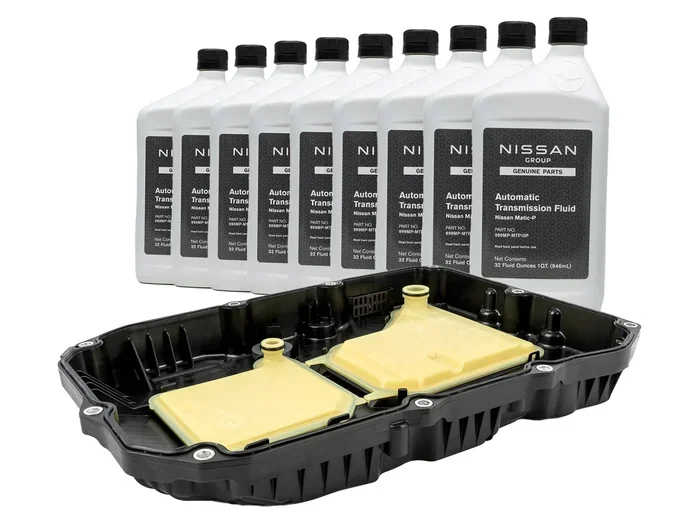
Having the right transmission fluid on hand is critical. Nissan specifies different fluid types for different Frontier generations and engine combinations. Using the wrong fluid can damage your transmission. If you are unsure which fluid to use, check with your local dealer or refer to the owner manual. You can also look up your specific Frontier model year online for the exact fluid specification.
Make sure your truck is parked on a flat, level surface. This ensures the fluid sits evenly in the transmission pan. If you park on a slope, the reading will be inaccurate. Also, make sure the engine is running if your specific Frontier model requires it. Some older models need the engine idling during the check. Newer models may have different procedures. Always refer to your owner manual first.
If you are also dealing with other underhood maintenance, you might want to learn about How Can You Identify The Location Of The Air Filter Box Under The Hood. It is a helpful companion piece for any underhood inspection you are doing on your Frontier.
Step-by-Step Guide to Checking Transmission Fluid on a Nissan Frontier
Now for the main event. Here is exactly how to check your transmission fluid, step by step. Follow these instructions carefully for the most accurate results.
Step 1: Start the Engine and Let It Warm Up
Start your Nissan Frontier and let the engine idle for a few minutes. This allows the transmission fluid to circulate fully. The fluid needs to be warm to give you an accurate level reading. Watch the temperature gauge and make sure the engine reaches its normal operating temperature. For most Frontier models, this takes about 5 to 10 minutes of idling.
If you want to know whether you should leave the car running during the entire process, our article on Do You Leave The Car Running When Adding Transmission Fluid has detailed guidance on this exact question.
Step 2: Park on a Level Surface and Engage the Parking Brake
Make sure your truck is parked on a flat surface. Engage the parking brake firmly. Shift the transmission through all gears briefly while the engine idles. This moves the fluid throughout the transmission and ensures an even distribution. Start with Park, then move through Reverse, Neutral, and Drive. Hold each gear for a few seconds before moving to the next.
Step 3: Locate the Transmission Dipstick
Open the hood and locate the transmission dipstick. On most Nissan Frontier models, the dipstick is located toward the back of the engine bay. It usually has a brightly colored handle, often yellow or red, to distinguish it from the engine oil dipstick. If you are having trouble finding it, refer to your owner manual. The handle will typically say “Transmission” or show a gear icon.
Some newer Frontier models may not have a traditional dipstick. Instead, they use a fill plug or electronic level sensor. If your model does not have a dipstick, consult a Nissan dealer or a qualified mechanic for the proper checking procedure.
Step 4: Pull the Dipstick and Wipe It Clean
Carefully pull the dipstick out. Use a clean rag or paper towel to wipe the fluid off the end of the stick. Make sure you remove all the old fluid from the measuring markings. This gives you a clean baseline for your reading. Pay attention to the markings on the dipstick itself. Most dipsticks have two lines, holes, or a crosshatched area that indicates the acceptable fluid level range.
Step 5: Reinsert the Dipstick and Pull It Out Again
Slide the dipstick back in fully. Wait a second, then pull it out again. This second reading is the one you will use. Look at the fluid level relative to the markings on the dipstick. The fluid should fall between the “Full” and “Add” marks, or within the crosshatched area. If the level is below the minimum mark, you need to add more fluid.
Step 6: Check the Fluid Color and Smell
This step is just as important as checking the level. Look closely at the fluid on the dipstick. Healthy transmission fluid is typically red or pink. It should be translucent and have a slightly sweet smell. If the fluid is dark brown or black, it is old and contaminated. If it smells burnt or has a sharp odor, the fluid has overheated and needs to be changed immediately.
If the fluid looks milky or frothy, this could indicate water contamination or a more serious internal problem. In any of these cases, a fluid change is strongly recommended. You should also inspect under your truck for any signs of a transmission fluid leak. Puddles of red or pink fluid under the vehicle are a clear warning sign.
What Your Transmission Fluid Tells You
The condition of your transmission fluid gives you valuable insight into the health of your drivetrain. Here is a quick guide to what different fluid conditions mean.
| Fluid Condition | Color | Smell | What It Means |
|---|---|---|---|
| Healthy | Red or Pink | Slightly Sweet | Fluid is in good condition |
| Aging | Light Brown | Mild | Fluid is aging, consider a change soon |
| Worn | Dark Brown | Slightly Burnt | Fluid needs to be changed |
| Damaged | Black | Strong Burnt Smell | Immediate fluid change needed |
| Contaminated | Milky or Foamy | None or Unusual | Possible water intrusion or internal issue |
As you can see, the fluid gives you a clear picture of what is happening inside your transmission. Do not ignore warning signs. Dark, burnt-smelling fluid is not something to brush off. It means the transmission is running hot and the fluid is no longer protecting the internal components effectively.
If you discover that your fluid is in poor condition, a transmission fluid change is in order. You can do this yourself or visit a trusted mechanic. Always use the correct Nissan-spec fluid for your Frontier. Using generic or incorrect fluid can void warranties and cause premature wear.
Common Mistakes When Checking Transmission Fluid
Even a simple task like checking transmission fluid can go wrong if you are not careful. Here are the most common mistakes Frontier owners make and how to avoid them.
Checking the Fluid When the Engine Is Cold
One of the biggest mistakes is checking the fluid when the engine is cold. Cold fluid does not fully circulate and sits lower in the transmission. This gives you a falsely low reading. Always check the fluid when the engine is at normal operating temperature for the most accurate result.
Not Parking on a Level Surface
Parking on a slope causes the fluid to pool to one side of the transmission. This skews your reading. Always park on a flat, level surface before checking your fluid level. A simple garage floor works perfectly.
Using the Wrong Fluid Type
Not all transmission fluids are the same. Nissan specifies certain fluid types for the Frontier, and using the wrong one can cause shifting problems, slippage, or internal damage. Always double-check the fluid specification for your specific model year.
Overfilling the Transmission
More fluid is not better. Overfilling the transmission causes the fluid to foam. Foamed fluid loses its lubricating properties and can lead to overheating and transmission damage. Always add fluid in small amounts and recheck the level after each addition.
Ignoring Leaks
If you notice the fluid level dropping quickly, you likely have a leak. Ignoring a leak will lead to low fluid levels and eventually transmission failure. Inspect the area under your truck for fresh fluid drips and address leaks promptly.
How Often Should You Change Your Transmission Fluid?
Checking the fluid is only half the battle. Changing it on a regular schedule is equally important. Most Nissan Frontier owners should change their transmission fluid every 30,000 to 60,000 miles. However, this interval varies depending on your driving conditions. If you frequently tow, haul heavy loads, or drive in extreme heat, you should change the fluid more often, closer to the 30,000-mile mark.
If you do a lot of short trips around town, the transmission does not reach full operating temperature often. This causes moisture to build up in the fluid. In this case, more frequent fluid changes are beneficial. Check your owner manual for the manufacturer-recommended change interval for your specific Frontier model year.
Changing the transmission fluid on a Nissan Frontier is a manageable DIY job for most owners. You will need a drain pan, a socket wrench, a new transmission filter if applicable, and the correct amount of fresh fluid. If you are not comfortable doing it yourself, a trusted mechanic or Nissan dealership can handle the job for you.
For owners wondering about the long-term health of their Frontier drivetrain, you may also be interested in learning about Can You Rebuild A Nissan Cvt Transmission. It covers transmission rebuild options and gives you a deeper understanding of what to expect if your transmission ever needs major work.
Final Thoughts
Checking your transmission fluid on a Nissan Frontier is one of the simplest and most impactful things you can do as a truck owner. It takes just a few minutes and gives you peace of mind. You know your drivetrain is healthy, the fluid is clean, and the levels are where they should be. Regular checks help you catch small problems before they become expensive repairs.
Make it a habit. Add transmission fluid checks to your maintenance routine alongside oil changes and tire rotations. Your Nissan Frontier will thank you with years of reliable, smooth performance. Do not wait for a problem to start checking. Take a few minutes today and give your truck the care it deserves.
Remember, a well-maintained transmission means better fuel economy, smoother shifting, and a longer lifespan for your truck. It is a win-win situation for any Frontier owner. Grab your rag, pop the hood, and give your transmission fluid a quick check. Your truck will be better for it.
Frequently Asked Questions
Can I check the transmission fluid on my Nissan Frontier with the engine off?
It depends on your model year. Most Nissan Frontier models require the engine to be running and warmed up for an accurate reading. The fluid needs to be circulating and at operating temperature to give you the correct level. Check your owner manual for the specific procedure for your Frontier.
What color should Nissan Frontier transmission fluid be?
Healthy transmission fluid should be red or pink and translucent. If the fluid has turned dark brown or black, it is old and needs to be changed. A burnt smell or milky appearance indicates a serious problem that needs immediate attention.
How much transmission fluid does a Nissan Frontier take?
The fluid capacity varies by model year and transmission type. Most Nissan Frontier models require between 4 and 6 quarts for a complete change. Always refer to your owner manual for the exact capacity and the recommended fluid type for your specific truck.
Is it normal for transmission fluid to get dirty over time?
Yes, transmission fluid naturally accumulates particles and breaks down over time. This is why regular fluid changes are essential. However, if the fluid turns black quickly or smells burnt, it may indicate an underlying transmission problem that needs professional inspection.
What happens if I drive with low transmission fluid?
Driving with low transmission fluid is very risky. It causes increased friction, overheating, and can lead to transmission failure. If you notice your fluid level is low, add the correct fluid immediately and inspect for leaks. Continuing to drive on low fluid can result in expensive repairs.
Should I check the transmission fluid when the truck is hot or cold?
For the most accurate reading, check the transmission fluid when the engine is warm and at normal operating temperature. This allows the fluid to fully circulate and settle. Some manufacturers recommend checking with the engine off after it has warmed up, so always consult your owner manual for the correct procedure.
=== CONCLUSION ===
Checking your transmission fluid on a Nissan Frontier is quick, easy, and essential for keeping your truck in top shape. By following the steps in this guide, you can monitor your fluid level, assess its condition, and catch potential problems early. Regular maintenance like this saves you money, extends the life of your transmission, and keeps your Frontier performing at its best. Make it part of your routine and enjoy the confidence that comes with knowing your truck is well taken care of.