How Much Does a Honda Civic Weigh Compared to Other Cars
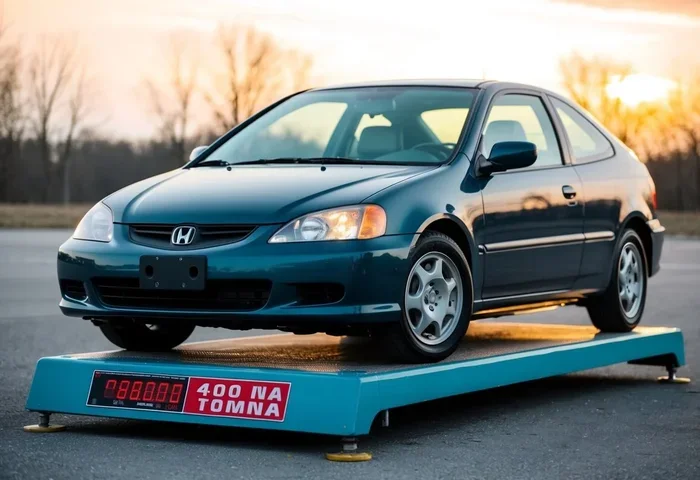
The average Honda Civic weighs between 2,900 and 3,200 pounds depending on the trim and model year. This compact sedan sits in the lightweight category, which helps it deliver great fuel economy and easy handling. Knowing your Honda Civic weight matters for towing, cargo limits, and overall performance. We break down the numbers across every generation so you can compare with confidence.
Have you ever wondered how much does a Honda Civic weigh? It sounds like a simple question, but the answer depends on a lot of factors. The weight of your car affects everything from fuel economy to handling to towing ability. Whether you are buying a used Civic or just curious about your current ride, knowing the weight is more useful than most people think.
The Honda Civic is one of the most popular compact sedans in the world. It has been around for decades, and each generation brings changes in design, materials, and technology. These changes all affect the final number on the scale. In this article, we will break down the Honda Civic weight across different years and trims. We will also compare it to other common vehicles so you can see where it stands.
Understanding your car’s weight helps you make smarter decisions about towing, cargo, and even insurance. Let us dive into the details and give you everything you need to know.
Key Takeaways
- Honda Civic curb weight ranges from 2,900 to 3,200 lbs depending on the trim level and generation.
- Lighter vehicles like the Civic offer better fuel economy and easier handling compared to heavier sedans.
- The Civic is significantly lighter than most full-size sedans and compact SUVs on the market today.
- Understanding your car’s weight helps with towing safety and staying within payload limits for regular cars.
- Different Honda Civic generations have different weights due to changes in materials and technology.
- Trim level, engine type, and features all affect the final weight of any given Honda Civic model.
- Knowing your vehicle weight helps you plan how much stuff you can safely carry without overloading, which ties into how much stuff you can put in your car.
📑 Table of Contents
- What Is the Average Honda Civic Weight?
- Honda Civic Weight Across Generations
- How Honda Civic Weight Compares to Other Cars
- Why Vehicle Weight Matters for Your Honda Civic
- Quick Tips for Managing Honda Civic Weight
- Common Mistakes People Make About Car Weight
- Expert Insights on Honda Civic Weight
- Final Thoughts
What Is the Average Honda Civic Weight?
The average Honda Civic weighs around 3,000 to 3,100 pounds. But this number shifts based on several key factors. The trim level you choose plays a big role. A base model Civic LX will weigh less than a fully loaded Civic Touring. The engine type also matters. A standard four-cylinder engine weighs less than a turbocharged or hybrid setup.
Here are the main factors that influence Honda Civic weight:
- Trim level: Higher trims add more features, which adds weight.
- Engine type: Turbocharged and hybrid engines weigh more than standard engines.
- Body style: The sedan weighs differently than the hatchback or coupe versions.
- Model year: Newer models often use lighter materials like aluminum and high-strength steel.
- Added features: Sunroofs, sound systems, and safety packages all add pounds.
When people ask how much does a Honda Civic weigh, they usually want the curb weight. Curb weight means the weight of the car with a full tank of gas but no passengers or cargo. This is the standard measurement used by manufacturers. Always check your owner’s manual for the exact number for your specific model.
Honda Civic Weight by Trim Level
Different trims come with different equipment levels. Here is a general breakdown of how trim affects the Honda Civic weight:
- Civic LX: Around 2,900 to 3,000 pounds. This is the base model with fewer features and less weight.
- Civic Sport: Around 3,000 to 3,100 pounds. Slightly heavier due to sport styling and additional features.
- Civic EX: Around 3,050 to 3,150 pounds. More comfort and tech features add some weight.
- Civic Touring: Around 3,100 to 3,200 pounds. The heaviest trim because of premium features and larger wheels.
These numbers can vary slightly depending on the model year and any optional packages you choose. Always confirm with the specific VIN or window sticker for the most accurate figure.
Honda Civic Weight Across Generations
The Honda Civic has gone through many generations since it first launched in 1972. Each generation brought new engineering choices that changed the weight. Let us look at how the Civic has evolved over the decades.
Early Generations (1970s and 1980s)
The first few generations of the Honda Civic were incredibly light. Some early models weighed as little as 1,500 to 1,800 pounds. These cars were small, simple, and built for efficiency. The lightweight design was a big reason the Civic gained such a loyal following early on.
During the 1980s, Honda started adding more safety features and comfort items. This pushed the weight up slightly, but the Civic remained one of the lightest cars on the road. The focus was always on keeping things nimble and fuel-efficient.
Modern Generations (2000s to Present)
Modern Honda Civics weigh more than their predecessors, but that is not necessarily a bad thing. Today’s Civics come with advanced safety systems, better sound insulation, and more technology. These additions add weight but also improve the driving experience significantly.
Current generation Civics from around 2016 onward typically weigh between 2,900 and 3,200 pounds. Honda has used high-strength steel and aluminum in key areas to keep the weight manageable despite all the new features. The result is a car that feels solid and safe without being sluggish.
Weight Comparison by Generation
Here is a general comparison of Honda Civic weight across major generations:
- 1st Generation (1973-1979): Approximately 1,500 to 1,800 pounds.
- 3rd Generation (1984-1987): Approximately 1,800 to 2,100 pounds.
- 6th Generation (1996-2000): Approximately 2,300 to 2,600 pounds.
- 10th Generation (2016-2021): Approximately 2,900 to 3,100 pounds.
- 11th Generation (2022-Present): Approximately 3,000 to 3,200 pounds.
As you can see, the Honda Civic has gained weight over the years. But it has also grown in size, safety, and comfort. The trade-off has been well worth it for most buyers.
How Honda Civic Weight Compares to Other Cars
Now let us put the Honda Civic weight into perspective. How does it stack up against other popular vehicles? This is where the comparison really matters for buyers who want to understand what they are getting.
The Civic is a compact sedan, which places it in the lightweight category. Most compact sedans fall in the 2,800 to 3,300 pound range. The Civic sits comfortably in the middle of this range. It is lighter than many competitors but heavier than the smallest economy cars.
Here are some general comparisons with other popular vehicles:
- Toyota Corolla: Similar weight, around 3,000 to 3,200 pounds. The Civic and Corolla are very close in this regard.
- Honda Accord: Heavier, around 3,300 to 3,500 pounds. The Accord is a mid-size sedan and naturally weighs more.
- Toyota Camry: Also heavier, around 3,300 to 3,400 pounds. Another mid-size sedan that outweighs the Civic.
- Ford Focus: Similar weight to the Civic, around 2,900 to 3,100 pounds. Another compact option.
- Hyundai Elantra: Close to the Civic at around 3,000 to 3,200 pounds.
When you compare the Honda Civic to heavier vehicles like SUVs and trucks, the difference becomes even more dramatic. A full-size SUV can weigh 4,500 to 5,500 pounds or more. Even a compact SUV like the Honda CR-V weighs around 3,400 to 3,500 pounds. The Civic is clearly one of the lighter options in the Honda lineup.
For those interested in towing, knowing your vehicle weight is critical. The Civic has a modest towing capacity compared to larger vehicles. Always check your owner’s manual before towing anything. If you are curious about how vehicle weight affects what you can carry, check out our guide on how much weight a regular car can carry for more details.
Why Vehicle Weight Matters for Your Honda Civic
You might be thinking, “Why does the weight of my car even matter?” The answer is that weight affects many aspects of your driving experience. Let us break down the key areas where Honda Civic weight makes a real difference.
Fuel Economy
Lighter vehicles use less fuel. This is a basic physics principle. The Honda Civic is one of the most fuel-efficient sedans on the market, and its relatively low weight is a big reason why. A lighter car needs less energy to move, which means better miles per gallon.
If you are trying to maximize your fuel savings, the lighter trim levels are a good choice. The base LX model will generally get slightly better gas mileage than a heavier Touring trim. Of course, driving habits and road conditions also play a role, but the weight difference between trims is noticeable over time.
Handling and Driving Feel
The Civic has always been praised for its responsive handling. A big part of that reputation comes from its manageable weight. A lighter car can change direction more quickly and feels more agile on twisty roads. This is one reason the Civic has such a loyal enthusiast following.
Heavier cars tend to feel more sluggish in turns and take longer to stop. The Civic avoids this problem thanks to its lightweight design. Even the heavier trims still feel nimble compared to most other sedans on the road.
Towing and Payload Capacity
The Honda Civic is not a towing powerhouse. Its lightweight design means it has a limited towing capacity compared to trucks and SUVs. Most Civics can tow between 1,000 and 1,500 pounds when properly equipped with a trailer package.
But towing is not the only consideration. You also need to think about how much cargo and passengers your car can safely handle. Overloading any vehicle is dangerous and can cause damage. If you want to understand more about how much weight your car can actually handle, our article on how much stuff you can put in your car covers this topic in detail.
Insurance and Registration Costs
Vehicle weight can also affect your insurance rates and registration fees. In some states, heavier vehicles cost more to register. Insurance companies may also consider weight when calculating premiums. The Civic’s relatively light weight can work in your favor on both fronts.
Safety and Crash Performance
You might think lighter cars are less safe, but that is not always true. Honda engineers design the Civic with advanced safety features that compensate for its lighter weight. High-strength steel, multiple airbags, and smart structural design help the Civic earn top safety ratings year after year.
The key is that modern lightweight cars are engineered differently than older heavy cars. Honda uses crumple zones and reinforcement strategies that absorb crash energy effectively, regardless of the overall vehicle weight.
Quick Tips for Managing Honda Civic Weight
Want to get the most out of your Honda Civic’s weight profile? Here are some practical tips:
- Remove unnecessary items from your trunk. Every extra pound adds up and reduces fuel economy.
- Choose the base trim if weight matters to you. You will save around 50 to 100 pounds compared to a loaded Touring model.
- Keep your tires properly inflated. Under-inflated tires add rolling resistance and make your car work harder.
- Avoid aftermarket upgrades that add significant weight. Larger wheels, sound systems, and roof racks all add pounds.
- Check your owner’s manual for the exact weight specification. The sticker on the driver’s door jamb has the official curb weight for your specific vehicle.
These small steps can help you keep your Honda Civic running at its best. Less weight means better efficiency, better handling, and better overall performance.
Common Mistakes People Make About Car Weight
There are a few misconceptions about vehicle weight that many people fall into. Let us clear those up.
Mistake 1: Assuming all Honda Civics weigh the same. As we covered earlier, the weight varies significantly by trim, engine, and model year. Always look up the specific weight for your exact vehicle.
Mistake 2: Ignoring the difference between curb weight and gross weight. Curb weight is the car by itself. Gross weight includes passengers, cargo, and fuel. You need to know both to understand your vehicle’s true load capacity.
Mistake 3: Thinking lighter is always better. While lighter cars have advantages, there are trade-offs. Heavier cars can sometimes feel more stable at highway speeds and may offer more sound insulation. The Honda Civic strikes a good balance between light weight and solid feel.
Mistake 4: Overloading your vehicle. Every car has a maximum weight limit. Exceeding it is dangerous and can damage your suspension, brakes, and engine. Always stay within the recommended limits.
Expert Insights on Honda Civic Weight
Automotive engineers often say that reducing vehicle weight is one of the most effective ways to improve efficiency and performance. Honda has embraced this philosophy with the Civic. The company uses advanced manufacturing techniques like hot-stamped steel and aluminum subframes to keep the weight down while maintaining structural rigidity.
According to Honda’s engineering philosophy, every pound matters. The company constantly evaluates components to find ways to reduce weight without sacrificing safety or comfort. This approach is why the Civic remains one of the best-selling cars in America after all these years.
For buyers, the takeaway is clear. The Honda Civic offers an excellent balance of light weight, strong performance, and modern features. It is a car that delivers where it counts without carrying unnecessary bulk.
Final Thoughts
So how much does a Honda Civic weigh? The answer is typically between 2,900 and 3,200 pounds for modern models. This places it firmly in the lightweight compact sedan category. The Civic’s manageable weight contributes to its excellent fuel economy, nimble handling, and overall driving enjoyment.
Whether you are comparing trims, shopping for a used model, or just curious about your current vehicle, understanding the Honda Civic weight helps you make informed decisions. From fuel costs to towing capacity to safety, weight touches almost every aspect of car ownership.
Keep these numbers in mind the next time you are at the dealership or doing maintenance on your Civic. A little knowledge about your vehicle goes a long way. And if you ever need to understand more about what your car can carry or tow, remember to check out our resources on vehicle weight and capacity.
The Honda Civic has earned its reputation as a smart, efficient, and well-engineered compact sedan. Its weight is a key part of that success story. We hope this guide has given you the clarity you were looking for.
Frequently Asked Questions
How much does a Honda Civic weigh in kilograms?
The average Honda Civic weighs between 1,300 and 1,450 kilograms. To convert pounds to kilograms, simply divide the pound figure by 2.2. Most modern Civics fall right in the middle of this range depending on the trim level you choose.
Does the Honda Civic weight affect fuel economy?
Yes, vehicle weight has a direct impact on fuel economy. Lighter cars require less energy to move, which means better gas mileage. The Honda Civic’s relatively light weight is one of the main reasons it delivers such excellent fuel efficiency compared to heavier sedans and SUVs.
What is the heaviest Honda Civic trim?
The Touring trim is typically the heaviest Honda Civic model. It comes with the most features, larger wheels, and additional equipment that adds weight. The Touring trim usually weighs around 3,100 to 3,200 pounds depending on the model year.
Can a Honda Civic tow a trailer?
Yes, but the towing capacity is limited due to the Civic’s lightweight design. Most Honda Civics can tow between 1,000 and 1,500 pounds when equipped with the proper trailer package. Always check your owner’s manual and never exceed the recommended towing limit for safety.
How does Honda Civic weight compare to the Toyota Corolla?
The Honda Civic and Toyota Corolla are very similar in weight. Both compact sedans typically fall in the 2,900 to 3,200 pound range. The slight difference depends on the specific trim, engine, and model year you are comparing. Overall, they are close competitors in the lightweight sedan category.
Where can I find the exact weight of my Honda Civic?
The easiest way to find your Honda Civic’s exact weight is to check the sticker on the driver’s door jamb. This sticker lists the curb weight along with other important specifications. You can also find the weight in your owner’s manual or by looking up your vehicle’s VIN on Honda’s official website.