How Many Catalytic Converters Are Found in an Acura MDX
The Acura MDX typically has two catalytic converters as part of its emissions control system. These converters play a vital role in reducing harmful exhaust fumes and keeping your luxury SUV running smoothly. Understanding your catalytic converters helps with maintenance, troubleshooting, and avoiding costly repairs.
If you own or are thinking about buying an Acura MDX, you might be wondering about the catalytic converters in your vehicle. These small but mighty parts play a huge role in keeping your car running clean and efficient. In this guide, we will break down exactly how many catalytic converters are in an Acura MDX, where they are located, and what you need to know about maintenance and replacement.
The Acura MDX is a popular luxury SUV known for its comfort, performance, and reliability. Under the hood, it packs a powerful V6 engine that needs a properly functioning exhaust system to operate at its best. The catalytic converters are a critical part of that system. They work hard every time you drive to reduce harmful emissions and keep your vehicle compliant with environmental regulations.
Whether you are dealing with a check engine light, planning a repair, or just curious about how your car works, this article has you covered. We will walk you through everything step by step in plain language. By the end, you will have a clear picture of your Acura MDX exhaust system and how to keep it in top shape.
Key Takeaways
- Two Converters: The Acura MDX uses two catalytic converters, one for each exhaust bank of the V6 engine.
- Location Matters: Converters sit close to the exhaust manifold and further back near the rear axle area.
- Replacement Costs Vary: OEM converters cost more than aftermarket options, but both are important for passing emissions tests.
- Watch for Symptoms: Reduced fuel efficiency, rattling sounds, and a check engine light can signal converter problems.
- Regular Maintenance Helps: Keeping your exhaust system in good shape extends the life of your catalytic converters.
- Theft Is a Risk: Catalytic converters contain precious metals that make them targets for thieves.
- Honda Connection: As part of the Honda family, Acura vehicles share many exhaust system components with other Honda models.
📑 Table of Contents
- Understanding the Acura MDX Exhaust System
- How Many Catalytic Converters Does the Acura MDX Have?
- Where Are the Catalytic Converters Located on an Acura MDX?
- Signs Your Acura MDX Catalytic Converter Needs Attention
- Catalytic Converter Replacement Cost for the Acura MDX
- Maintaining Your Acura MDX Exhaust System
- Frequently Asked Questions
- Conclusion
Understanding the Acura MDX Exhaust System
The exhaust system on an Acura MDX is more than just pipes and mufflers. It is a carefully designed network of components that works together to manage exhaust gases safely. At the heart of this system are the catalytic converters, which handle the job of cleaning up harmful emissions before they exit the tailpipe.
How the Exhaust System Works
When your Acura MDX engine burns fuel, it creates exhaust fumes that contain harmful chemicals like carbon monoxide, nitrogen oxides, and hydrocarbons. These gases travel through the exhaust manifold and into the exhaust pipe. Before they leave the vehicle, they must pass through the catalytic converters.
Inside each converter, a chemical reaction takes place. The converter uses precious metals like platinum, palladium, and rhodium to transform these harmful gases into less dangerous substances like carbon dioxide and water vapor. This process is essential for both environmental protection and vehicle performance.
The Role of Catalytic Converters
Think of catalytic converters as the lungs of your vehicle. They filter out the bad stuff so only clean air comes out the back of your car. Without working converters, your Acura MDX would release far more pollution into the air. You would also likely notice a drop in fuel efficiency and overall vehicle performance.
Most modern vehicles, including the Acura MDX, are required by law to have functioning catalytic converters. Driving without them can result in failed emissions tests and even fines in many states. This makes understanding and maintaining your converters absolutely essential.
How Many Catalytic Converters Does the Acura MDX Have?
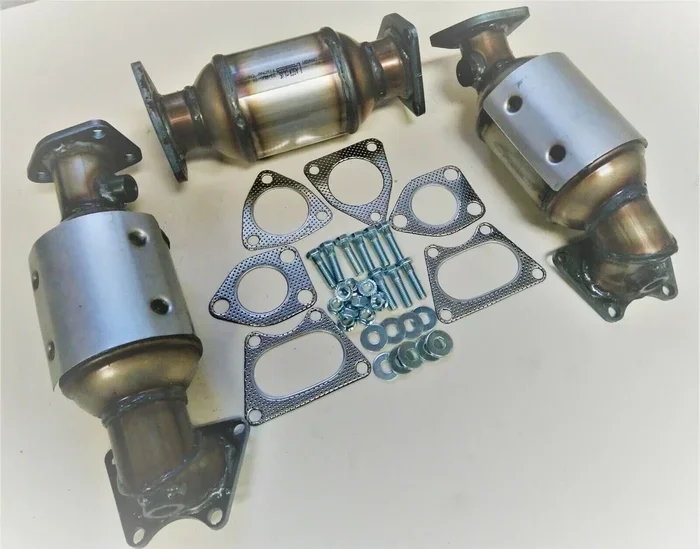
The standard Acura MDX comes equipped with two catalytic converters. This setup matches the vehicle’s V6 engine configuration, which has two exhaust banks. Each bank gets its own converter to handle the exhaust gases from that side of the engine.
Engine Configuration and Converter Count
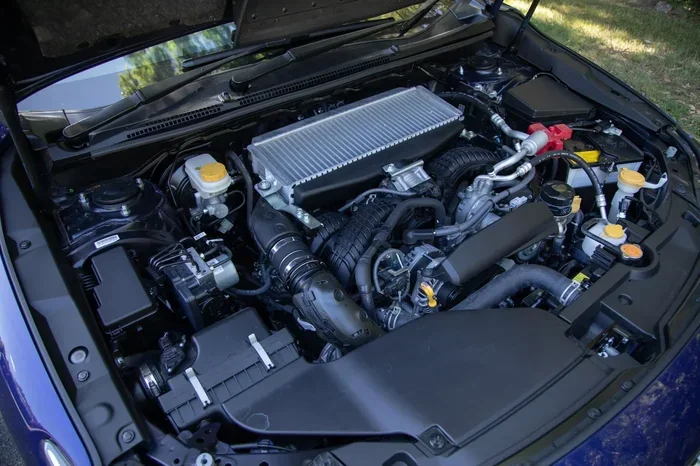
The Acura MDX uses a V6 engine layout. This means the engine has two banks of three cylinders each. Because of this design, the exhaust system splits into two paths, and each path needs its own catalytic converter. This is why you will find two converters rather than just one.
Some larger vehicles with V8 engines may have four converters or more. But for the MDX, the two-converter setup is standard across most model years. This is a common arrangement for V6-powered luxury SUVs and sedans in the Acura lineup.
Differences Across Model Years
While most Acura MDX models use two catalytic converters, there can be slight variations depending on the model year and trim level. Earlier models from the early 2000s may have a slightly different exhaust layout compared to newer versions. However, the two-converter design has remained consistent throughout most generations of the MDX.
If you are unsure about your specific model, it is always a good idea to check your owner’s manual or consult with a trusted mechanic. They can confirm the exact exhaust system setup for your particular year and trim of the MDX.
Where Are the Catalytic Converters Located on an Acura MDX?
Knowing the location of your catalytic converters helps with maintenance and troubleshooting. On the Acura MDX, the converters are positioned at two key points along the exhaust system.
Front Converter Placement
The first catalytic converter sits near the front of the vehicle, close to the exhaust manifold. This is often called the “front converter” or “pre-cat.” It handles the hottest exhaust gases right after they leave the engine. Because of the high temperatures, this converter tends to wear out faster than the rear one.
On the Acura MDX, you will find this front converter underneath the vehicle, close to the engine bay. It connects directly to the exhaust manifolds on each side of the V6 engine. The exhaust pipes from both banks merge before reaching this first converter in some configurations.
Rear Converter Placement
The second catalytic converter is located further back, typically near the rear axle area or beneath the floor of the vehicle. This “rear converter” or “post-cat” handles the exhaust gases that have already been partially cleaned by the front converter.
The rear converter runs cooler than the front one, which generally means it lasts longer. However, it is still subject to wear over time, especially if you frequently drive in stop-and-go traffic or short trips where the engine does not fully warm up.
Exhaust Manifold Connection
Both converters connect to the exhaust manifold and the rest of the exhaust piping. The exhaust manifold collects gases from the engine cylinders and funnels them into the exhaust pipe. From there, the gases flow through the converters, then through the resonator and muffler, and finally out the tailpipe.
Understanding this flow helps you see why a problem with any part of the system can affect overall performance. If one converter gets clogged, it can create a backup of exhaust pressure that hurts your engine’s power output and fuel efficiency.
Signs Your Acura MDX Catalytic Converter Needs Attention
Catalytic converters do not last forever. Over time, they can become clogged, damaged, or worn out. Recognizing the early signs of converter problems can save you from more expensive repairs down the road.
Warning Symptoms to Watch For
Here are the most common symptoms that your catalytic converters may be failing:
- Reduced Engine Performance: You may notice sluggish acceleration or a lack of power when pressing the gas pedal.
- Decreased Fuel Efficiency: If your MDX is using more fuel than usual, a clogged converter could be the culprit.
- Rattling Noise: A rattling sound from underneath the vehicle, especially when idling, can indicate a broken converter substrate inside.
- Rotten Egg Smell: A strong sulfur or rotten egg odor coming from the exhaust is a classic sign of converter failure.
- Dark Exhaust Smoke: Unusual smoke color, particularly black or dark gray, can signal that the converter is not processing gases properly.
- Failed Emissions Test: If your MDX does not pass an emissions inspection, the catalytic converters are often the first thing checked.
Check Engine Light and Error Codes
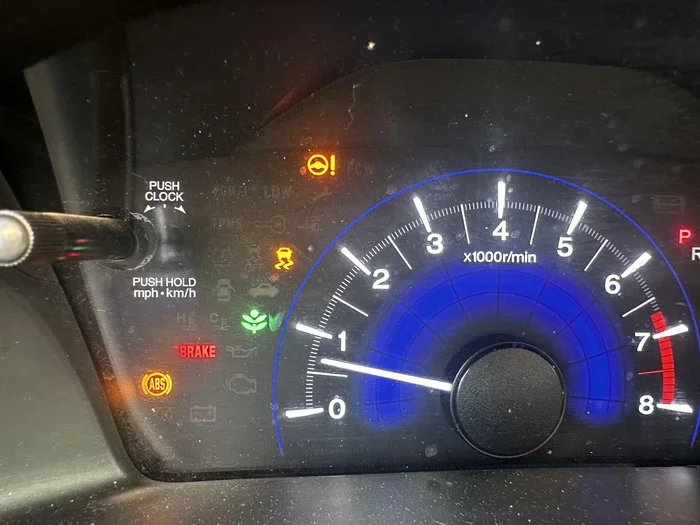
Your Acura MDX is equipped with sensors that monitor the efficiency of the catalytic converters. When the system detects a problem, it triggers the check engine light and stores a specific error code. Common codes related to converter issues include P0420 and P0430, which indicate catalyst system efficiency below the threshold.
If your check engine light comes on, do not ignore it. Using an OBD-II scanner, you can read the error codes yourself or have a mechanic do it for you. Addressing converter problems early can prevent further damage to other exhaust system parts and keep your vehicle running smoothly.
Catalytic Converter Replacement Cost for the Acura MDX
Replacing a catalytic converter is not cheap, but it is necessary for keeping your vehicle running properly and passing emissions inspections. The cost varies depending on several factors, including the type of converter you choose and labor rates in your area.
OEM vs Aftermarket Options
When it comes to replacement converters, you have two main choices: OEM (Original Equipment Manufacturer) parts and aftermarket converters. OEM converters are made by the same supplier that provided the original part for your Acura MDX. They tend to be more expensive but offer the best fit and performance.
Aftermarket converters are made by third-party manufacturers and are generally less costly. However, the quality can vary widely. Some aftermarket options work just as well as OEM parts, while others may not meet the same standards for durability and emissions control.
Labor Costs and Total Expenses
Labor costs for replacing catalytic converters on an Acura MDX typically range from $200 to $500, depending on the complexity of the job. Since the converters are located underneath the vehicle, the mechanic needs to lift the car and access them from below.
For OEM converters, you might pay anywhere from $1,500 to $3,000 for both units including parts and labor. Aftermarket options can bring the total cost down to around $800 to $1,500. Always get a detailed quote from your mechanic before proceeding with the replacement.
It is also worth noting that catalytic converter theft has become a growing problem in recent years. The precious metals inside converters make them attractive targets. Consider parking in well-lit areas and using anti-theft devices to protect your investment.
Maintaining Your Acura MDX Exhaust System
Good maintenance habits can significantly extend the life of your catalytic converters and the entire exhaust system. A little prevention goes a long way toward avoiding expensive repairs.
Regular Maintenance Tips
Here are some practical steps you can take to keep your Acura MDX exhaust system healthy:
- Use Quality Fuel: Always use the recommended fuel grade for your MDX. Low-quality fuel can leave deposits that damage the converters over time.
- Address Engine Problems Promptly: If your engine is running rich (too much fuel) or misfiring, unburned fuel can clog the converters. Fix engine issues quickly.
- Check for Exhaust Leaks: Inspect the exhaust system regularly for leaks or damage. Even small holes can let harmful gases into the cabin.
- Keep Up with Oil Changes: Burning oil due to worn engine parts can contaminate the converters. Regular oil changes help prevent this.
- Avoid Short Trips When Possible: Short trips do not allow the converters to reach their optimal operating temperature, which can cause buildup over time.
How to Extend Converter Life
The average catalytic converter lasts between 100,000 and 150,000 miles. However, with proper care, some converters last even longer. The key is to keep the entire engine and exhaust system in good condition. When your engine runs efficiently, the converters do not have to work as hard.
Also, remember that the Acura MDX is a luxury SUV that deserves premium maintenance. Using high-quality OEM parts for repairs and replacements ensures that every component, including the converters, performs at its best for years to come.
Frequently Asked Questions
Can I drive my Acura MDX with a bad catalytic converter?
You technically can drive short distances with a failing converter, but it is not recommended. A bad converter can cause engine damage over time and will cause your vehicle to fail emissions testing. It can also lead to reduced fuel efficiency and poor vehicle performance. Have it repaired as soon as possible to avoid more serious and expensive problems down the road.
How long do catalytic converters last on an Acura MDX?
Most catalytic converters on an Acura MDX last between 100,000 and 150,000 miles. However, this lifespan depends heavily on driving habits, fuel quality, and overall engine health. Regular vehicle maintenance and using quality fuel can help your converters last even longer. If you notice any symptoms of converter failure, get it checked right away.
Are catalytic converters on the Acura MDX expensive to replace?
Yes, replacing catalytic converters on an Acura MDX can be costly, especially if you choose OEM parts. The total cost for both converters typically ranges from $1,500 to $3,000 including labor. Aftermarket options are cheaper but may not offer the same longevity or performance. Always weigh the long-term benefits against the upfront cost when choosing replacement parts.
Why are catalytic converters targeted by thieves?
Catalytic converters contain precious metals like platinum, palladium, and rhodium, which have high scrap value. Thieves can sell used converters to scrap yards for quick cash. Luxury SUVs like the Acura MDX are often targeted because the converters are easier to access underneath the vehicle. Parking in secure, well-lit areas and using anti-theft devices can help reduce this risk.
Can I replace just one catalytic converter instead of both?
It is possible to replace just one converter if only one is failing, but it is usually recommended to replace both at the same time. When one converter is damaged, the other is often close to failing as well. Replacing both ensures balanced exhaust system performance and prevents future issues. Your mechanic can assess the condition of both converters and advise you on the best approach.
Does the Acura MDX have more converters than other Honda vehicles?
The Acura MDX has two catalytic converters, which is standard for a V6 engine. Many other Honda and Acura vehicles with four-cylinder engines use just one converter. Vehicles with larger engines, like V8s, may have more. As part of the Honda family, Acura shares many engineering principles with its sibling brands, but the converter count depends on the specific engine configuration.
Conclusion
The Acura MDX has two catalytic converters that play an essential role in managing your vehicle’s emissions and keeping the engine running efficiently. These converters are positioned at the front and rear of the exhaust system, each handling exhaust gases from one bank of the V6 engine. Understanding how they work and what signs to watch for can save you time, money, and headaches.
Regular maintenance, quality fuel, and prompt attention to warning signs are the best ways to keep your converters healthy for the long haul. Whether you are dealing with a check engine light, planning a replacement, or just learning more about your vehicle, knowing your catalytic converters gives you an edge as a car owner.
Take care of your Acura MDX exhaust system, and it will take care of you. Your luxury SUV will continue to deliver the smooth, powerful performance you expect for many miles to come. Stay proactive, stay informed, and enjoy the ride.